Updated: May 12, 2025


There was a time when Saturday afternoons meant grainy VHS tapes, dubbed dialogue, and the unmistakable rhythm of kung fu battles on screen. We all knew the names—Bruce Lee, Jackie Chan, Jet Li—icons who kicked and punched their way into film history.
But if you looked beyond the spotlight, there was another set of heroes blazing their own path.
The women of martial arts cinema weren’t just holding their own—they were redefining what strength looked like.
Whether slicing through enemies in Shaw Brothers epics or going toe-to-toe with villains in ’90s action hits, these women brought elegance, fury, and unforgettable power to the screen.
This is a look back at the fierce trailblazers who have helped shape a genre—and left a legacy still felt today.

Cheng Pei-pei: The Original Queen of Swordplay
Often hailed as the "Queen of Swords", Cheng Pei-pei was one of the first female stars to dominate martial arts cinema. Rising to fame in the 1960s with Shaw Brothers Studio, her breakout role came in Come Drink With Me (1966), where she played Golden Swallow—a fierce, poised warrior who combined grace with lethal skill.
What set Cheng apart was her balletic background, which translated seamlessly into the stylized fight choreography of wuxia films. Long before the era of digital effects, Cheng made it clear that a woman could command the screen with elegance, strength, and undeniable charisma.
Decades later, she would return to international acclaim as Jade Fox in Crouching Tiger, Hidden Dragon (2000), bringing her legacy full circle.

Michelle Yeoh: The Global Action Icon
Michelle Yeoh’s journey from ballet dancer to action superstar is the stuff of cinematic legend. Making her mark in the 1980s and 1990s Hong Kong action scene, she starred in classics like Yes, Madam (1985), which helped pioneer the "girls with guns" subgenre. Her on-screen presence was electric—graceful, intelligent, and capable of going toe-to-toe with any opponent.
She performed her own stunts, often at great personal risk, and brought emotional depth to her roles. Yeoh's Hollywood crossover came with roles in Tomorrow Never Dies (1997) and Crouching Tiger, Hidden Dragon.
In 2023, she became the first Asian woman to win the Academy Award for Best Actress for Everything Everywhere All At Once, proving that her martial arts roots were just one facet of a multifaceted career.

Cynthia Rothrock: The Queen of American Martial Arts Films
While kung fu cinema had strong roots in Hong Kong, Cynthia Rothrock brought the genre to Western audiences with unmatched intensity. A real-life martial arts champion with black belts in multiple disciplines, Rothrock exploded onto the Hong Kong scene in the 1980s, where she often starred opposite male action stars—and stole the show.
Her roles in Yes, Madam, China O'Brien, and countless action films of the '80s and '90s earned her a cult following. Unlike many of her contemporaries, Rothrock wasn’t a dancer turned actress—she was a fighter, first and foremost. She kicked, flipped, and punched her way through gender barriers in a male-dominated industry, and became an icon for women in martial arts worldwide.
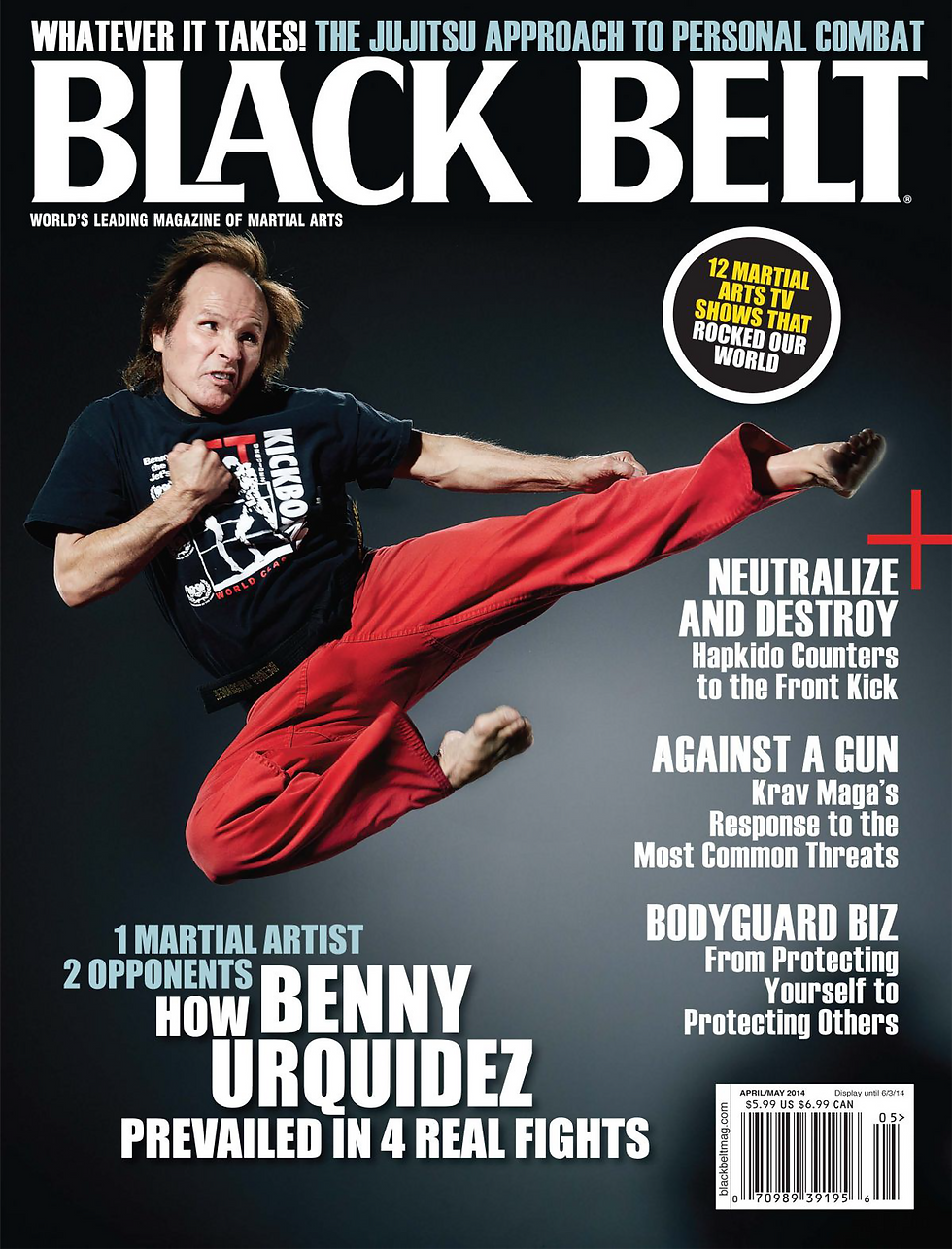
That’s why she continues to be celebrated by the industry and beloved by fans. Most recently, she even graced the cover of Black Belt Magazine for the Spring 2025 issue.

Angela Mao: The Female Bruce Lee
Known for her fierce screen presence and rapid-fire kicks, Angela Mao earned the nickname "Lady Kung Fu". She rose to fame in the 1970s during the golden age of kung fu cinema, starring in films like Hapkido (1972) and Lady Whirlwind (1972). Most notably, she played Bruce Lee’s sister in Enter the Dragon (1973), a brief but unforgettable role.
Mao brought a raw, powerful energy to her fight scenes, often outshining her male co-stars. She was a martial artist who trained in real techniques, and her impact is still felt among fans of classic kung fu.
Though she retired from acting in the 1980s, she remains one of the fiercest women ever to grace the genre.

Zhang Ziyi: The Elegant Warrior
Though she came to prominence slightly later, Zhang Ziyi brought a new level of refinement to the genre with her performances in Crouching Tiger, Hidden Dragon, Hero (2002), and House of Flying Daggers (2004).
A dancer by training, Zhang’s fight scenes were mesmerizing ballets of motion, combining emotional storytelling with breathtaking action.
She became a global face of Chinese cinema, bridging East and West with her elegance and emotional depth. Her roles elevated the perception of martial arts films as high art rather than mere spectacle.
The queens of kung fu cinema didn’t just fight villains—they fought expectations. They paved the way for future generations of female action stars, from Charlize Theron in Atomic Blonde to Gal Gadot’s Wonder Woman, to the ensemble cast of Everything Everywhere All At Once.
Their stories, both on-screen and off, show that martial arts is not defined by gender, but by spirit, discipline, and presence.