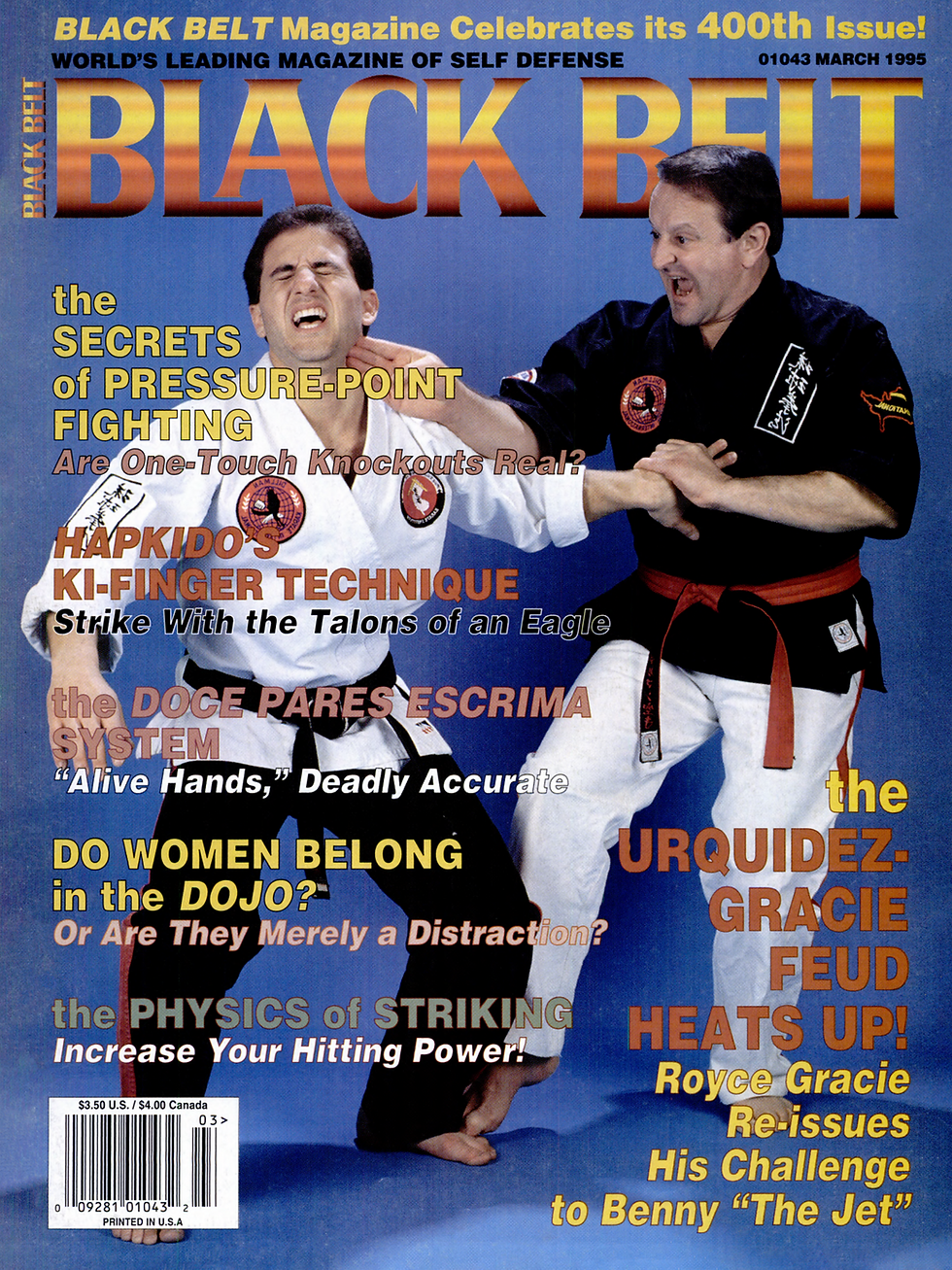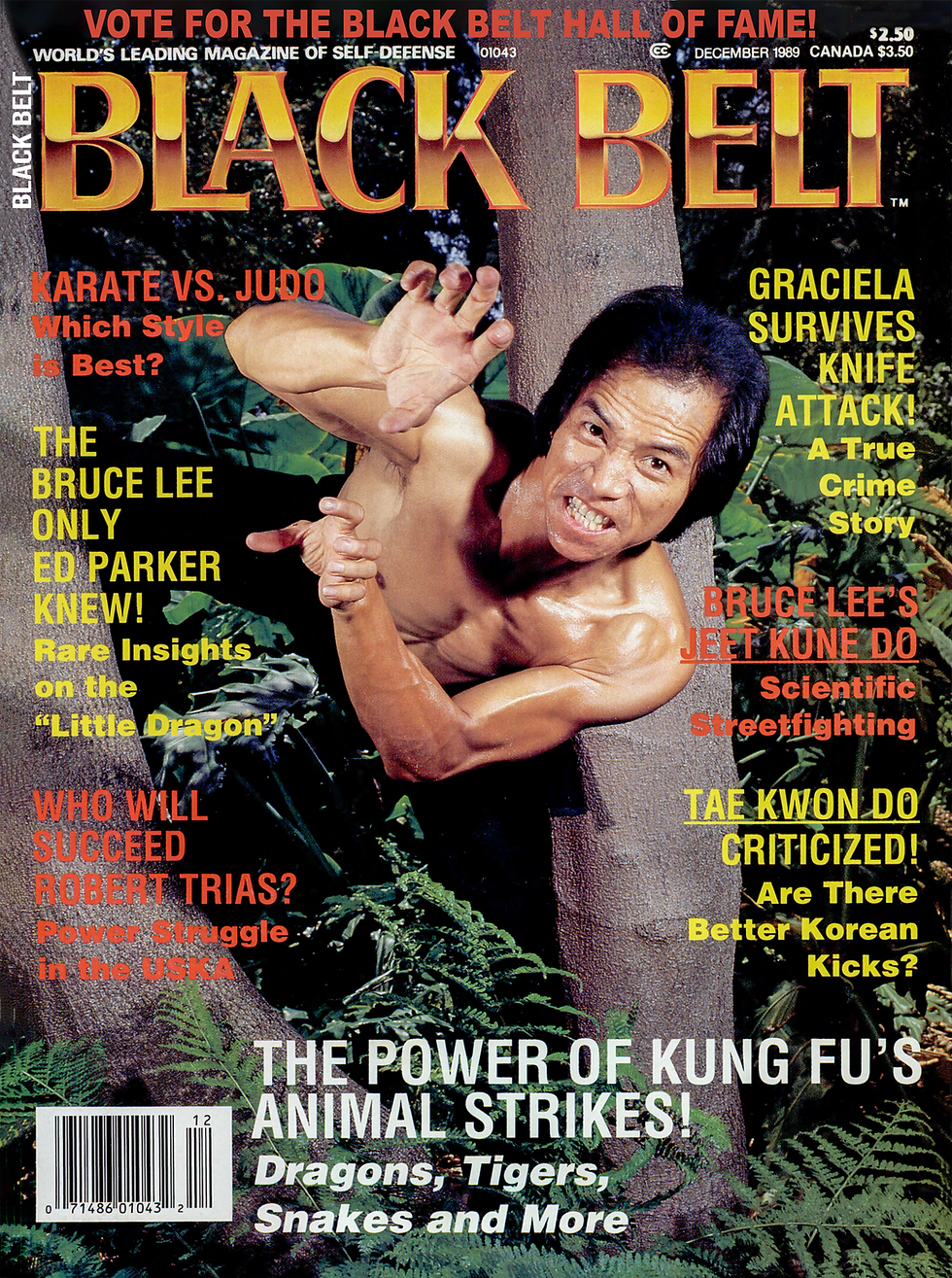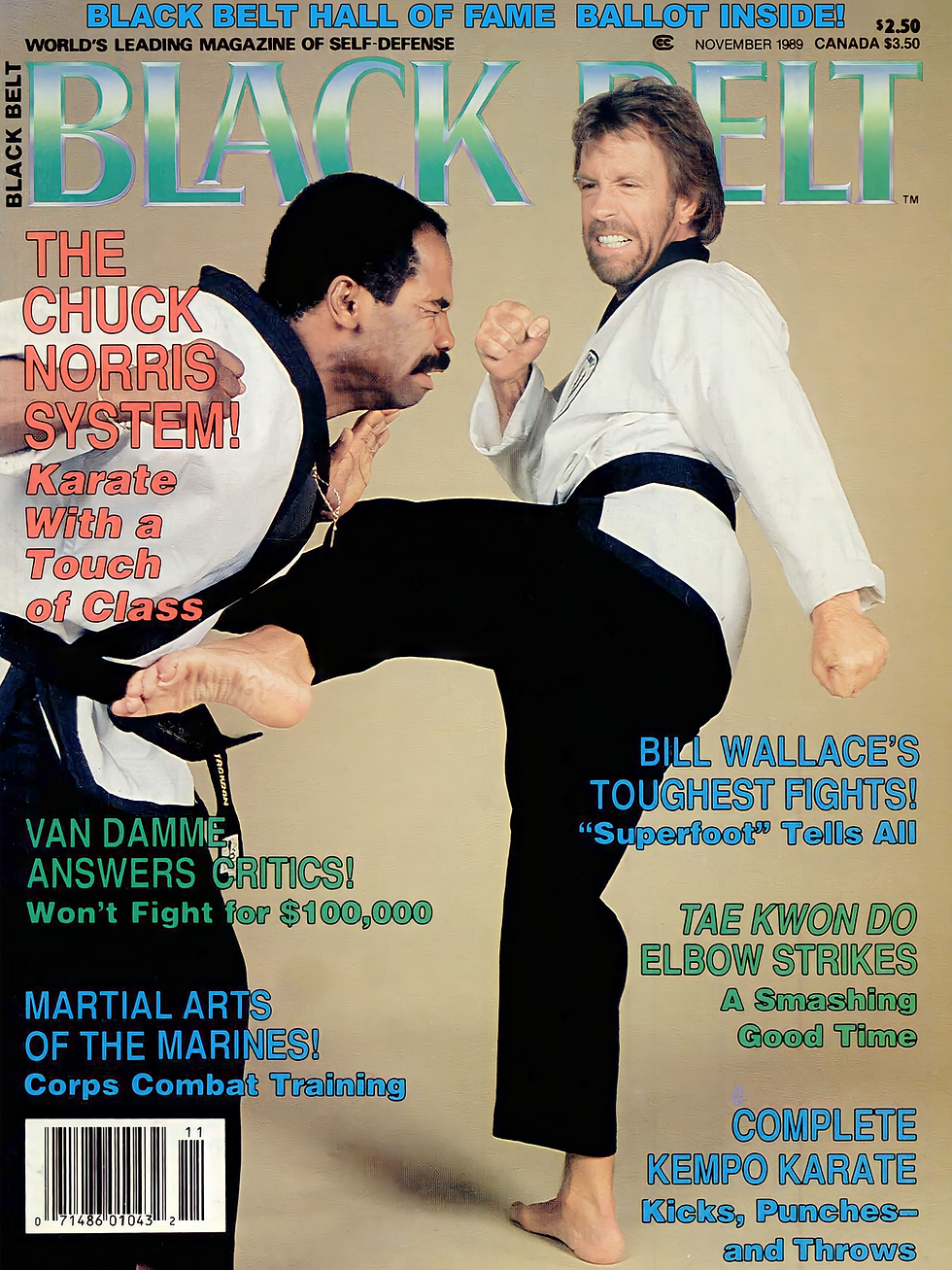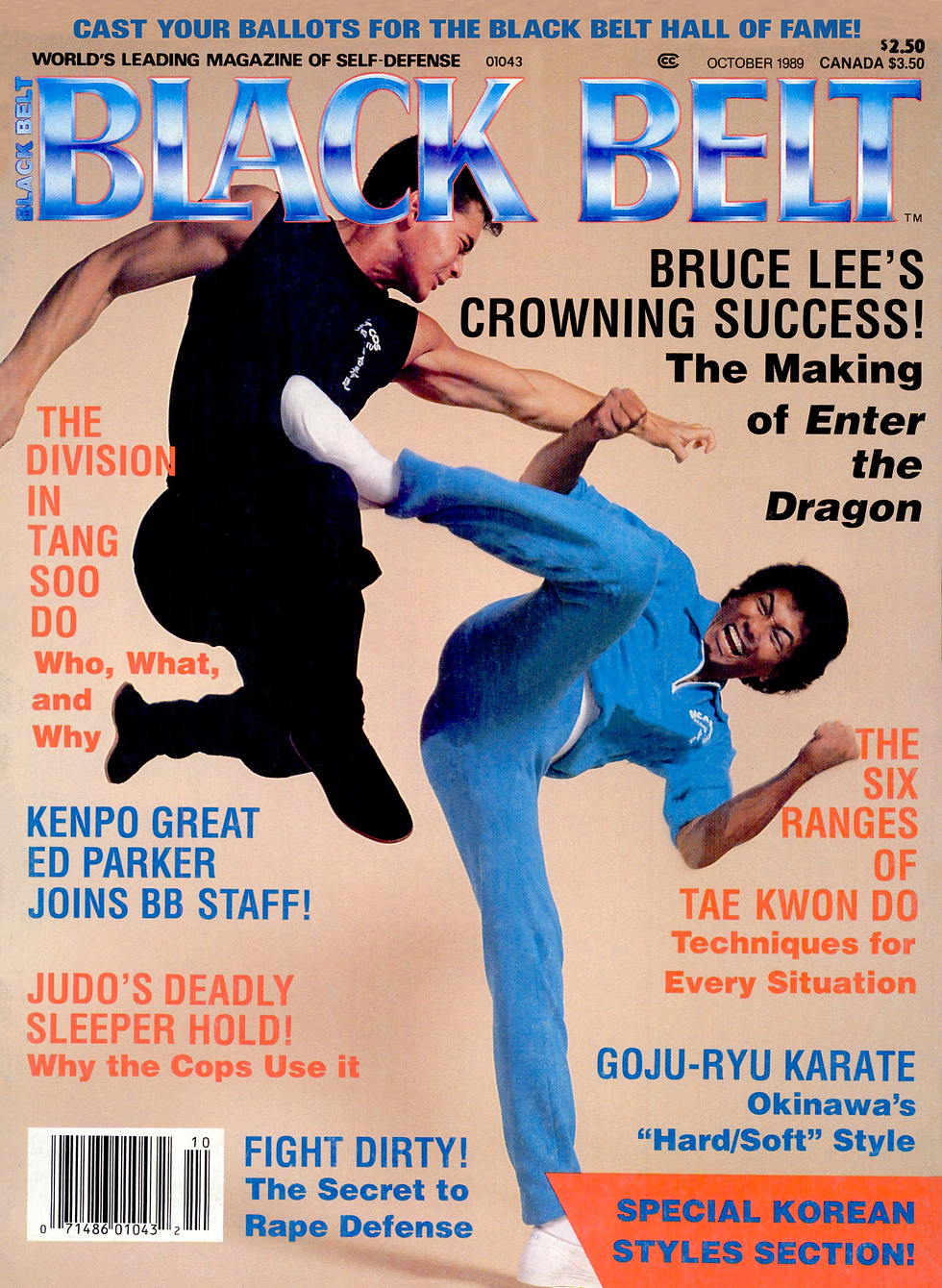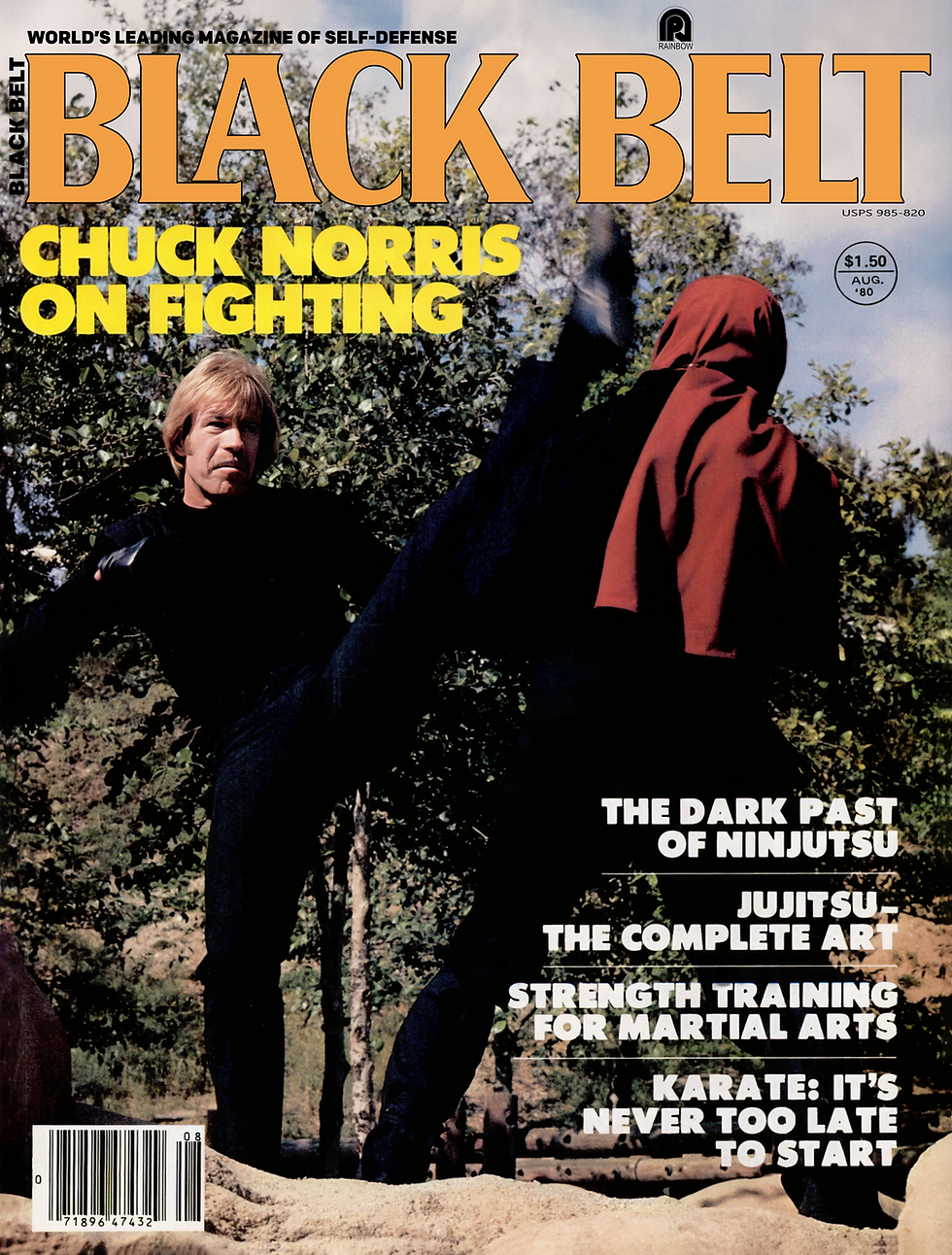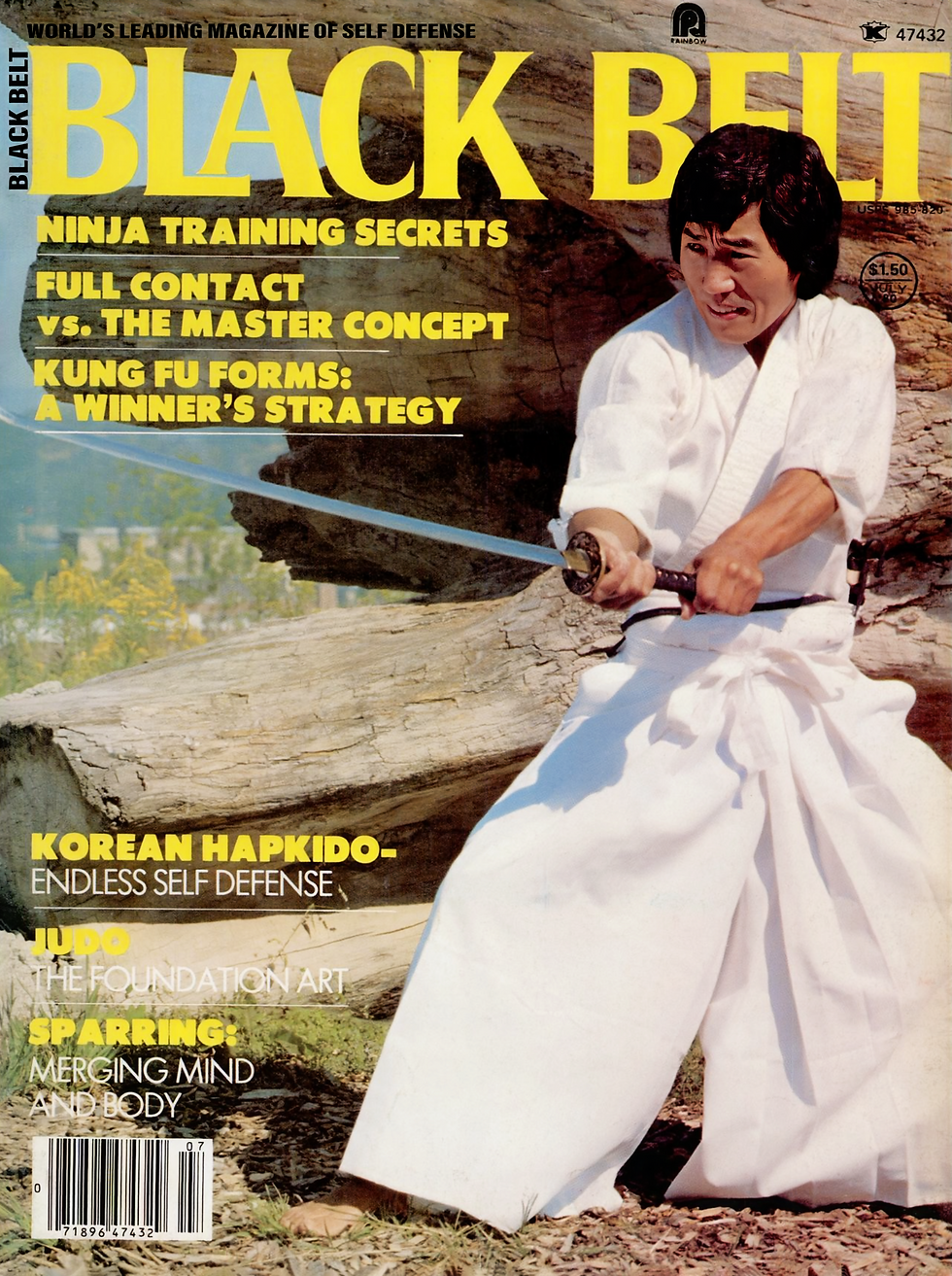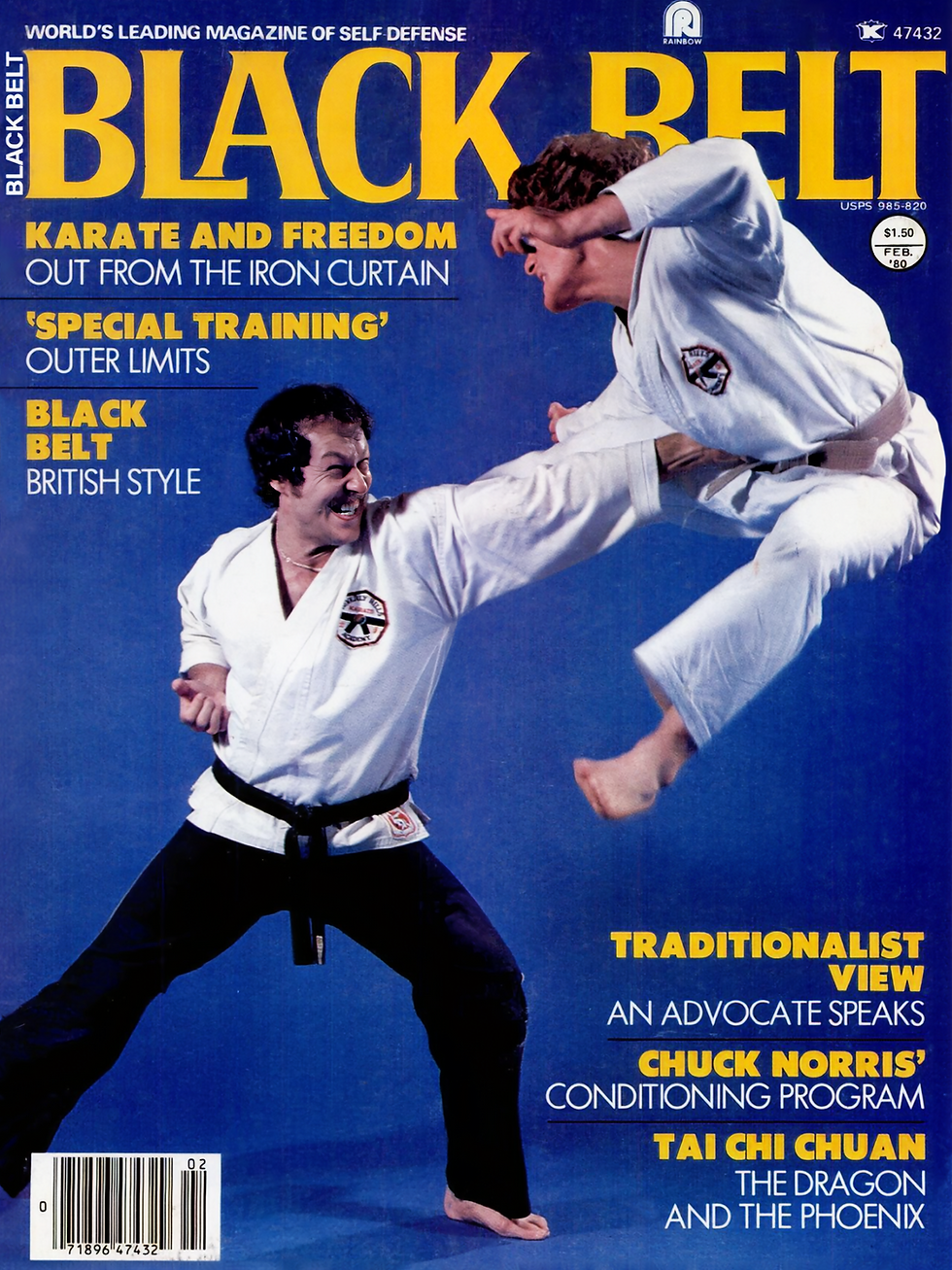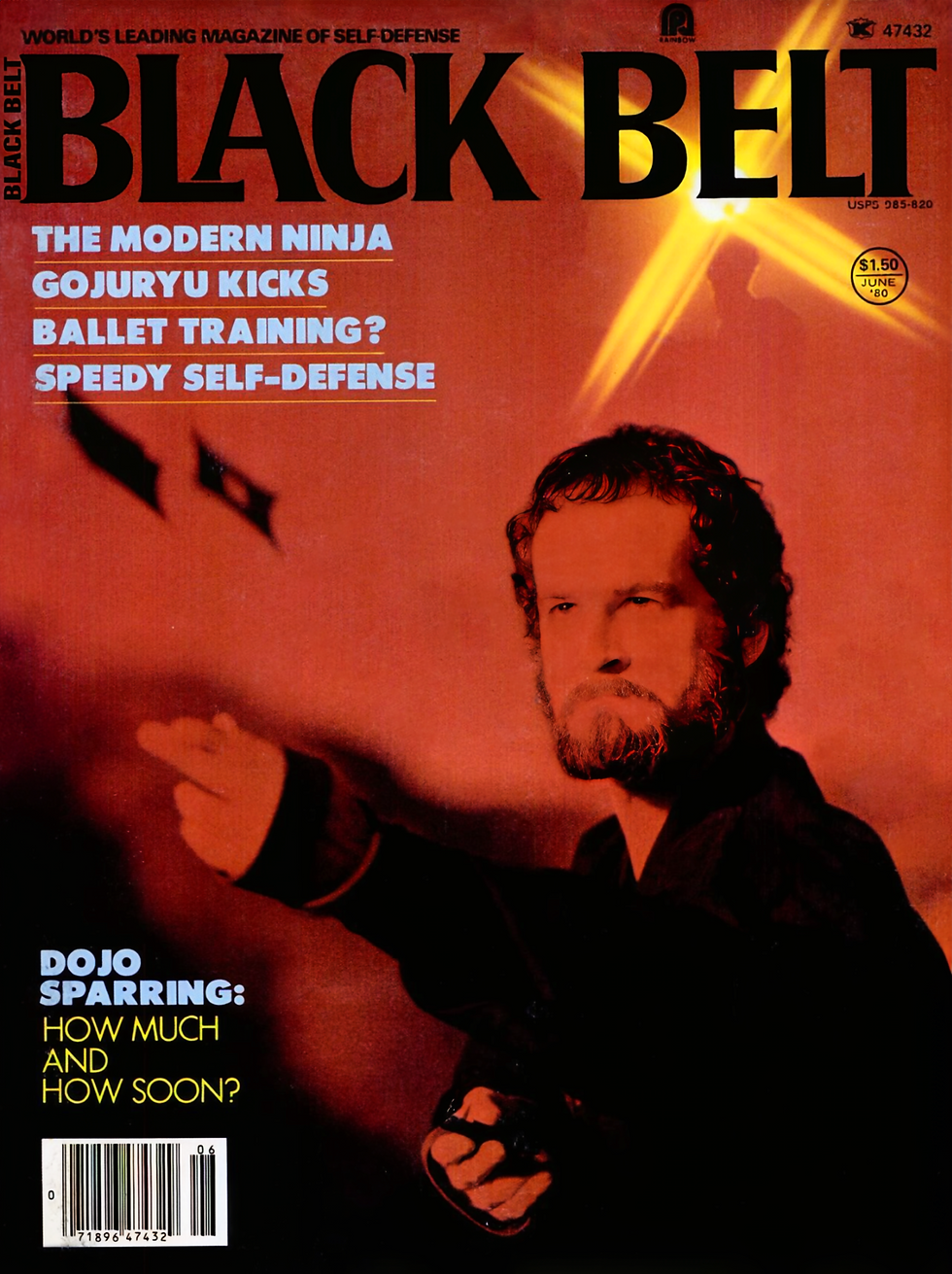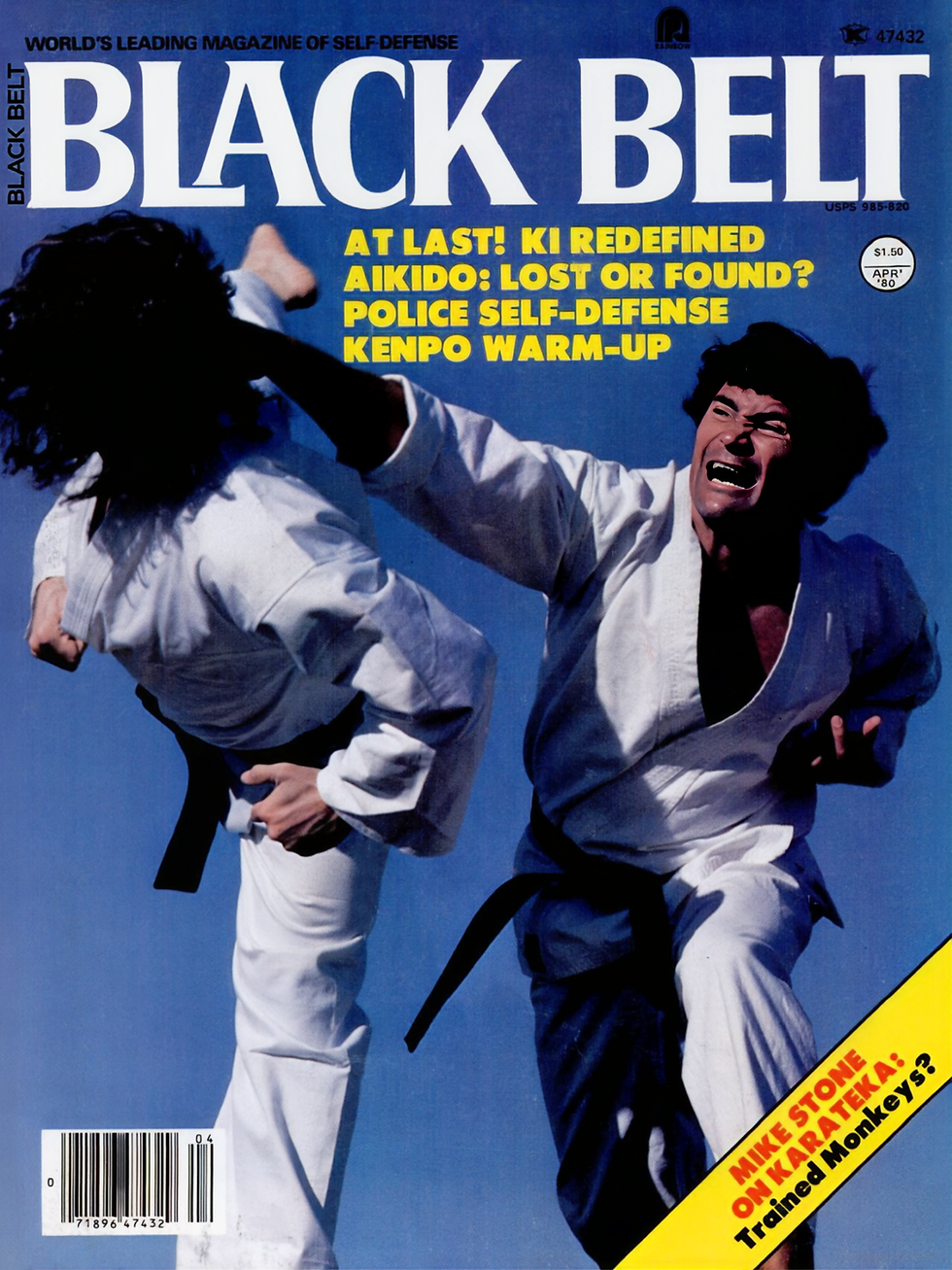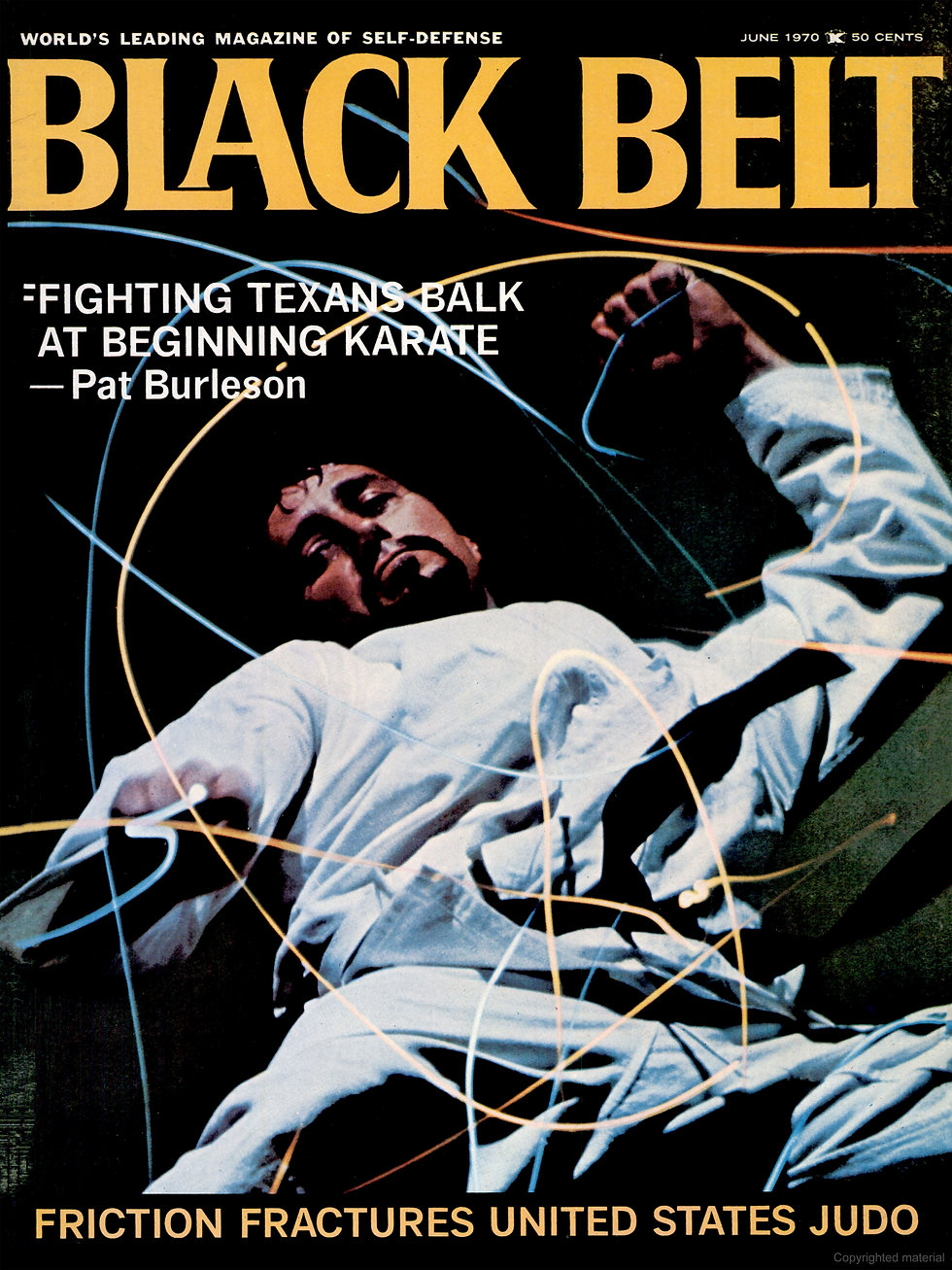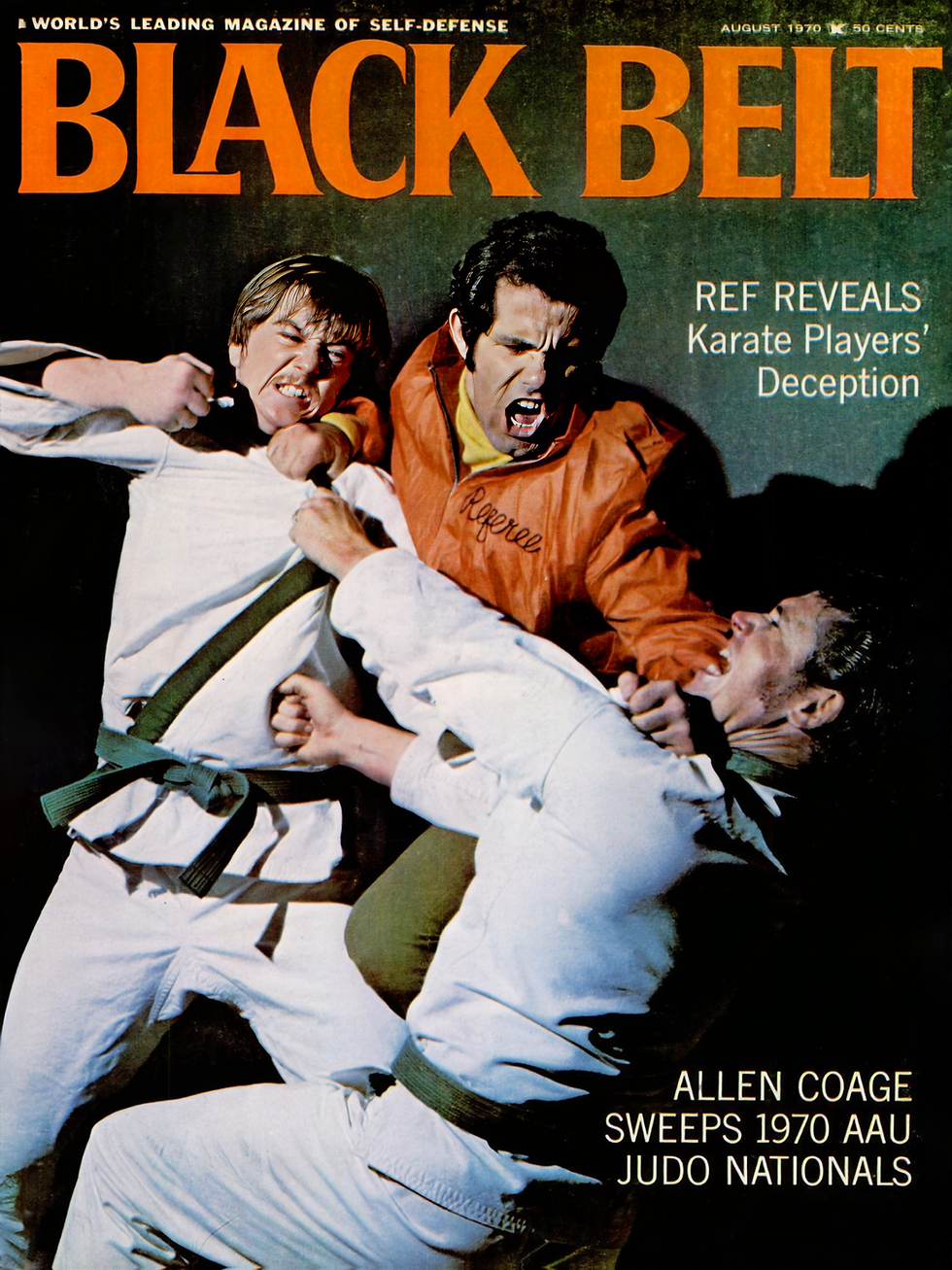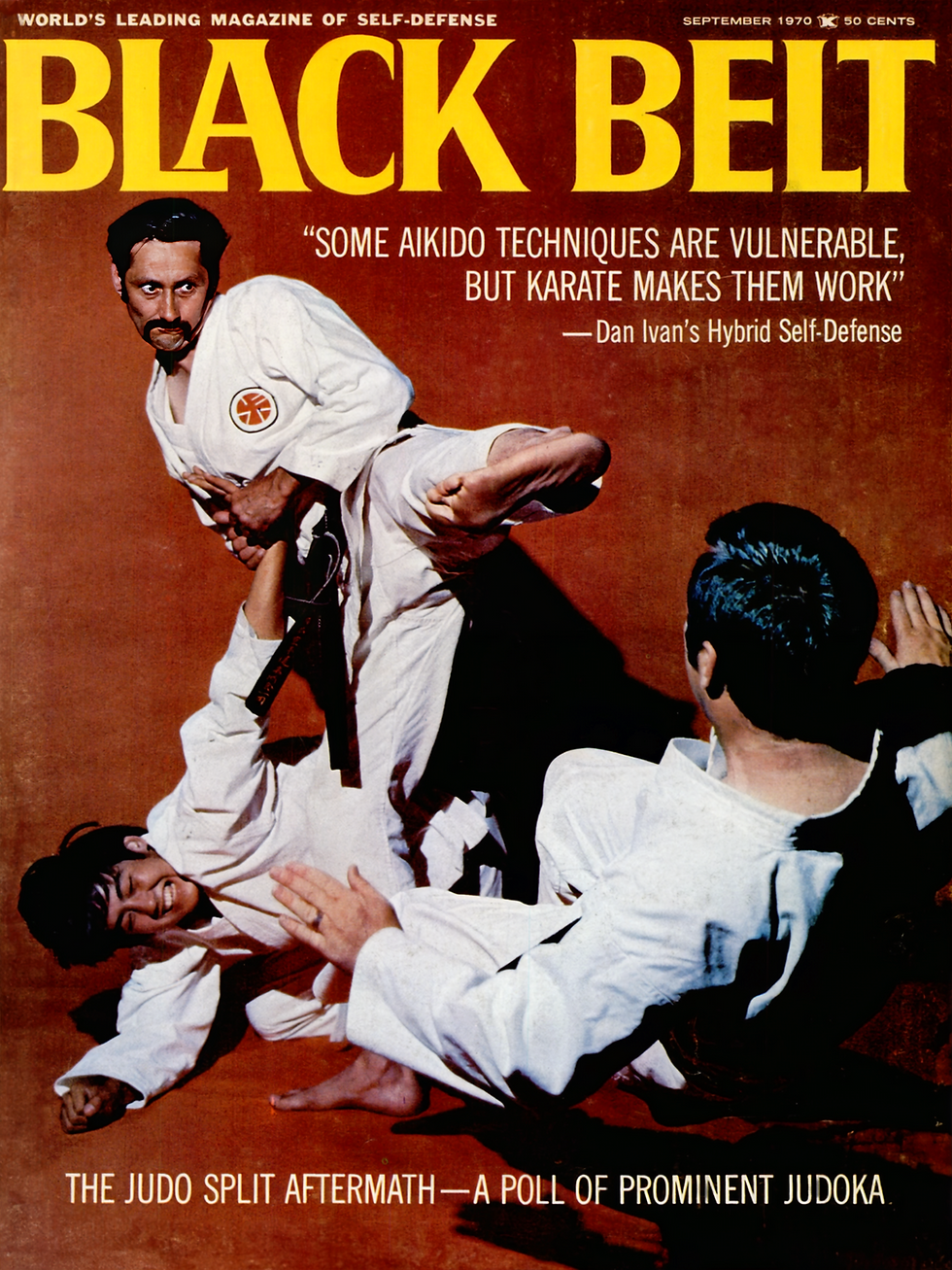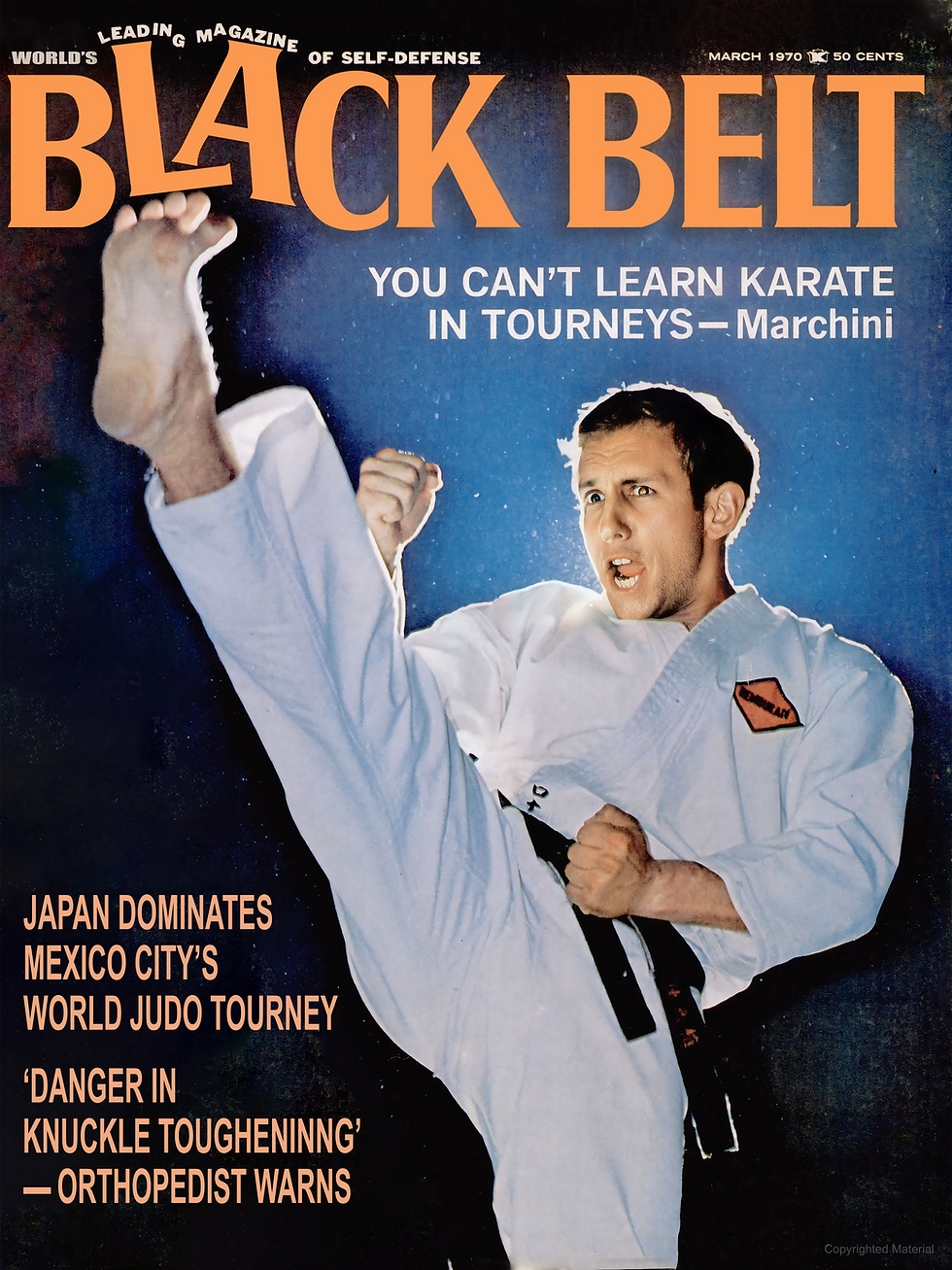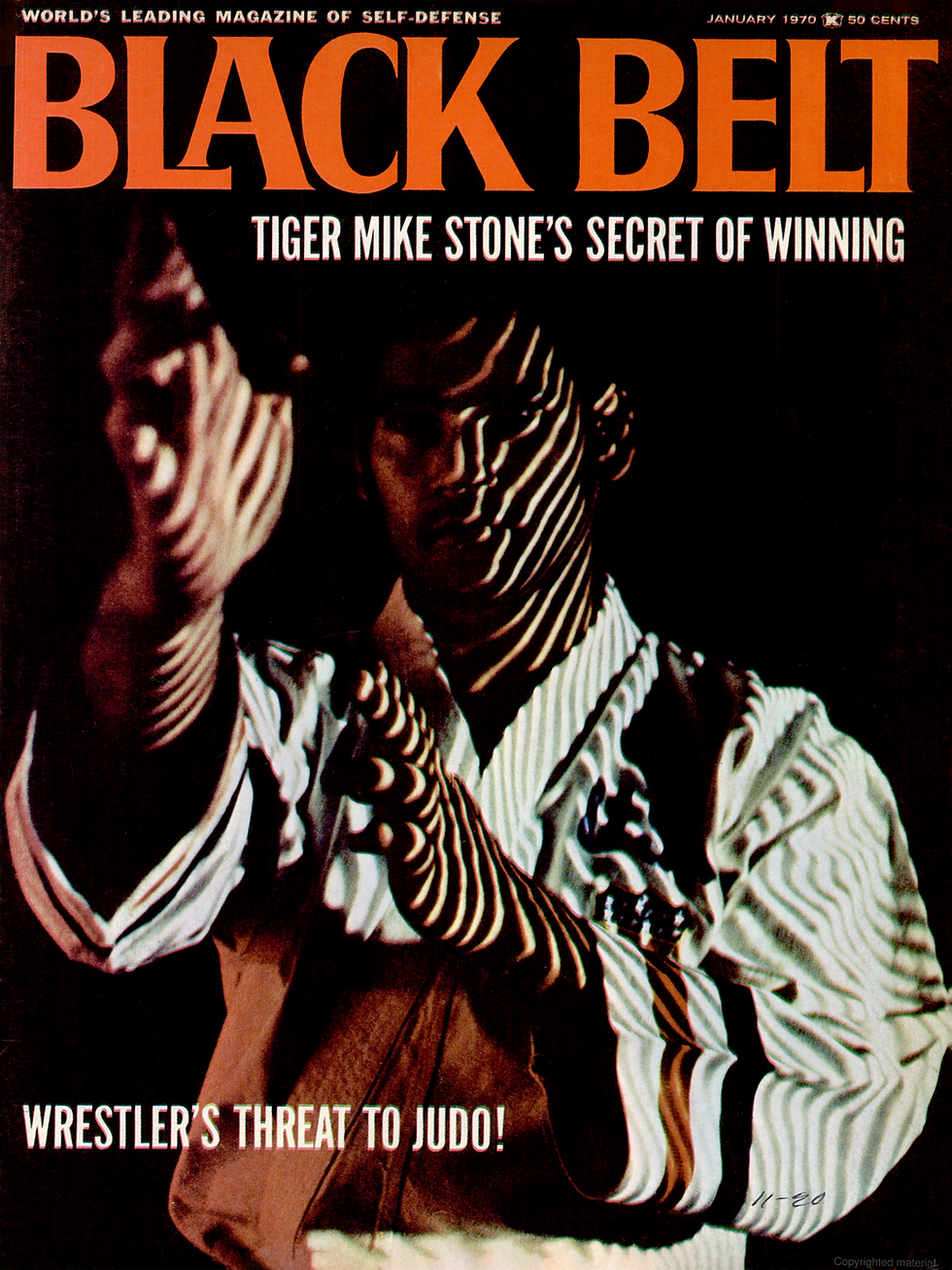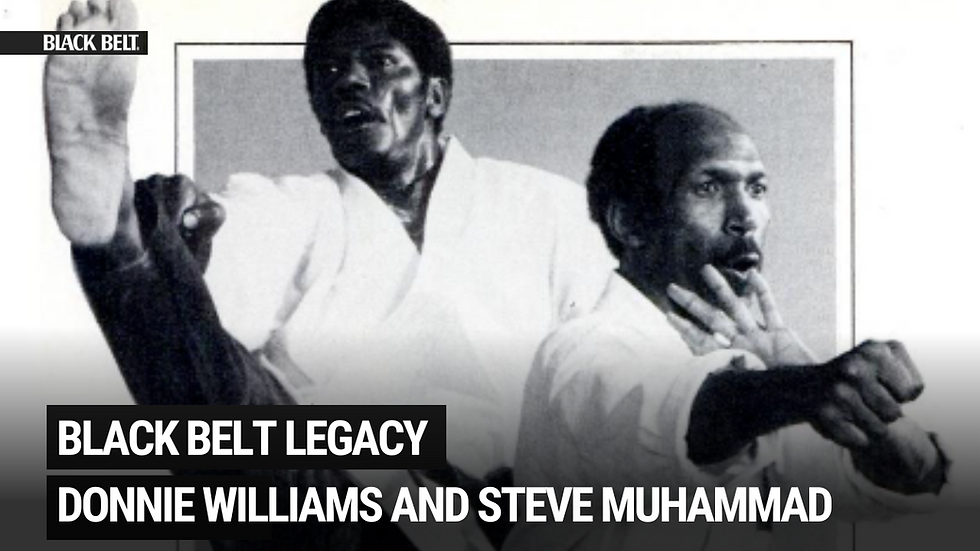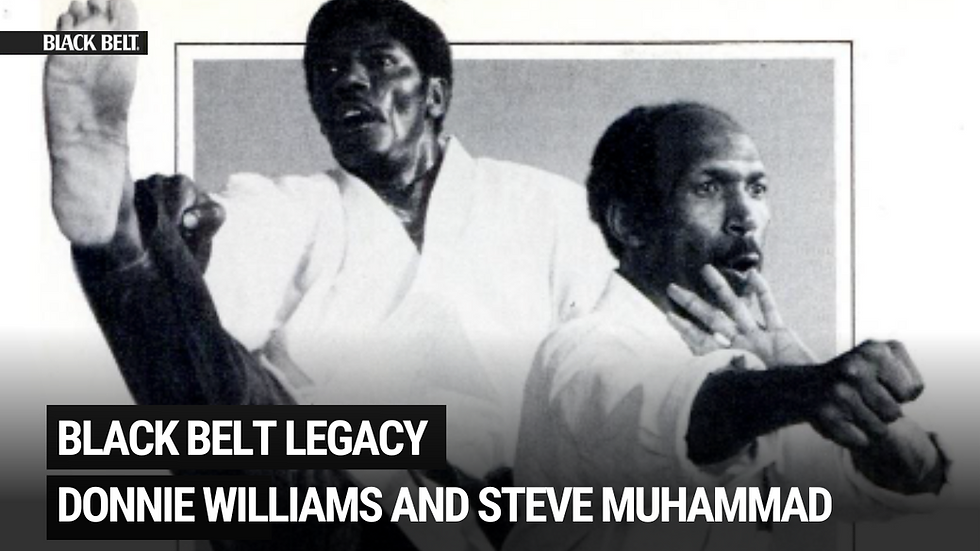
Donnie Williams and Steve Muhammad, two towering figures of the Black Karate Federation (BKF). Together, they formed a dynamic duo whose skill, charisma, and vision helped redefine not only the world of martial arts, but also the cultural identity of Black martial artists during the 1970s.
Williams and Muhammad entered martial arts from diverse backgrounds, each carrying with them unique fighting philosophies and cultural experiences. This diversity was emblematic of the BKF, itself a collective born from the recognition that martial arts was more than just technique; it was a cultural mosaic.
Kenpo karate became their shared language, but within it, they infused personal histories, traditions, and innovations. Their approach reflected both discipline and creativity, merging hard-earned fighting skills with a commitment to community empowerment.
Williams trained in Korean arts under Byong Yu, Muhammad trained in Kenpo under the Parker system.
The 1970s was a time of social upheaval and rising Black consciousness in America. For Black martial artists, visibility in mainstream martial arts was limited, and opportunities often carried the weight of stereotype. Williams and Muhammad shattered these barriers. Through relentless training, strategic brilliance, and unmatched performance, they emerged as champions in major karate tournaments.
They brought home victories that symbolized more than just medals, they were affirmations of Black excellence in a space that had long been exclusionary.
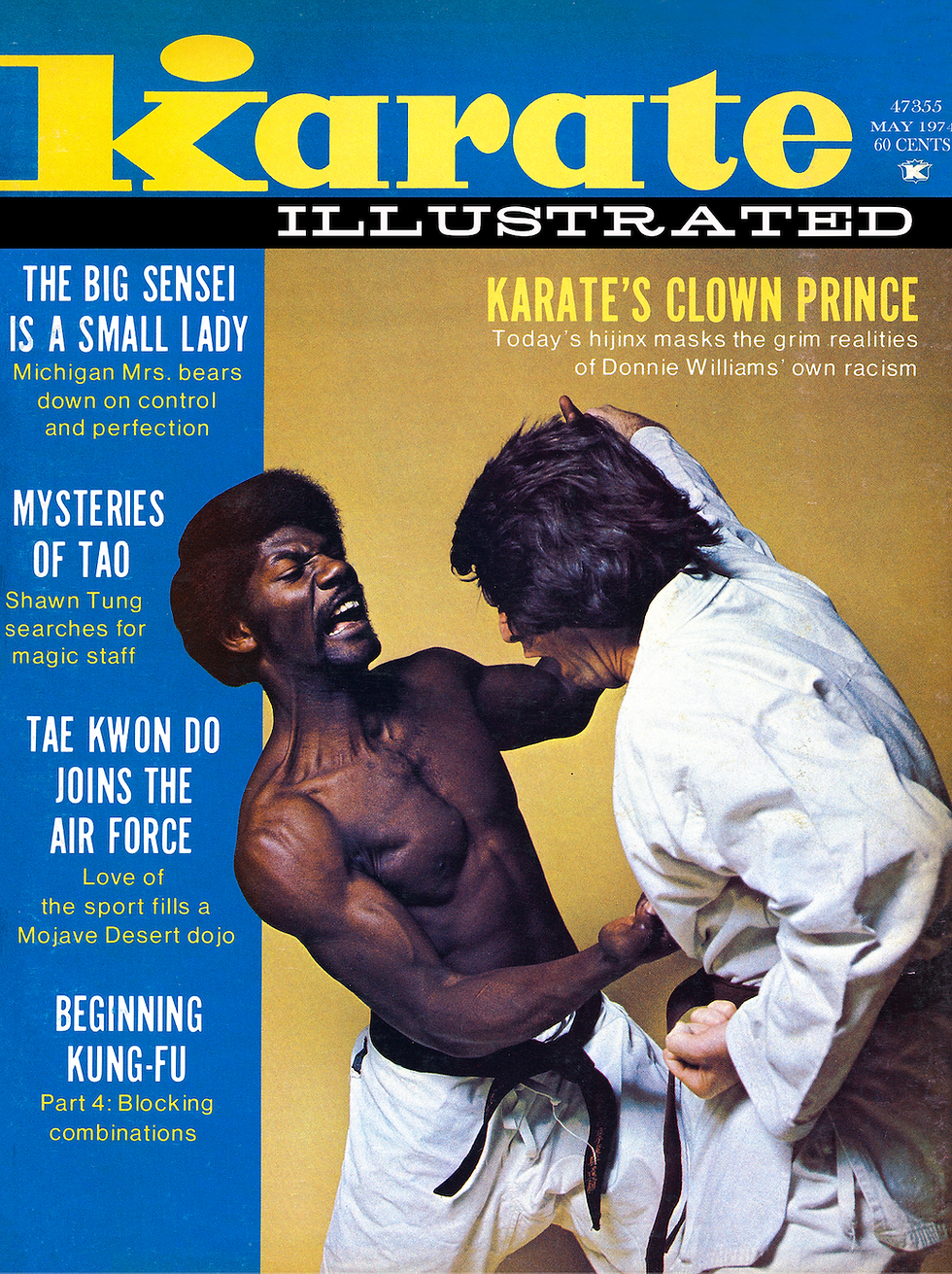
Their influence extended beyond the dojo and the tournament floor. Hollywood, caught up in the martial arts craze, opened its doors to them. Both Williams and Muhammad appeared in iconic films such as Enter the Dragon and Black Belt Jones, where their presence was more than cinematic spectacle, it was representation. For young Black audiences, seeing fighters who looked like them, commanding respect alongside martial arts legends, was revolutionary.

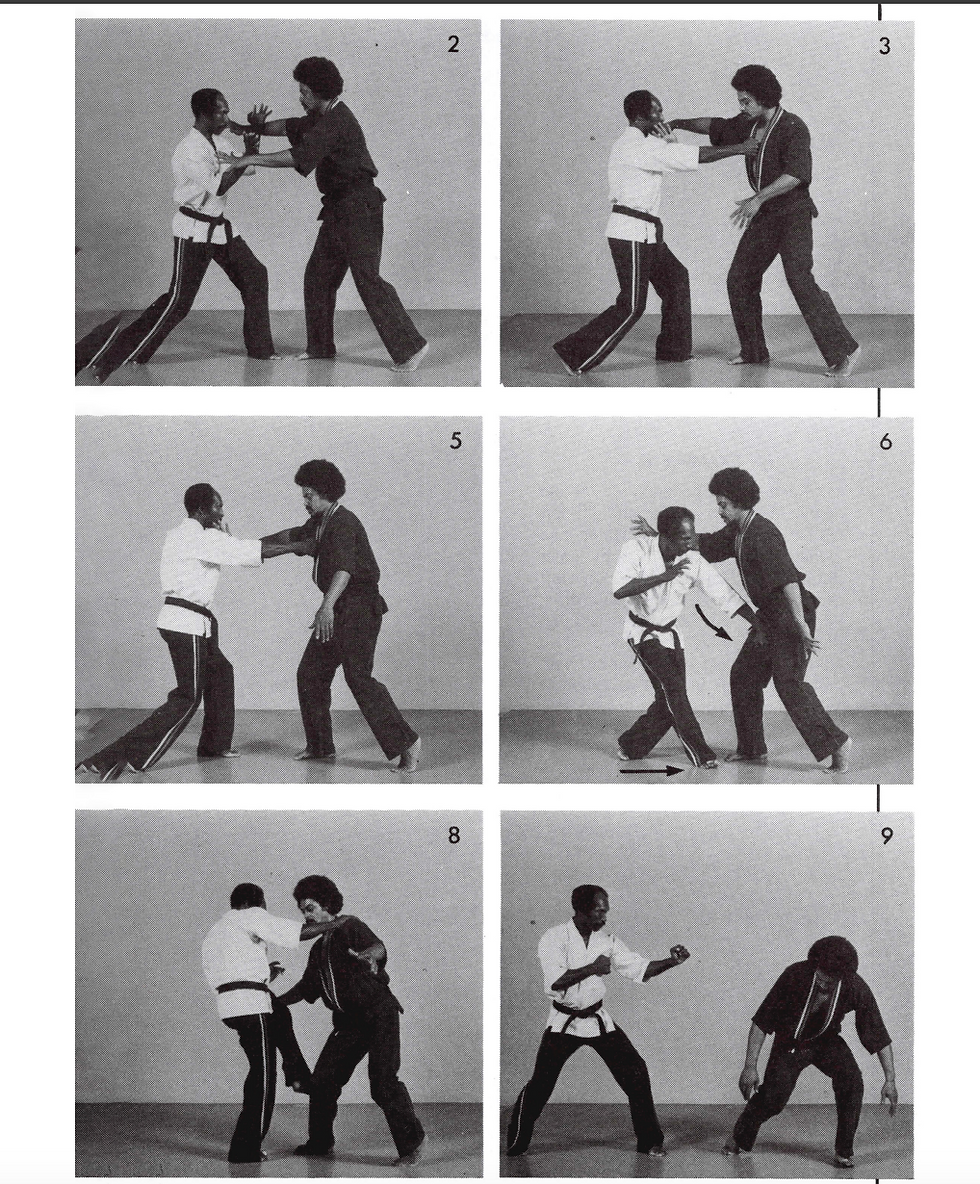
While trophies and film roles amplified their fame, the enduring legacy of Williams and Muhammad was solidified in the written word. Their book, Championship Kenpo Karate, became a cornerstone in martial arts literature. A manifesto of their style blending technical precision with cultural pride. The book allowed them to pass on their philosophy to a global audience, ensuring that their knowledge and contributions would outlive the fleeting spotlight of competition and cinema.
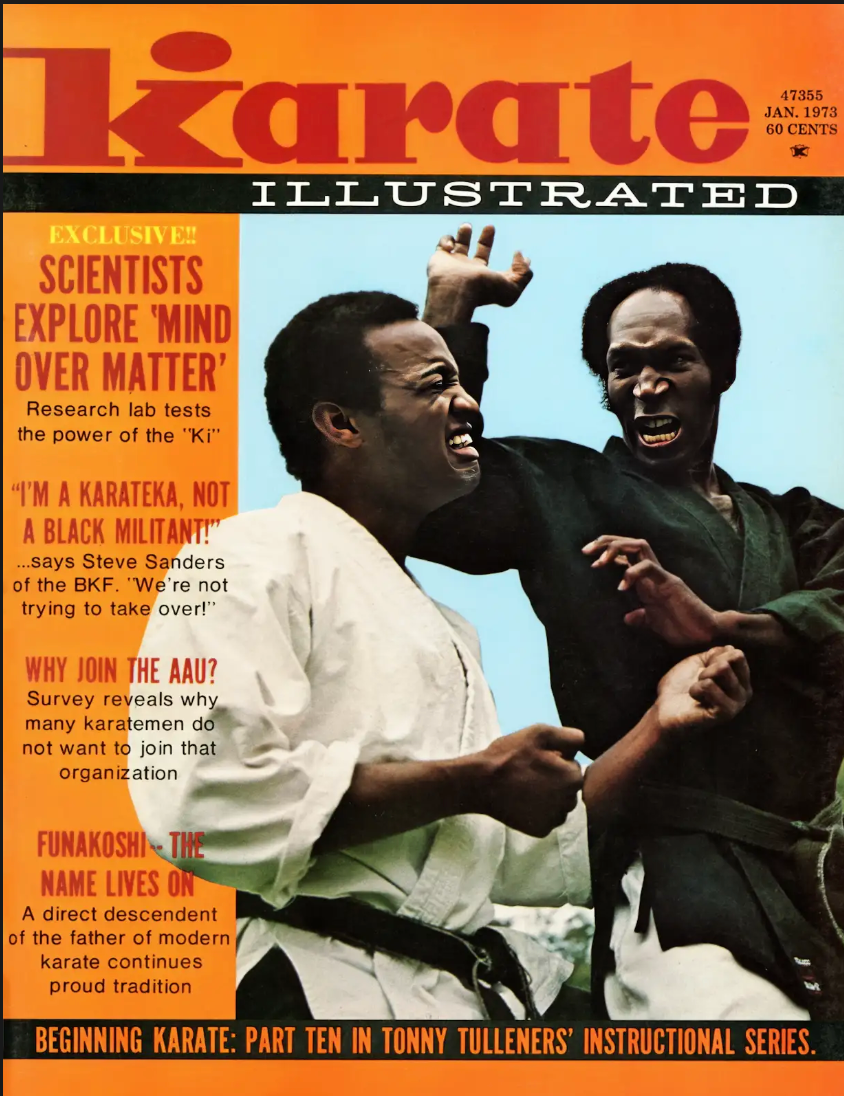
For many, Williams and Muhammad represented the pride of Black martial artists. They carried themselves not only as competitors but as cultural ambassadors, linking martial discipline with the broader movement of empowerment and representation.
Their influence inspired countless practitioners who followed in their footsteps, seeing in them a model of how martial arts could serve as a vehicle for personal transformation and community strength. Their mosaic of styles, their cinematic presence, and their written legacy remind us that martial arts is not merely about fighting it is about identity, resilience, and legacy.