Updated: Jul 23

February 28th, Women's boxing takes the world stage as the next generation Shera Mae Patricio (7-0, 3 KOs) will face former WBA female super flyweight world title holder, Maribel Ramirez (15-13-4, 3 KOs) on the All Women's Sports Network available on Amazon Prime, Hulu and DirecTV.
There was a time — not long ago — when women weren’t even allowed inside the gym.
Before televised headliners. Before sanctioned divisions. Before streaming deals and Saturday night broadcasts.
There were women who trained anyway.
They trained in borrowed ring time. They fought in exhibitions. They boxed when it wasn’t legal. They stepped between the ropes knowing the real fight wasn’t just across from them — it was the system itself.
The rise of women’s combat sports did not begin with television contracts. It began with defiance.
The Original Trailblazers: Before Permission Was Granted
Long before modern sanctioning bodies took women seriously, Barbara Buttrick was already fighting professionally.
Known as “The Mighty Atom of the Ring” and “Battling Barbara,” Buttrick was a pioneer in the truest sense. Competing in Canada and the United States before relocating to Dallas, Texas in 1957, she entered rings that were often hostile to the very idea of female prizefighters.

By the time she arrived in Texas, Buttrick had fought more than 1,000 bouts against men and logged 18 professional fights against women — staggering numbers even by today’s standards. Her career wasn’t built on novelty; it was built on activity, toughness, and an unapologetic refusal to step aside.
She fought because she could.
She fought because she would.
And in doing so, she carved out space in a sport that did not yet want her there.
The License to Fight
If Buttrick fought without permission, Marian Trimiar fought to institutionalize it.
Bronx-born and fiercely determined, Trimiar — known as “Lady Tyger” — compiled a professional record of 14-4, including five knockouts. But her greatest victory may have come outside the ring.

She became the first woman granted a professional boxing license by the New York State Athletic Commission.
That achievement cannot be overstated. For years, women fought in exhibitions because sanctioned bouts were illegal. Trimiar began boxing right out of high school at age 18, stepping into exhibition matches at a time when official recognition simply did not exist.
She didn’t just win fights.
She helped change policy.
In an era when promoters dismissed women’s boxing as unmarketable, Trimiar organized, advocated, and demanded equitable treatment. She represents a critical bridge between the outlaw spirit of earlier pioneers and the sanctioned legitimacy that would follow.
Fighting Before It Was Fashionable
In the late 1970s — long before films like Million Dollar Baby made female fighters culturally acceptable — Lilly Rodriguez was already stepping into combat arenas.
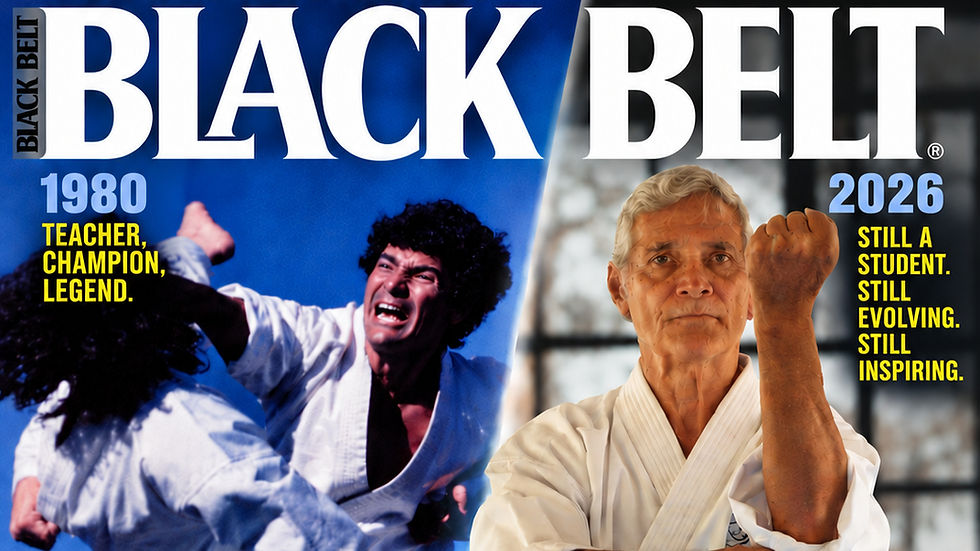
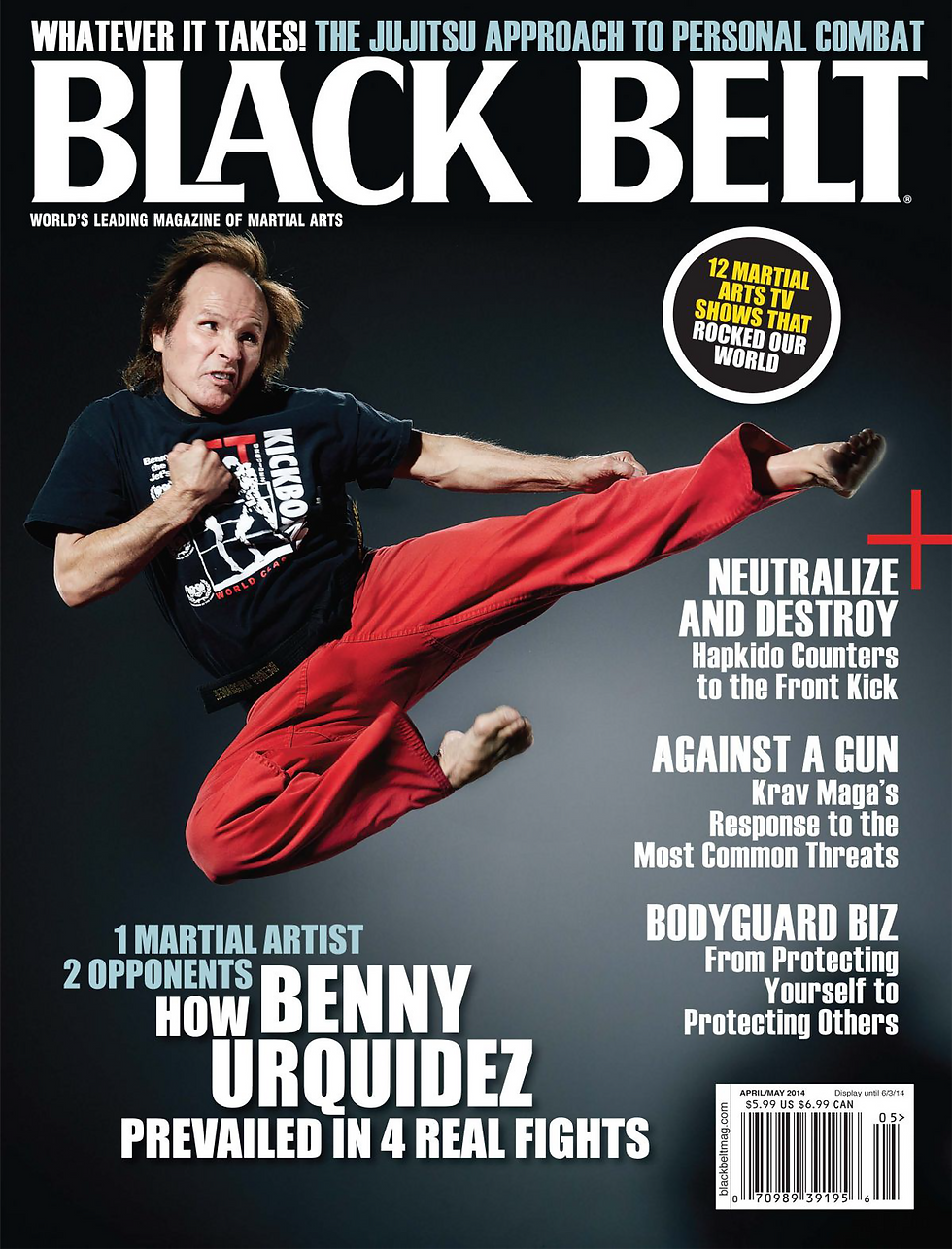
Combat sports ran in her blood. She was the daughter of a female wrestler and a boxer. She was the sister of Arnold and Benny Urquidez, the legendary “The Jet.” She later married a kickboxer. Fighting wasn’t a phase — it was family tradition.

Rodriguez rose to prominence during a time when female participation in full-contact competition was far from normalized. She didn’t benefit from broad media campaigns or mainstream applause. Instead, she competed because martial arts culture — real martial arts culture — has always respected skill above all.
These women were not waiting for cultural approval. They were building competence.
The Pioneer Era of Modern Kickboxing
By the 1980s, athletes like Graciela Casillas elevated the visibility of women’s full-contact fighting.
A six-time world champion, Casillas didn’t just participate — she dominated. But like those before her, she often found herself on cards where women’s bouts were considered side attractions.
Her performances eliminated that perception.

Technically sharp and strategically disciplined, Casillas proved that women’s fights could be as compelling, skilled, and intense as any men’s division.
If Buttrick broke barriers and Trimiar secured licenses, Casillas solidified legitimacy.
The 1990s: Skill Meets Spotlight
The 1990s brought a new dimension: crossover appeal.
Kathy Long, undefeated world champion, transitioned from ring excellence to action film visibility. She represented a shift in perception — female fighters were not just athletes; they were marketable personalities capable of carrying mainstream attention.

Tournament competitors like Linda Denley, Christine Bannon and Arlene Limas further strengthened the competitive ecosystem. The depth of talent was undeniable. The skill level was rising.

The infrastructure, however, still lagged behind.
The Breakthrough Era
When Ronda Rousey entered the Ultimate Fighting Championship, the long-standing narrative that women “couldn’t sell” collapsed.

Rousey headlined events. She drove pay-per-view buys. She became a cultural figure.
But her moment was not isolated — it was cumulative. It stood on decades of resistance and refinement.
Even today the world is wild for women's combat as Netflix announced the match up with Gina Carano.
The women of the 1950s fought unofficially. The women of the 1970s fought illegally. The women of the 1980s fought skeptically. The women of the 1990s fought visibly.
By the 2010s, they were fighting as main events.
The Saturday Night Era
Today, the sport enters another phase.
With the launch of a fully dedicated women’s boxing series on AWSN TV Network, airing Saturday nights, the model shifts from occasional showcase to consistent platform.
This is what sustainability looks like.
Not a novelty bout. Not a one-time headline. But a recurring stage built specifically for women’s boxing.
The Next Generation: Shera Mae Patricio
Among the rising athletes stepping into this spotlight is Shera Mae Patricio.

Undefeated and forged in the tough environment of Waianae, Hawaii, Patricio embodies the modern archetype: technically sound, mentally hardened, and fully aware of the lineage behind her opportunity.
Her championship pursuit unfolds in a world fundamentally different from the one Barbara Buttrick entered.
Patricio does not have to fight for a license. She does not have to fight for legality. She does not have to fight for airtime.
She fights for titles.
Legacy in Motion
Women’s combat sports were not handed legitimacy.
They earned it — through bruised knuckles, denied applications, exhibition bouts, empty purses, and relentless advocacy.
From Barbara Buttrick’s thousand-plus battles…To Marian Trimiar securing licensure in New York…To Lilly Rodriguez competing before culture caught up…To Graciela Casillas proving championship caliber…To Kathy Long bringing martial arts to mainstream screens…
To Ronda Rousey headlining global events…
Each era added another layer of permanence.
Today, when the bell rings on Saturday night broadcasts dedicated entirely to women’s boxing, it does so with history in the corners. The women of the past fought for entry.
The women of the present fight for dominance. And the next generation — visible, televised, and undefeated — fights for legacy. The evolution is no longer theoretical.
It is happening under the lights.
AWSN is available around the world. See website - WEBSITE