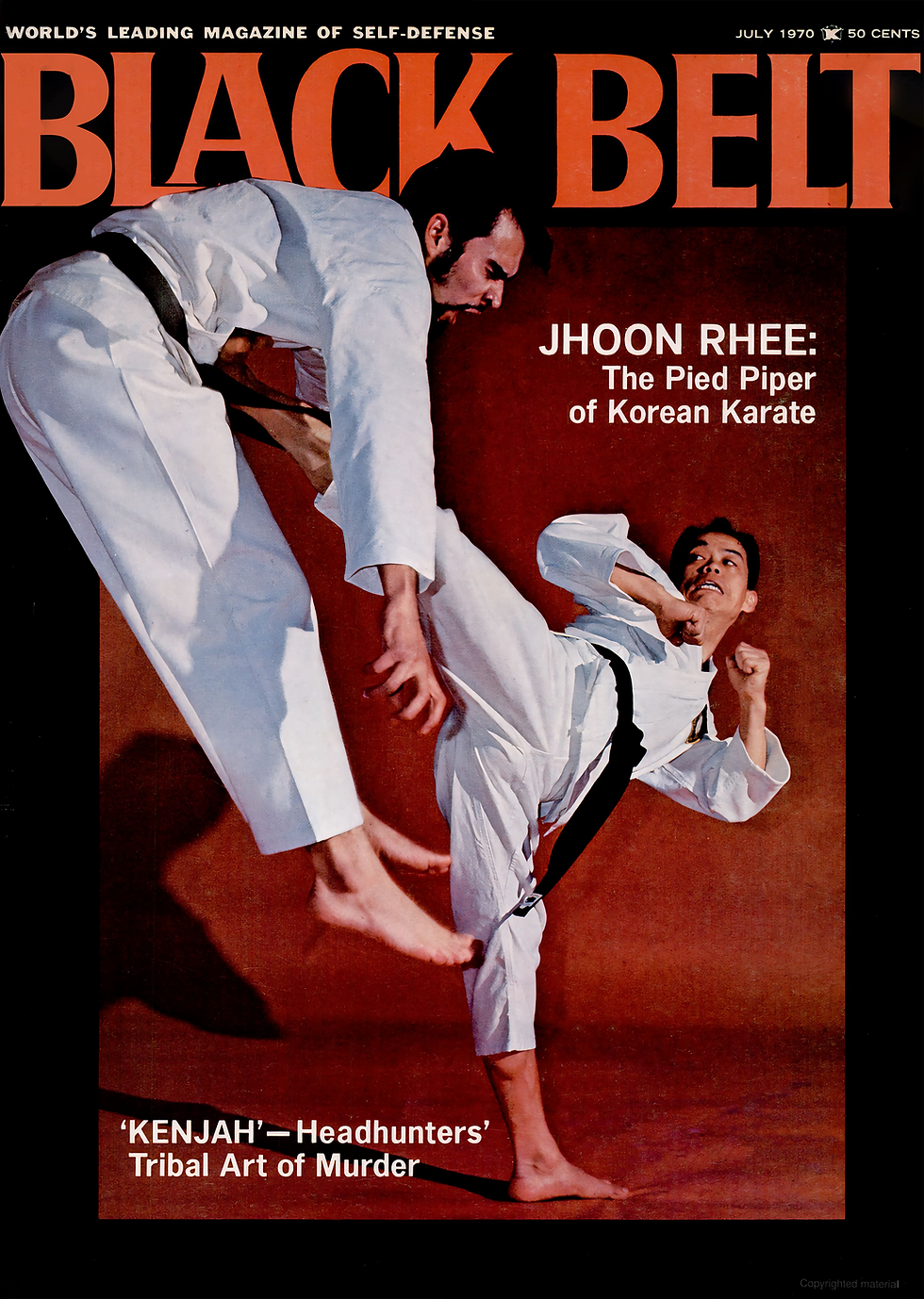
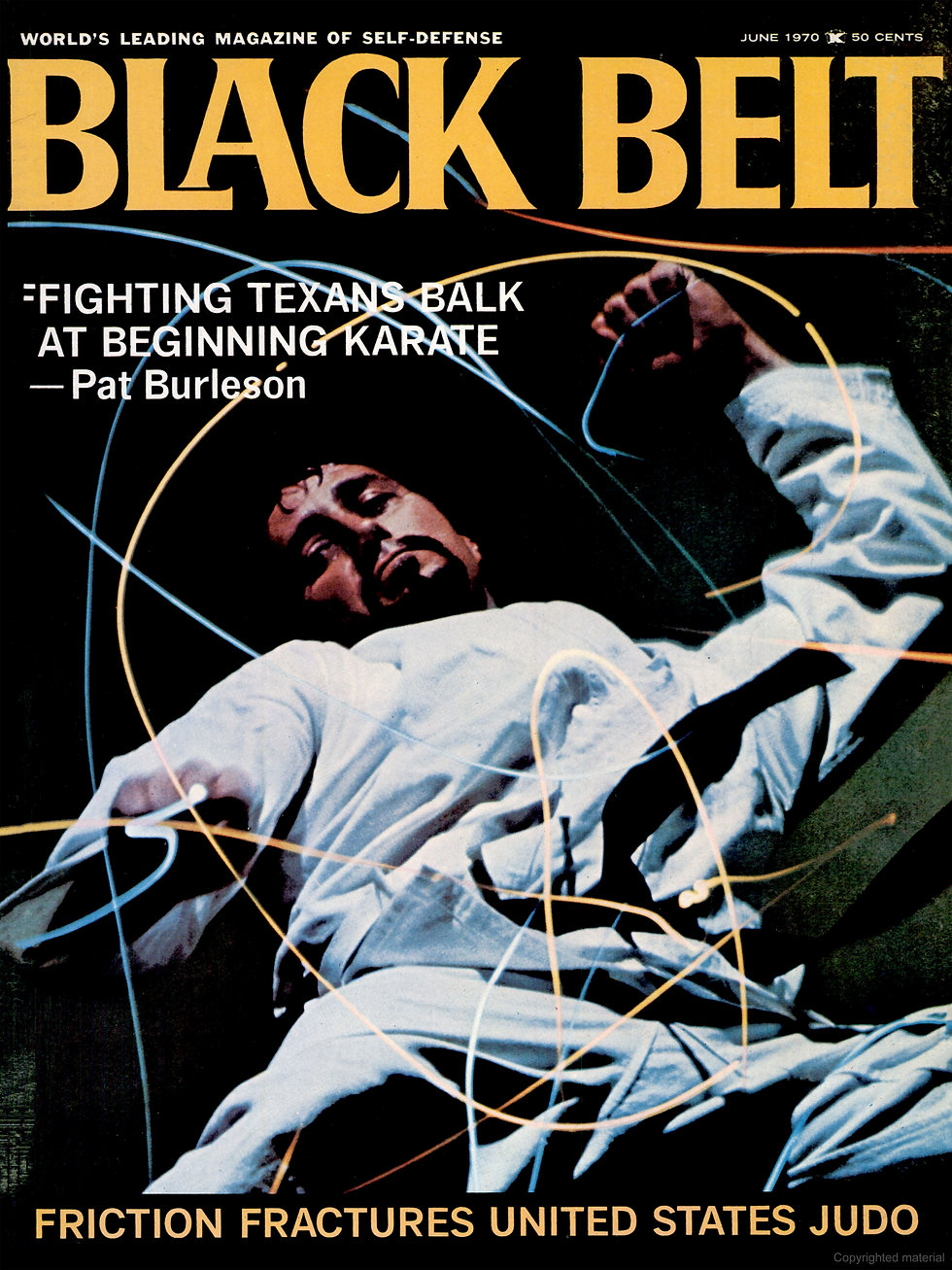
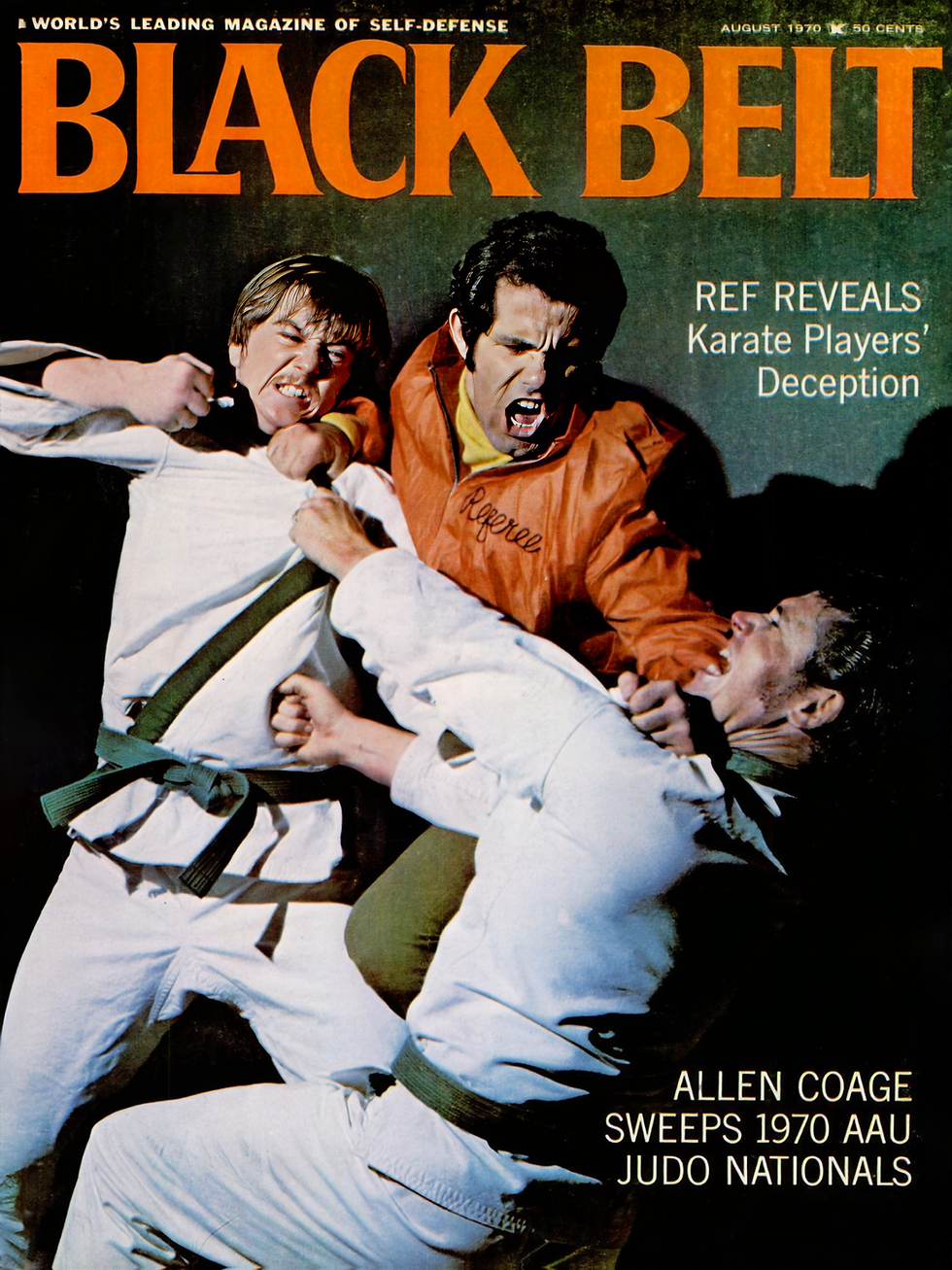
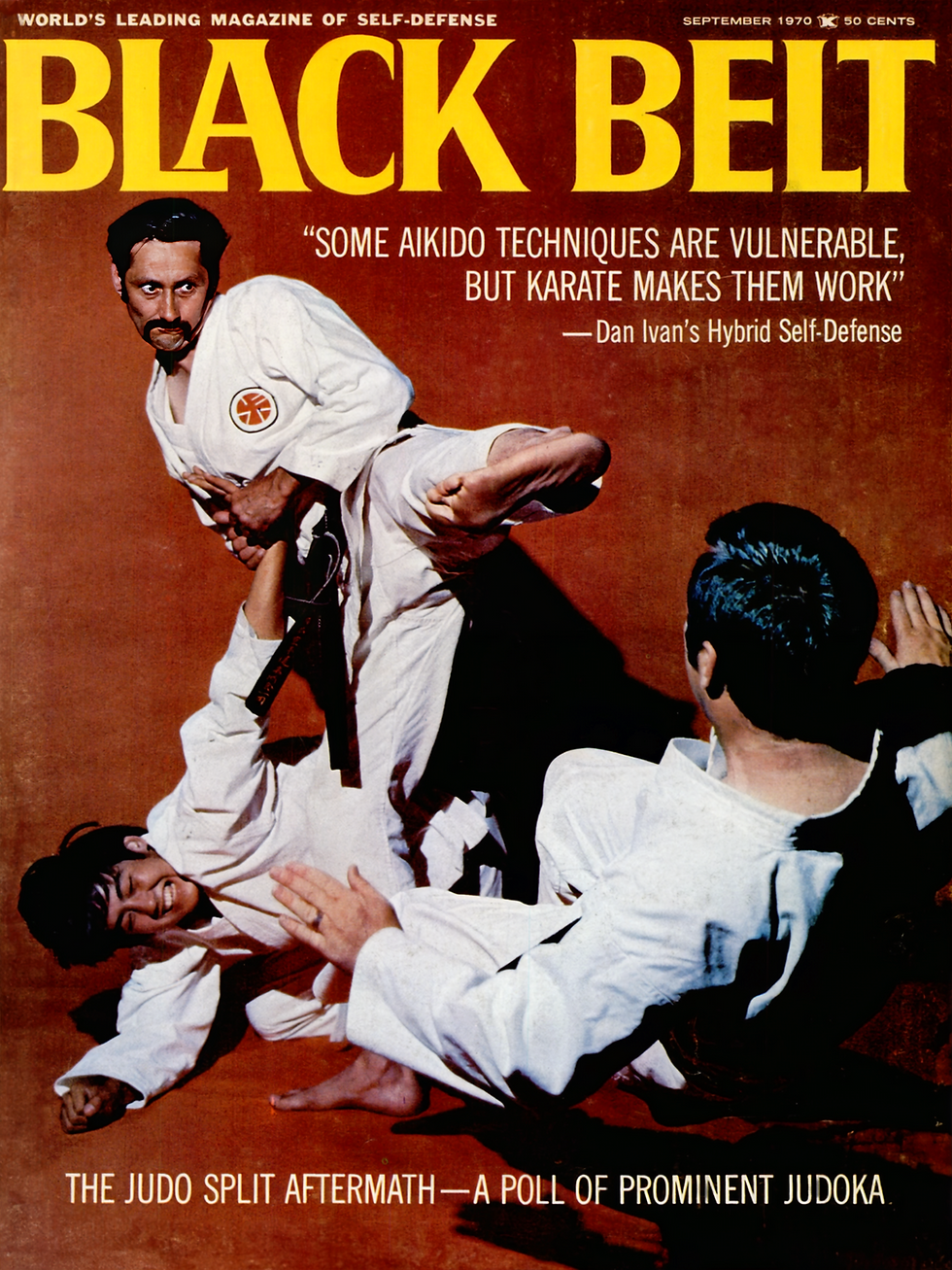
In the years following World War II, martial arts existed largely in whispers—passed from military servicemen returning from Japan, practiced quietly in small community centers, and demonstrated before audiences who had never seen a reverse punch or front kick. Few could have imagined that within a generation, karate schools would stand in nearly every major city across America.
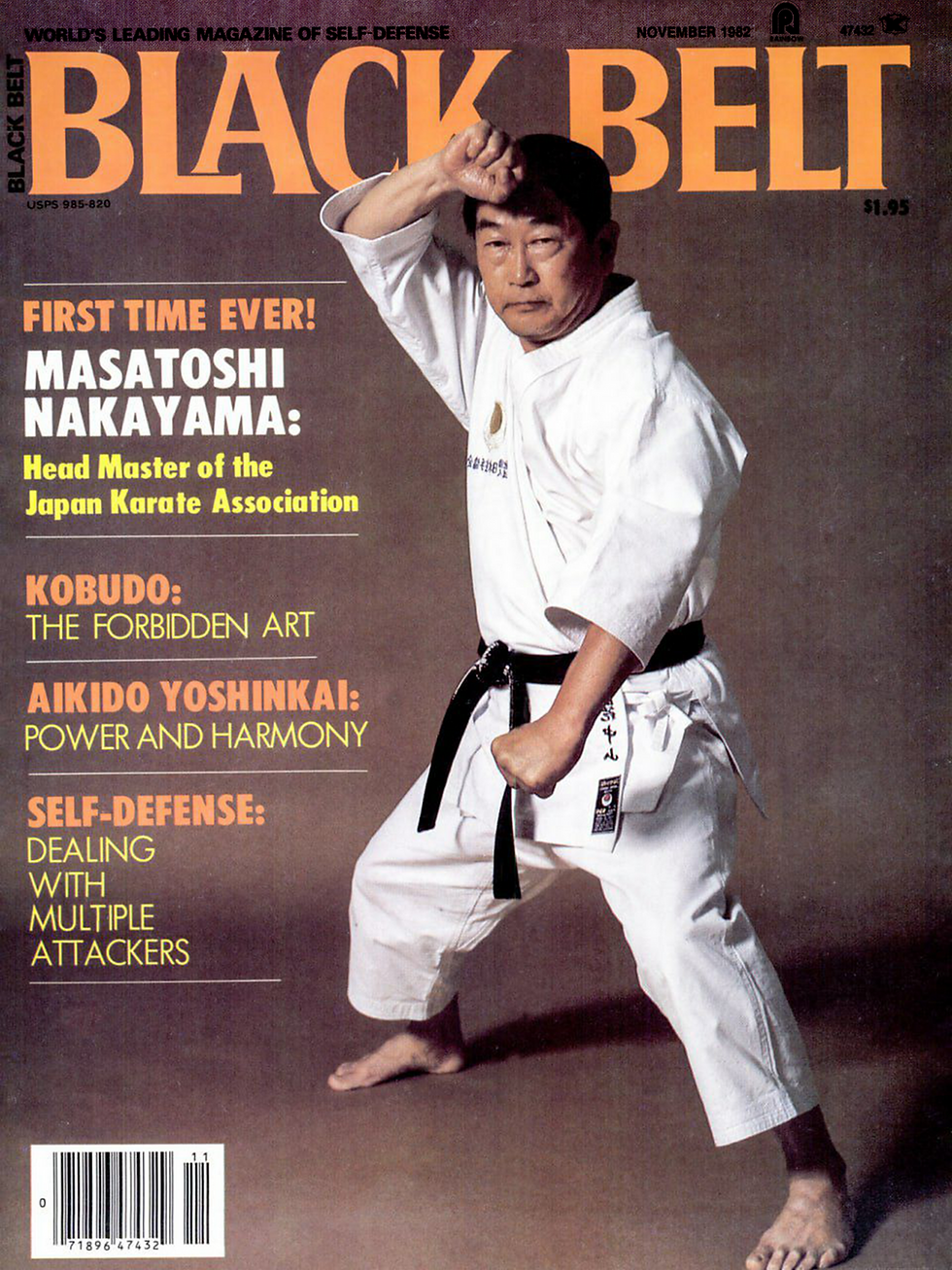
At the center of that transformation stood a quiet Japanese instructor named Masatoshi Nakayama.
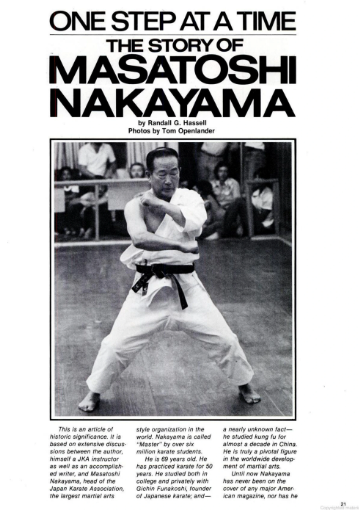
He wasn't the loudest voice in the dojo. He wasn't interested in celebrity. He wasn't building a brand.
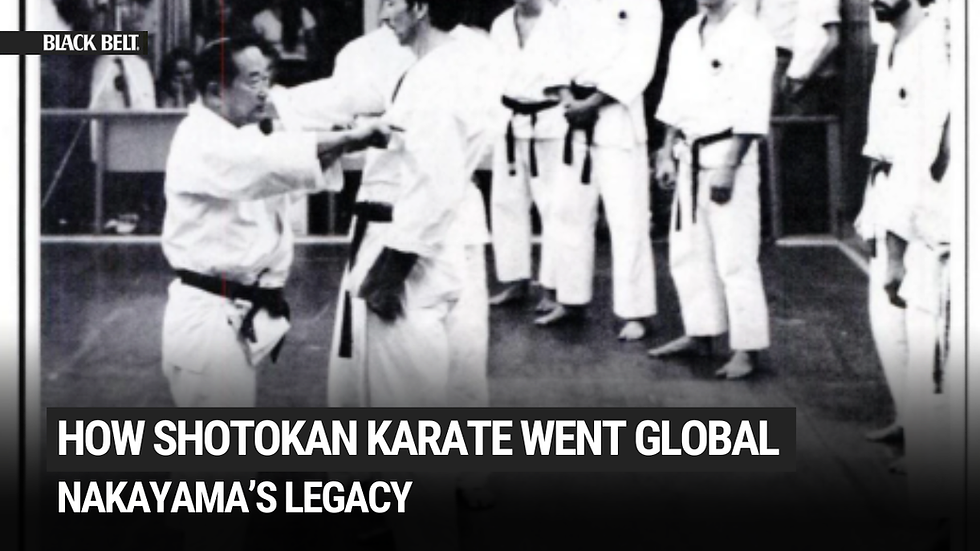
He was building a standard. When Nakayama first stepped into Gichin Funakoshi's dojo at Takushoku University in the early 1930s, karate was still evolving from its Okinawan roots into what would become a modern Japanese martial art. Funakoshi had introduced karate to mainland Japan, but there was no blueprint for teaching it to the world.
Nakayama saw that future before most others did.

He understood that if karate was going to survive beyond Japan, it couldn't rely on a handful of extraordinary teachers. It needed a system that any dedicated instructor could follow without losing the art's spirit.
That idea would change martial arts forever.
Following World War II, as Japan began rebuilding, Nakayama helped transform the newly formed Japan Karate Association into something no martial art had attempted before—a professional institution dedicated to developing instructors, refining curriculum, and maintaining technical excellence.

Instead of asking students to simply imitate movement, he broke techniques apart.
Why did the hips rotate this way?
How did balance create power?
What role did timing play in speed?
Working alongside sports scientists, Nakayama blended centuries of martial tradition with modern biomechanics, helping practitioners understand not only how to perform a technique—but why it worked.
For karate, it was revolutionary.
As Shotokan instructors began leaving Japan for Europe, Africa, South America, and the United States, they carried more than kata and kumite.
They carried Nakayama's vision.
Names like Hidetaka Nishiyama, Teruyuki Okazaki, Takayuki Mikami, Keinosuke Enoeda, Taiji Kase, and Hirokazu Kanazawa became pioneers in countries where karate was still largely unknown.
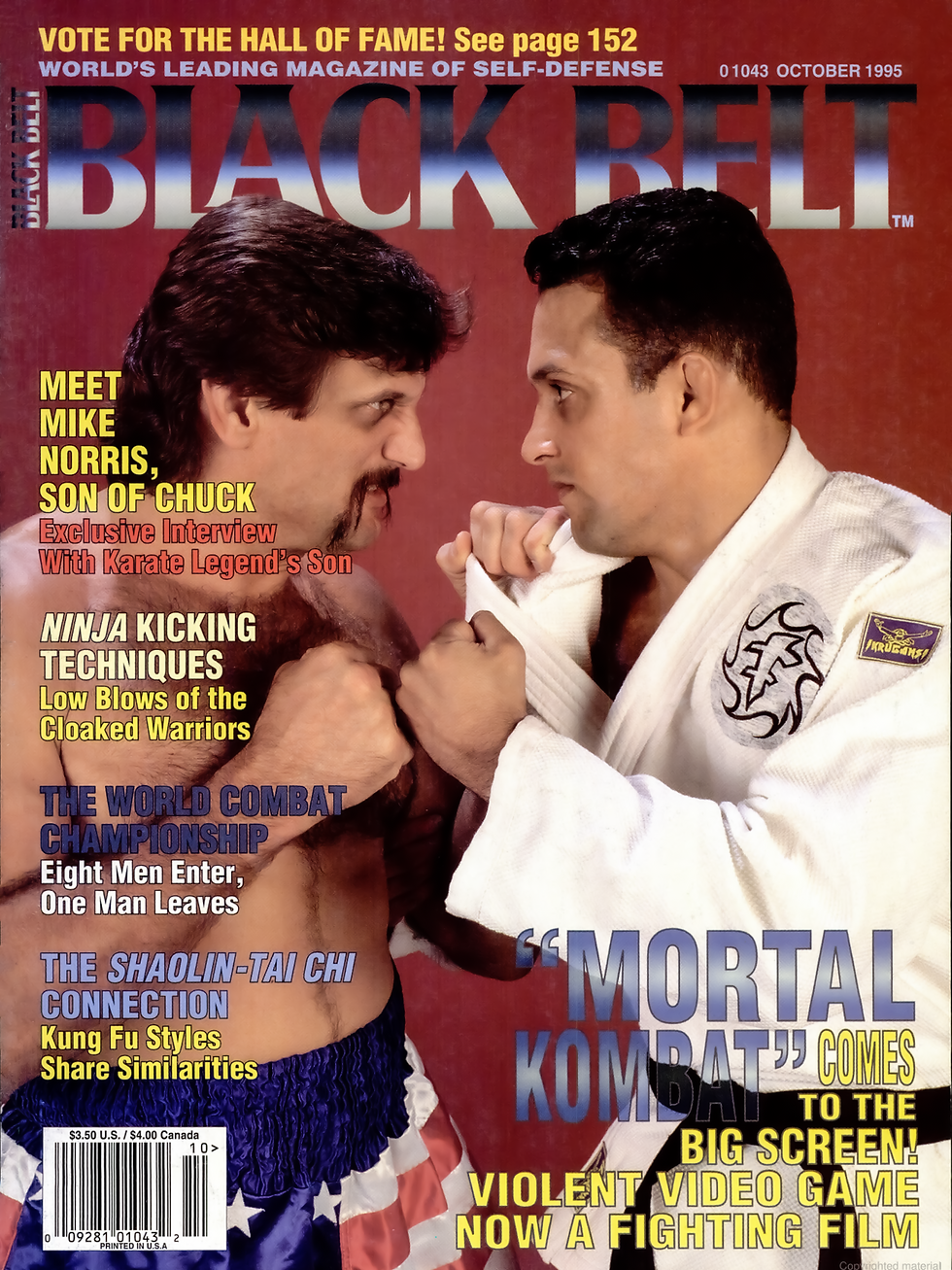
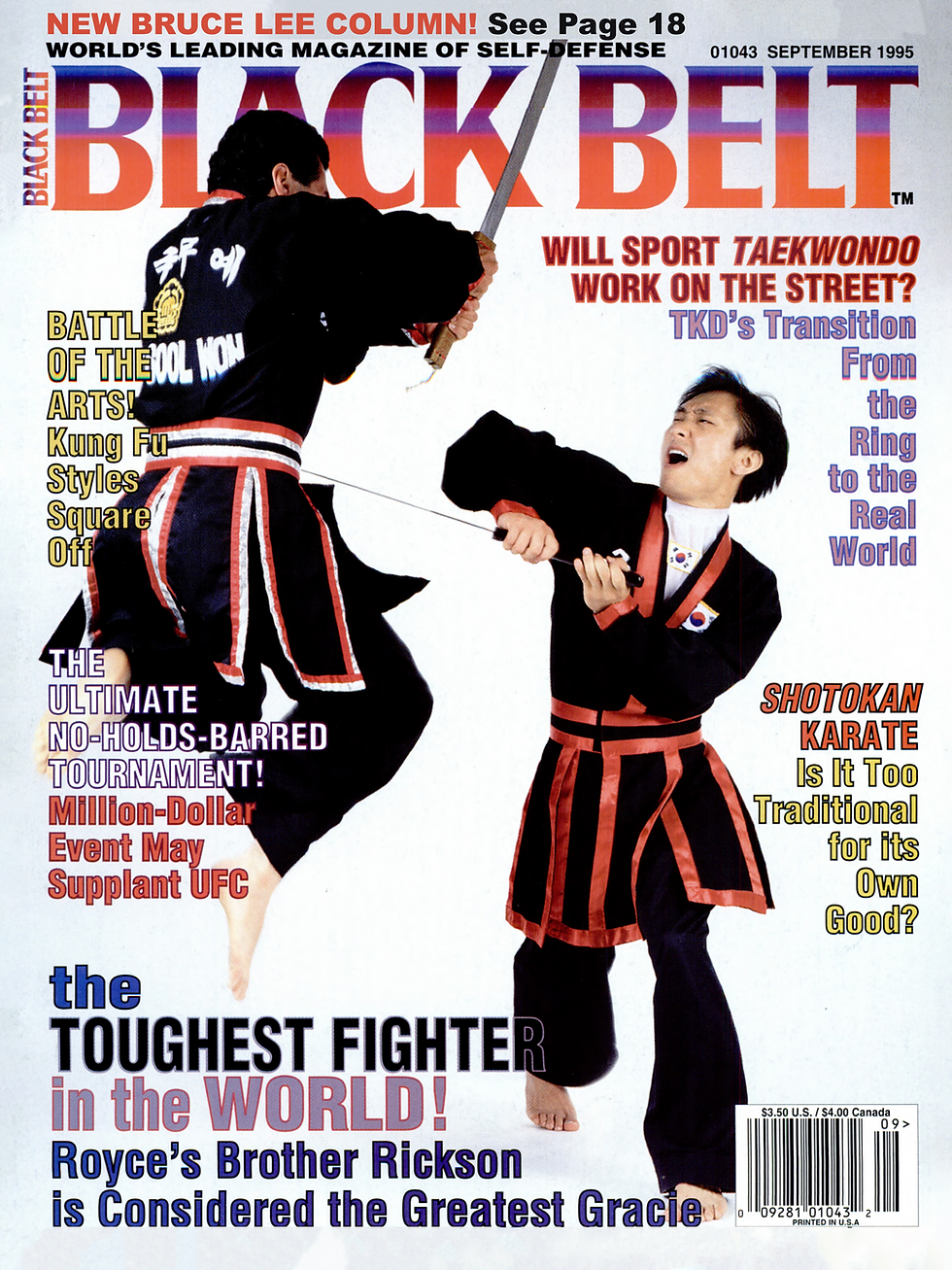
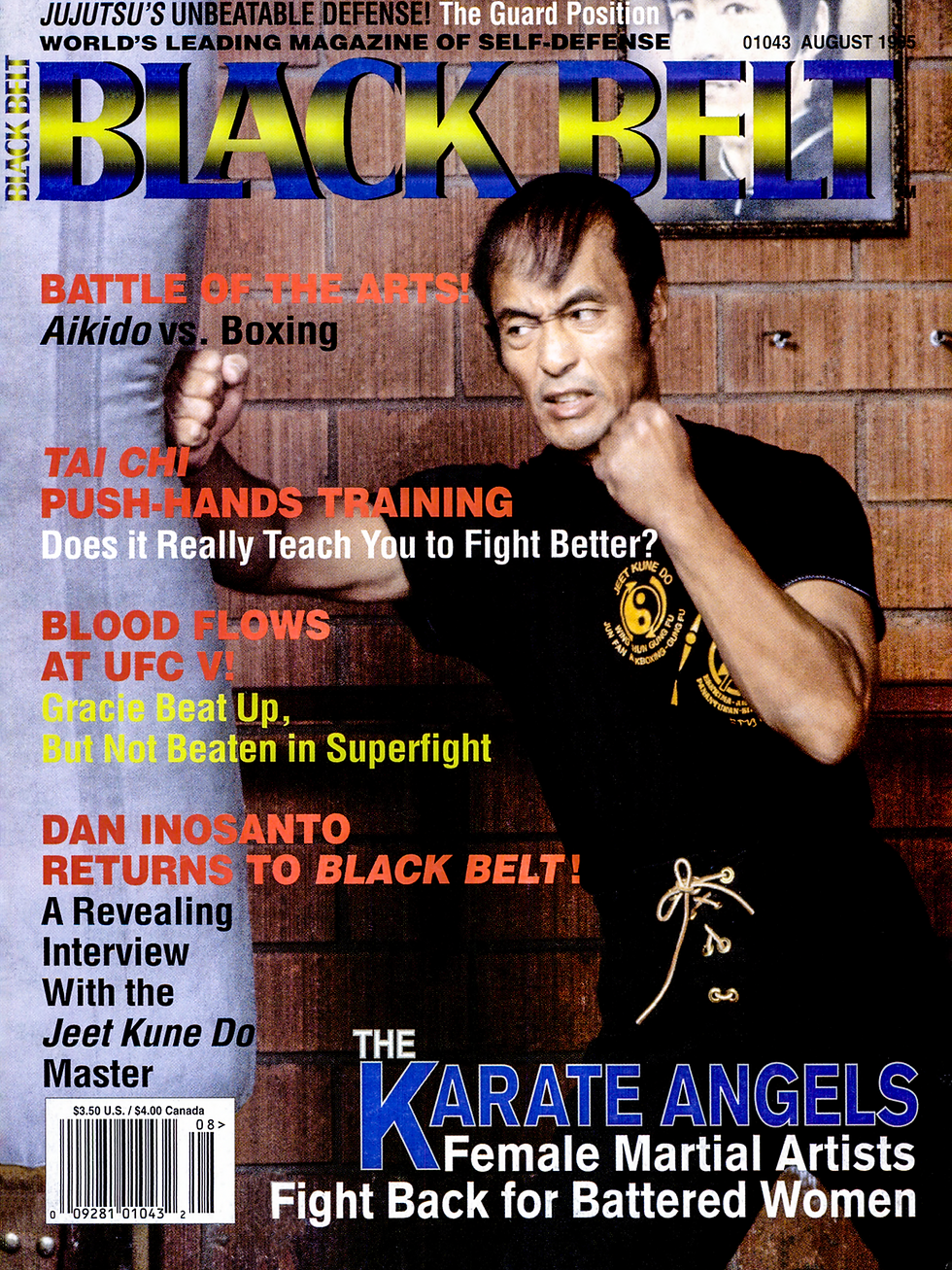
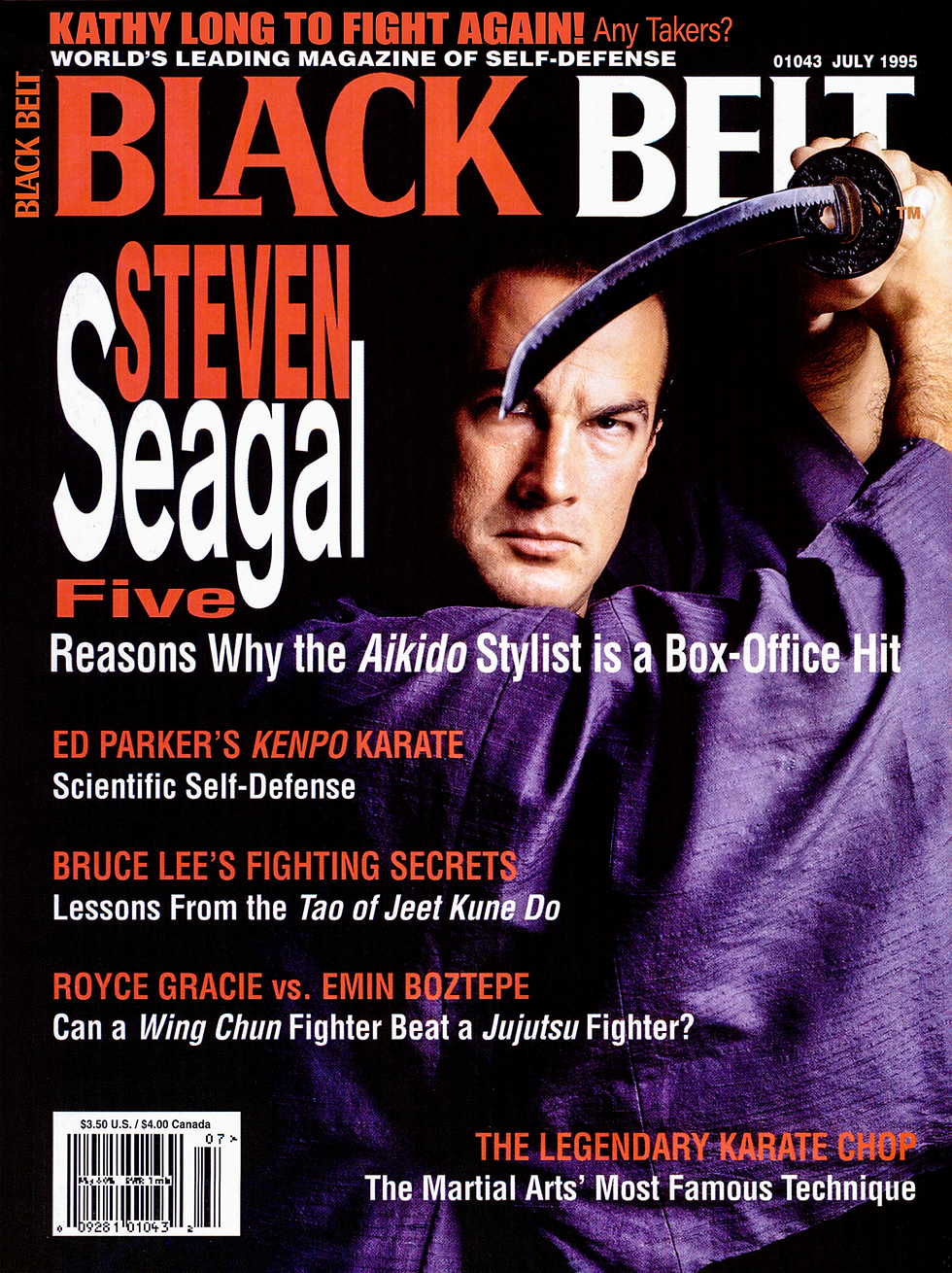
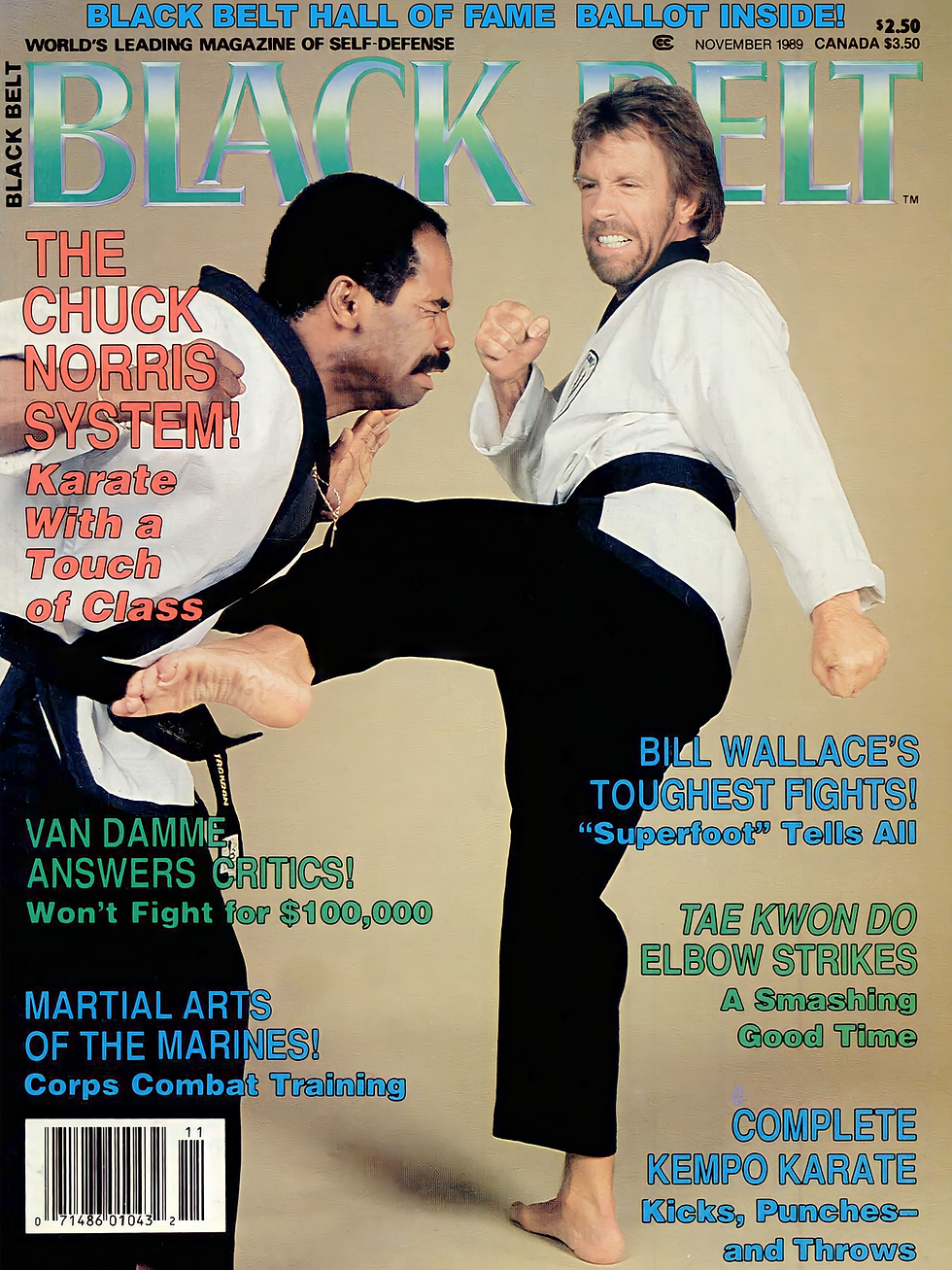
His books—including Dynamic Karate and the legendary Best Karate series—were reviewed, discussed, and recommended to an entire generation of practitioners hungry to deepen their understanding.
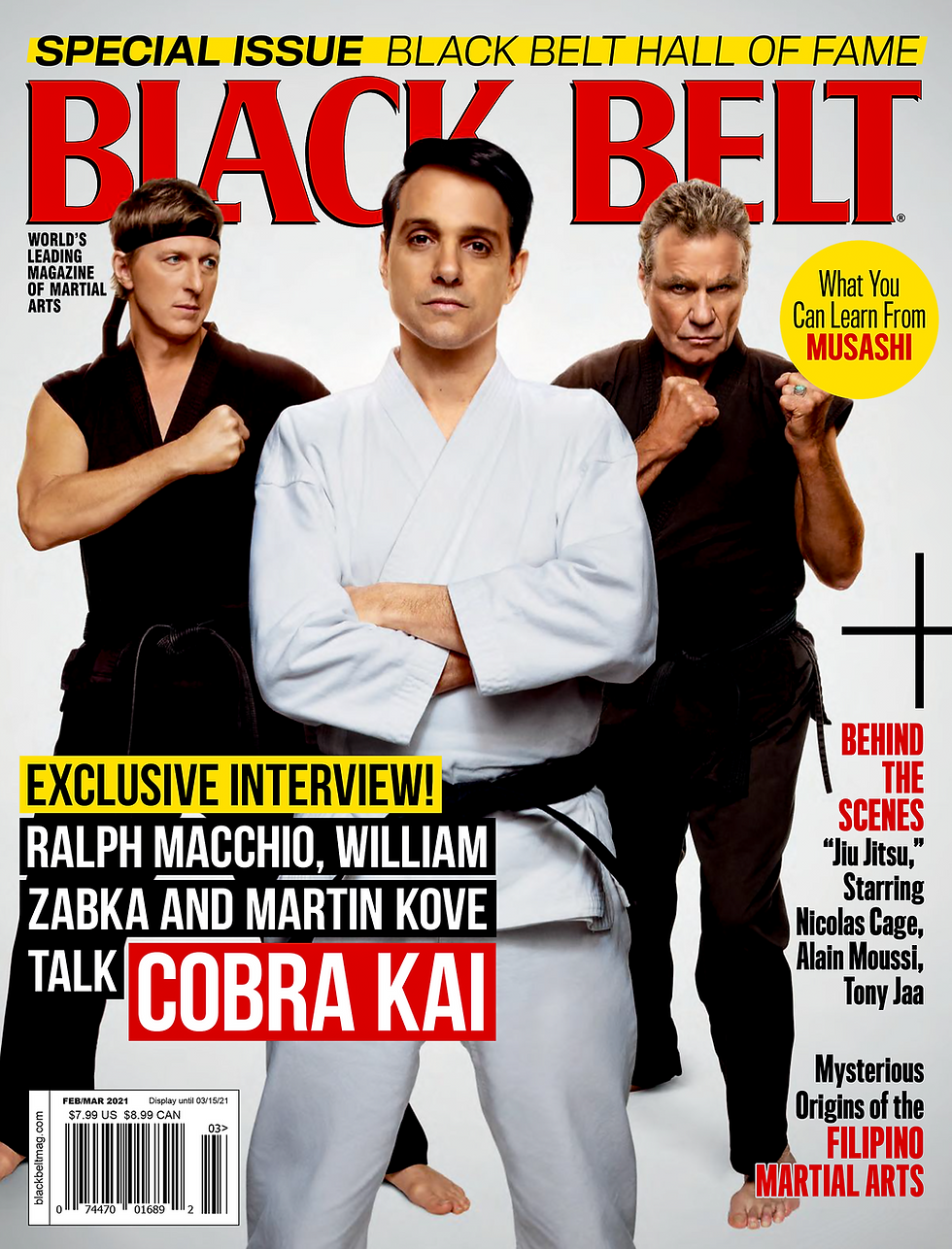
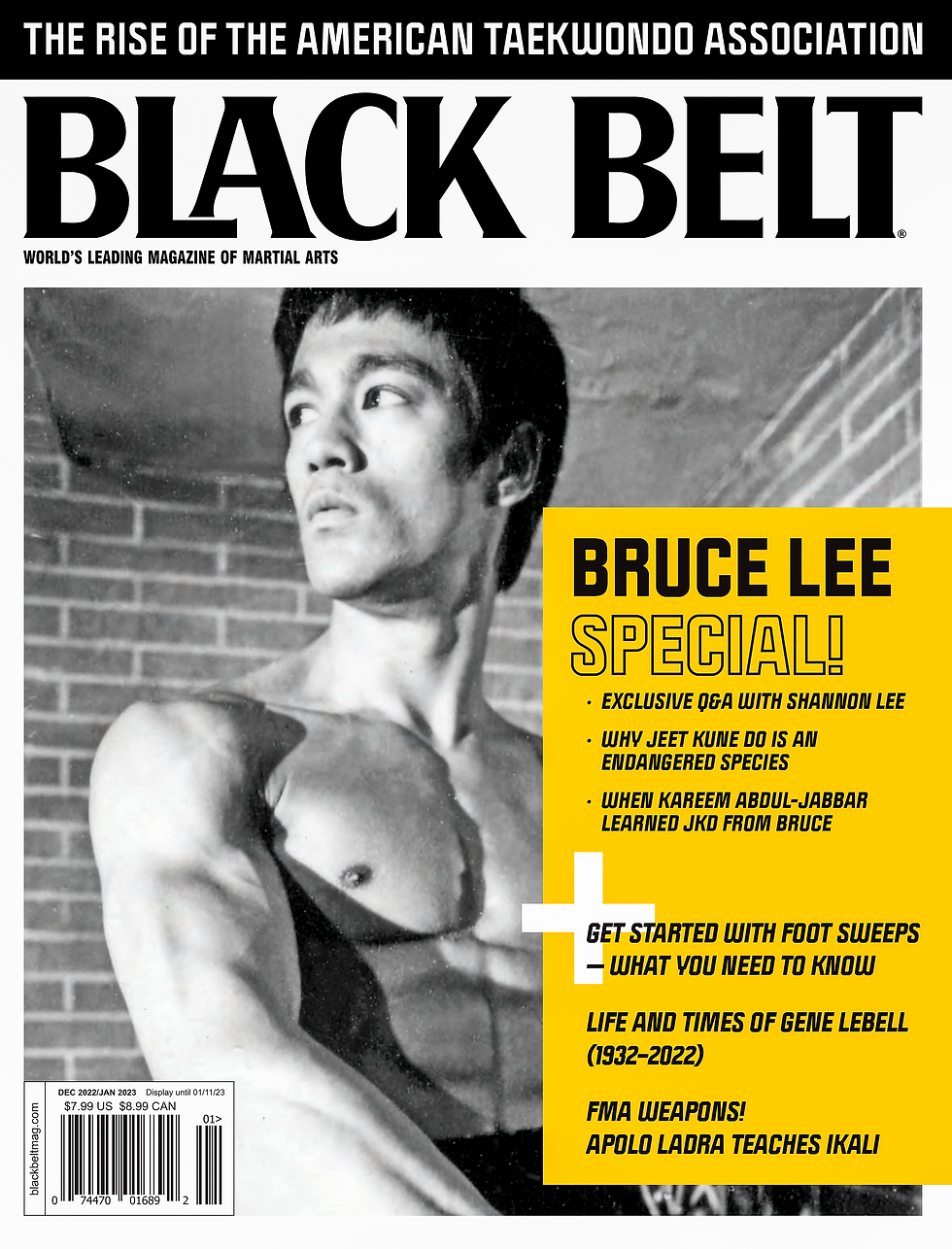
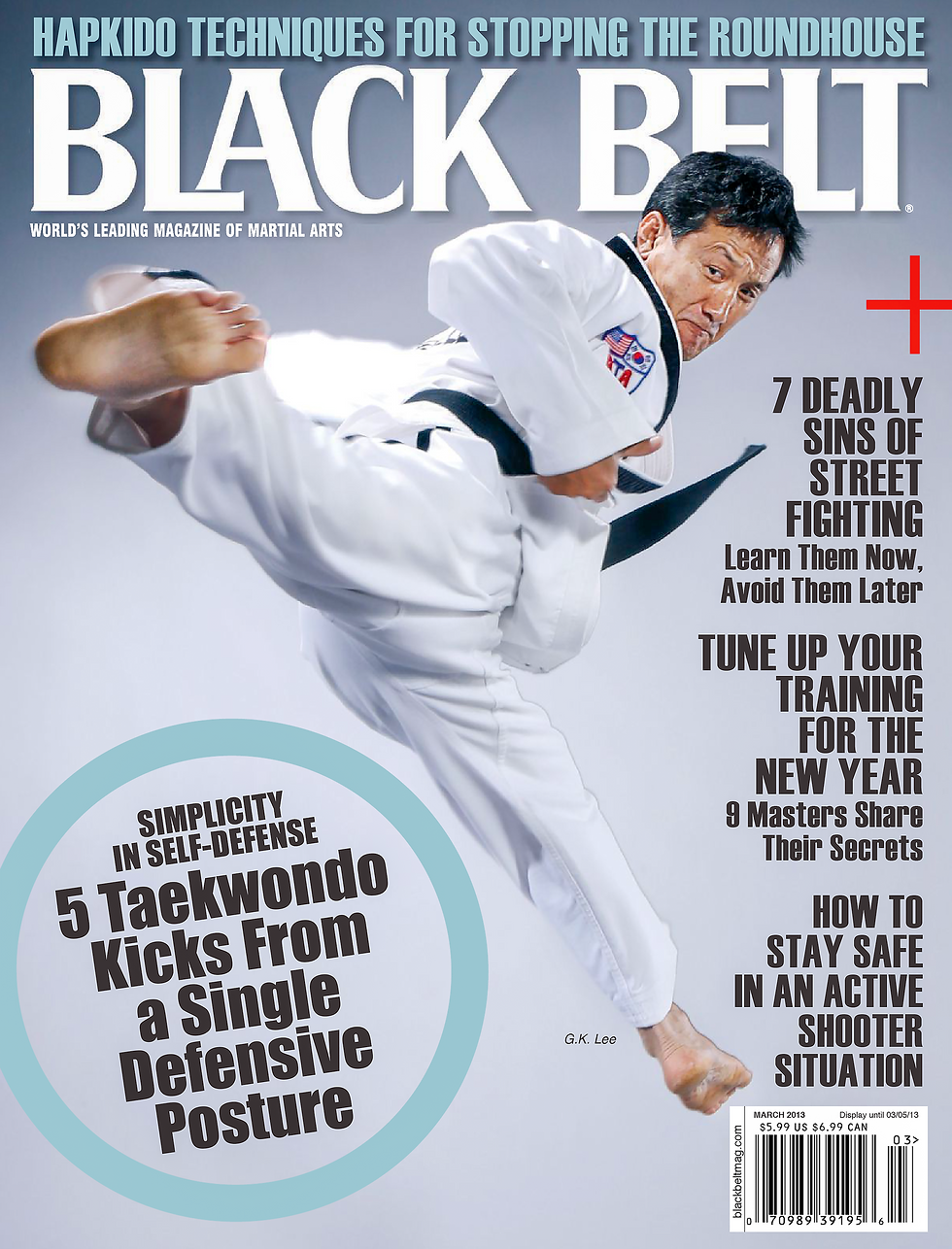
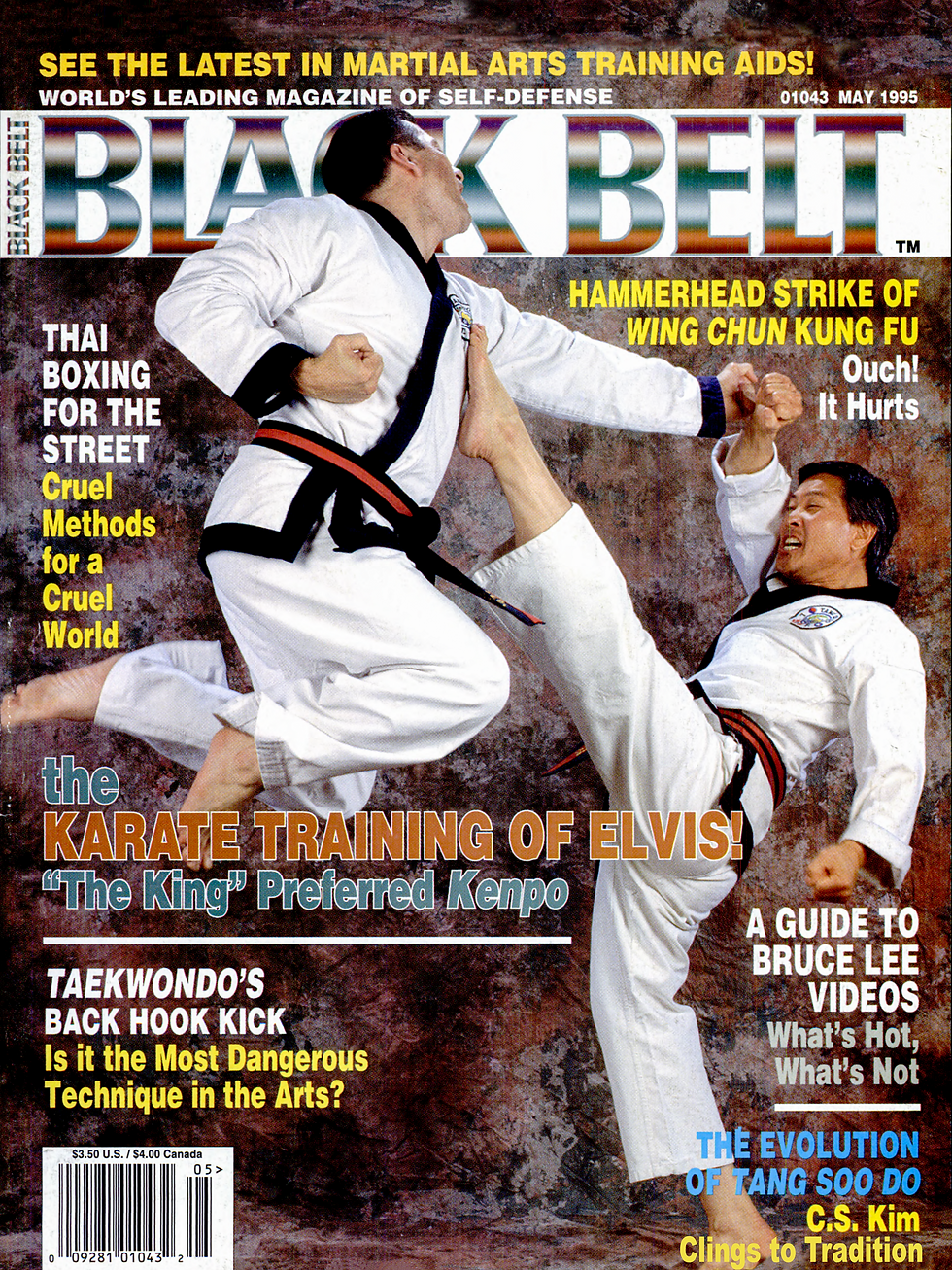
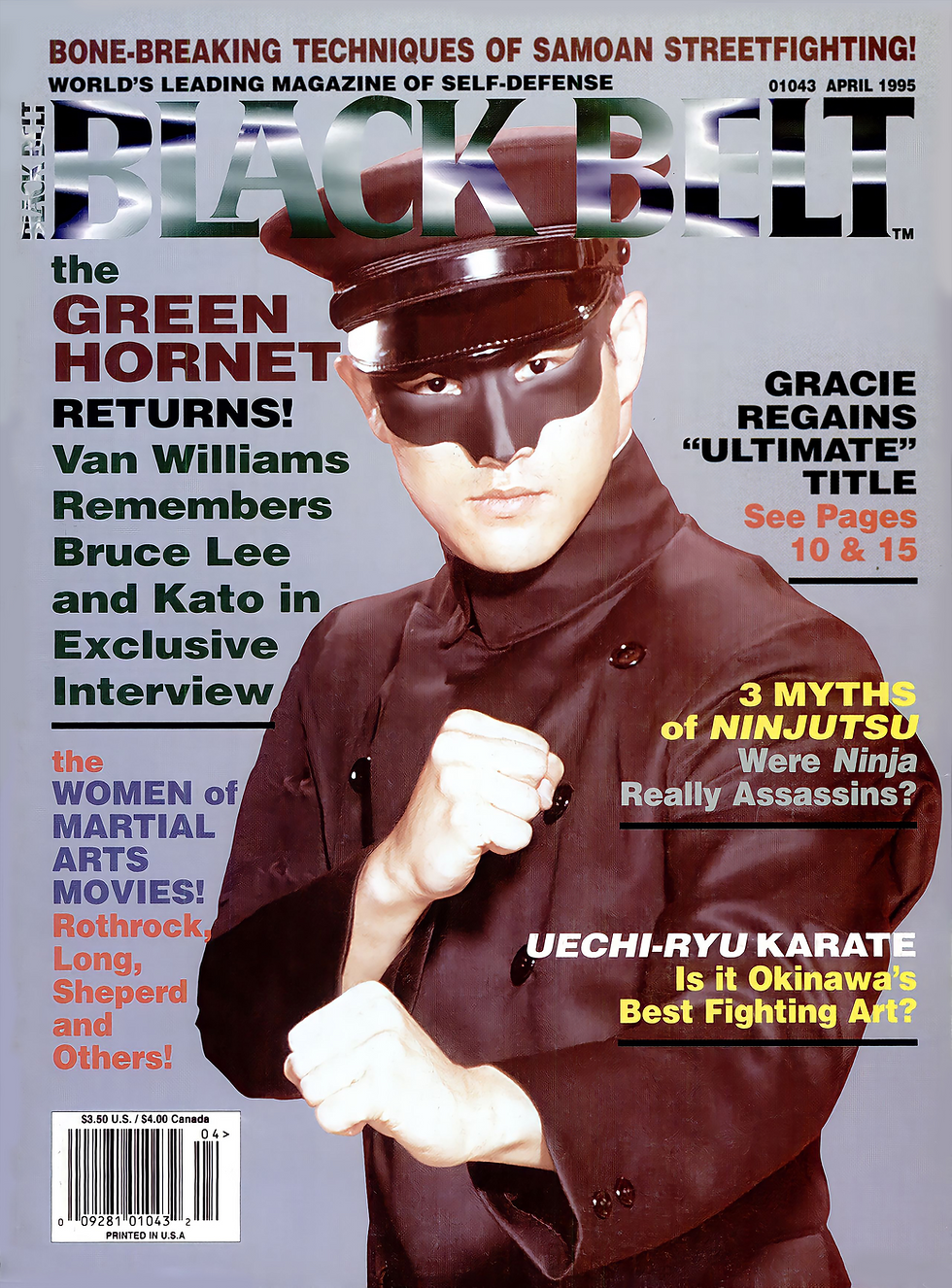
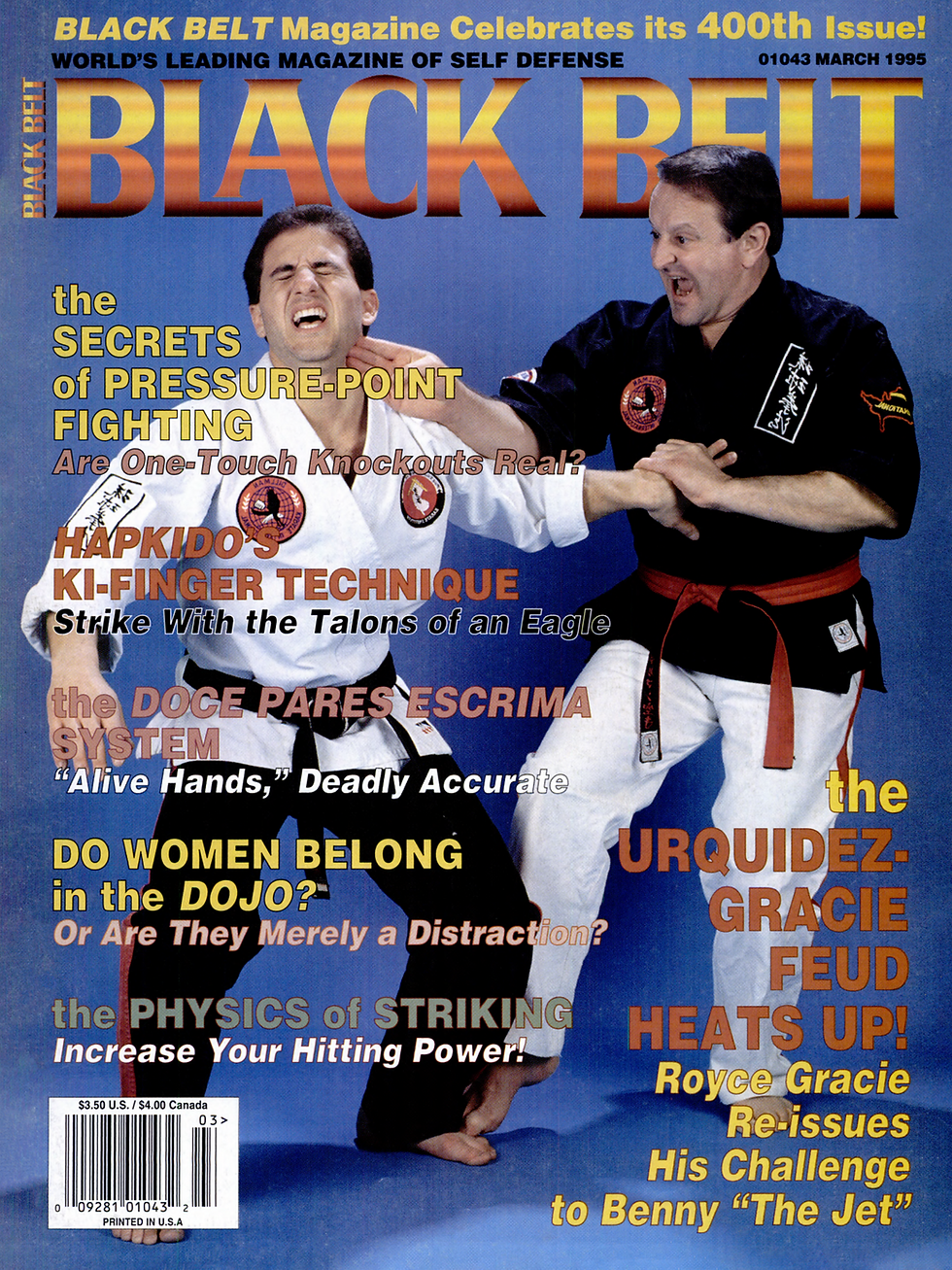
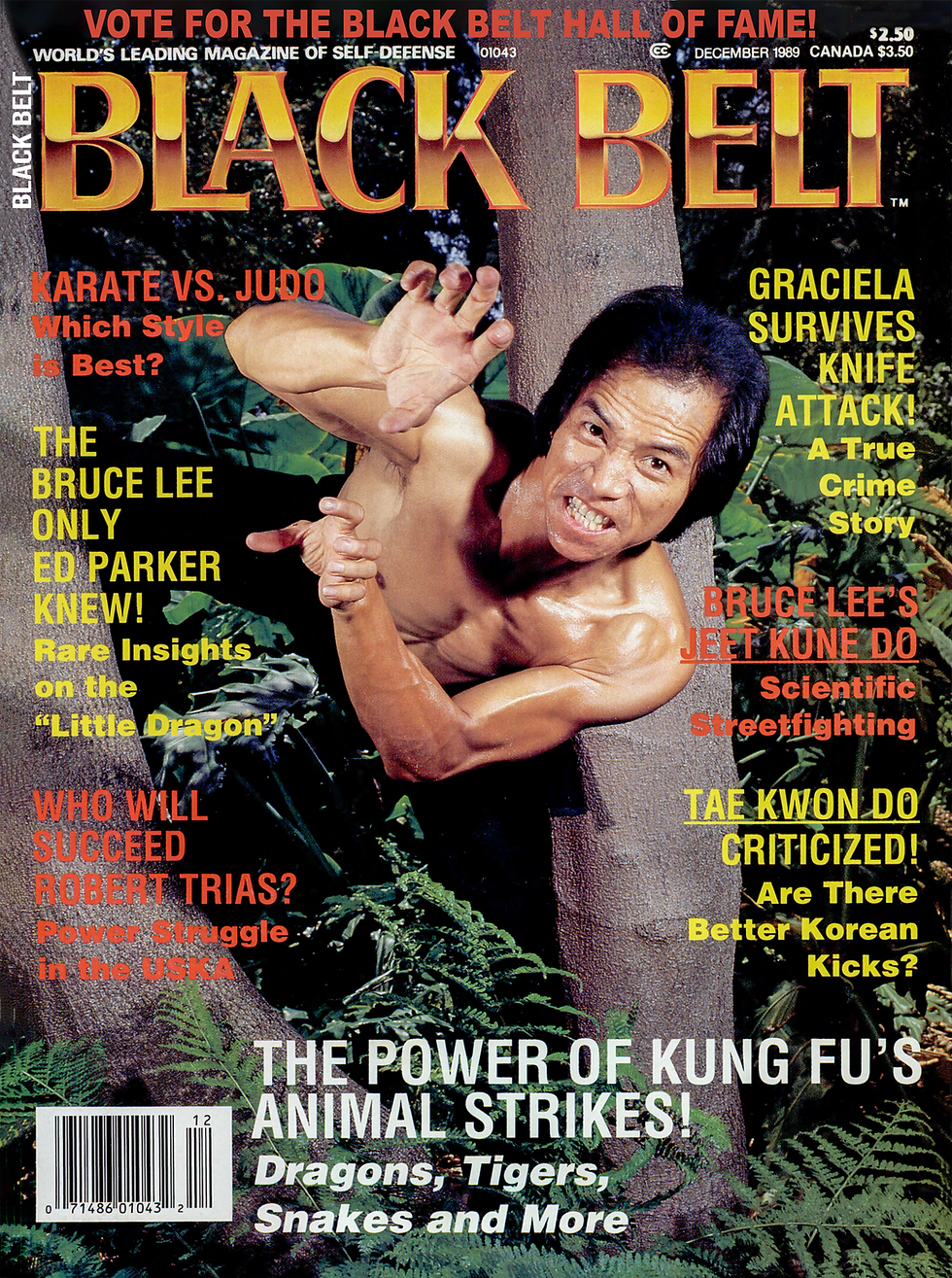
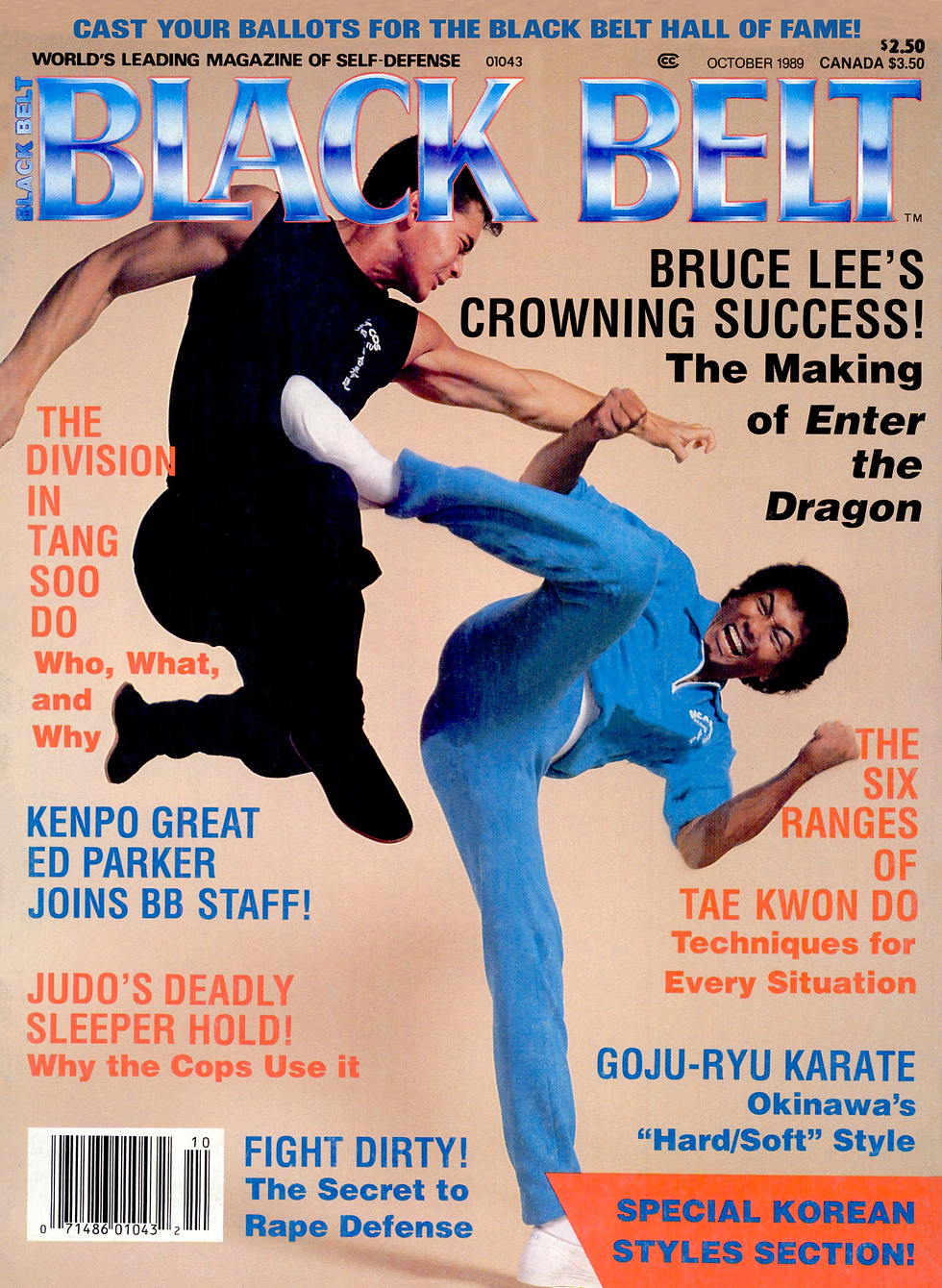
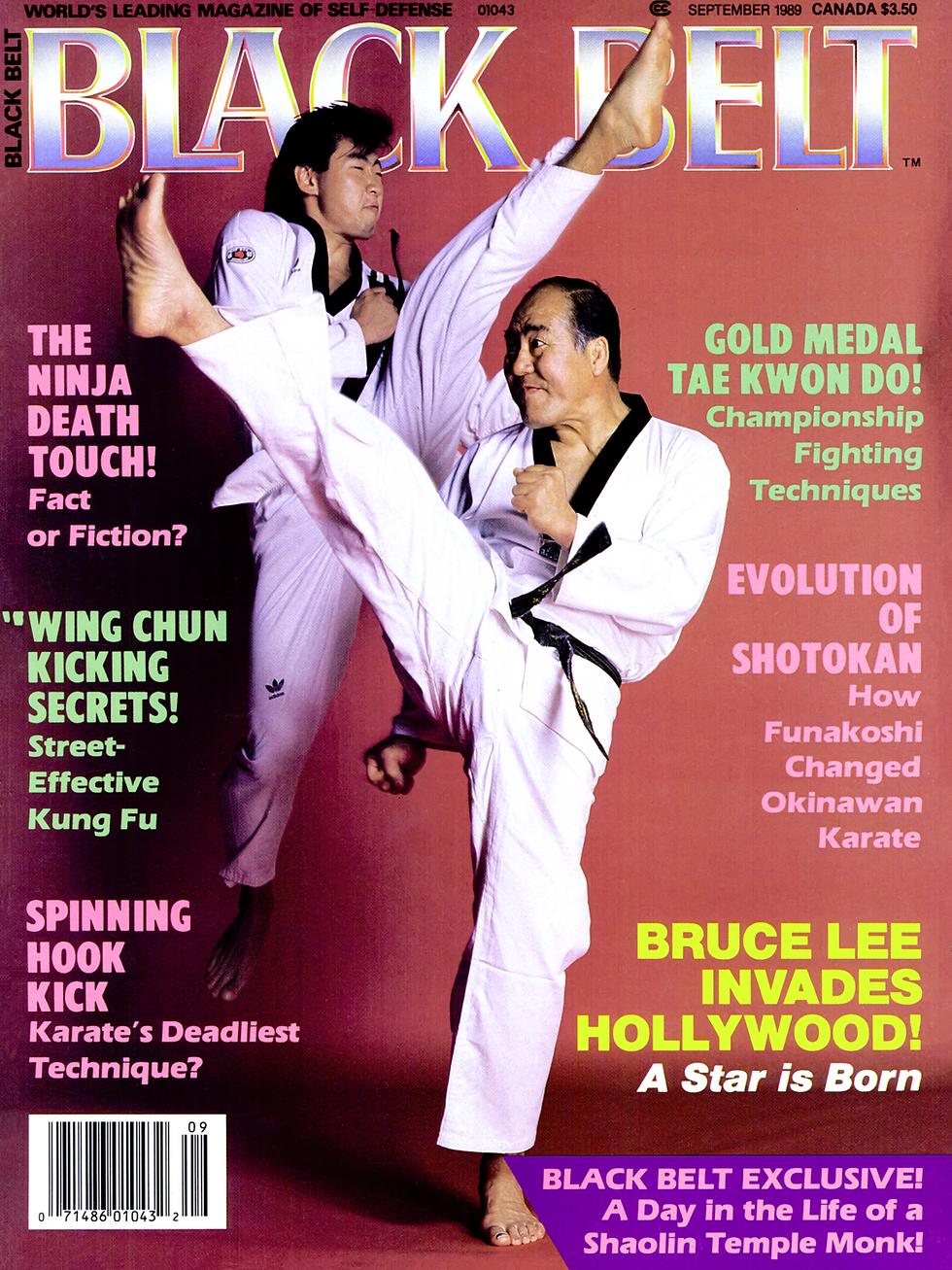
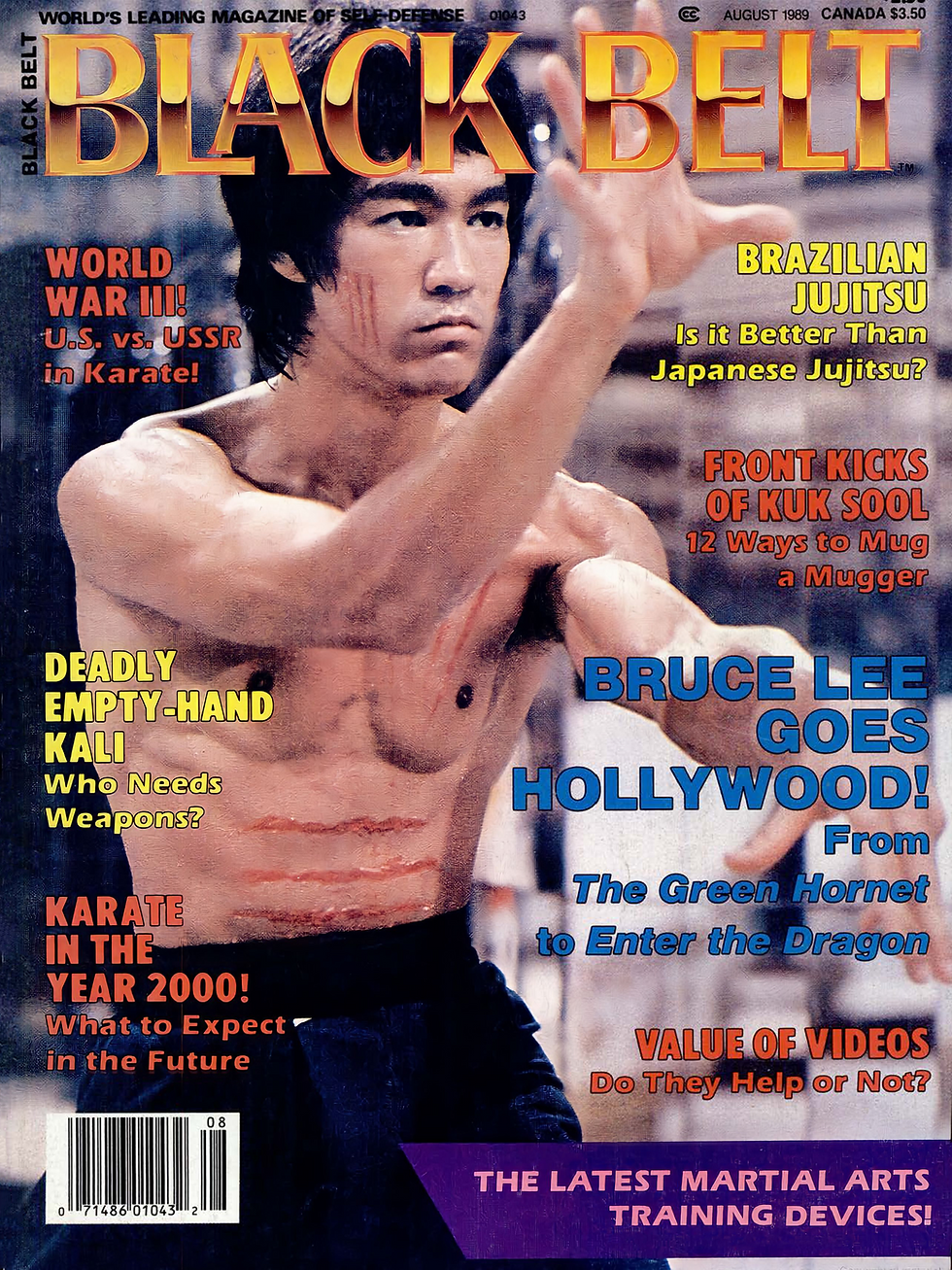
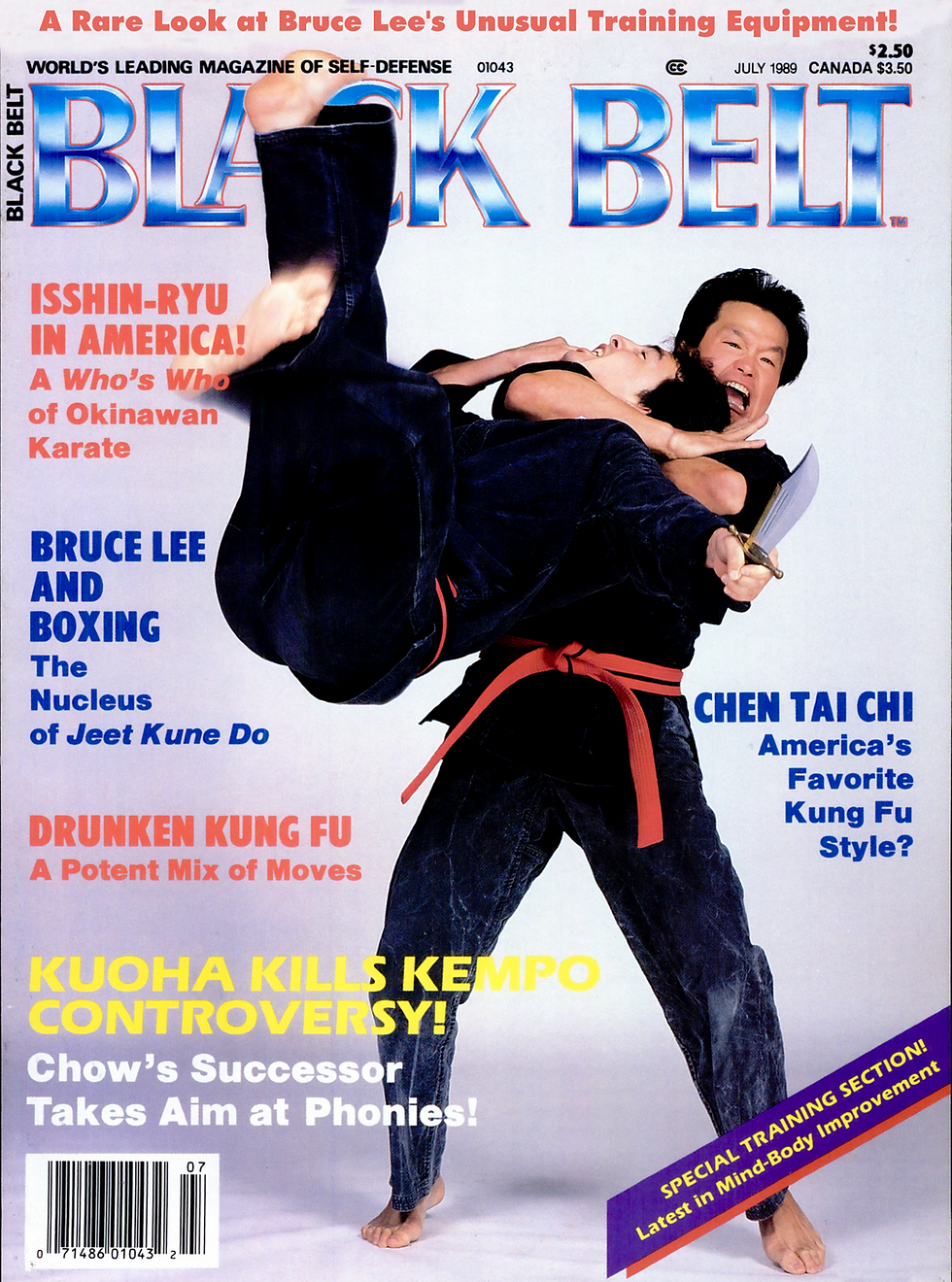
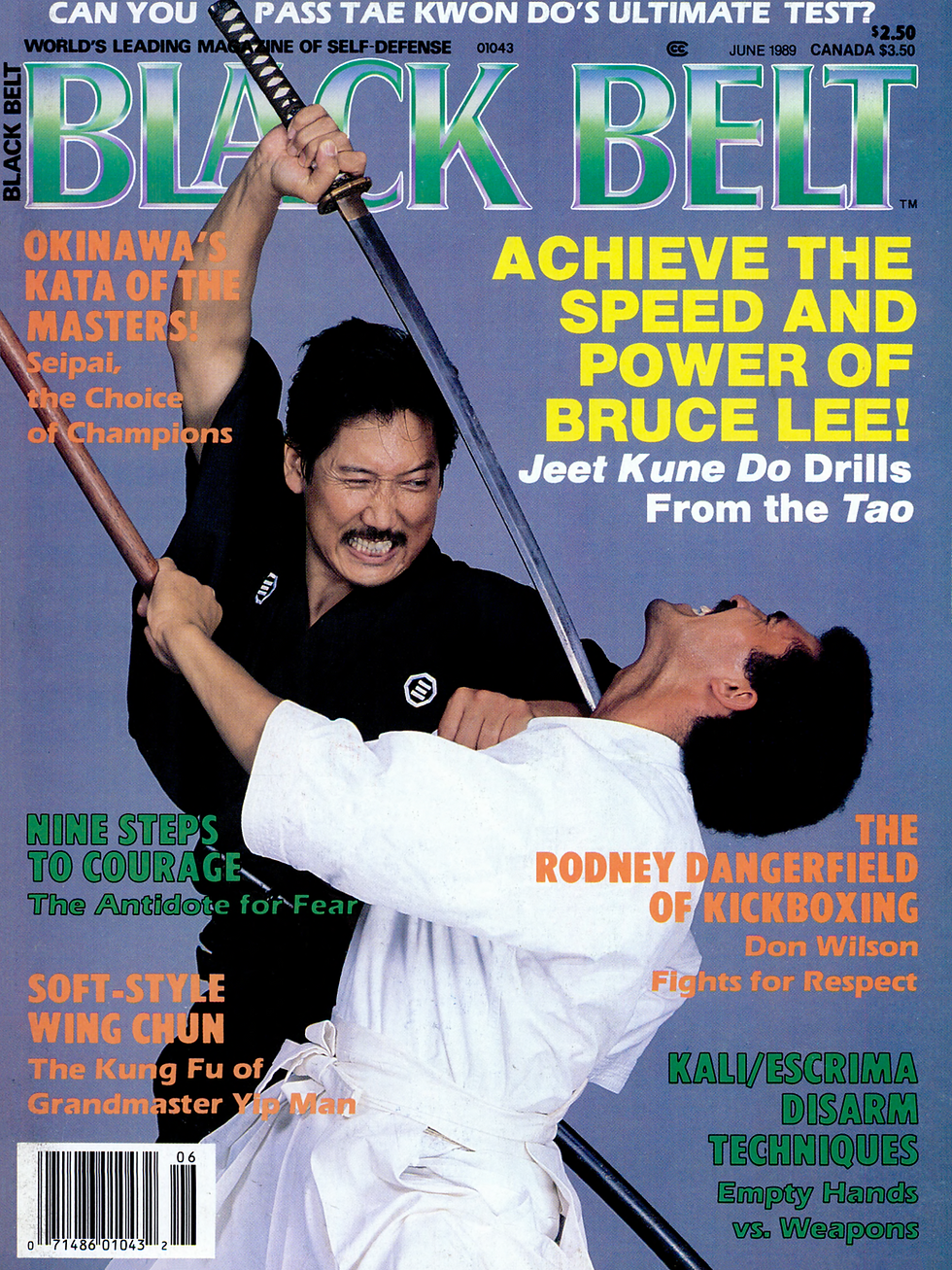
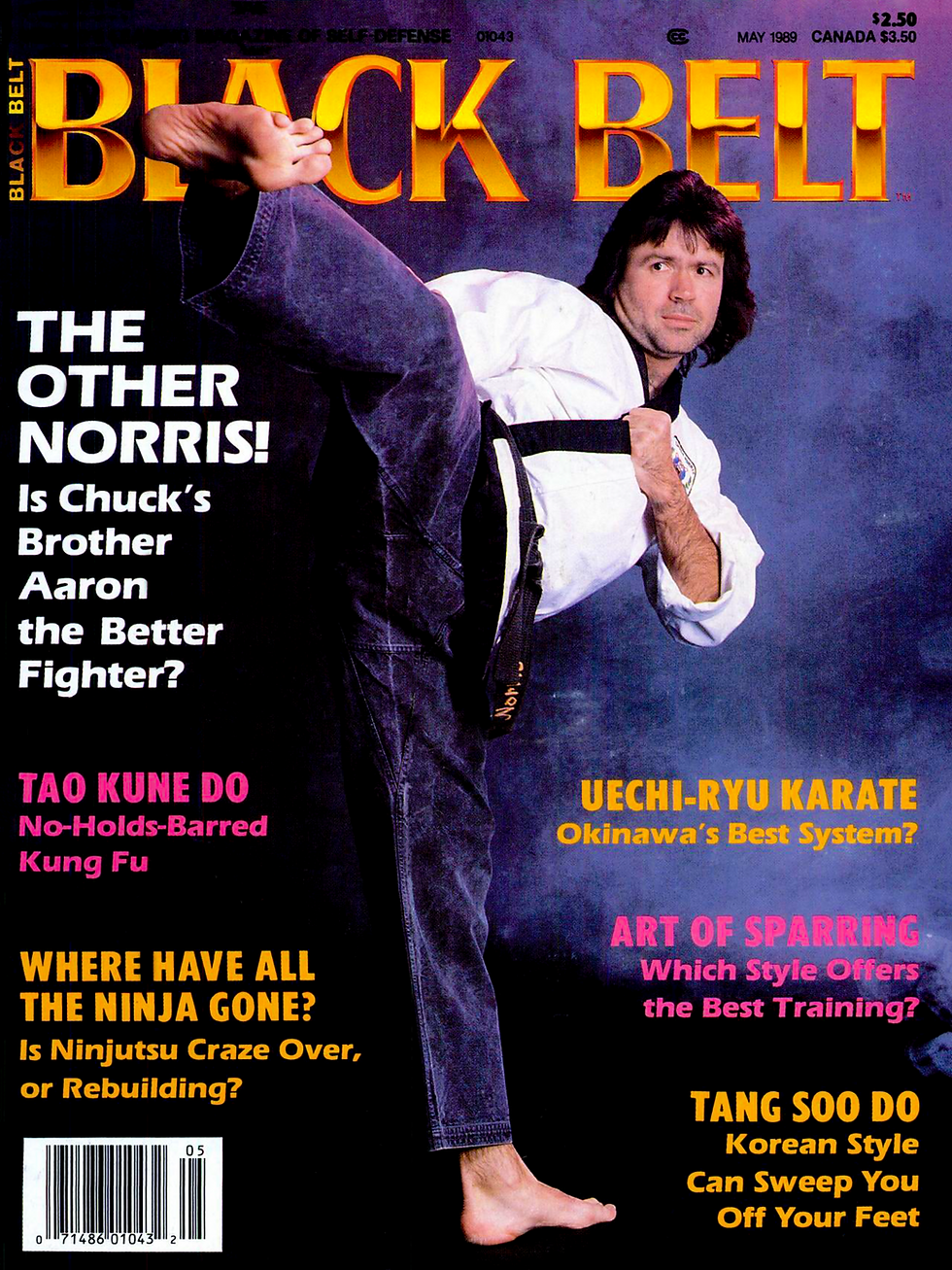
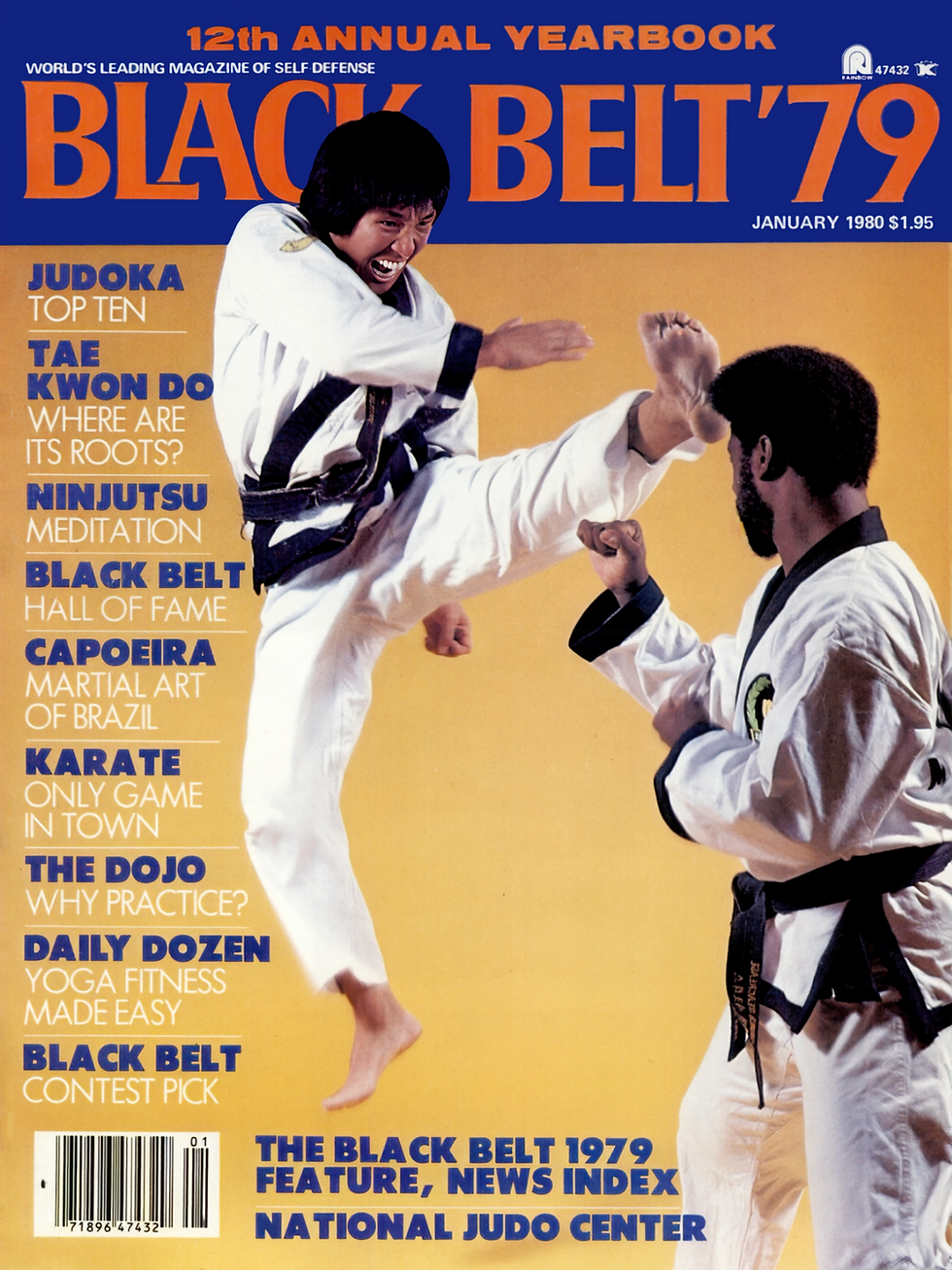
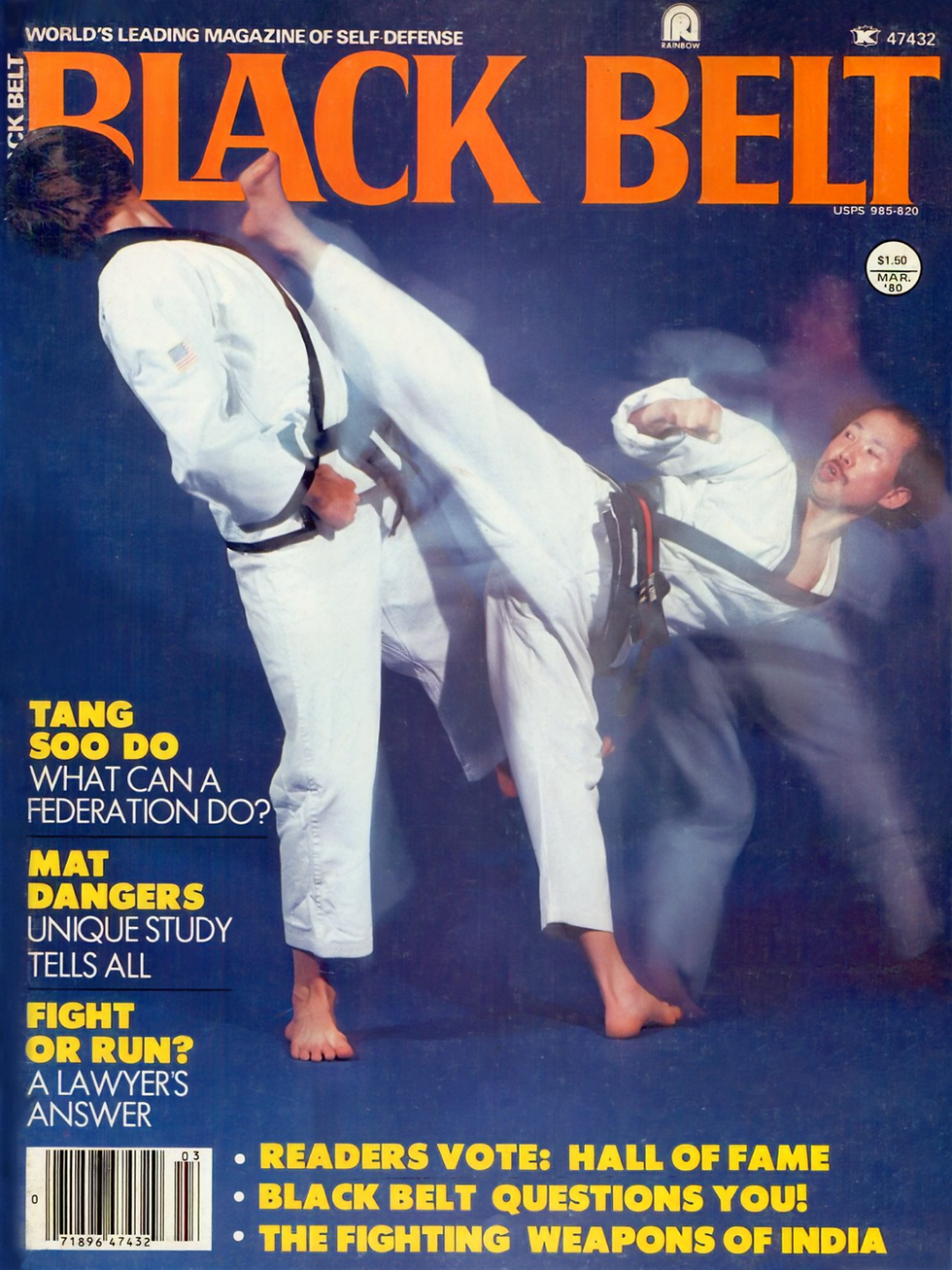
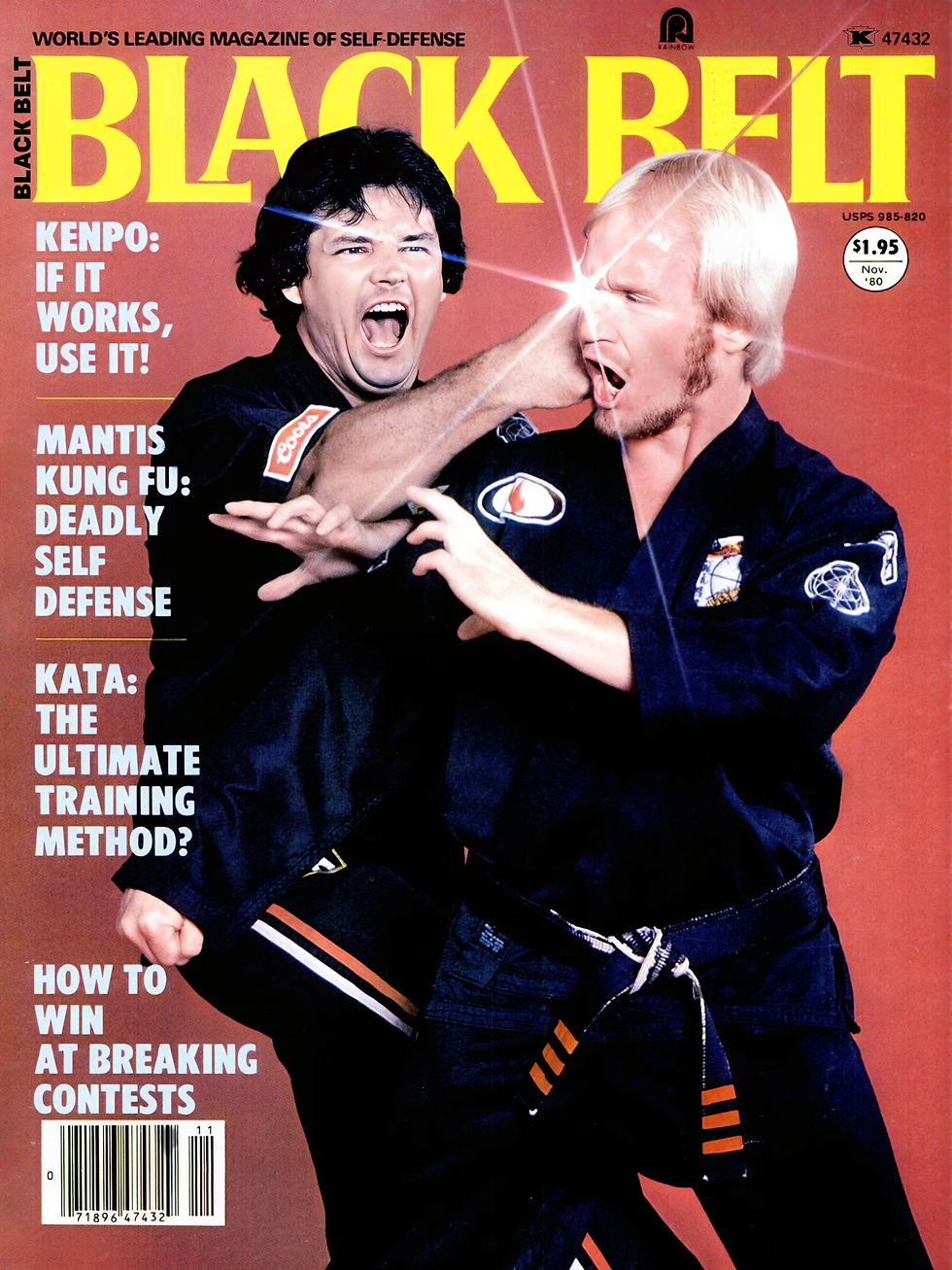
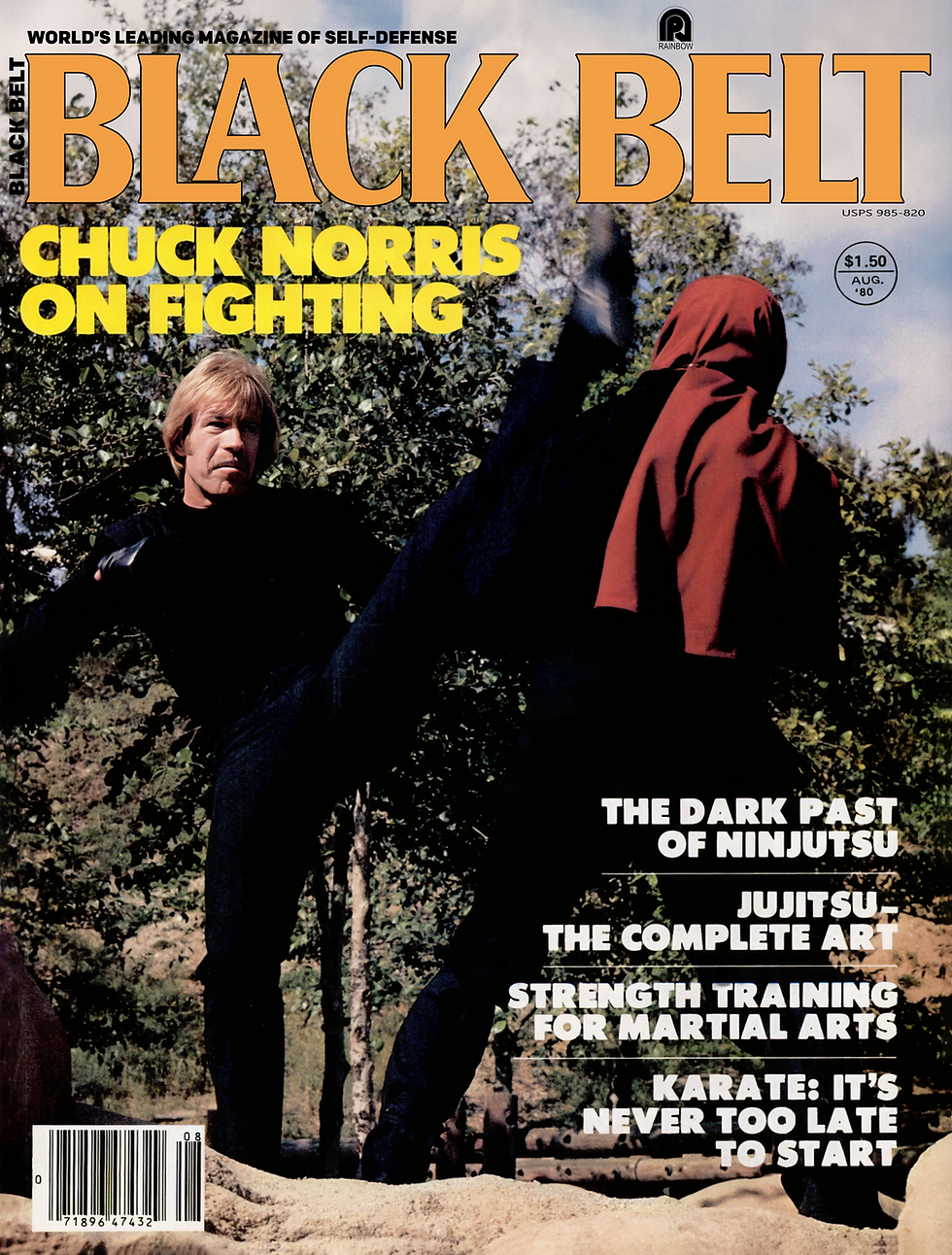
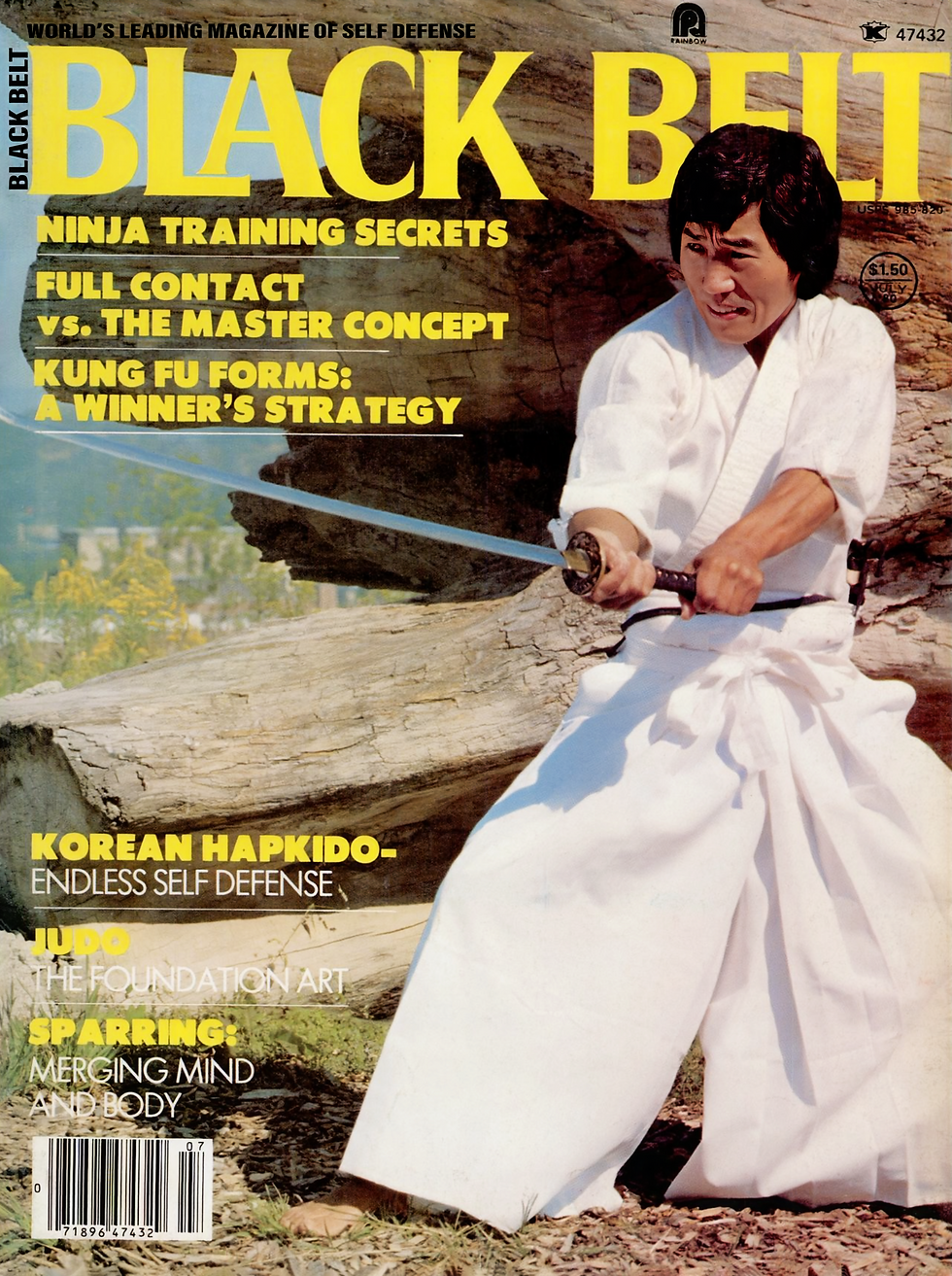
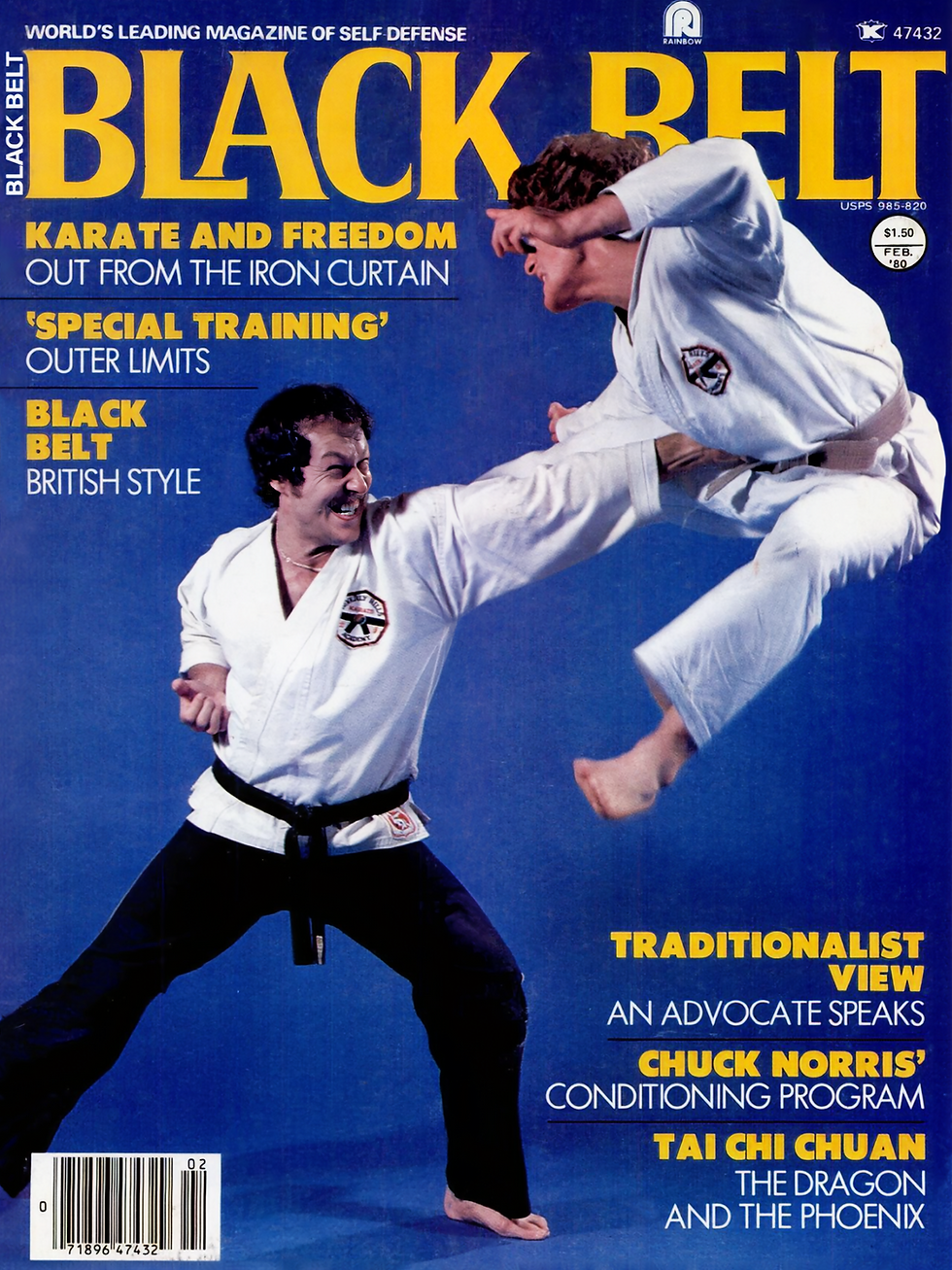
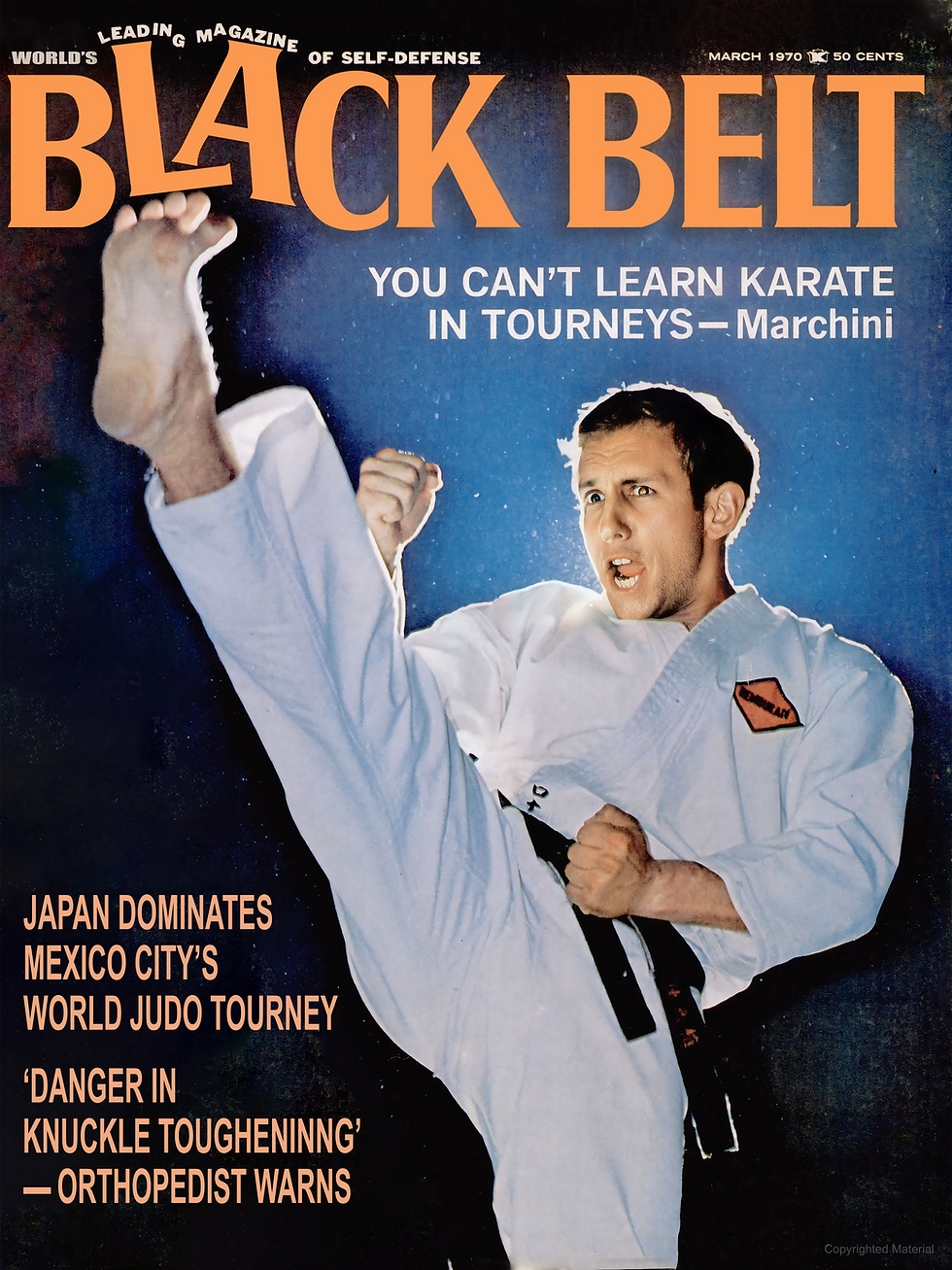
For countless martial artists, Black Belt was their classroom beyond the dojo, and Nakayama was one of its greatest teachers.
What made Nakayama remarkable wasn't simply his technical brilliance.
It was his humility.
He rarely spoke of changing the world.
Instead, he spoke of perfecting a punch.
Refining a stance.
Practicing one more kata.
Improving one student at a time.
Yet through that relentless pursuit of excellence, he accomplished something few martial artists ever have.
He transformed a traditional Japanese discipline into a truly global art.
He taught the world how to practice karate, and in doing so, helped ensure that the spirit of Shotokan would live far beyond the walls of any single dojo.
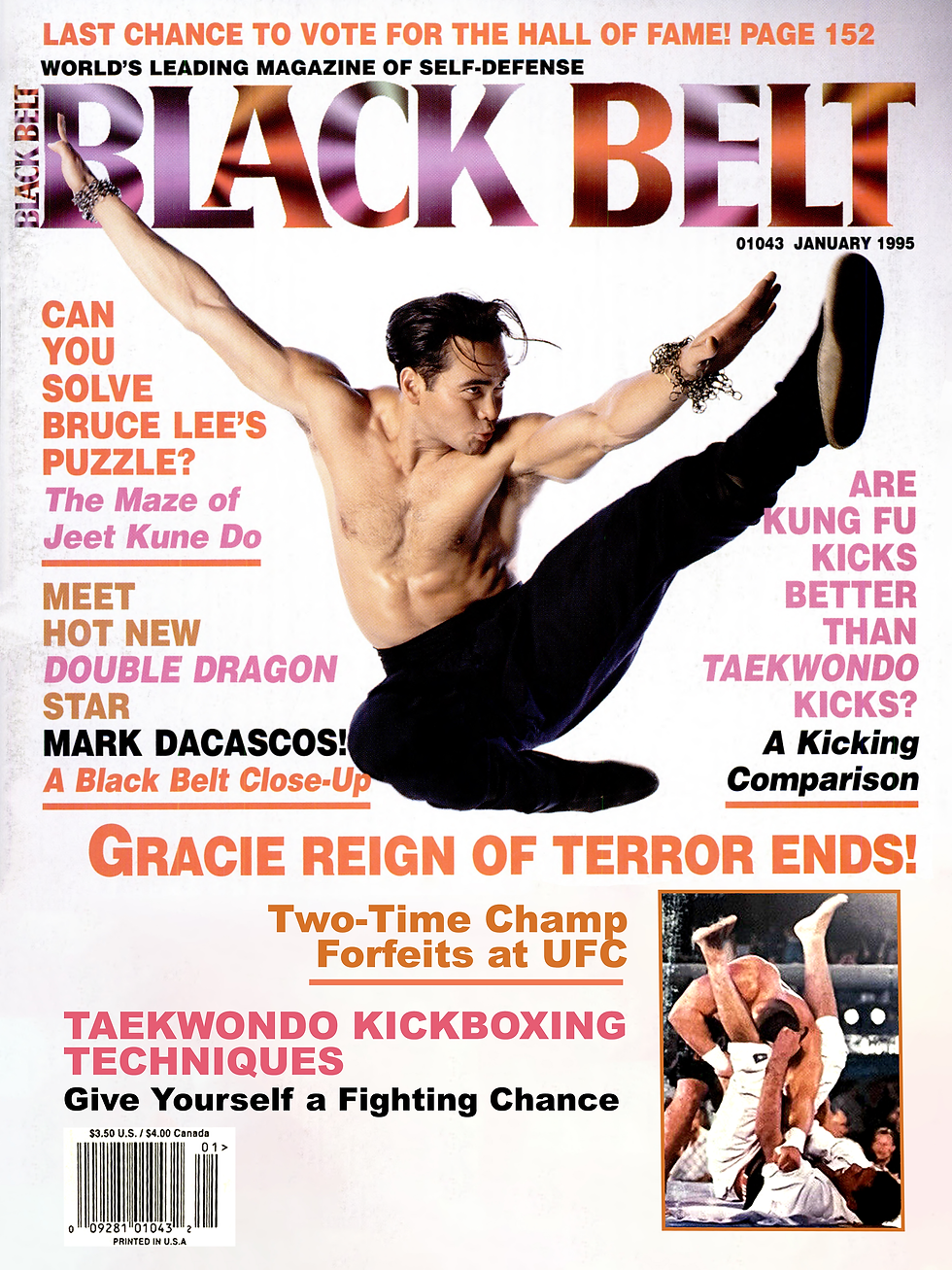
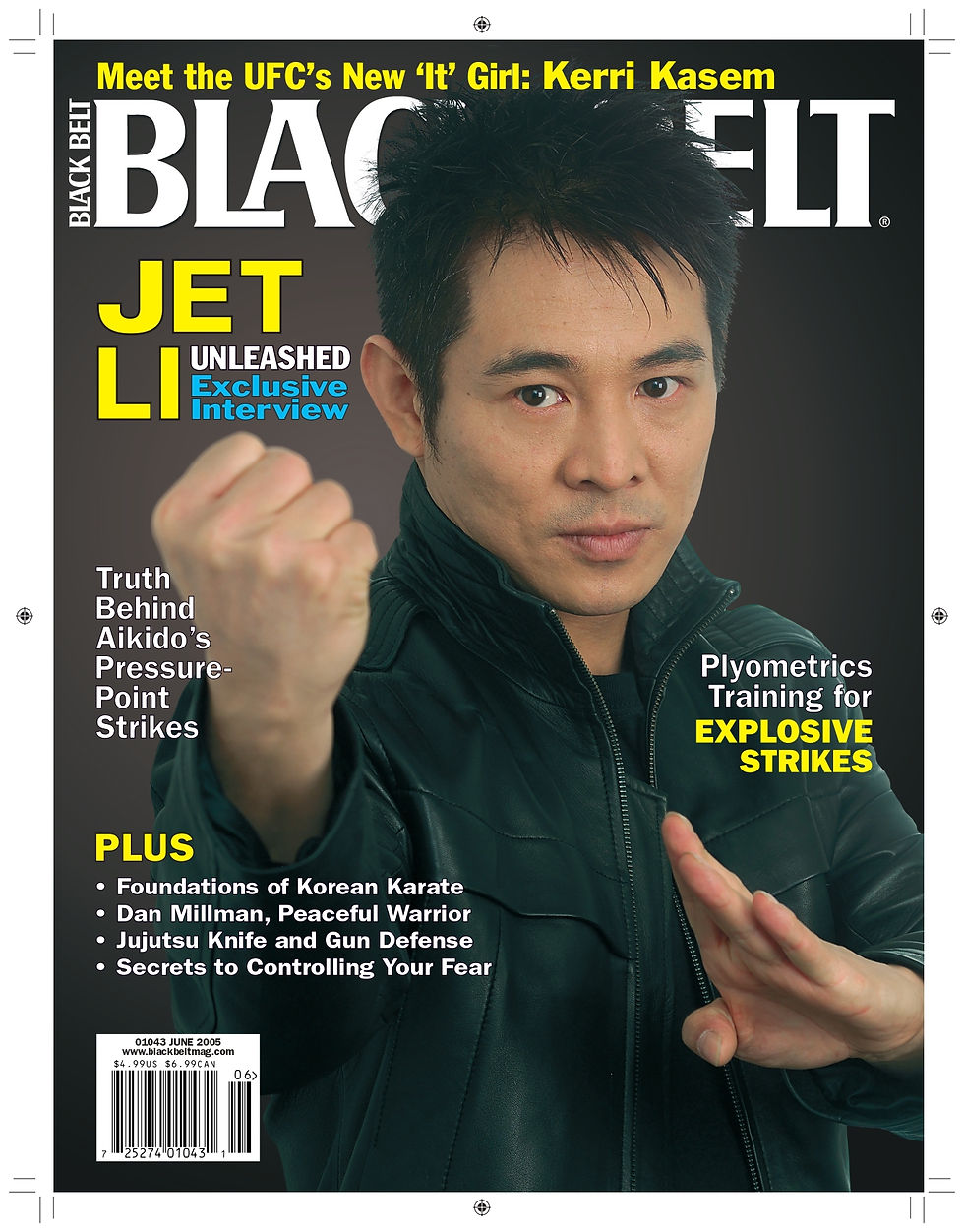
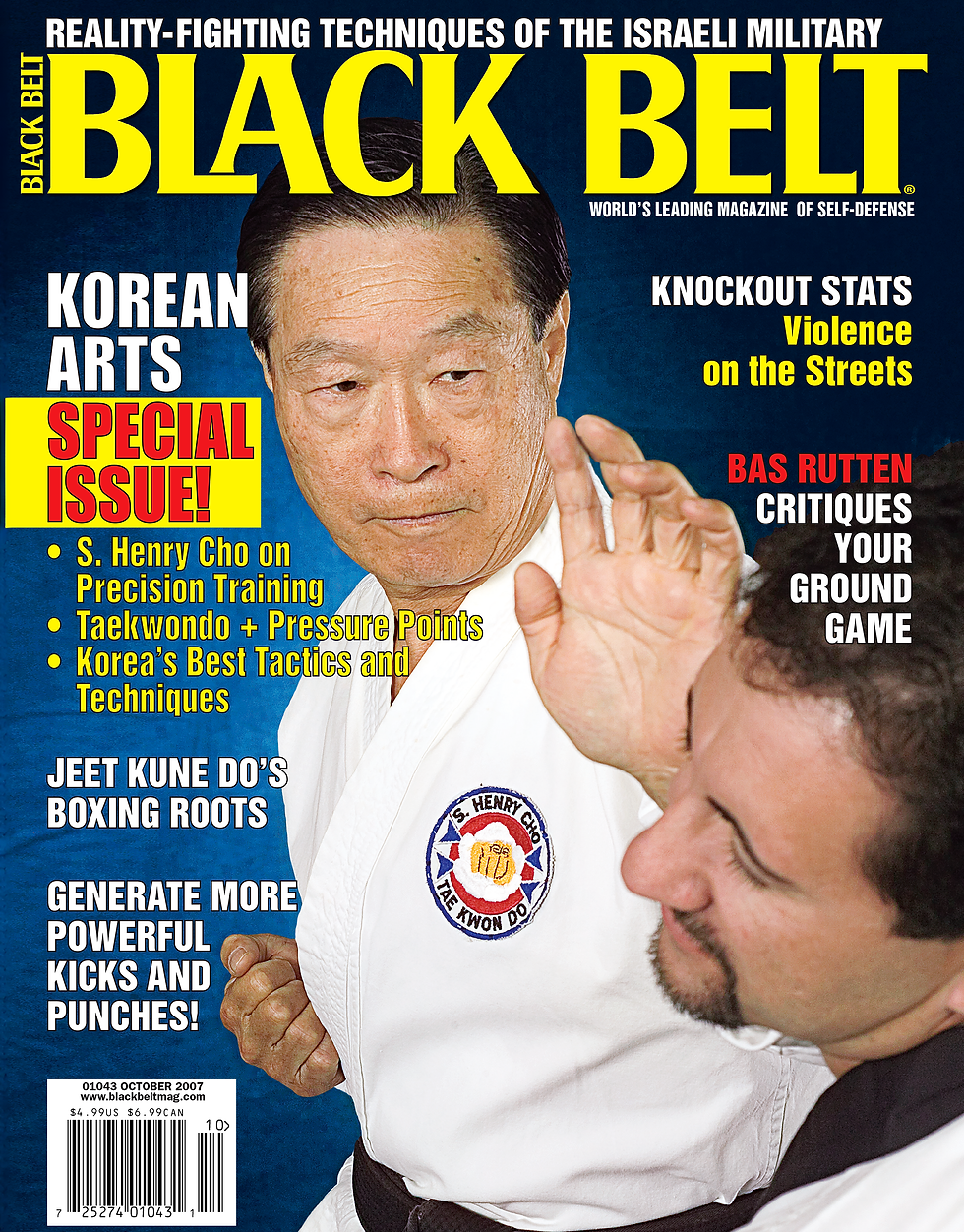
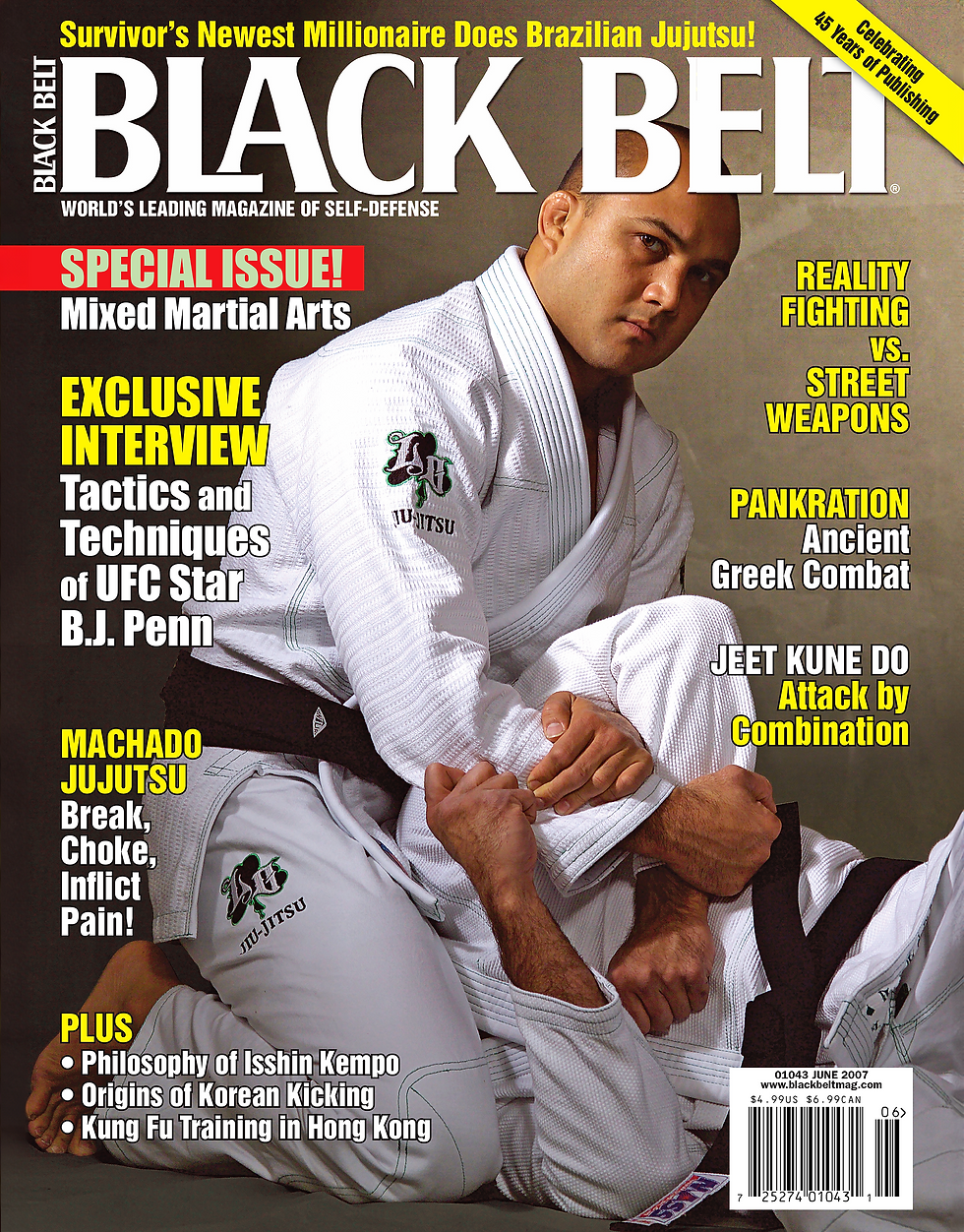
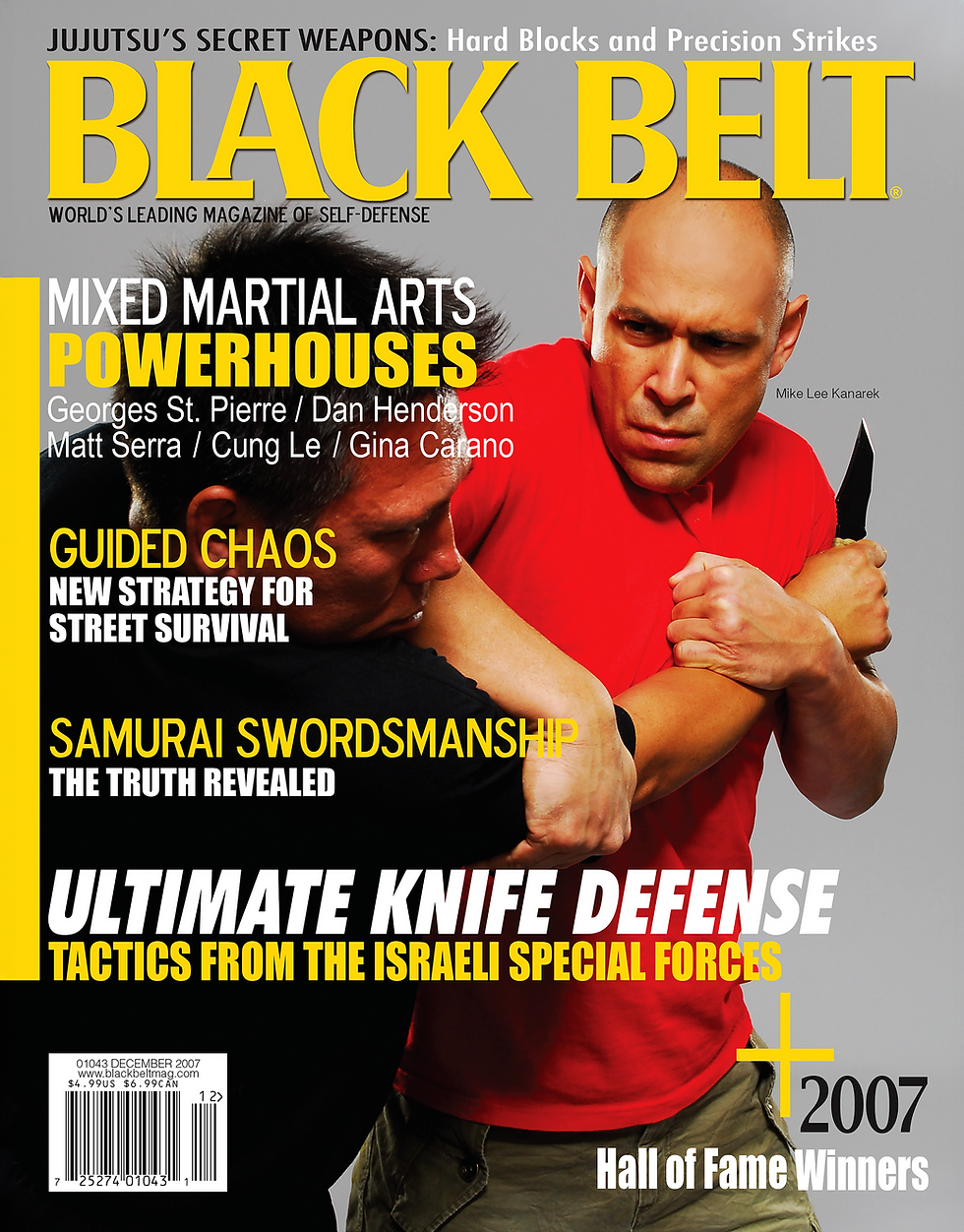
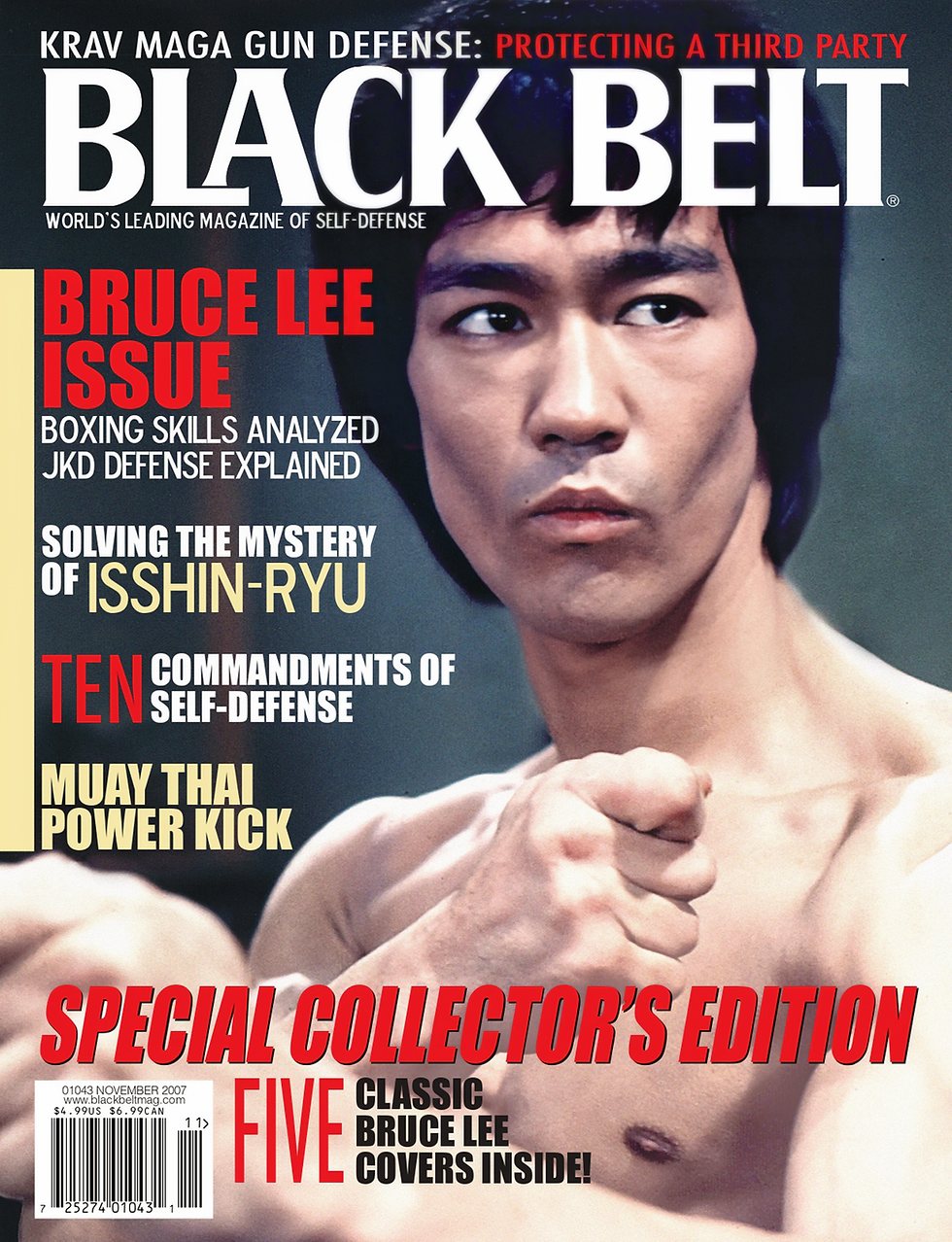
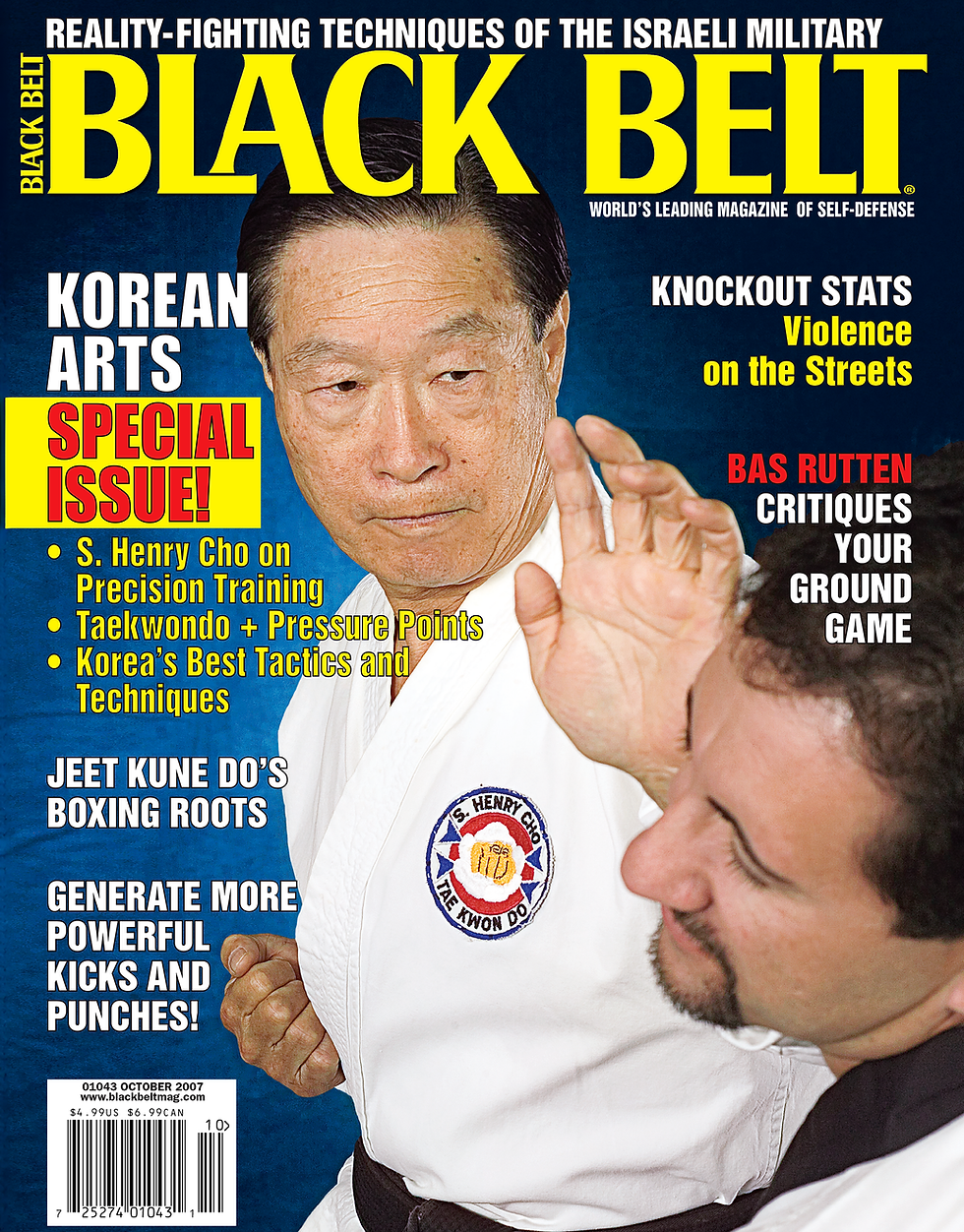
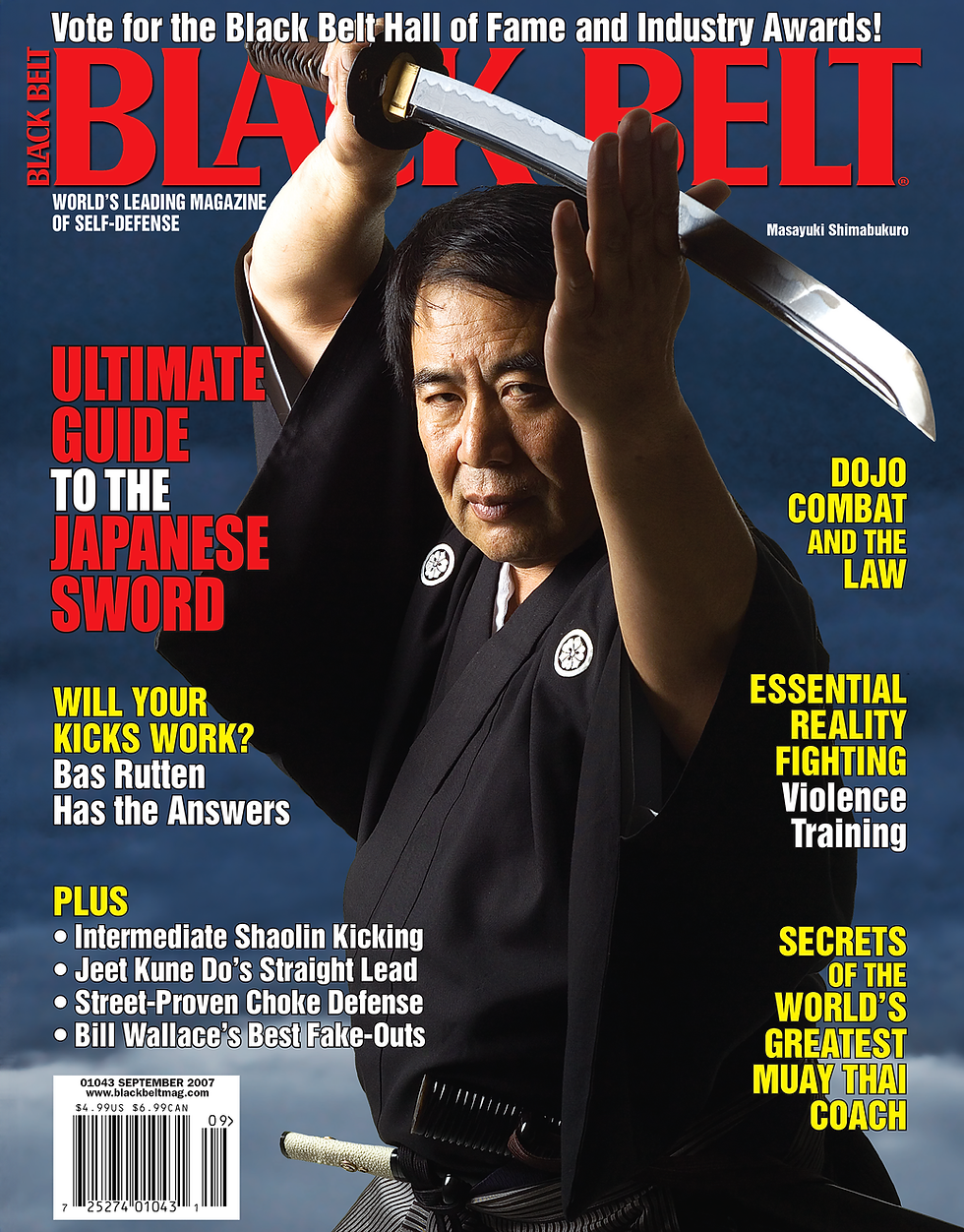
Masatoshi Nakayama understood that martial arts could only endure if knowledge was preserved and passed on to future generations. That same mission has guided Black Belt for more than six decades—documenting the legends, instructors, and innovators who shaped the martial arts world.
With Black Belt+, you can explore the complete archive of Black Belt Magazine’s history, featuring thousands of pages of interviews, features, and stories from the martial arts icons who defined generations.
Unlock the legacy. Join Black Belt+ today.