Hollywood has no shortage of actors who can throw a convincing punch. With enough rehearsal, clever editing, and the right camera angles, even someone with little martial arts experience can look dangerous.
Michael Jai White is a different story.
Watch him in Blood and Bone or Undisputed II: Last Man Standing, and there's an unmistakable quality to his movement. His punches are compact, his kicks are quick, and he carries his considerable size with the ease of someone who has spent most of his life training. He doesn't need to exaggerate every movement to make it look powerful.
That kind of ability takes years to develop, and White put in those years long before he became a recognizable face in Hollywood.
As he celebrates his 59th birthday on November 10, it's a fitting time to revisit the martial arts career behind some of action cinema's most entertaining fights.
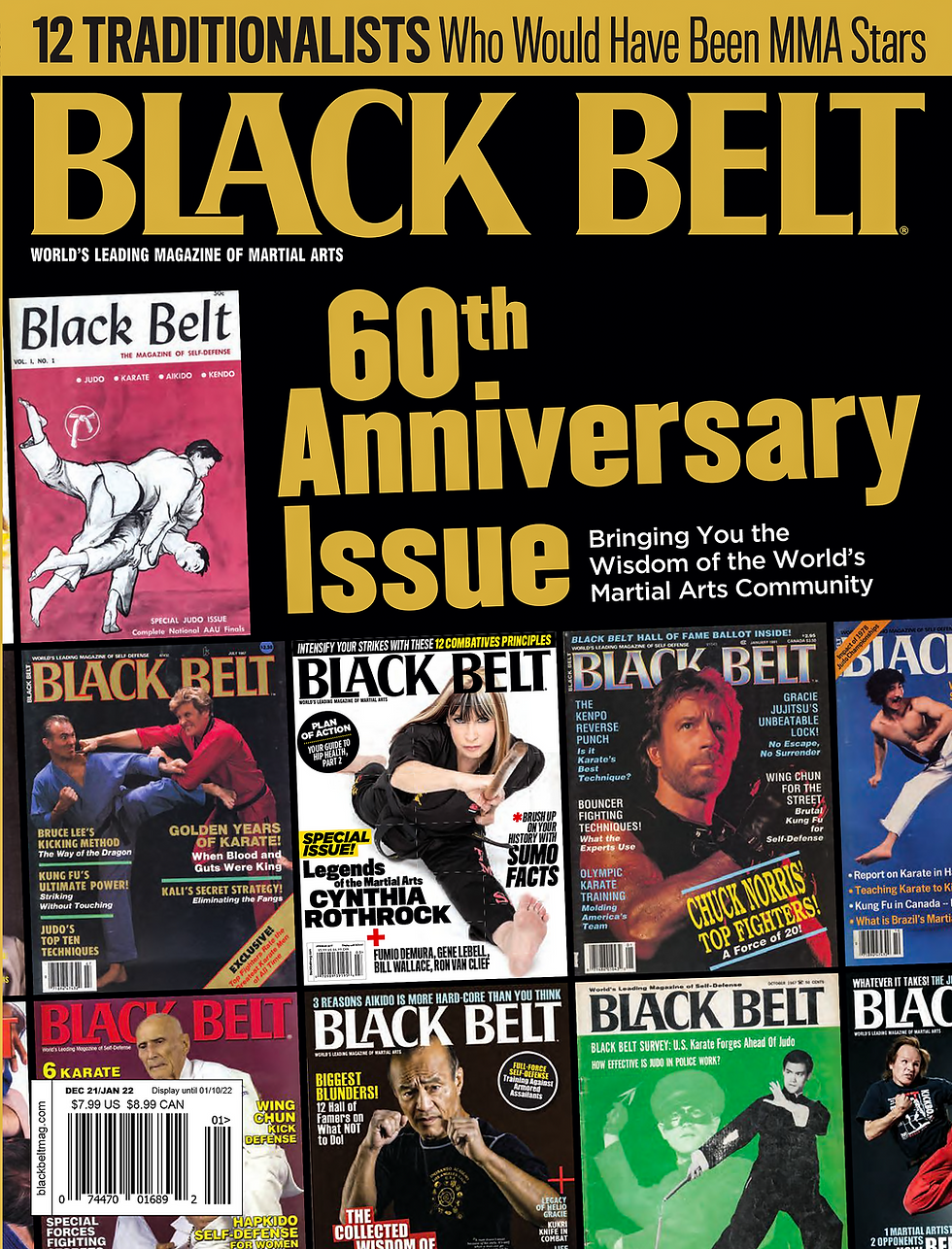
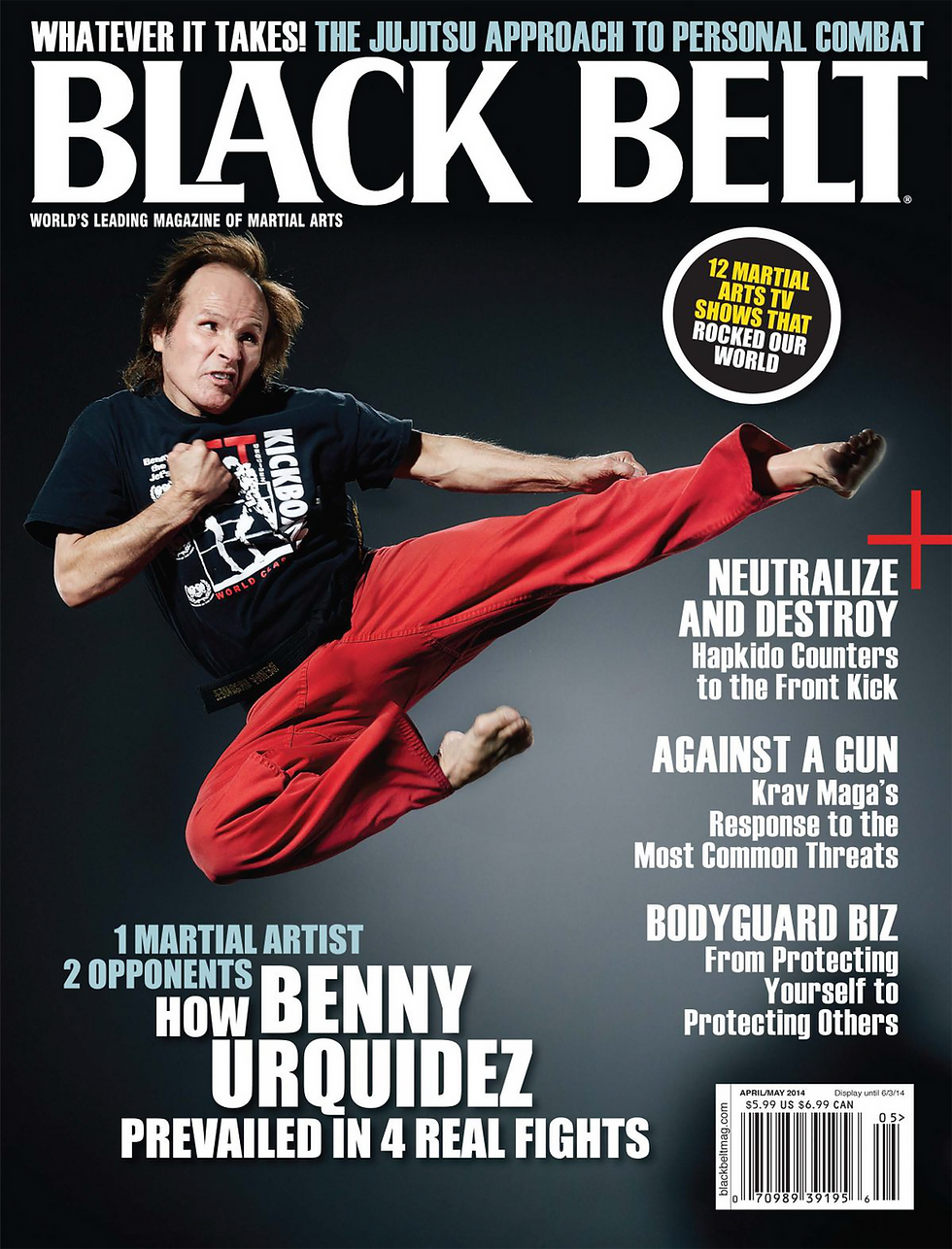
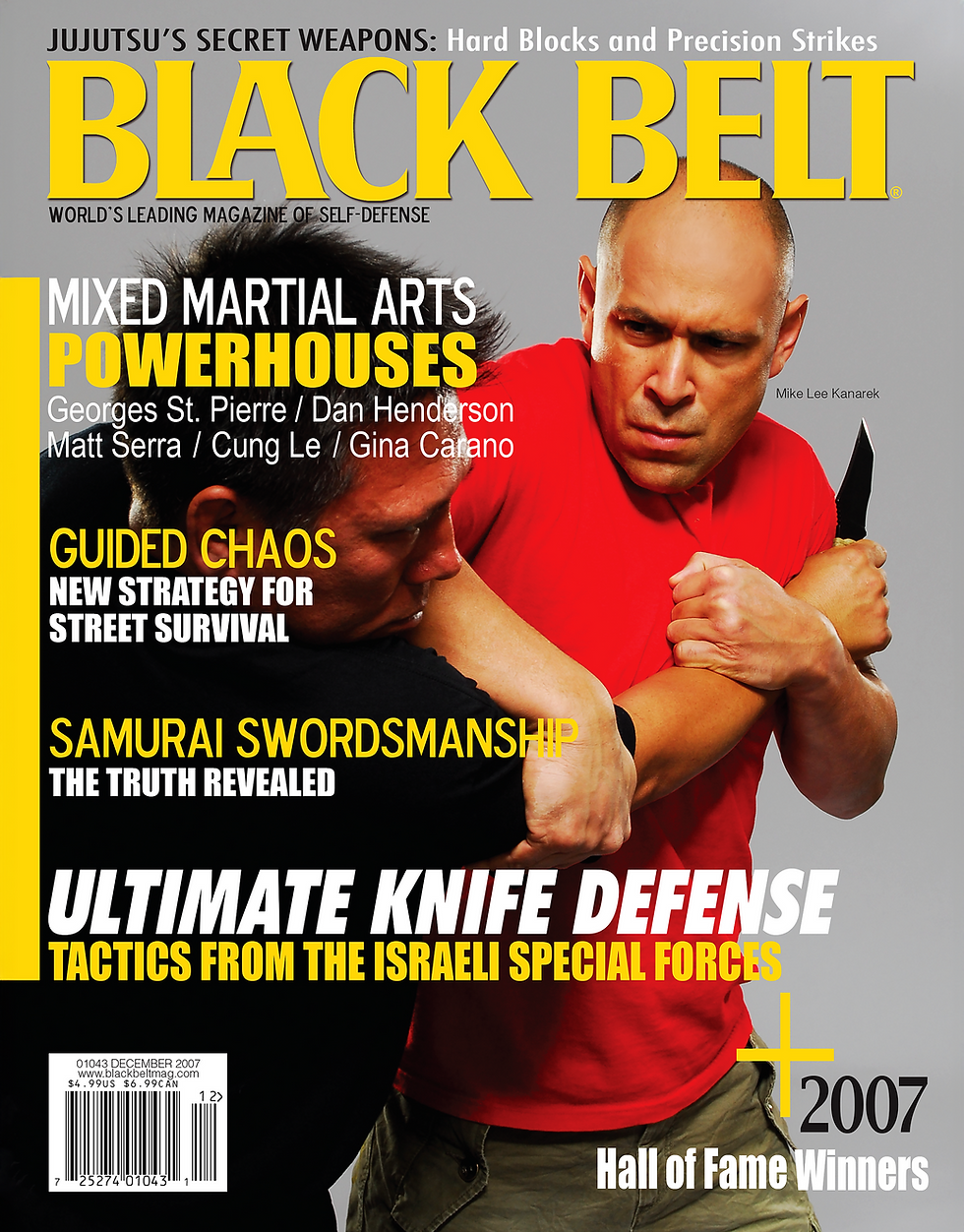
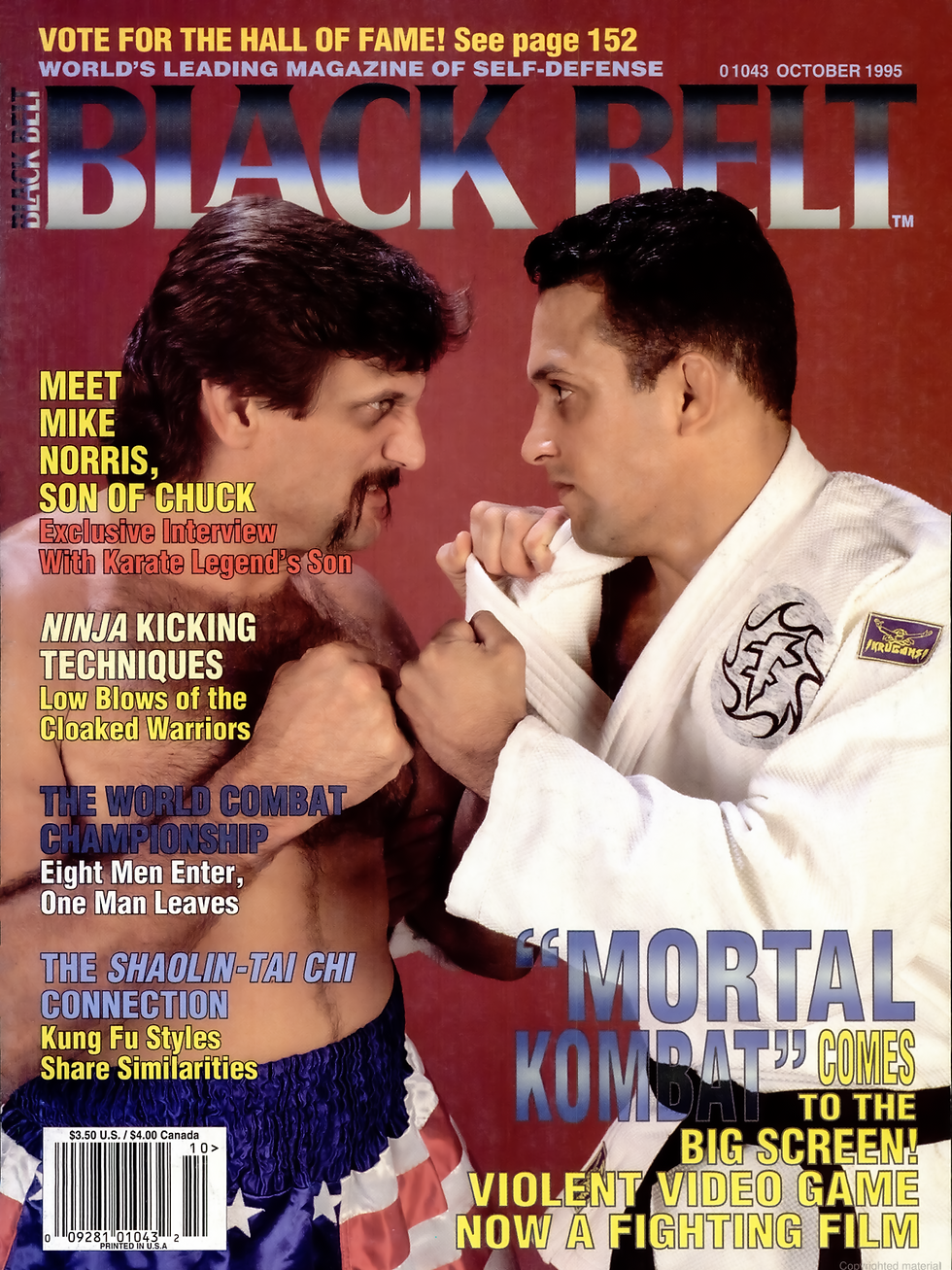
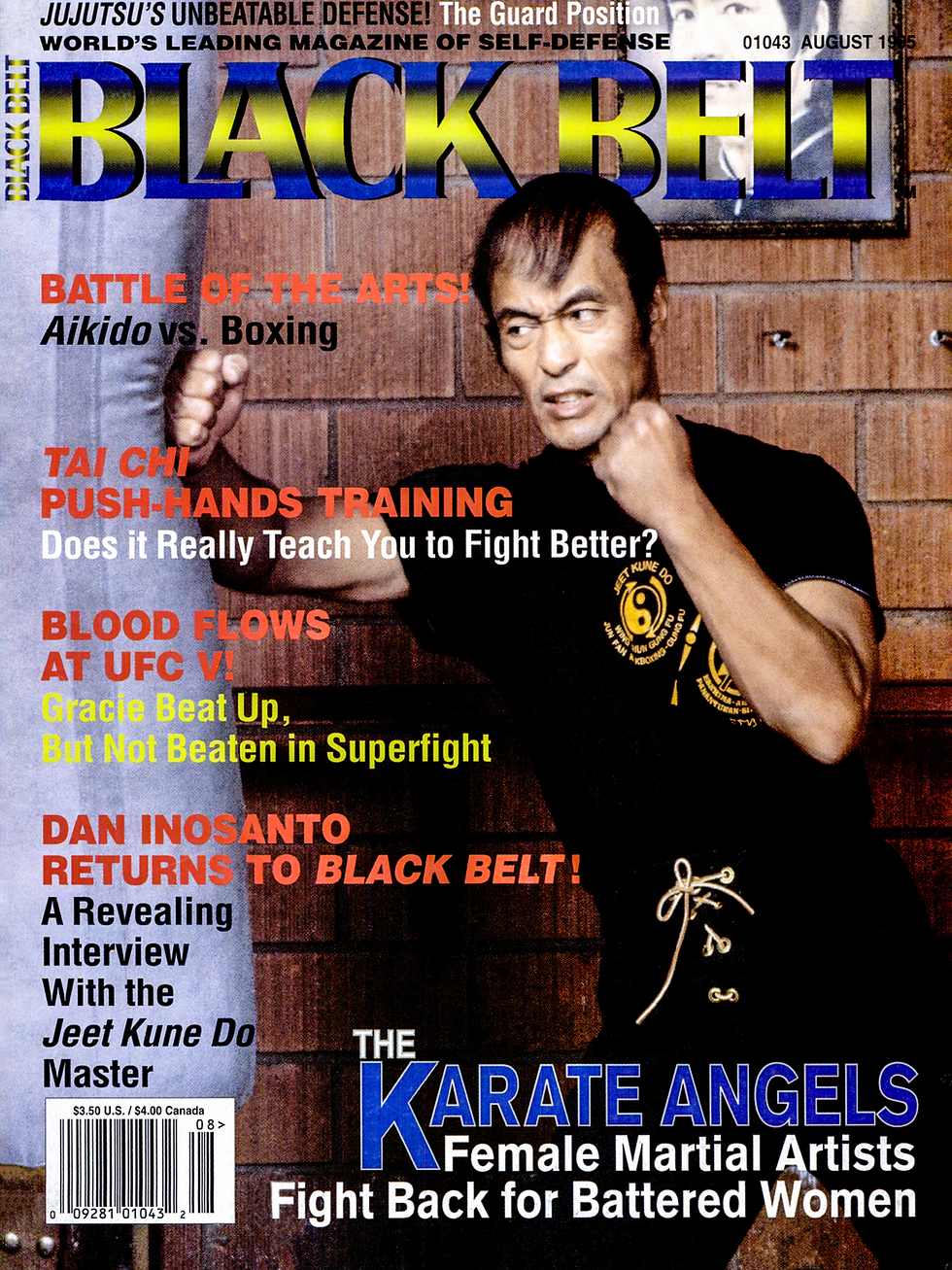
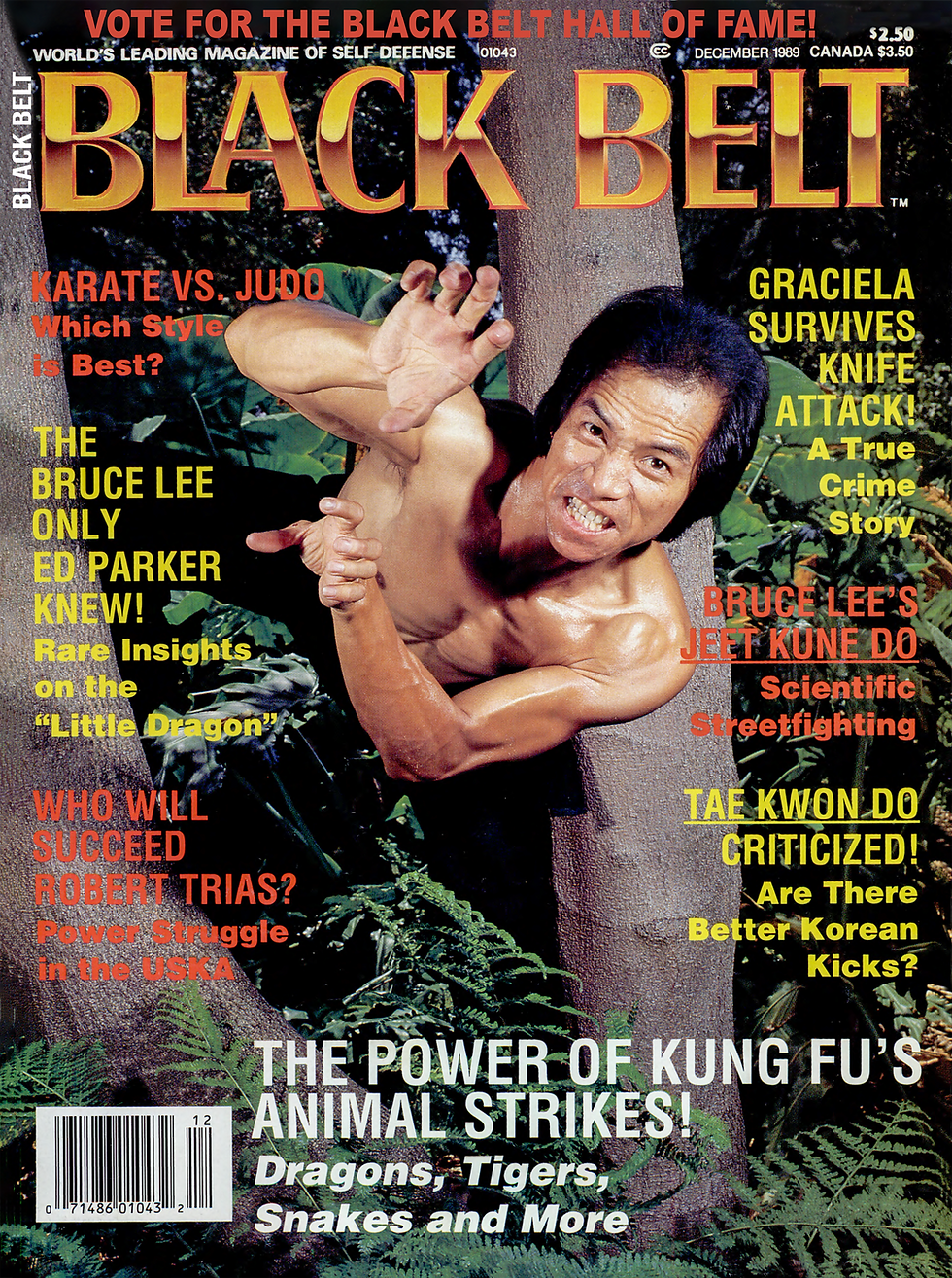
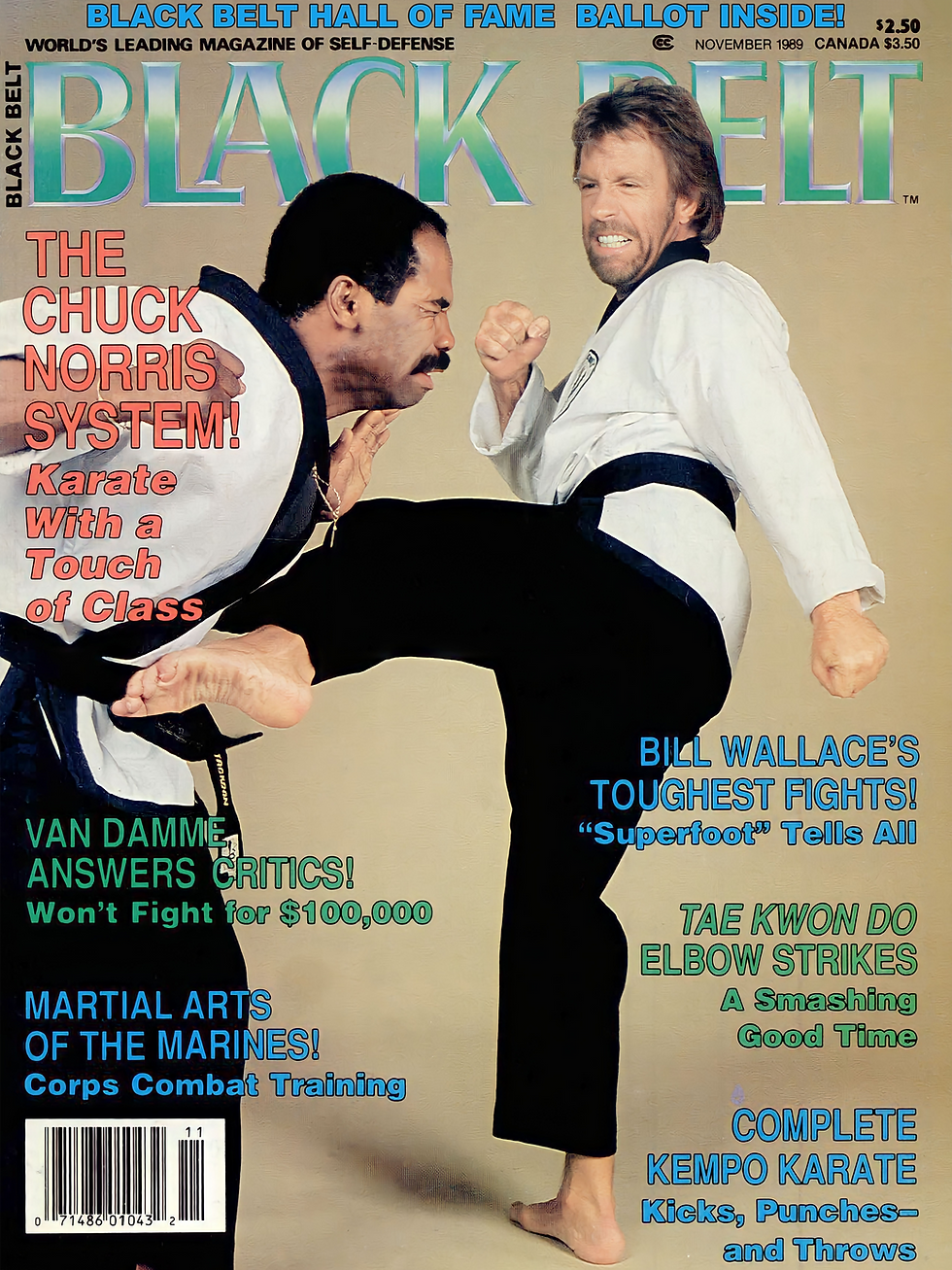
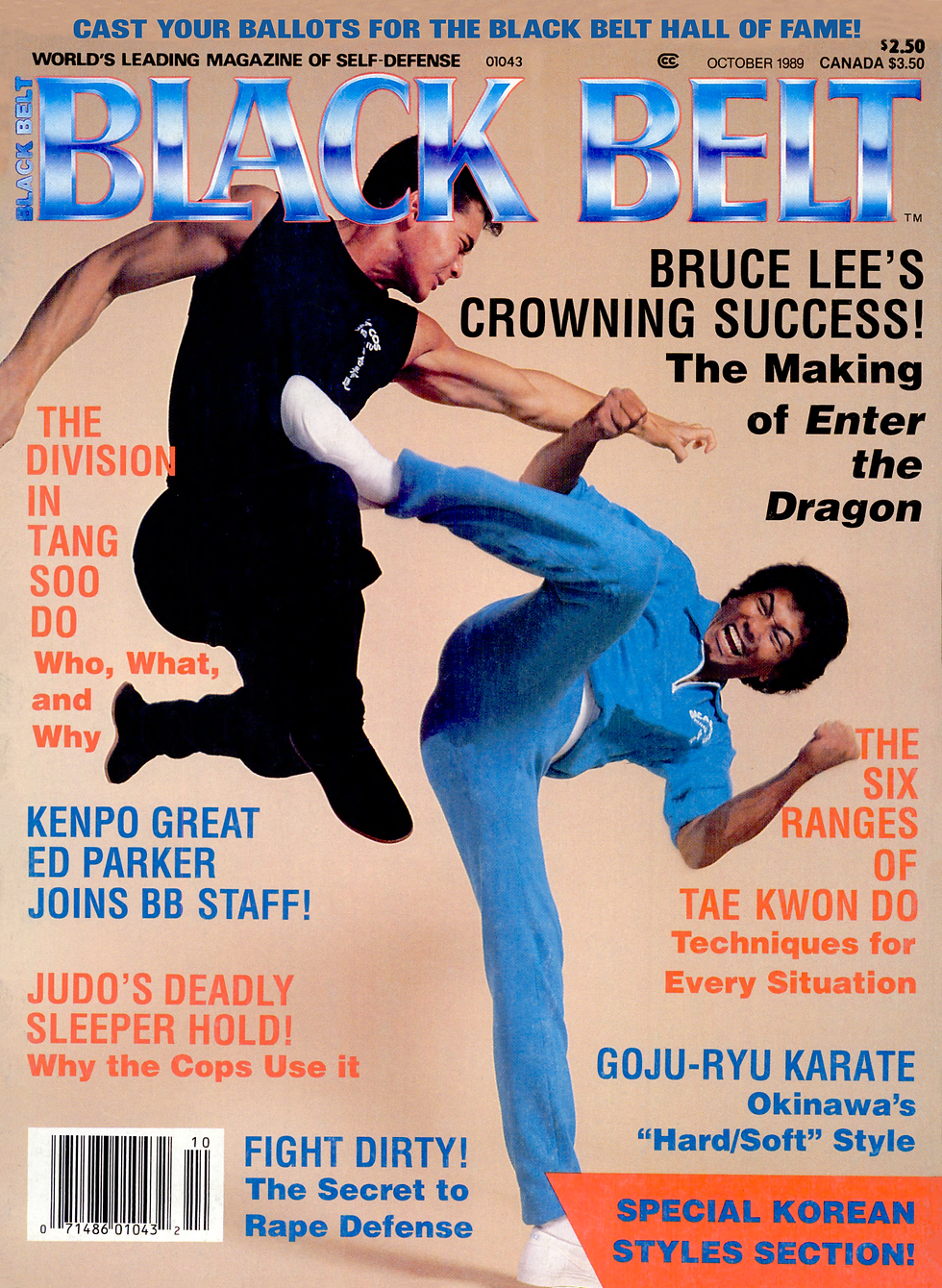
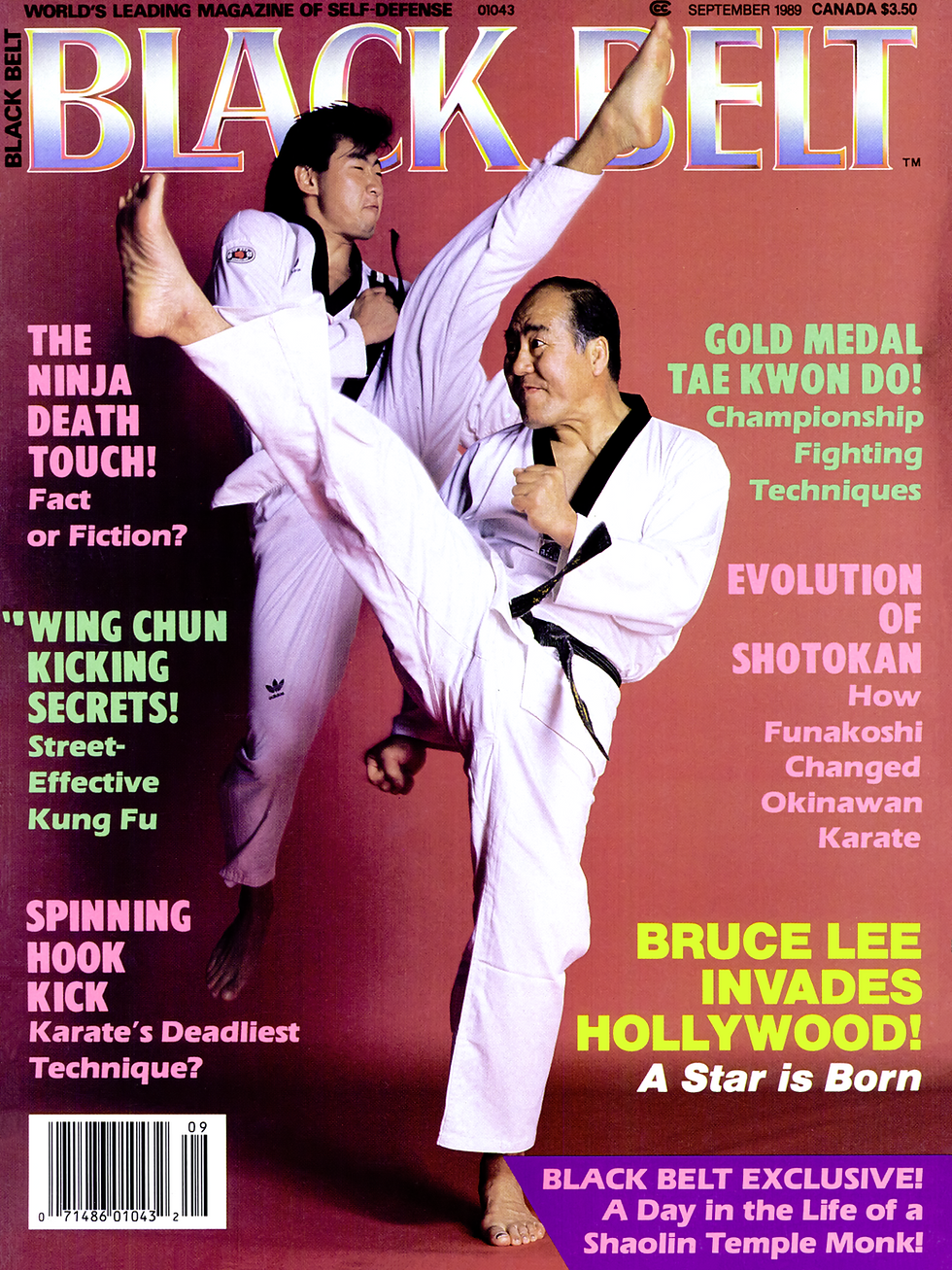
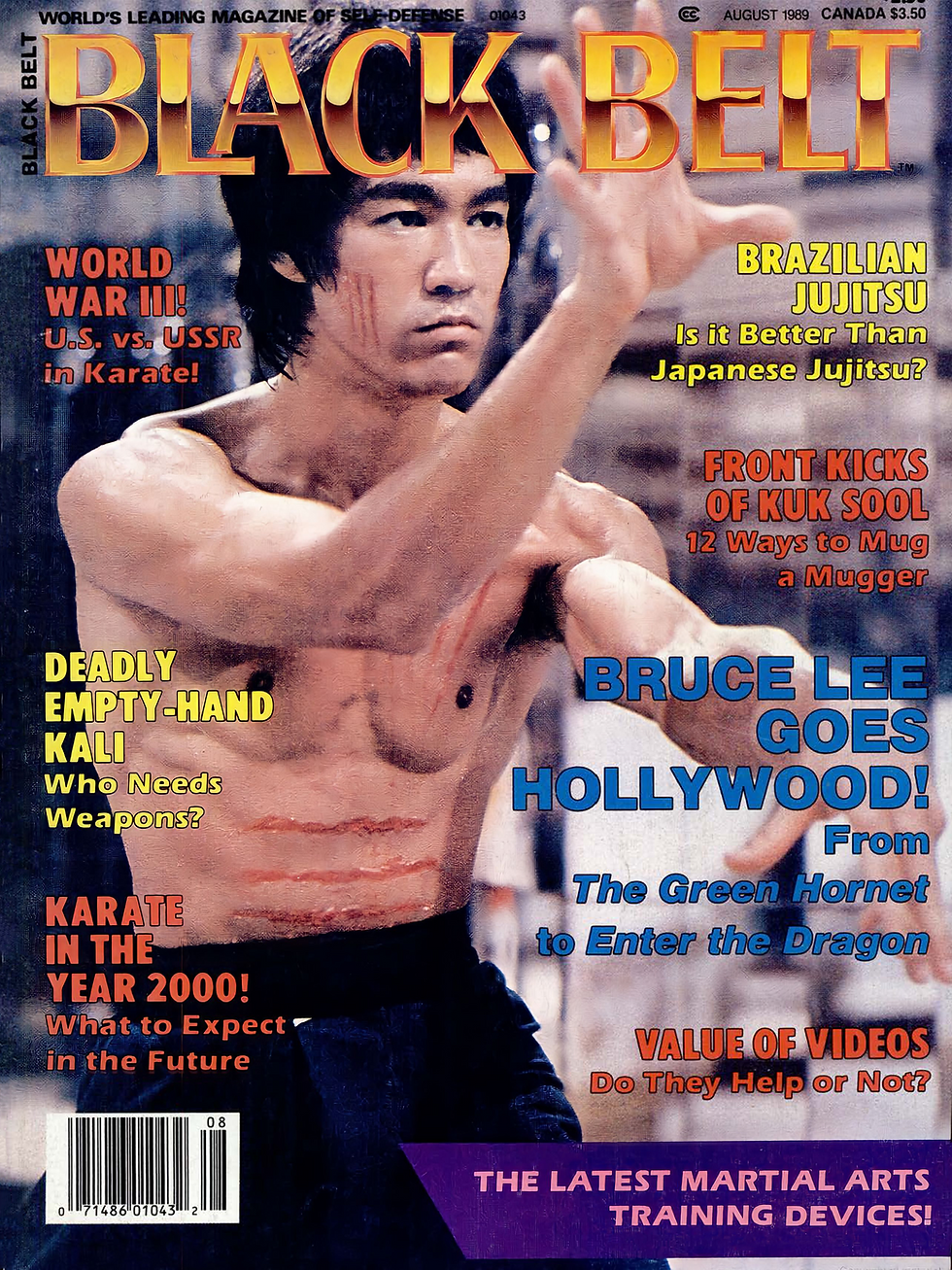
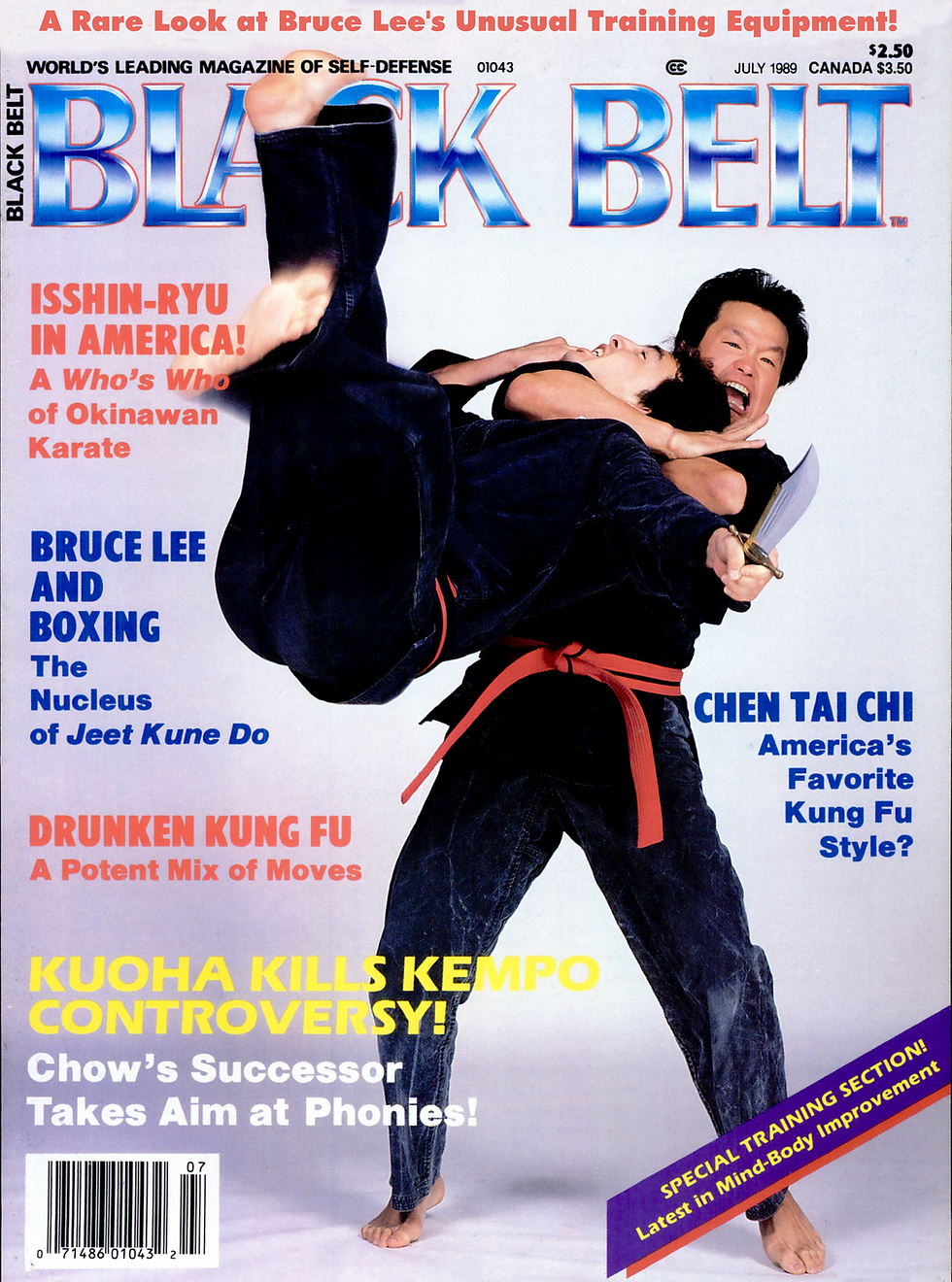
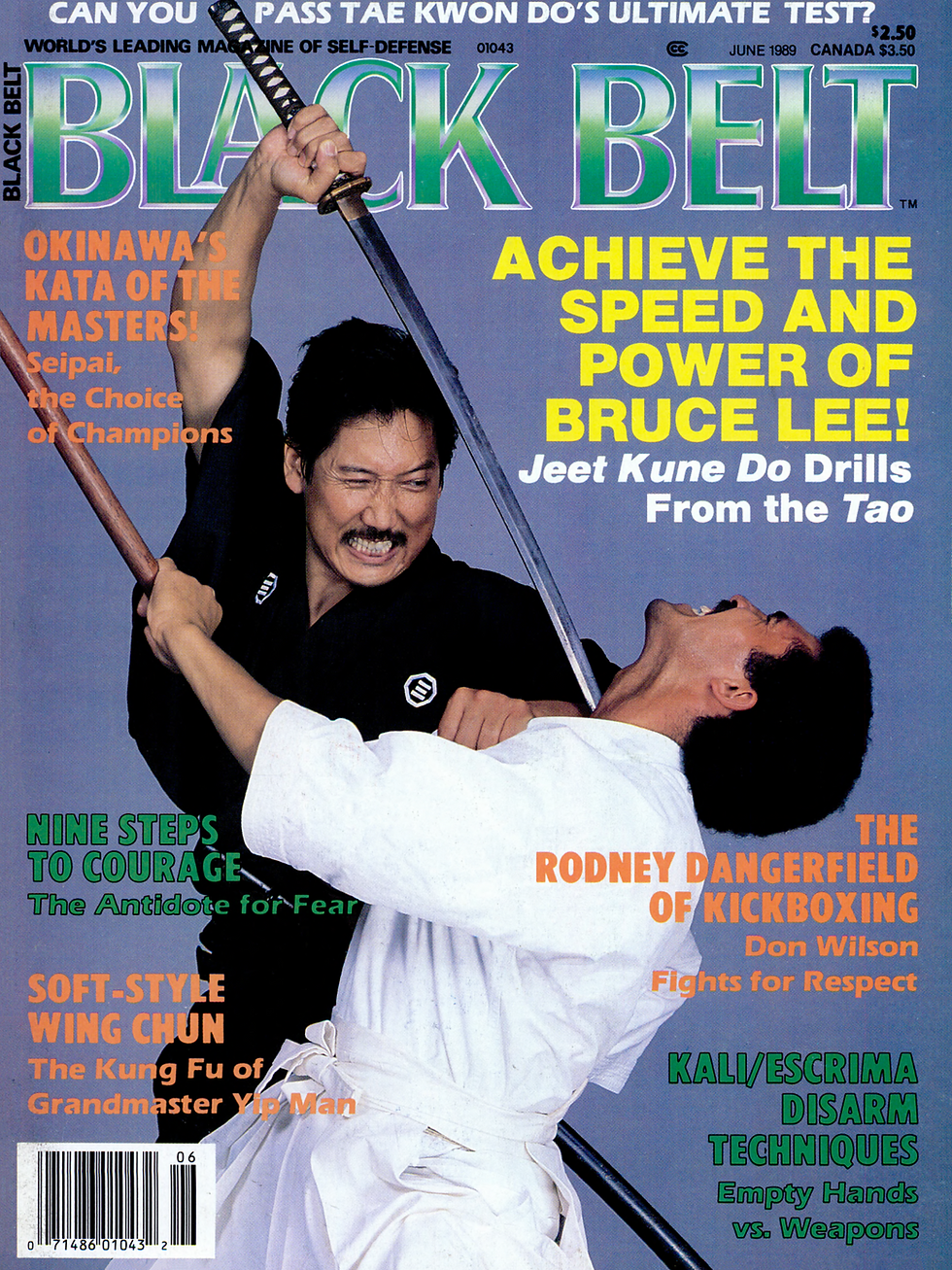
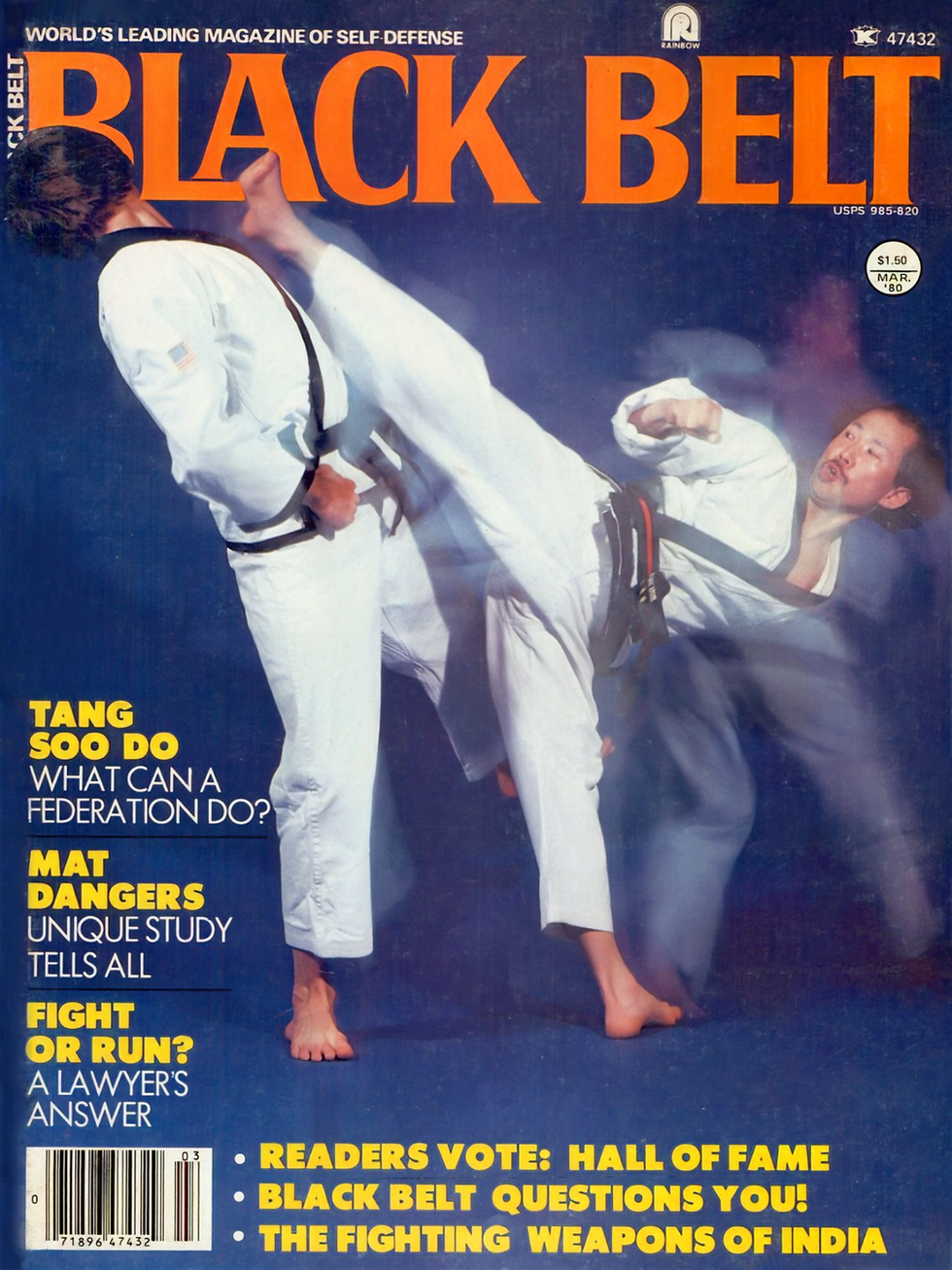
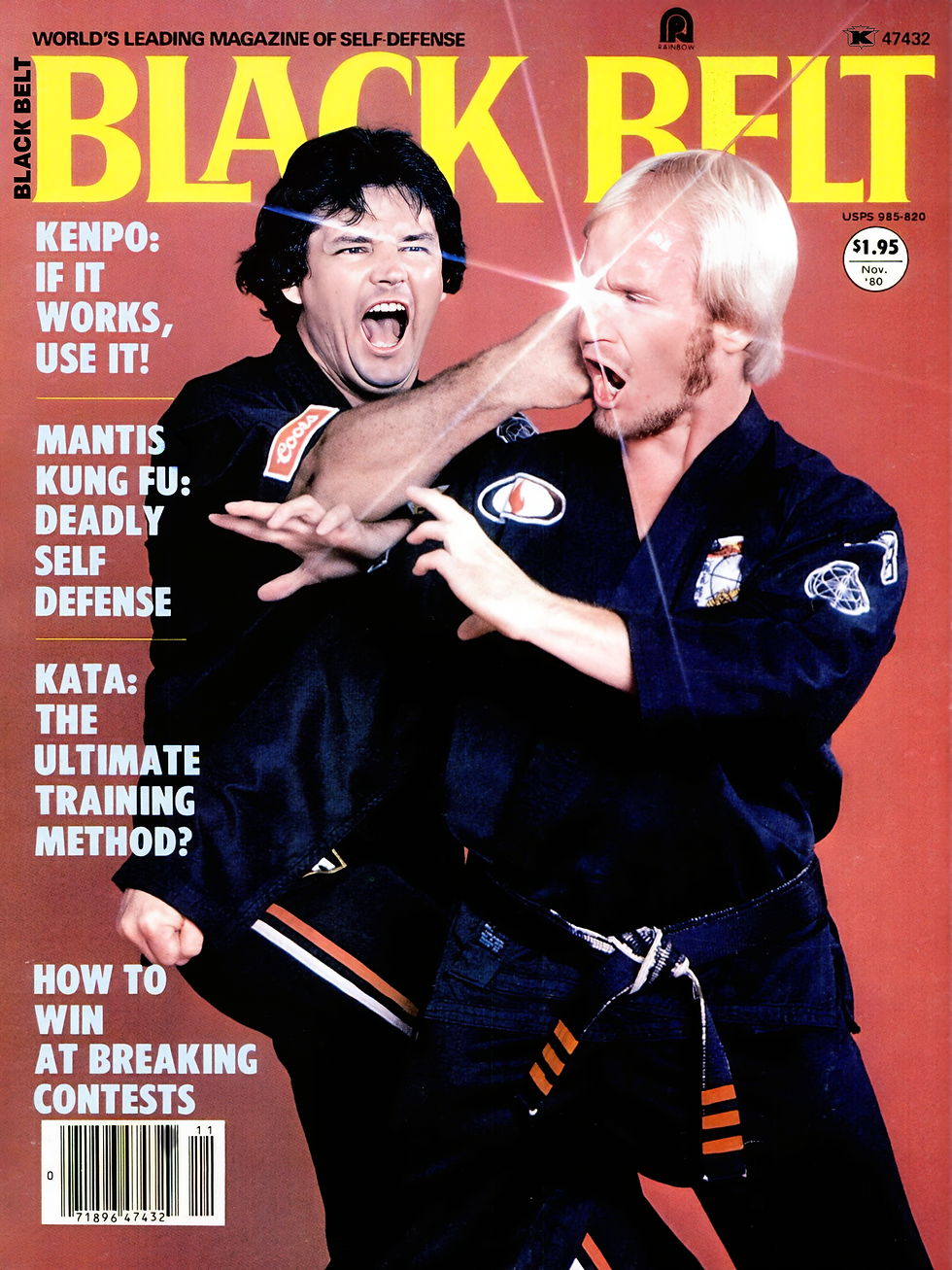
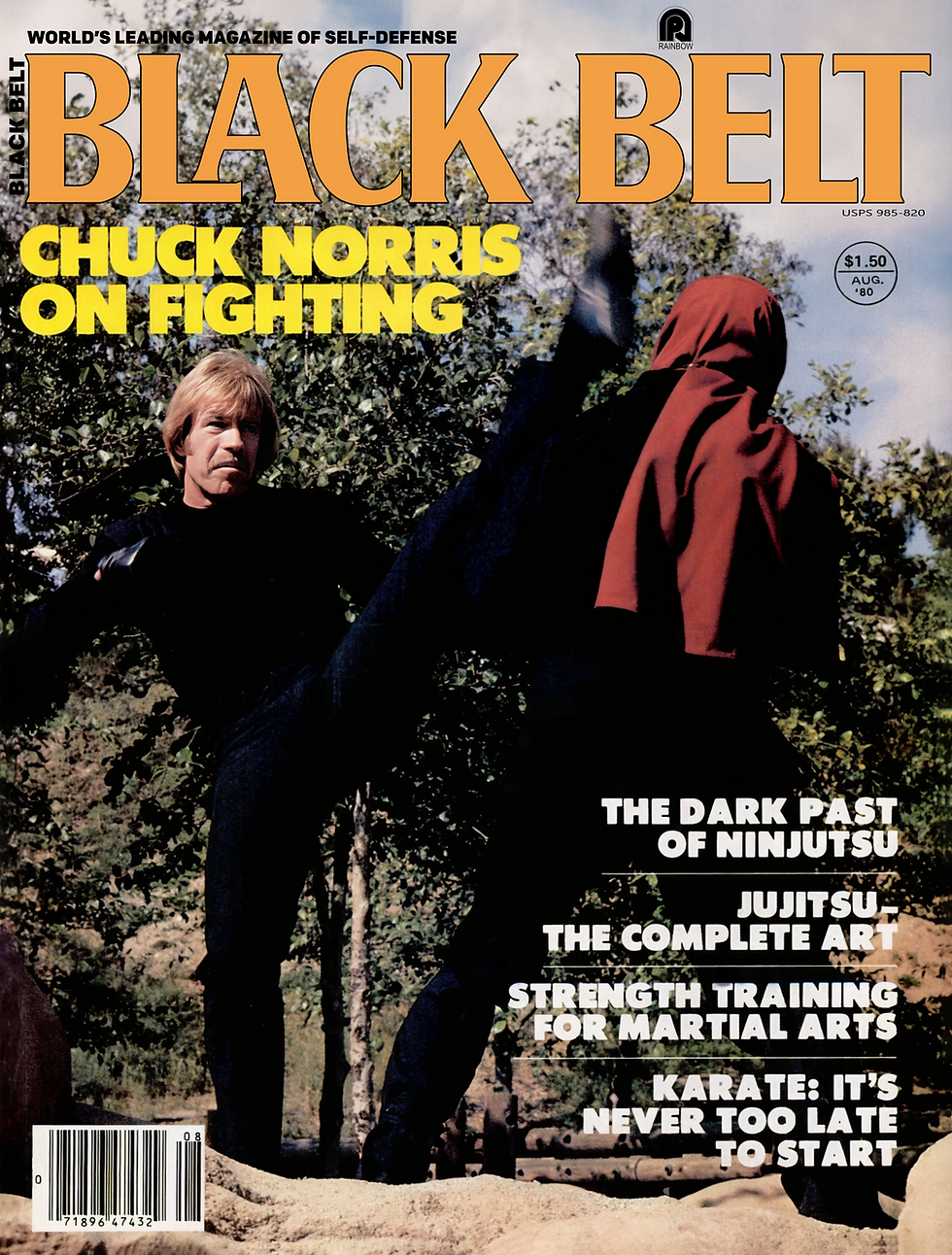
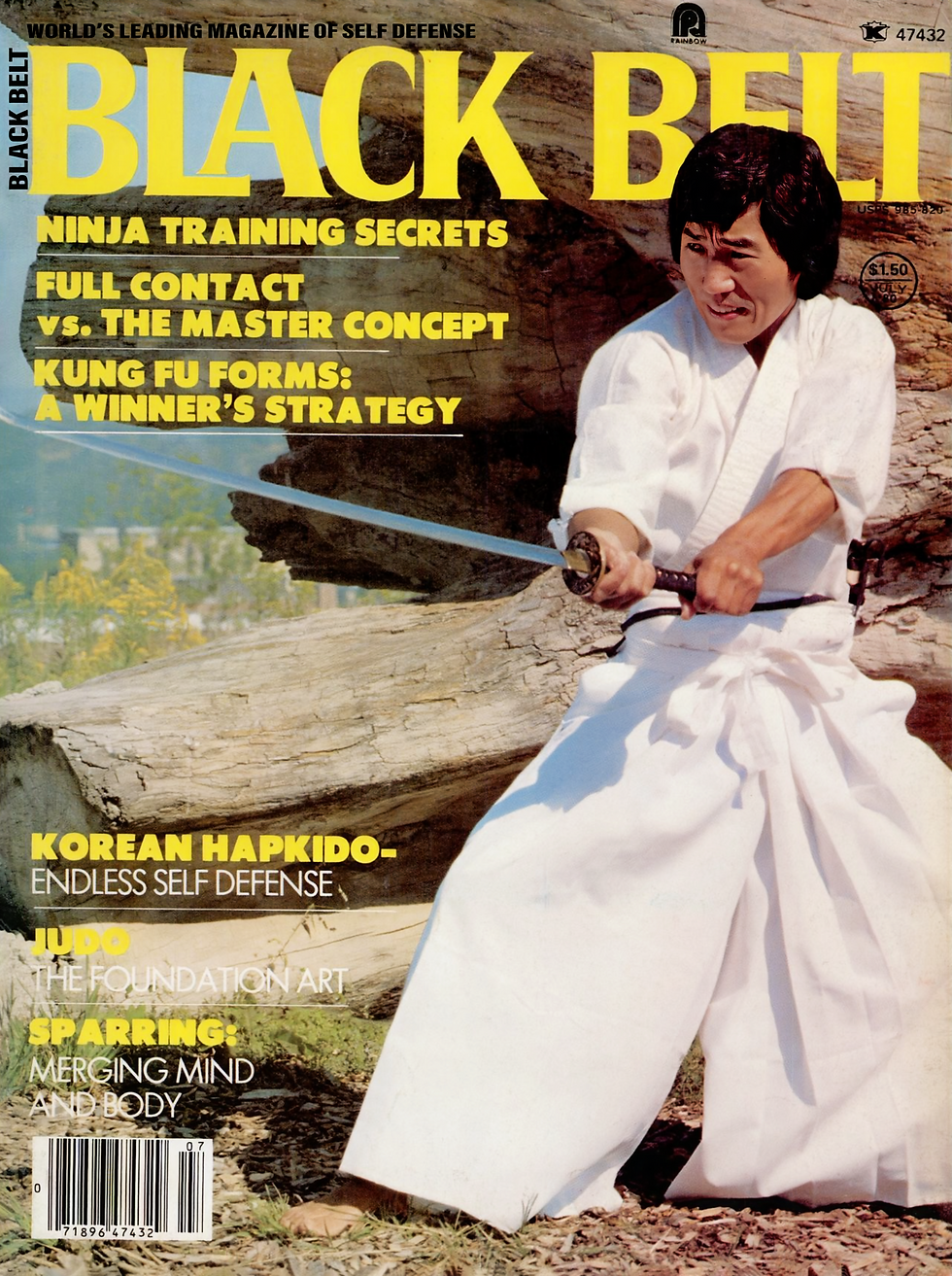
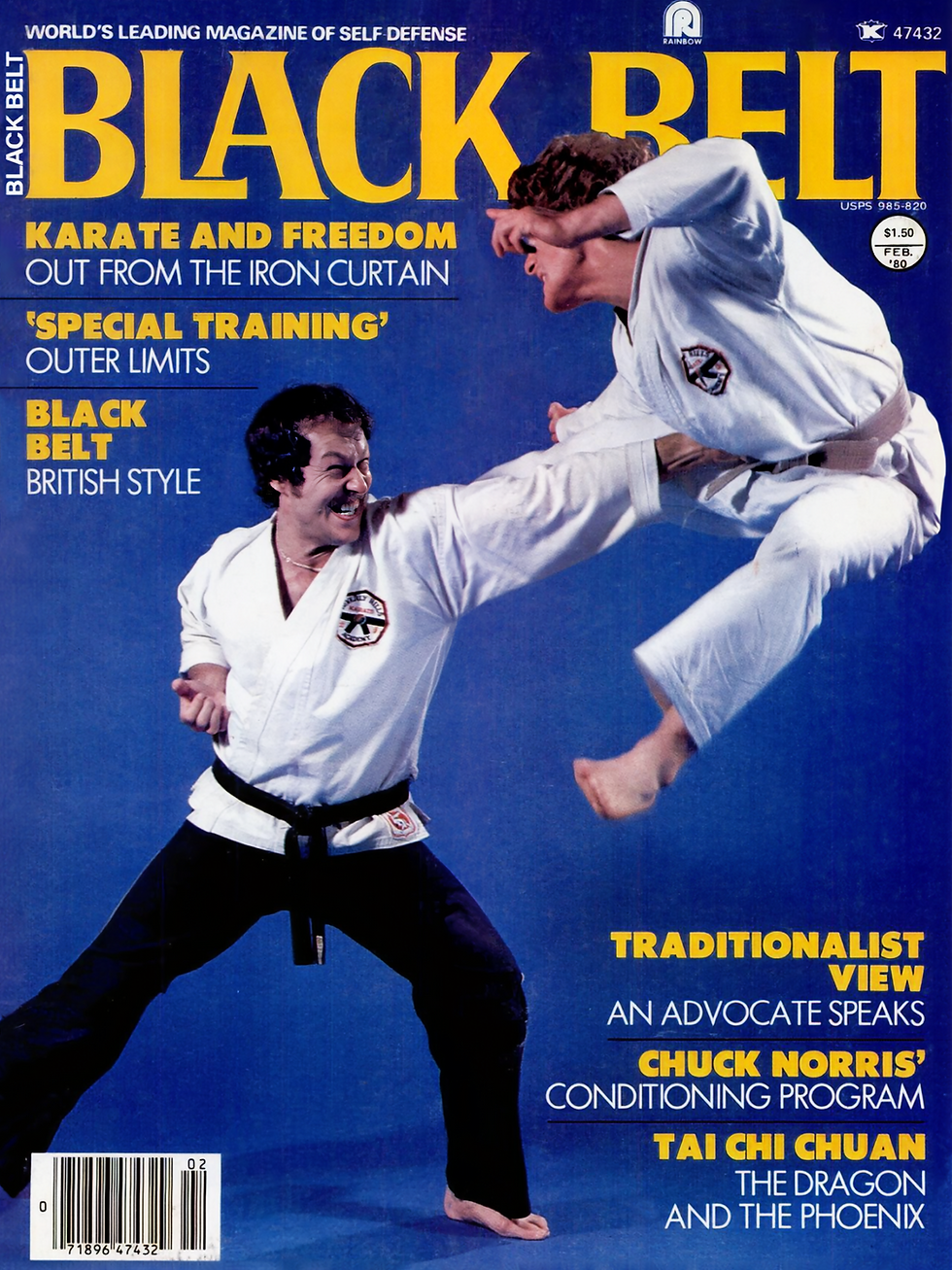
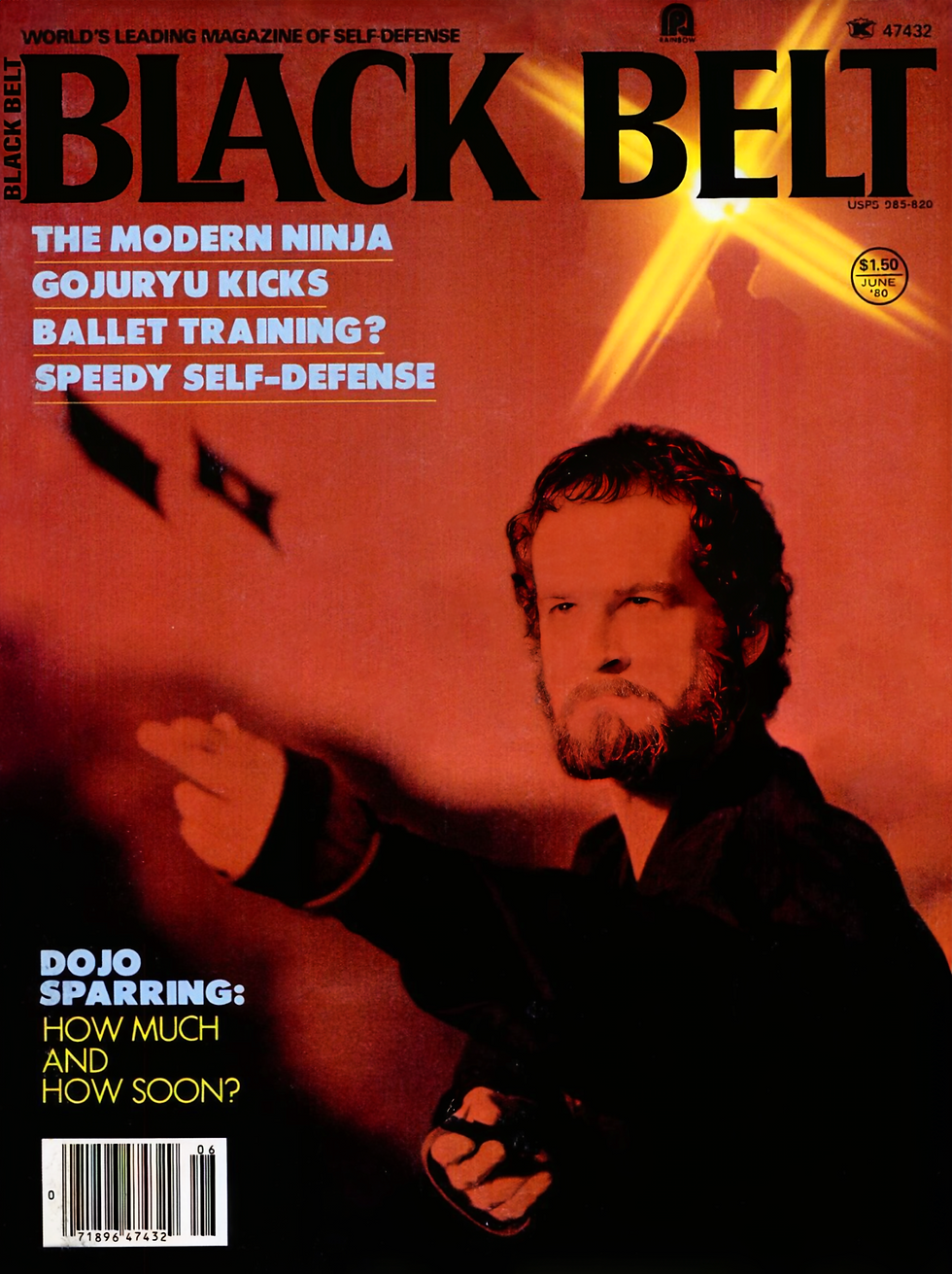
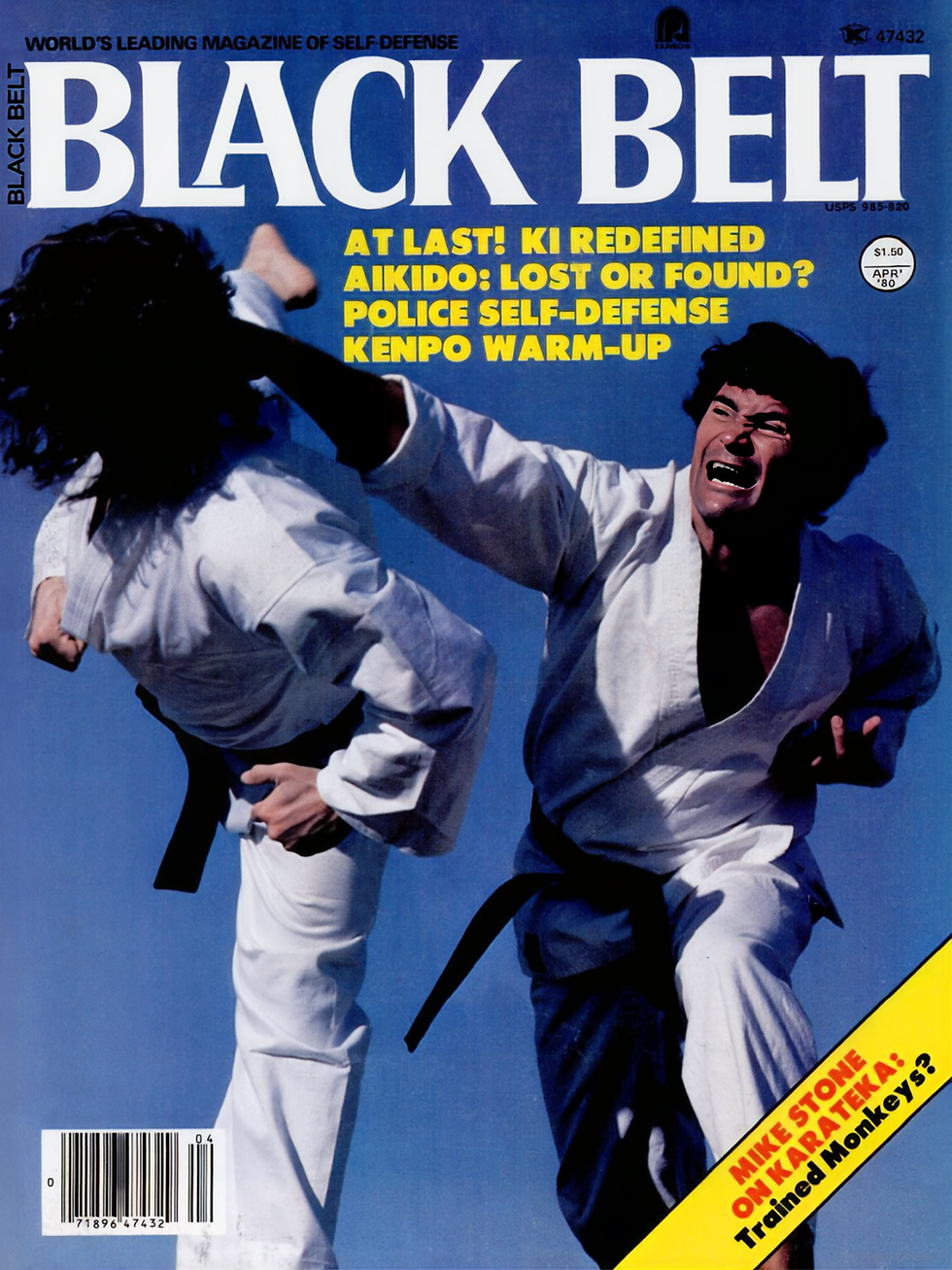
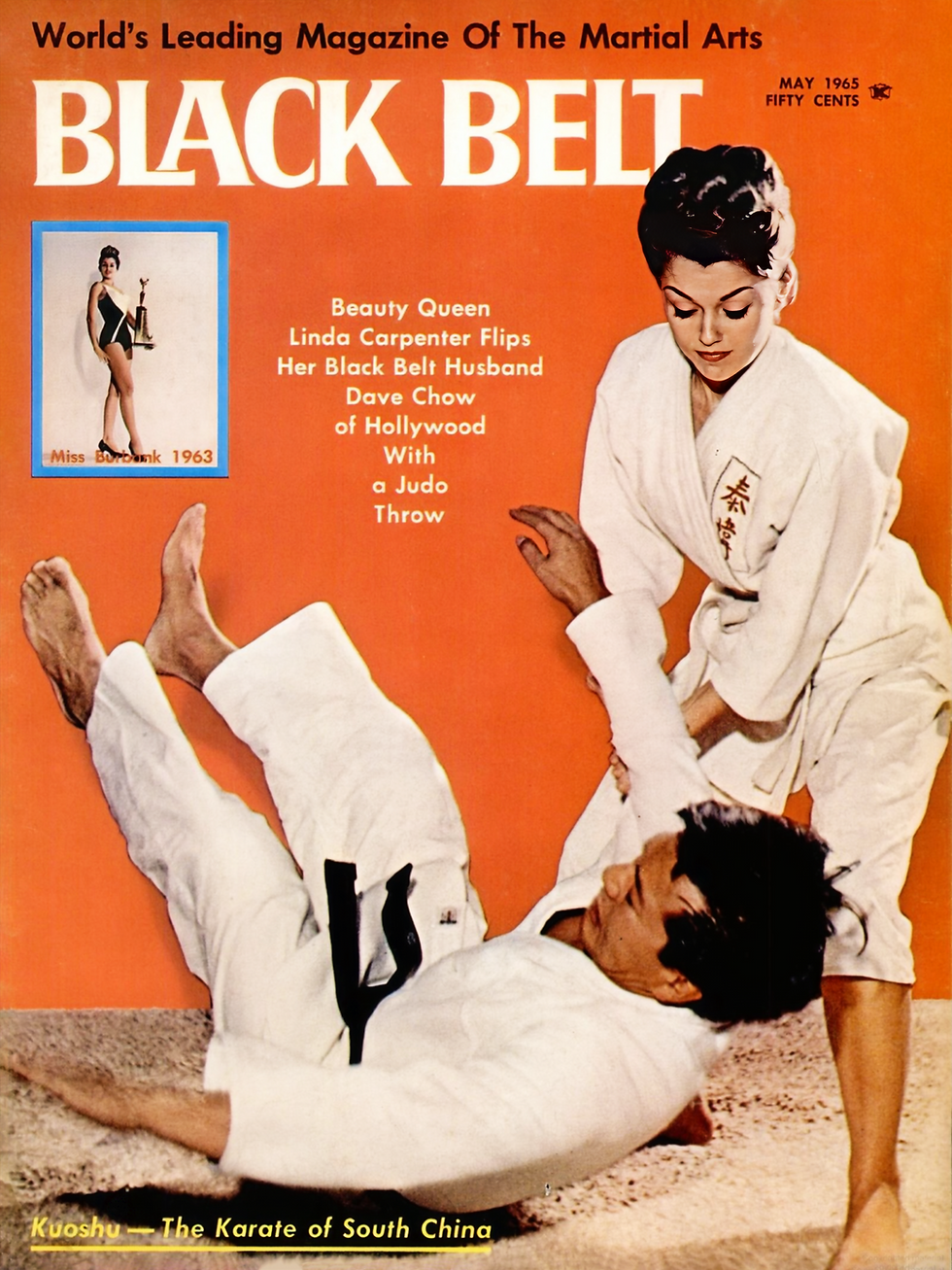
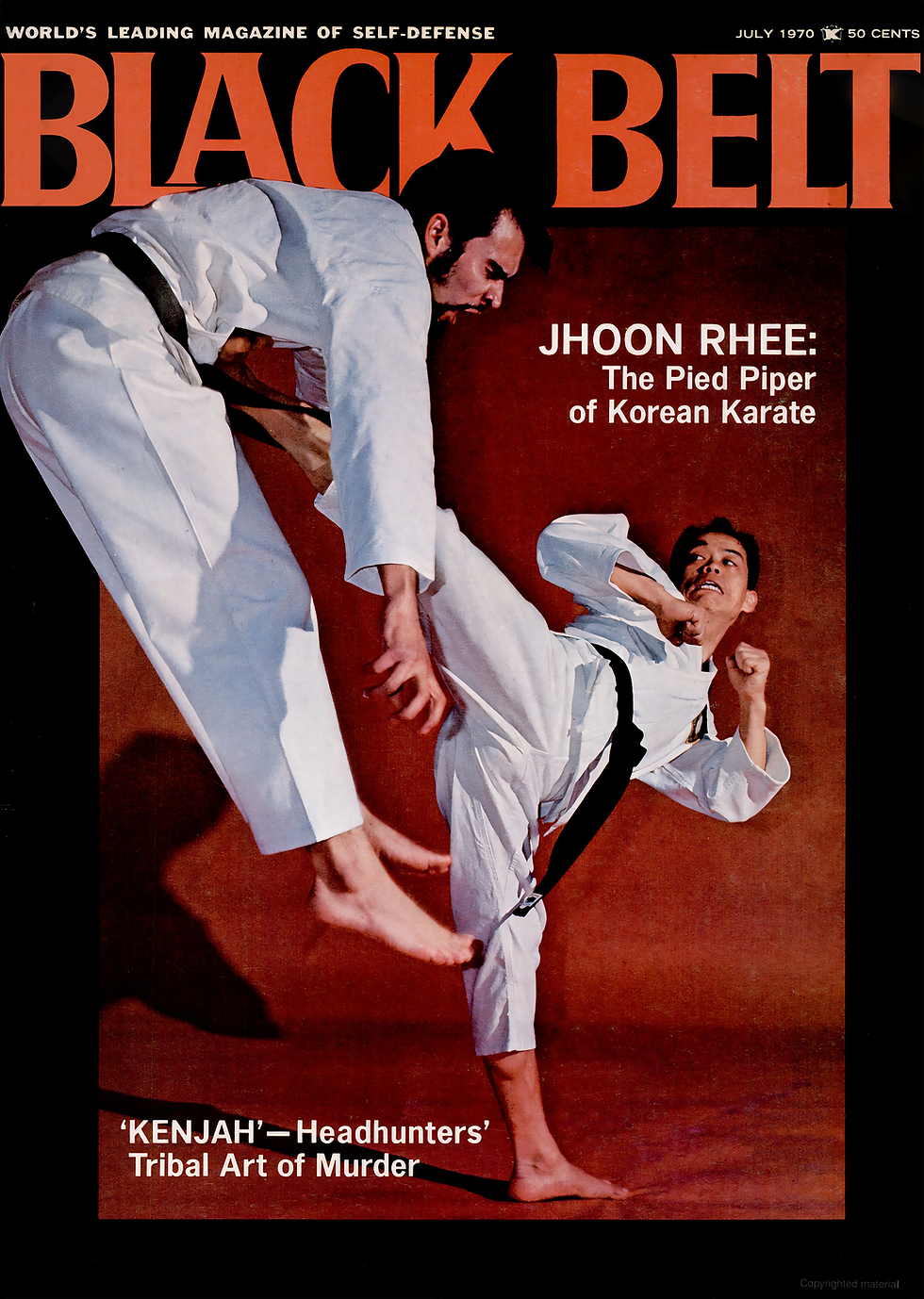
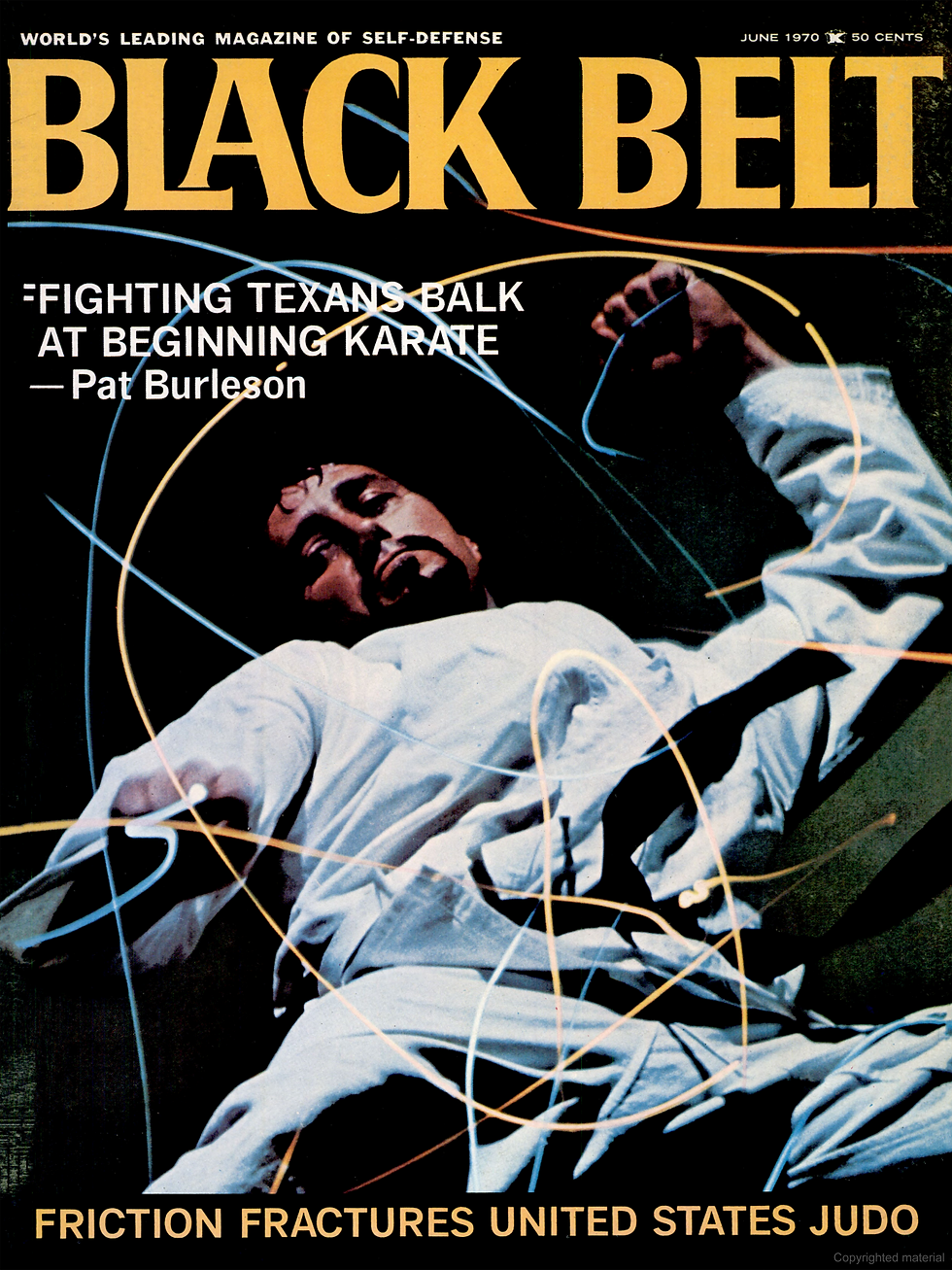
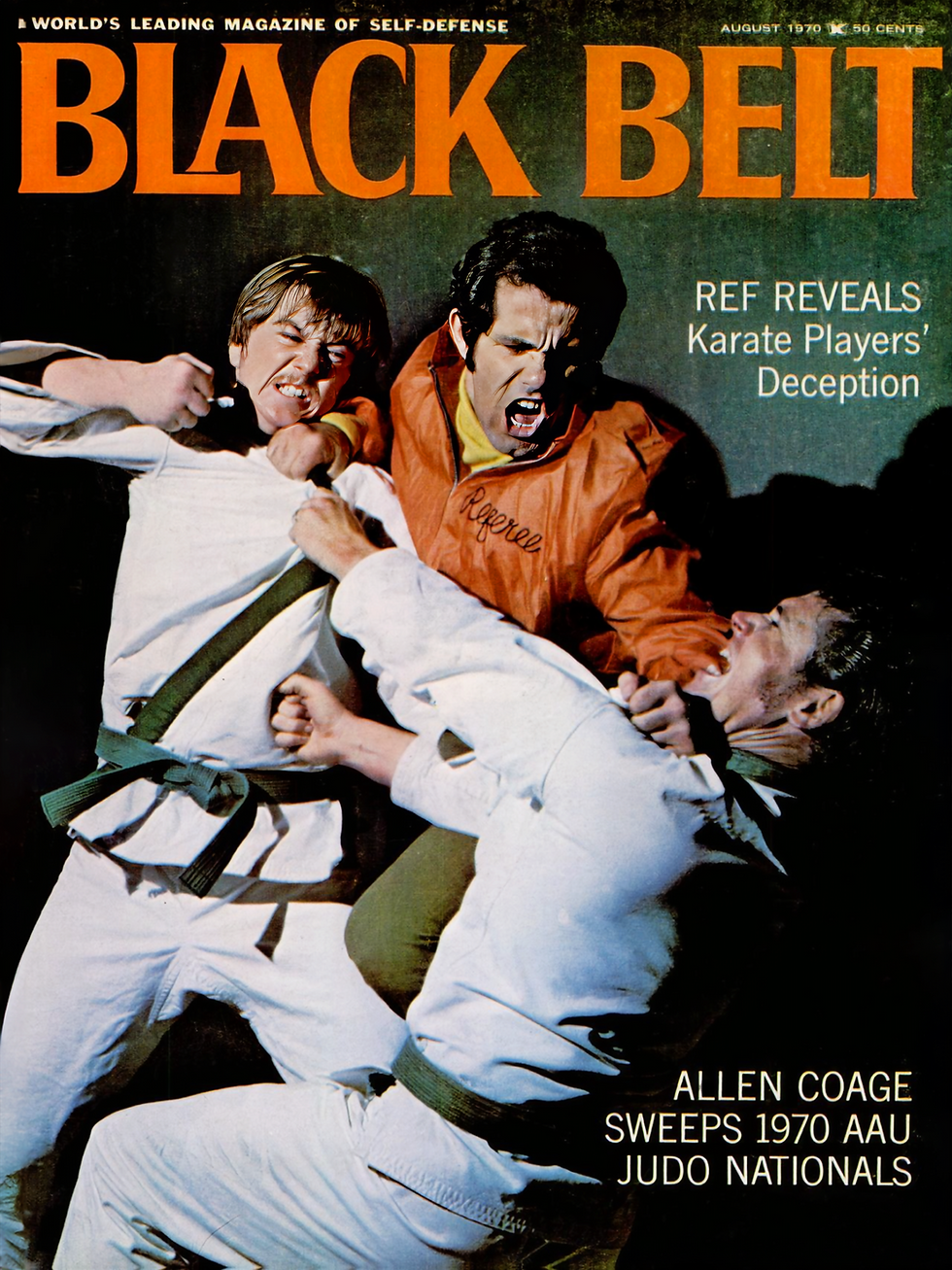
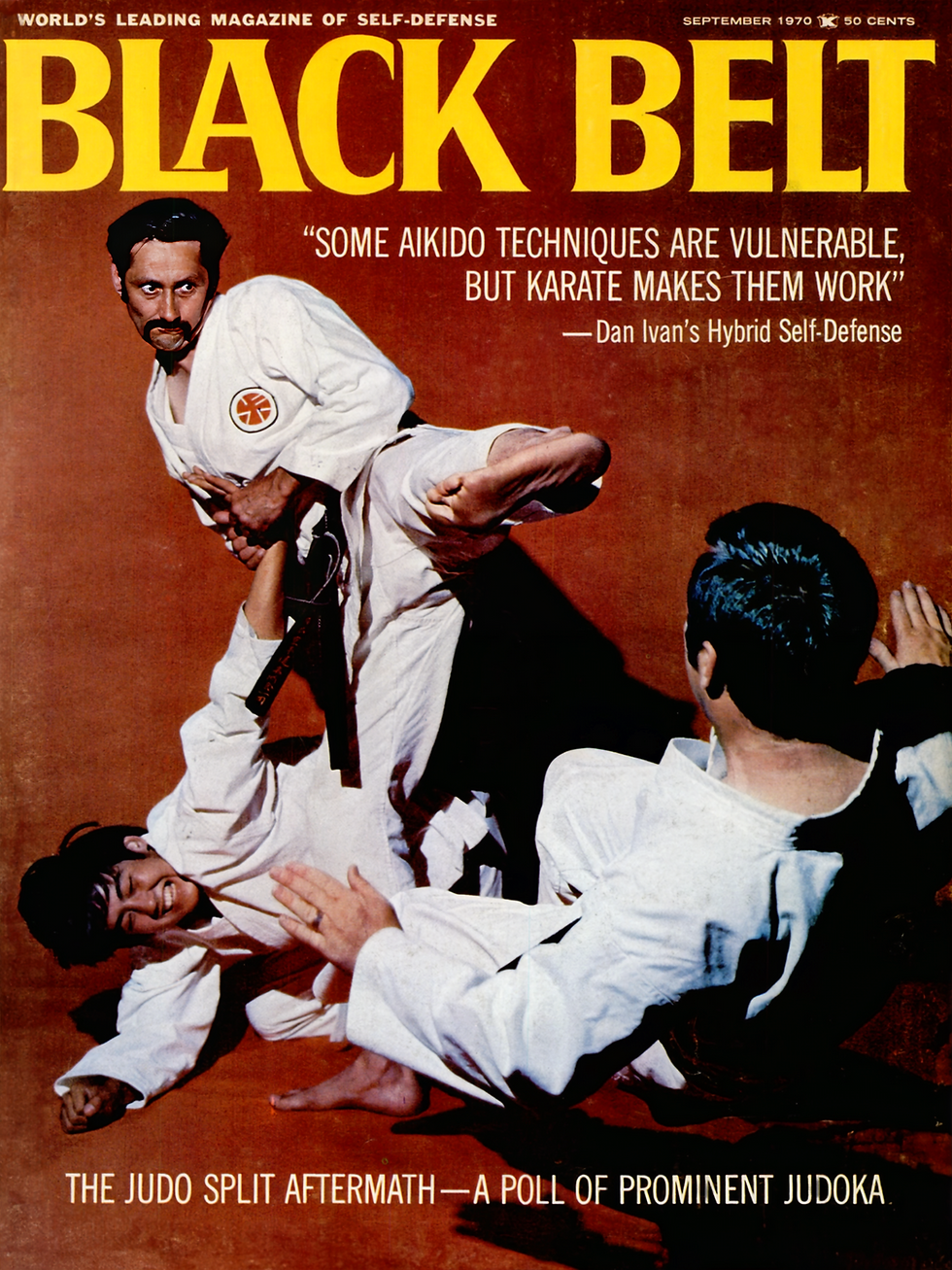
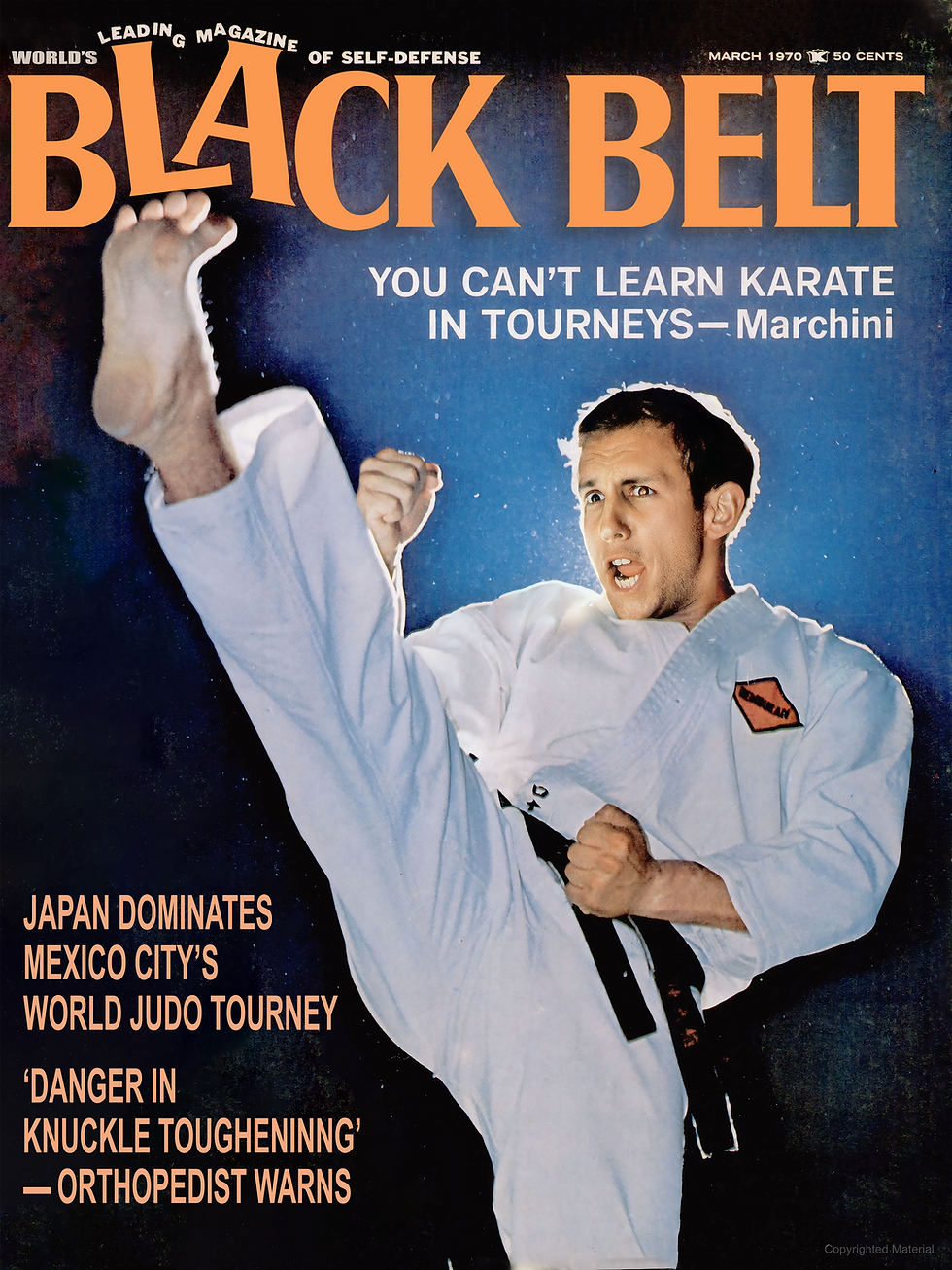
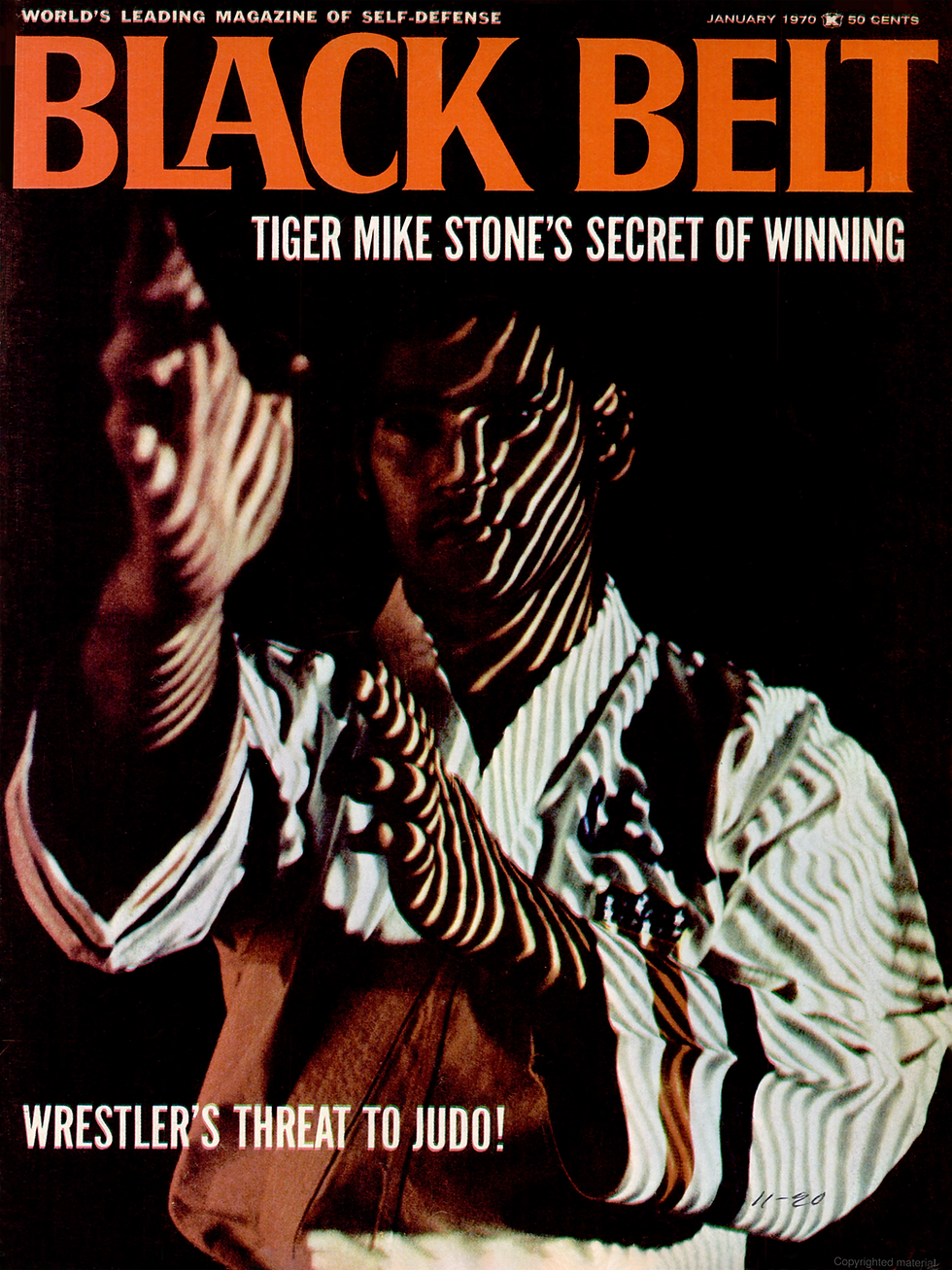
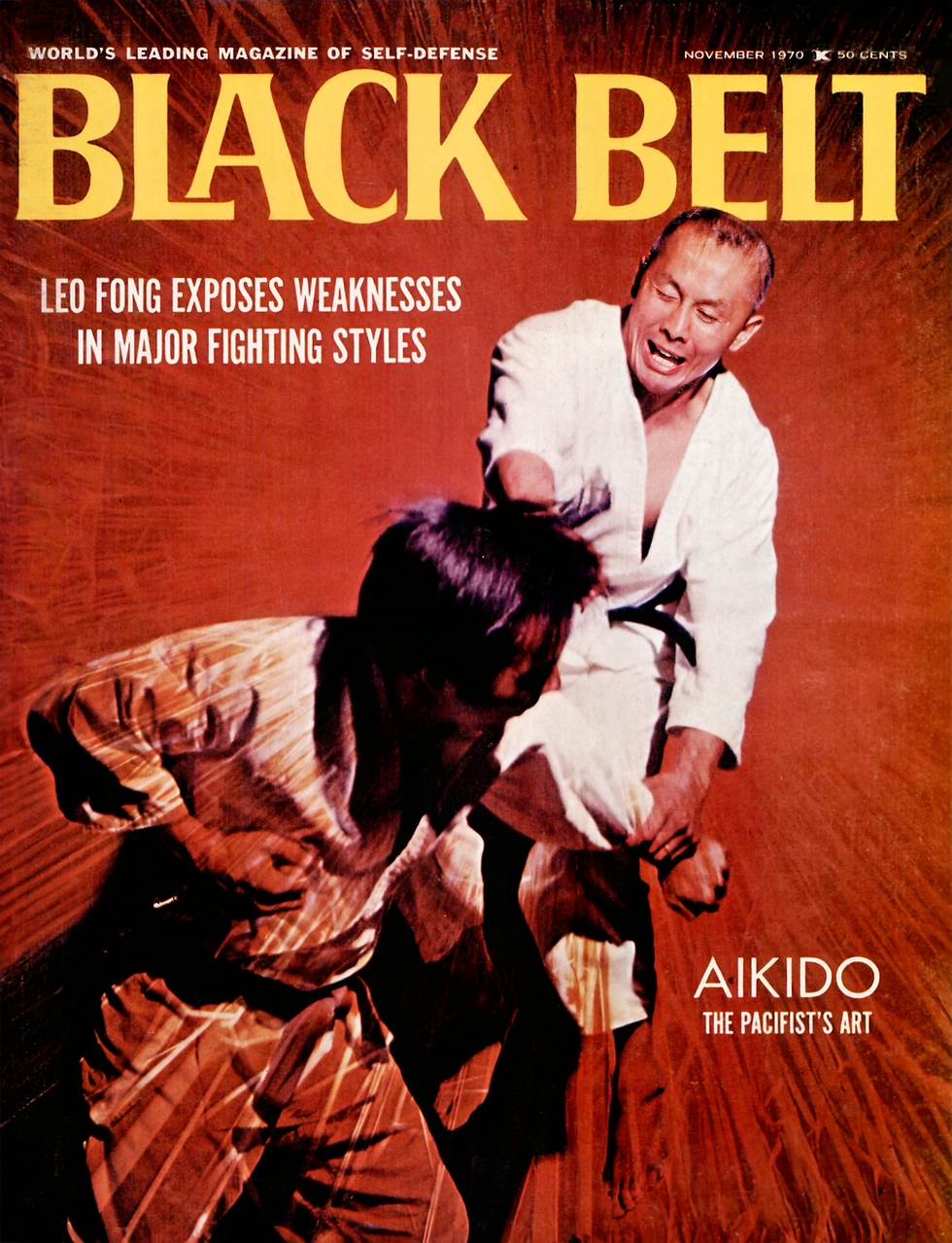
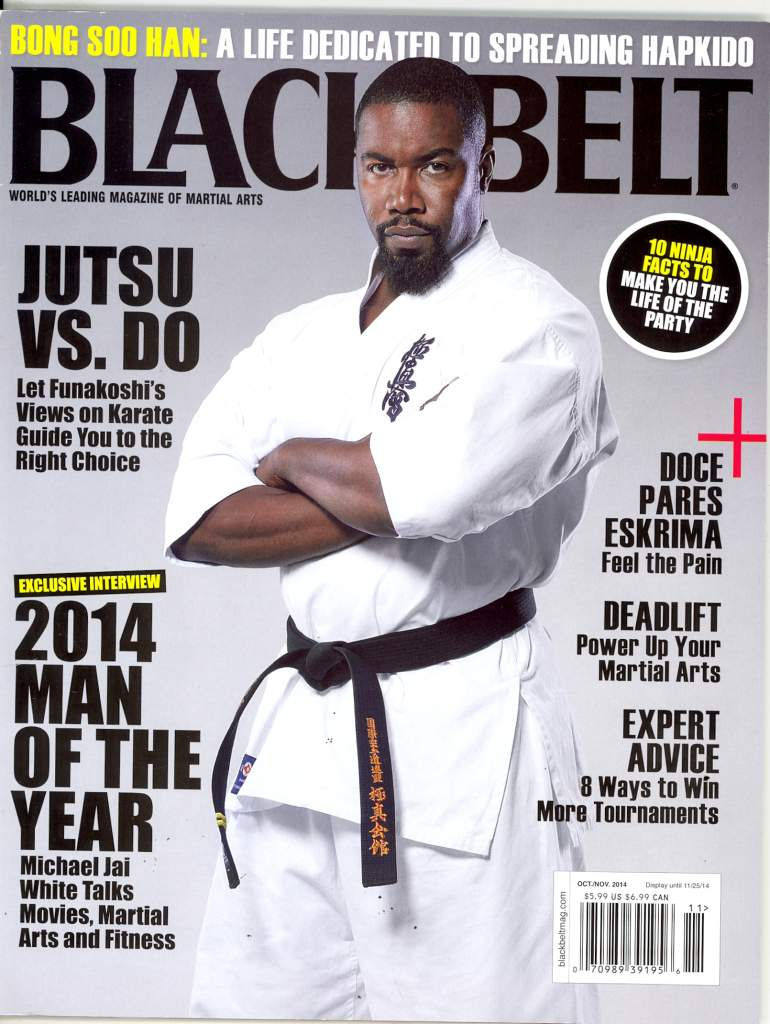
From the Black Belt Archives: Michael Jai White's 2014 Man of the Year Feature
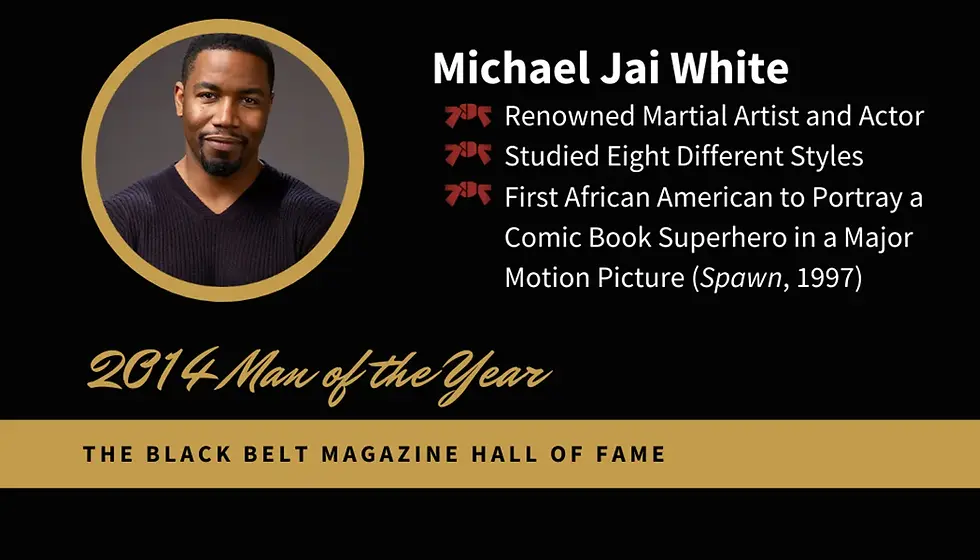
In our October/November 2014 issue, Black Belt Magazine named Michael Jai White its Man of the Year, recognizing his accomplishments in martial arts and entertainment, as well as his commitment to the principles of budo.
The six-page cover feature explored White's martial arts philosophy, approach to fitness, Hollywood career, and experiences training with legendary martial artists and fighters.
Want to read the original interview? Explore Michael Jai White's complete 2014 cover feature through Black Belt+, where subscribers can also access decades of martial arts history through our digital magazine archives dating back to the 1960s.
A Fighter Long Before He Was an Actor
Born in Brooklyn, New York, in 1967, White began studying martial arts as a child and continued training after moving to Bridgeport, Connecticut.
By 14, he was already teaching karate at a local YMCA and competing in tournaments. Over the years, his studies expanded into several disciplines, including Shotokan, Goju-ryu, Kyokushin, taekwondo, and kobudo.
That range of experience gave him a foundation that would prove particularly useful in the film industry. Karate developed his striking mechanics and body control, while exposure to different systems broadened his technical vocabulary.
White eventually earned eight black belts, with his eighth awarded in 2013 through a martial arts system associated with legendary kickboxer Bill "Superfoot" Wallace.
His training also brought him into contact with some of the most accomplished martial artists and fighters in the world. As he discussed in his 2014 Black Belt cover feature, he studied wushu with Wu Bin, Shotokan with Tsutomu Ohshima, and Kyokushin with Bobby Lowe and Shokei Matsui. He also trained in boxing with Tommy Hearns and Sugar Ray Leonard, and in K-1 kickboxing with Remy Bonjasky.
Before acting became his profession, White also spent several years as a schoolteacher, working with students who had emotional and behavioral difficulties.
His breakthrough in entertainment came in 1995, when he portrayed heavyweight boxing champion Mike Tyson in HBO's Tyson. Two years later, he starred as Al Simmons in Spawn, becoming one of the first Black actors to headline a major Hollywood superhero film.
Roles in Universal Soldier: The Return, Exit Wounds, and The Dark Knight followed.
But while those films established his presence in Hollywood, his reputation among martial arts fans grew through projects that gave him room to demonstrate what he could actually do.
Undisputed II: A Boxer Against a Martial Artist
One of White's most memorable performances came in 2006's Undisputed II: Last Man Standing.
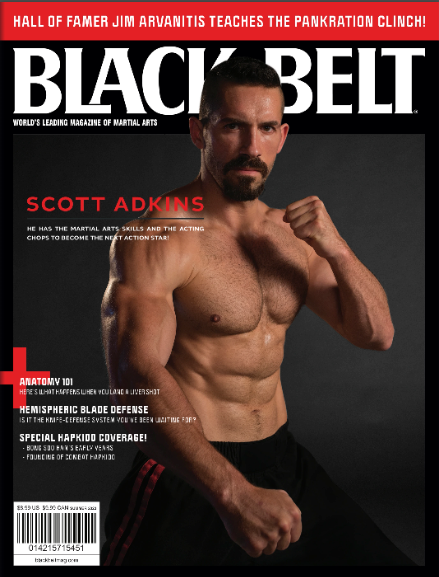
Playing former heavyweight boxing champion George "Iceman" Chambers, White faces Yuri Boyka, portrayed by Scott Adkins, in a prison fighting tournament.
The film's appeal lies partly in the contrast between the two fighters.
Boyka is an explosive martial artist who uses spinning kicks, acrobatic attacks, and a wide range of techniques. Chambers, on the other hand, relies primarily on his boxing background.
For an actor with White's extensive kicking ability, the role could easily have become an excuse to showcase every technique in his repertoire. Instead, the character's fighting style remains largely consistent with his background.
White's punches carry the weight and mechanics expected of a heavyweight boxer, while his footwork and defensive reactions help sell the physical challenge posed by Boyka.
The result is a fight that feels like a contest between two distinct athletes rather than two performers exchanging interchangeable choreography.
It's also a good example of why understanding martial arts can be valuable to an actor. The ability to perform a technique is one thing. Knowing whether that technique belongs in a particular fight is another.
Blood and Bone: The Perfect Showcase
If Undisputed II required White to work within the limitations of a boxer, Blood and Bone gave him considerably more freedom.
Released in 2009, the film follows Isaiah Bone, a mysterious fighter who enters Los Angeles' underground fighting circuit.
The story provides plenty of opportunities for White to put his martial arts skills on display, and the action doesn't disappoint.
What stands out isn't necessarily the complexity of the choreography. It's the way White executes it.
His kicks are delivered with sharp hip rotation and controlled extension. His punches travel along efficient paths, and his transitions between techniques rarely look labored. Even when facing multiple opponents, his movements remain deliberate.
There's also an economy to his fighting style that suits the character.
Bone doesn't waste much time showing off. He waits for openings, counters decisively, and often ends exchanges before his opponents have much opportunity to respond.
Of course, the film still embraces the exaggeration expected of martial arts entertainment. Opponents are dispatched with spectacular efficiency, and the fights are designed to make White's character look nearly unstoppable.
But the techniques themselves have a recognizable foundation.
The camera often gives viewers enough space to see White's movements from beginning to end. For martial arts audiences, that's part of the enjoyment. A well-executed kick or combination is more satisfying when you can actually see how it's performed.
What Makes Michael Jai White's Fighting Look Different?
White's screen presence owes a great deal to his physical attributes. He's muscular, imposing, and capable of generating considerable power.
But size alone doesn't explain why his action scenes work.
One of his most noticeable strengths is the relationship between speed and control.
Large performers can sometimes appear stiff when executing complex martial arts techniques, particularly high kicks or rapid combinations. White rarely has that problem. He can deliver a fast kick without appearing to sacrifice his balance, then recover quickly enough to continue the exchange.
His striking also reflects years of traditional training.
The hip engagement, coordinated upper-body movement, and disciplined posture associated with karate are visible throughout his performances. Even when the choreography incorporates boxing or other fighting methods, his movements retain a clear technical foundation.
Another strength is his ability to make contact appear convincing.
In screen combat, a strike must look powerful without actually landing with dangerous force. That requires careful control of distance, timing, and body mechanics.
White's strikes look convincing because of their acceleration, timing, and controlled follow-through. Even when the camera reveals the full movement, his techniques retain the appearance of power.
These details might escape the average moviegoer, but experienced martial artists tend to notice them.
And while White is certainly capable of flashy techniques, his most effective moments often involve relatively simple movements performed exceptionally well.
A clean counterpunch, a properly timed side kick, or a decisive combination can be just as entertaining as an elaborate spinning attack.
More Than an Action Star
White's career has also demonstrated that being a capable martial artist doesn't mean being limited to action roles.
In Black Dynamite (2009), he plays a larger-than-life hero in a comedy that pays tribute to, and pokes fun at, the blaxploitation films of the 1970s.
The role allows White to combine his physical abilities with a completely different kind of performance. The fights are deliberately theatrical, the dialogue is exaggerated, and much of the humor comes from the film's commitment to its own absurdity.
White handles the material with the same confidence he brings to more serious action roles.
He has also appeared in dramas, television series, and mainstream Hollywood productions, including Tyler Perry's Why Did I Get Married? films.
Behind the camera, he's taken on additional responsibilities as a writer and director.
His directing credits include Never Back Down 2: The Beatdown, Never Back Down: No Surrender, and Outlaw Johnny Black, the 2023 Western action-comedy in which he also starred.
These projects have allowed him to participate in the filmmaking process beyond performing the action.
For a martial artist whose career began in the dojo, it's a natural extension of the skills that first brought him into the industry.
Still the Real Deal
Michael Jai White has spent more than three decades building a career in film and television, but his martial arts background remains one of the qualities that makes him stand out.
There's no shortage of impressive action choreography in modern cinema. Performers are faster, stunts are more elaborate, and filmmakers have more tools than ever to create spectacular fight sequences.
Yet there's still something satisfying about watching someone who genuinely understands the techniques they're performing.
White brings that understanding to the screen.
In his 2014 Black Belt cover feature, White offered an interesting perspective on what it means to improve as a martial artist. He argued that progress shouldn't be measured simply by how much someone can do, but by how far they're willing to push beyond their own limitations.
It's a philosophy that helps explain his willingness to study unfamiliar martial arts, challenge his physical abilities, and continue developing his skills.
And it offers a useful way to look at his career.
Whether he's trading punches with Scott Adkins, dismantling opponents in Blood and Bone, or playing an outrageous action hero in Black Dynamite, his performances draw on a lifetime of training.
At 59, White has already given martial arts audiences plenty of memorable moments. His continued work as an actor and filmmaker suggests there's more to come.
For all the spectacle that Hollywood can create, there's still no substitute for the kind of skill that comes from decades on the mat.
Michael Jai White has built a career proving it.