If you competed in sport karate in the late ’90s or early 2000s, there’s a very high chance you heard the Mortal Kombat techno theme at least 500 times.
Actually...let's be honest, it was probably more.
The second that “MORTAL KOMBAT!” yell hit the speakers, somebody was about to throw a 540 kick, attempt a combo they barely landed in practice, or sprint into a musical forms routine like their life depended on it. For a whole generation of martial artists, the music from Mortal Kombat basically became part of tournament culture itself.
And honestly, it made sense. A lot of the people involved with Mortal Kombat over the years came directly out of that same world. Fighters like Chris Casamassa, Keith Cooke, and Robin Shou were already recognizable names within the martial arts community before stepping into the franchise.
That’s part of why the excitement around Mortal Kombat II feels different in the martial arts community.

This new film fully opens up the world of Mortal Kombat in a way the previous movie only touched on. The scale is larger this time around, with the movie leaning far more heavily into the action, tournament mythology, Outworld politics, and rivalries that longtime fans associate with the franchise.
The roster expansion is a major part of that different feel as well. Characters like Johnny Cage, Kitana, Shao Kahn, and Baraka finally enter the picture, helping the sequel feel much closer to the classic games in both tone and scope.
Karl Urban’s Johnny Cage especially adds a very different energy to the cast, bringing more arrogance, humor, and Hollywood swagger into the middle of the chaos.
At the same time, the returning core characters still remain central to the film. The history between Scorpion (Hiroyuki Sanada) and Sub-Zero (Joe Taslim) continues to carry weight, while Kung Lao (Max Huang) and Liu Kang (Ludi Lin) feel positioned much closer to the heart of the larger conflict this time around.
The movie also leans more confidently into the franchise’s supernatural side, embracing the strange creatures, powers, realms, and larger-than-life spectacle that define Mortal Kombat at its most iconic.
The action itself also feels more in line with what martial arts fans typically want from the series. The fights are staged on a larger scale (with shots that pay homage to the games visually), the choreography feels tremendously better, and there’s a stronger emphasis on letting exchanges play out visually rather than burying them under many cuts and close ups. The martial arts are part of the attraction.
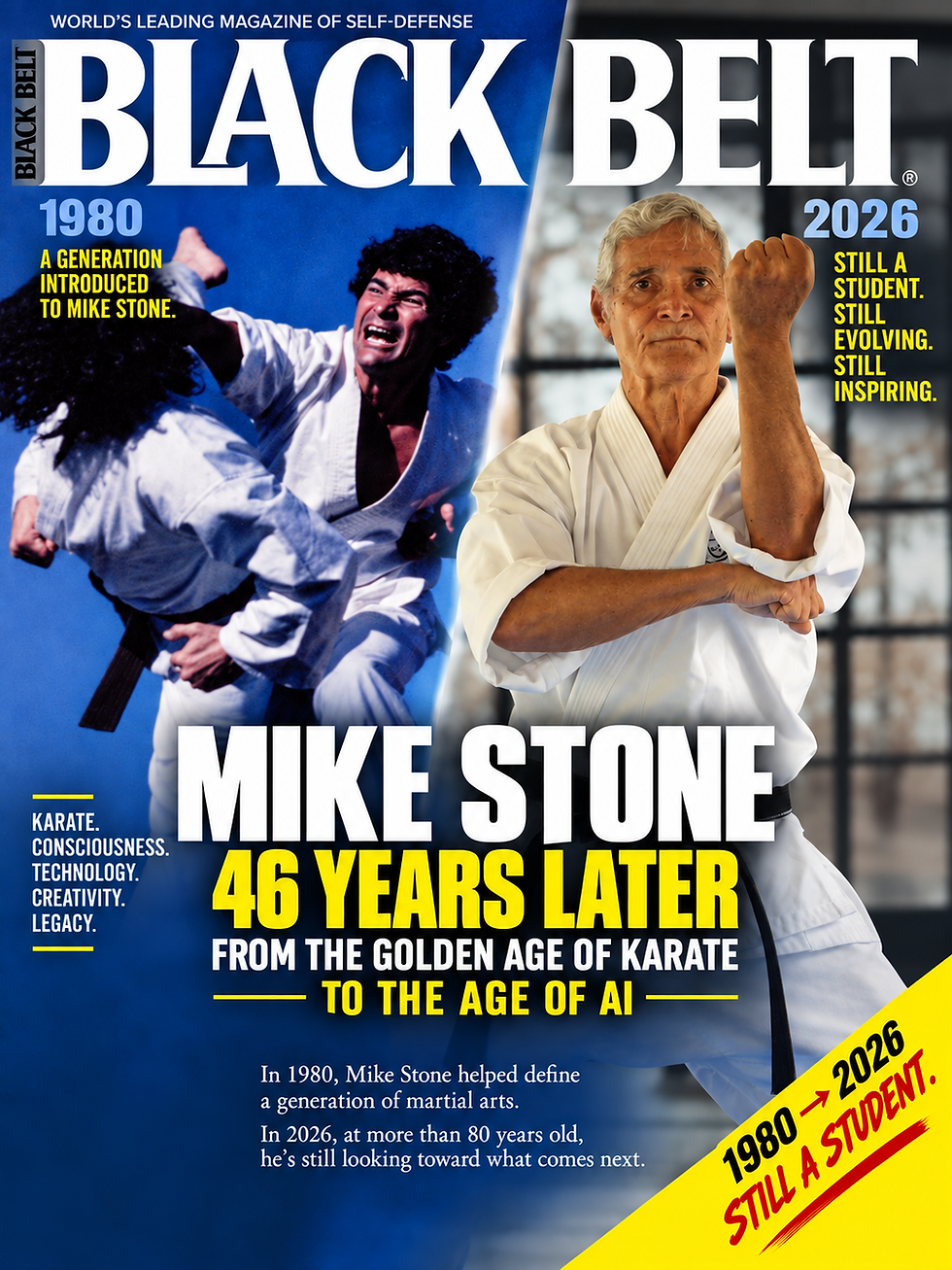
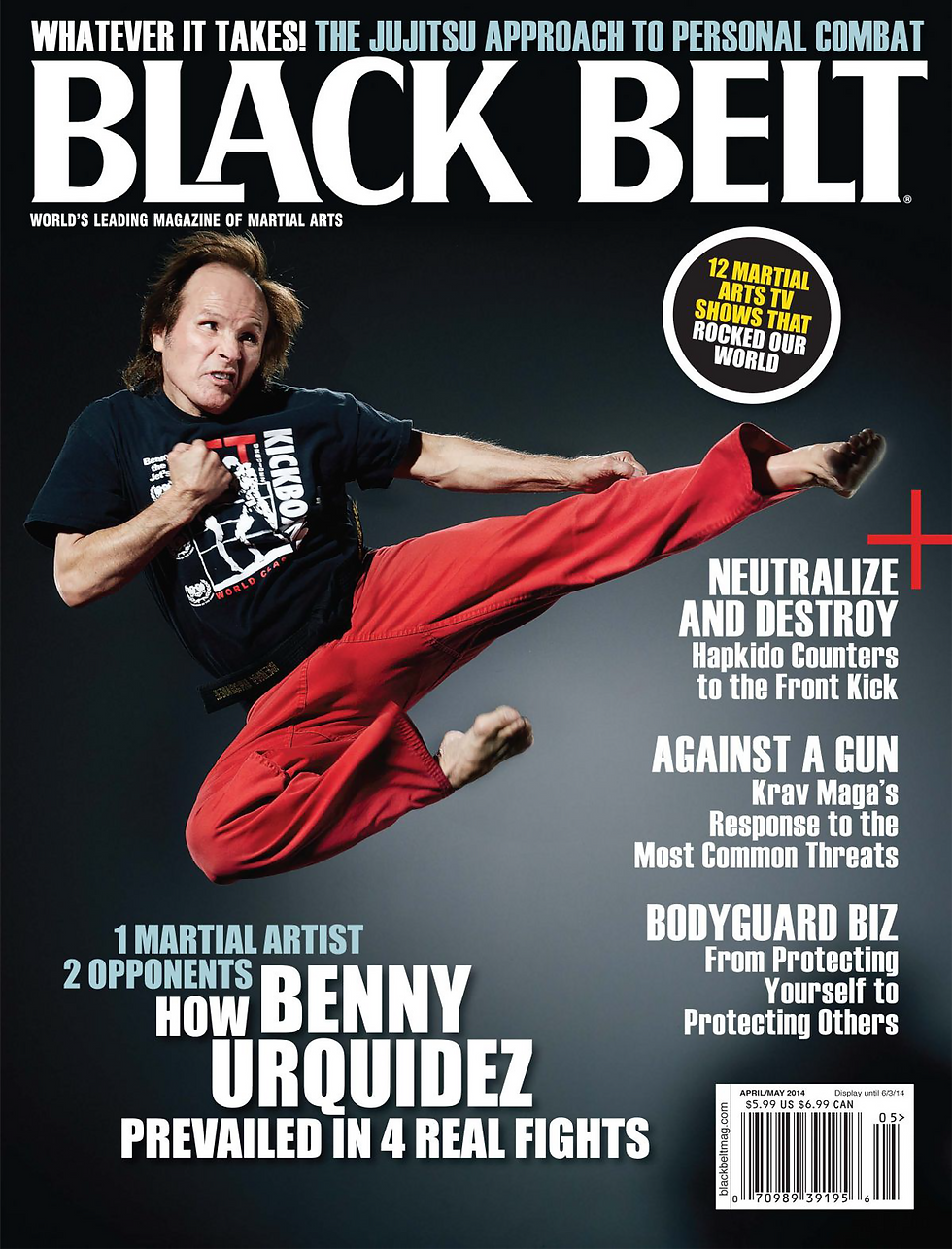
That connection to real martial arts culture is something Mortal Kombat has always carried. It’s also why the franchise continues to overlap naturally with publications like Black Belt Magazine and the larger tournament world that helped shape its identity in the first place.
More than anything, Mortal Kombat II feels like the franchise finally embracing the full scale, personality, and martial arts spectacle fans have associated with these characters for decades.
Cue the techno theme and the 540 kicks. After this movie, somewhere, a forms competitor just got inspired again.
Round two officially begins now. Mortal Kombat II is playing in theaters everywhere.