Take away the lightsabers for a moment.
No glow, no sound effects—just movement. What you’re left with in the best Star Wars fights is something every martial artist recognizes: timing, distance, rhythm. The fundamentals.

That’s why certain characters hit differently. It’s not just choreography—it’s who’s behind it.
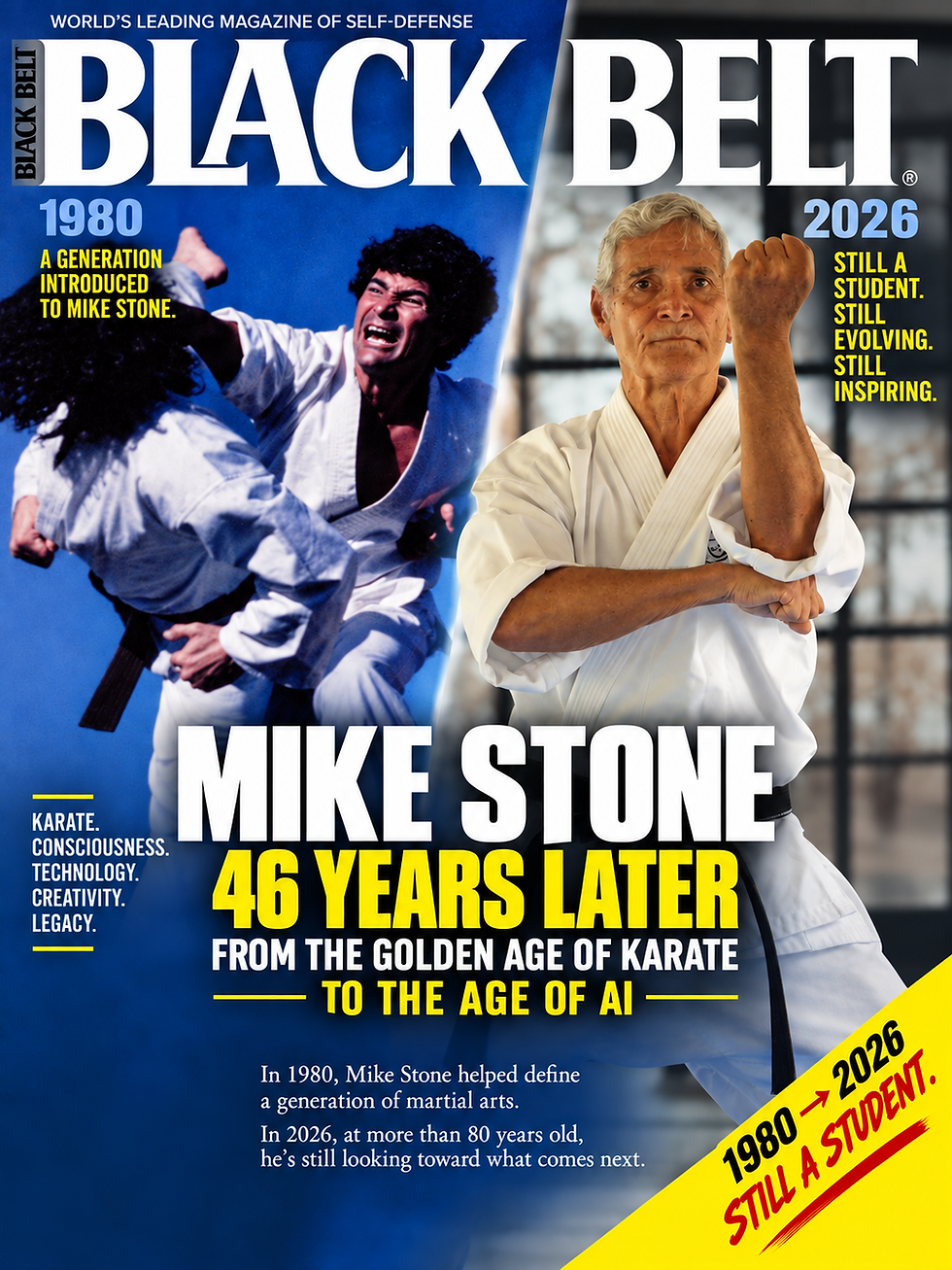
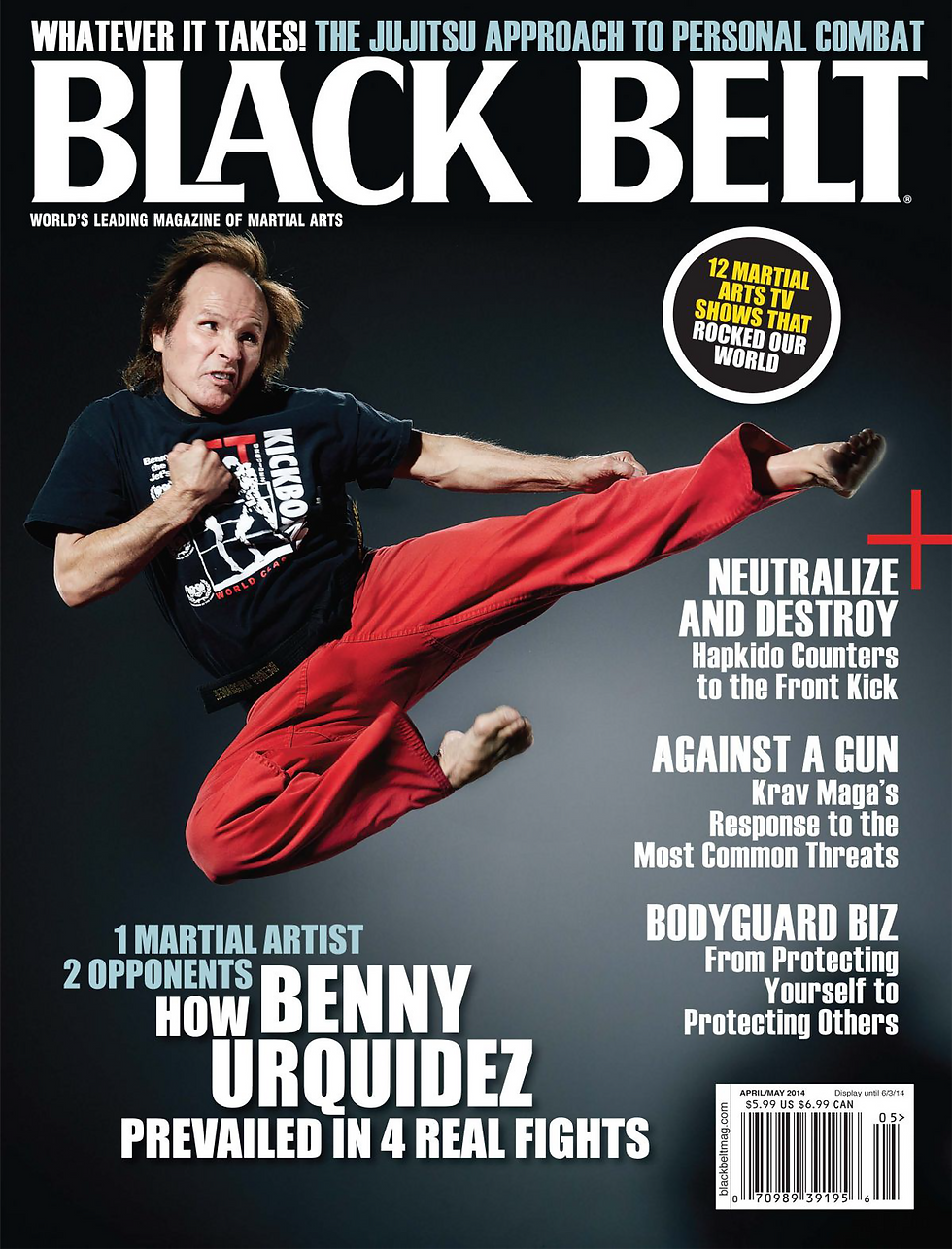
Black Belt Magazine has long kept a pulse on the martial artists shaping the industry, so it’s no surprise some of the galaxy’s most compelling fighters have appeared in its pages.

Donnie Yen — Chirrut Îmwe
When Donnie Yen was announced for Star Wars, fans immediately started wondering what he’d bring to the iconic IP.
The answer? Exactly what you’d hope.
Yen’s portrayal of Chirrut Îmwe in Rogue One: A Star Wars Story stands out right away—and it’s no accident.
With a background that spans wing chun, wushu, tai chi, boxing, kickboxing, and beyond, Yen brings a hybrid approach that blends structure with adaptability. You see it in how Chirrut moves: balanced, efficient, and always aware of range.
Every motion has a purpose.
That authenticity wasn’t just written in—Yen contributed input to how his character fought, helping ensure the action felt like a real martial artist at work.
Fun fact:
Bow Sim Mark, Donnie Yen's mother, was inducted into the Black Belt Hall of Fame as "Kung Fu Artist of the Year" in 1995.

Ray Park — Darth Maul
What happens when you take a British wushu champion and drop him into a sci-fi franchise?
You get Darth Maul.
Before Star Wars: Episode I – The Phantom Menace, Ray Park had already built a strong foundation in wushu and northern shaolin–influenced training, along with kickboxing, gymnastics, and more.
That background changed Star Wars combat.
Up to that point, lightsaber fights leaned heavily on traditional stage combat and fencing. Park brought something faster, more explosive, and more fluid—closer to staff work and performance wushu.
The result is a fight style that still feels modern decades later—and a character who built a lasting following.
Fun fact:
While Park defined Maul physically, the character’s voice in Episode I was provided by Peter Serafinowicz.

Diana Lee Inosanto — Morgan Elsbeth
When Diana Lee Inosanto shows up in The Mandalorian, it’s a different kind of energy.
No flash. No over-the-top movement. Just control.
While she’s connected to figures like Dan Inosanto and the lineage surrounding Bruce Lee, her work stands on its own. Years of training, teaching, and performing show up in how comfortable she looks on screen.
Her base in filipino martial arts, along with jeet kune do concepts, comes through in a specific way. It’s in how she handles weapons, how she closes distance, and how she stays composed when things speed up.
Watch her fight Ahsoka Tano and you’ll notice it pretty quickly. There’s no extra movement. No filler. Everything she does feels like it has a reason behind it.
It’s not loud—but it’s real.
In a franchise where fights can easily turn into spectacle, that kind of restraint ends up standing out the most.
Fun fact:
Bruce Lee, her godfather, was the inspiration for her middle name.
Bottom Line
Plenty of actors can learn choreography.
But when someone with real training steps in, it changes everything. The timing sharpens. The reactions make sense. The movement feels connected instead of memorized.
That’s what Donnie Yen, Ray Park, and Diana Lee Inosanto bring to Star Wars.
And it’s why their connection to Black Belt Magazine matters.
Because even in a galaxy built on fantasy, the best fight scenes still come from something real.
Fun fact:
You can read the issues that featured these Star Wars standouts—plus EVERY issue since 1961—with a Black Belt+ subscription (pssst… it’s 50% off right now!). Simply click the subscribe button below!