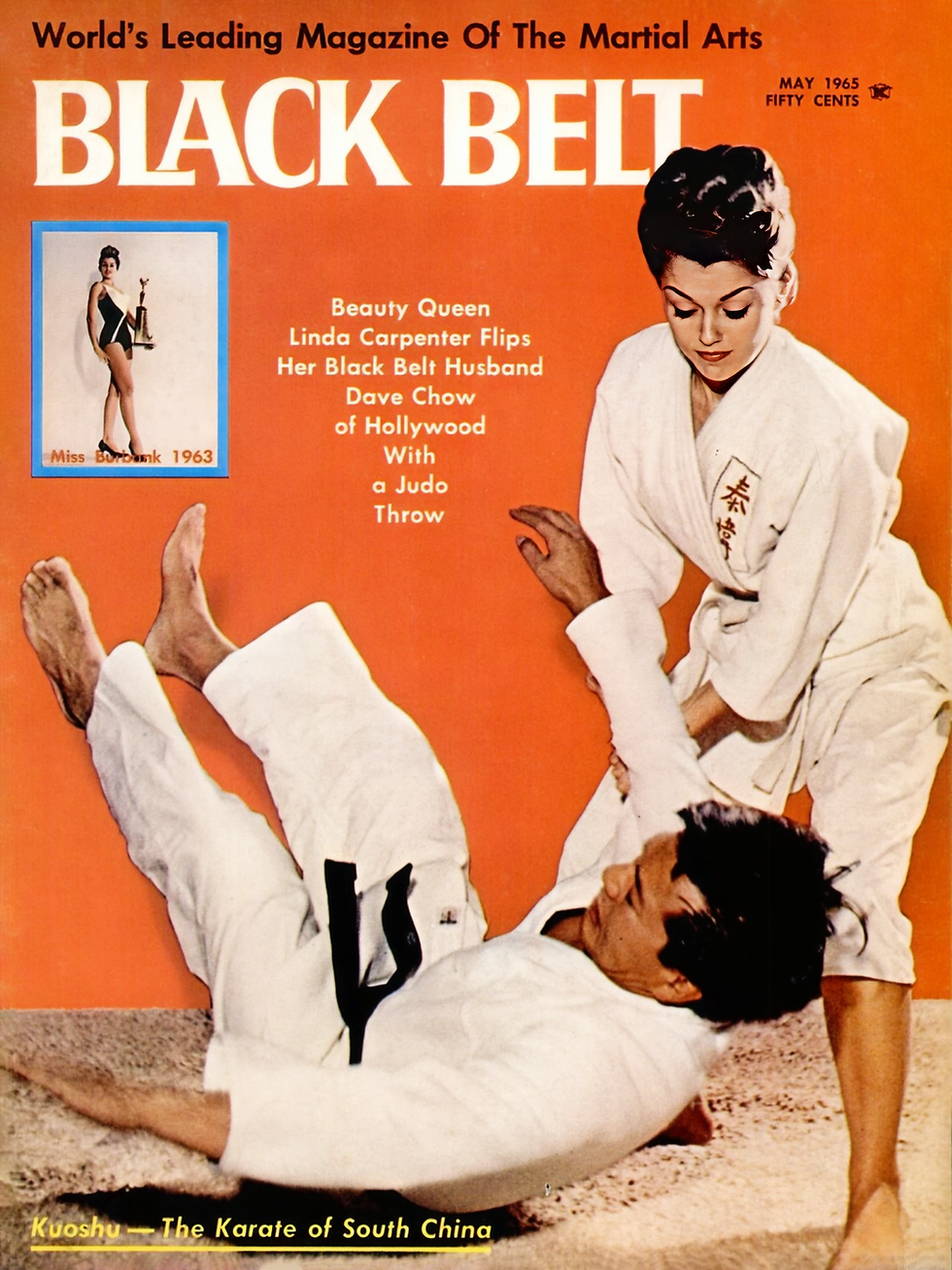
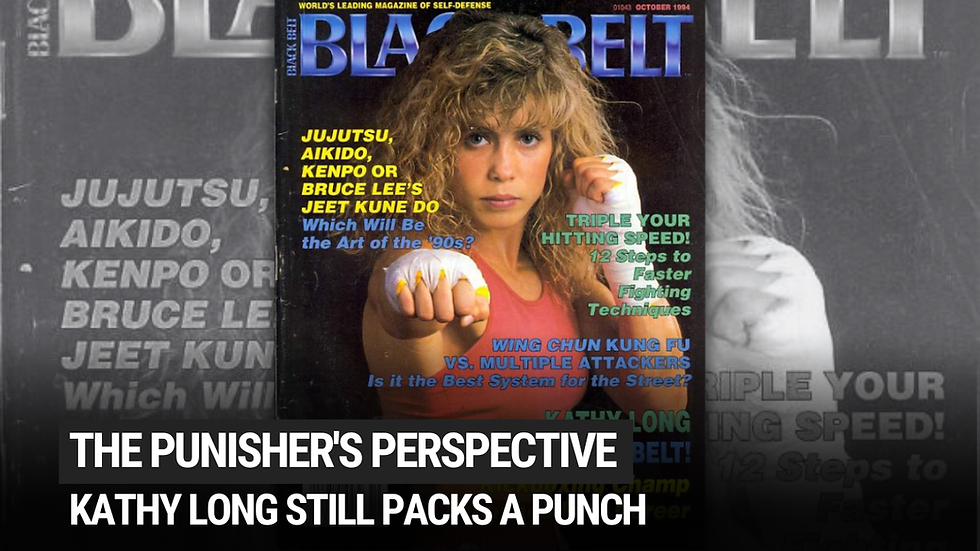
Editor's Note: This interview originally appeared in our September 2012 issue. To read the rest of the magazine, be sure to subscribe to Black Belt+ and gain access to our entire digital archive!

Kathy "The Punisher" Long has a list of accomplishments that's staggering. A mixed martial artist well before the term was coined, she's trained in aikido, kung fu san soo, Brazilian jiu-jitsu, kali and muay Thai. She owns a pro kickboxing record of 18-1 and has been inducted into multiple martial arts halls of fame, including Black Belt's (1991 Woman of the Year).
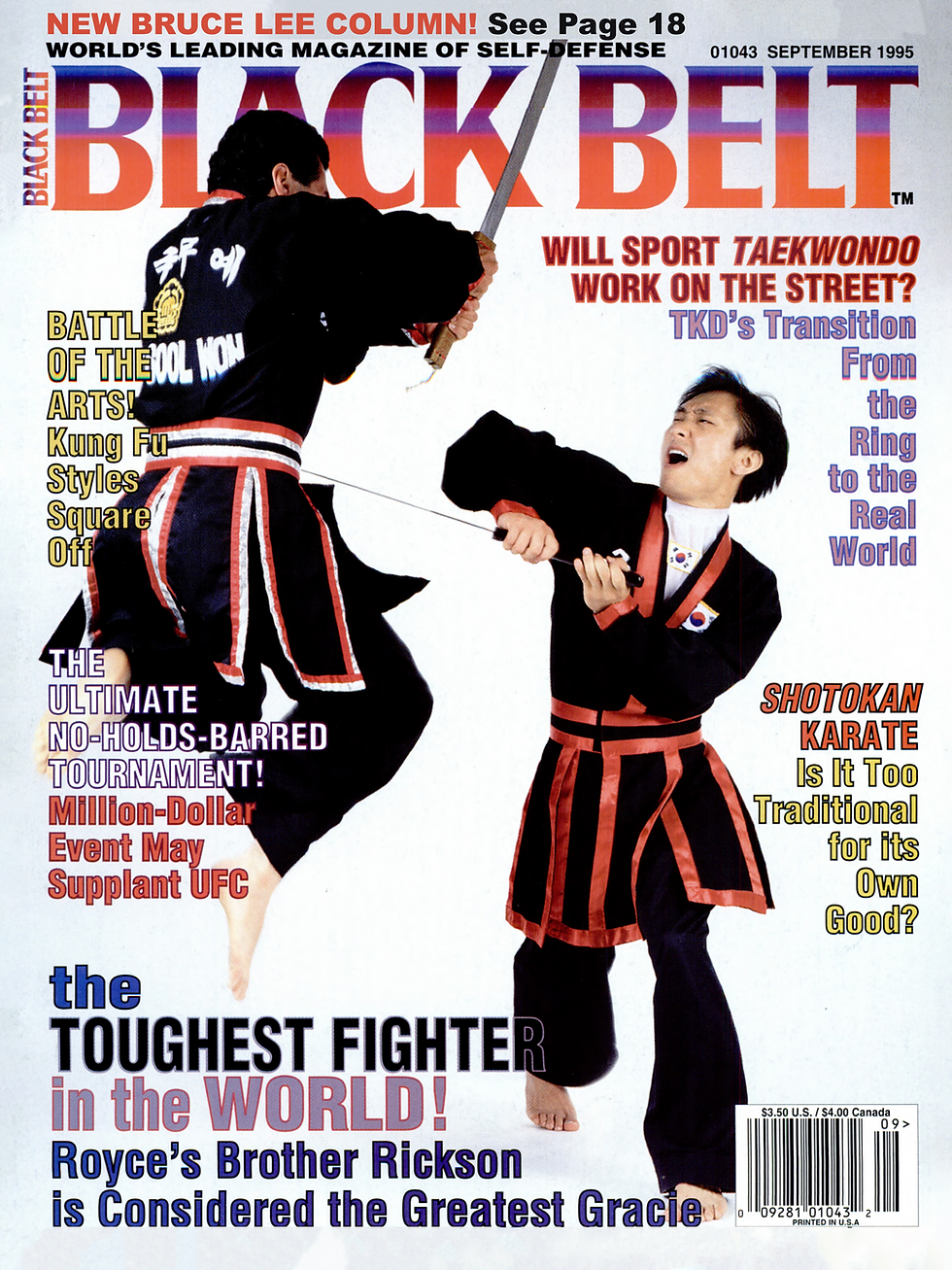
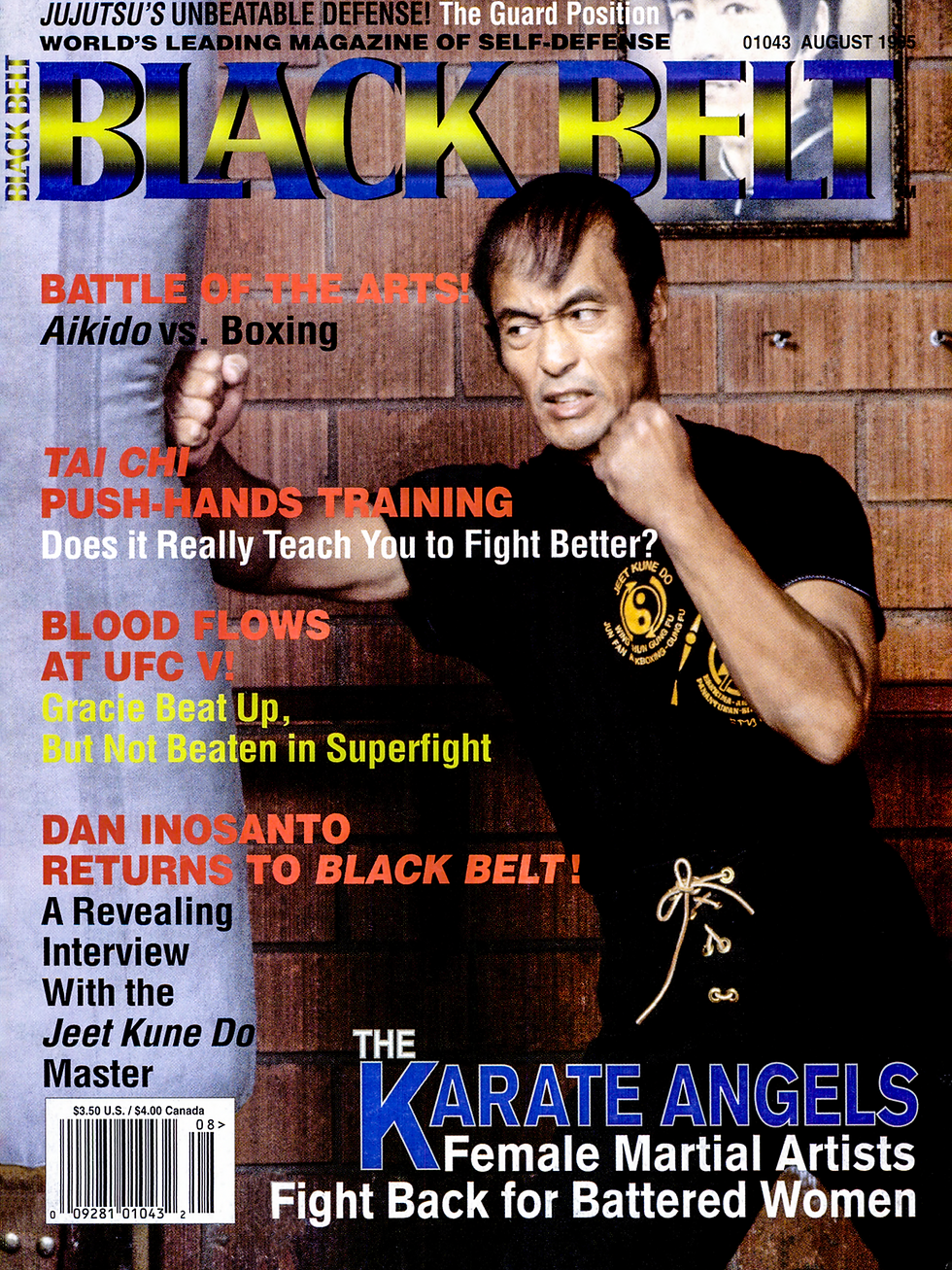
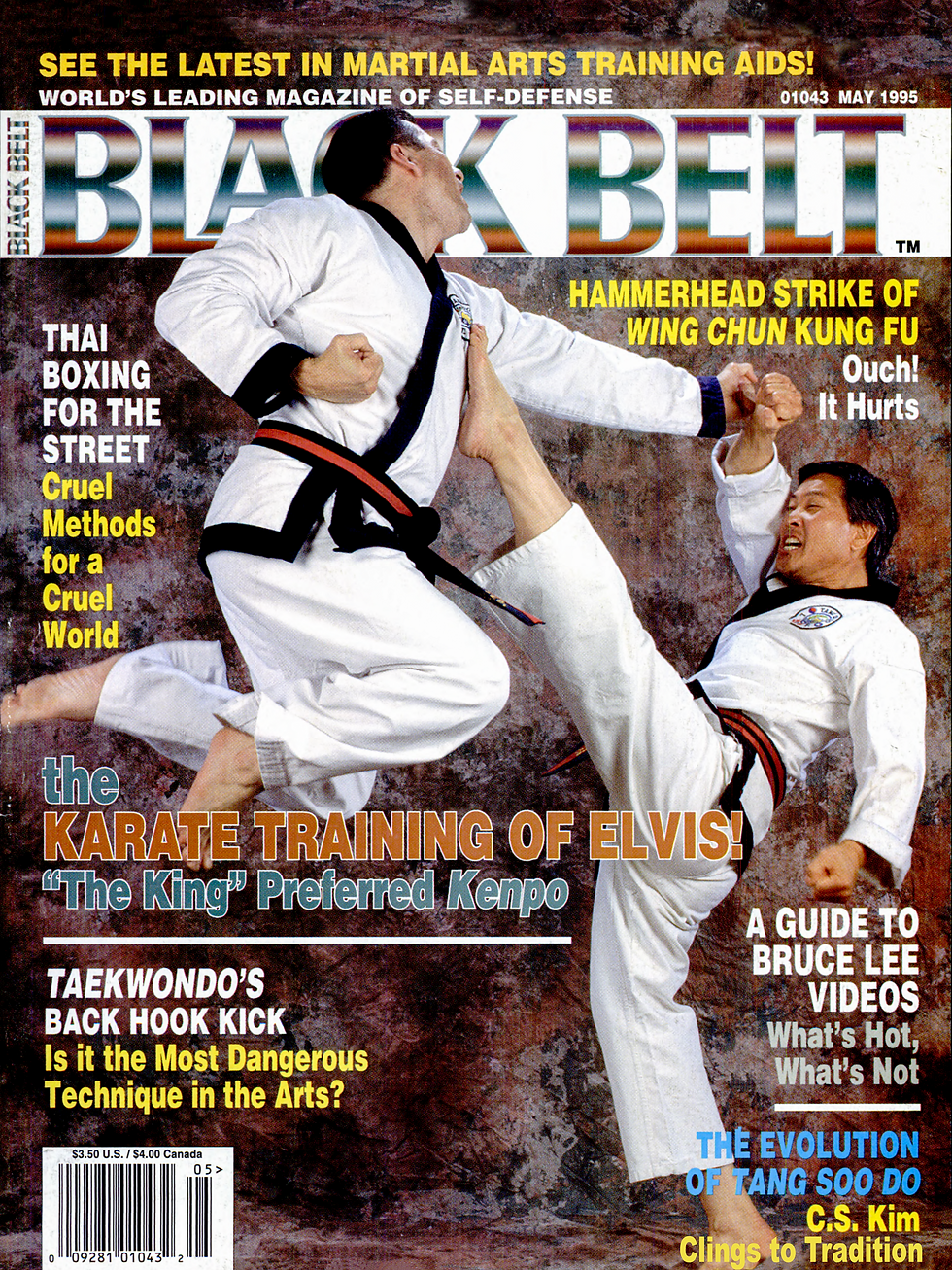
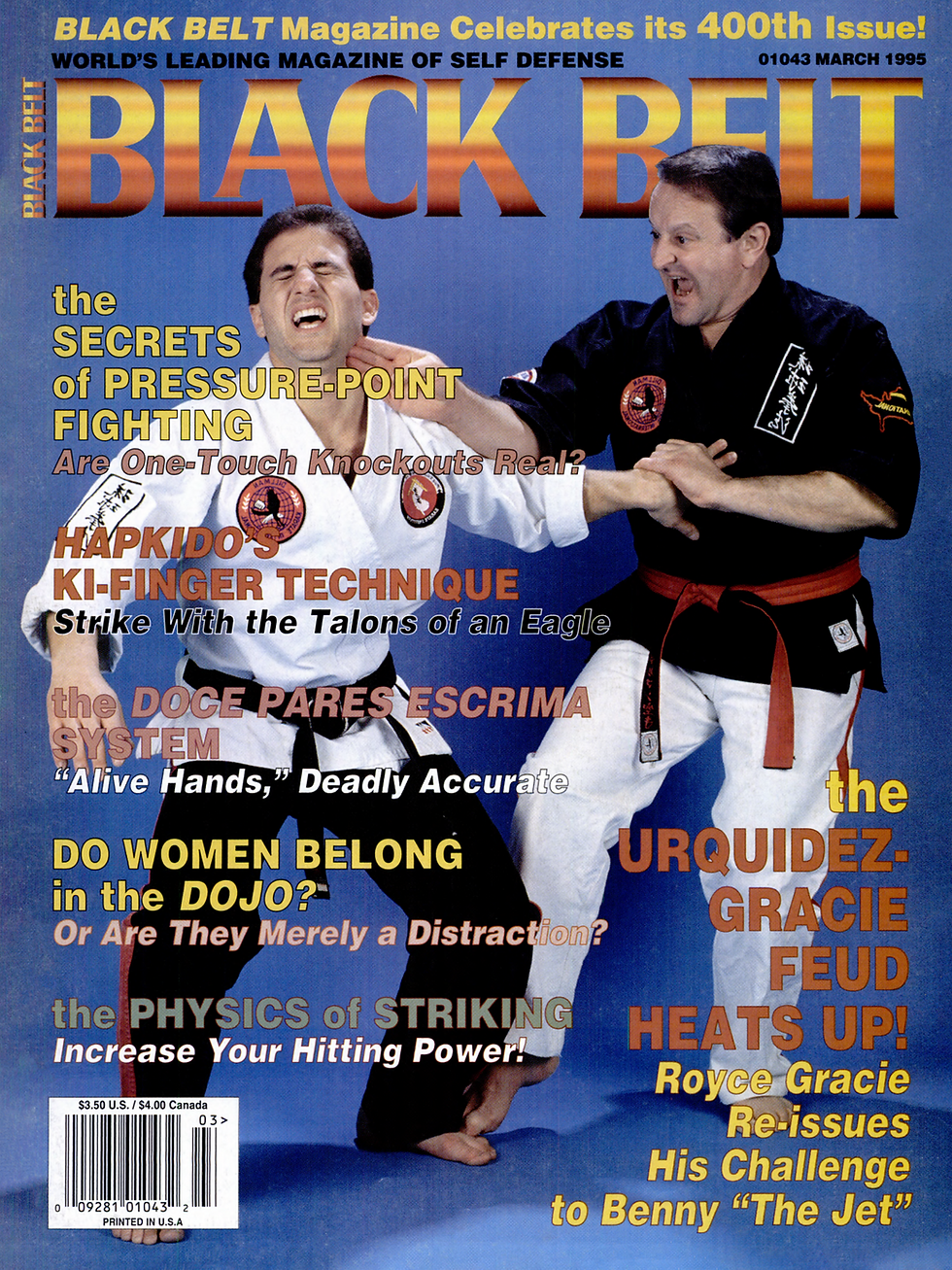
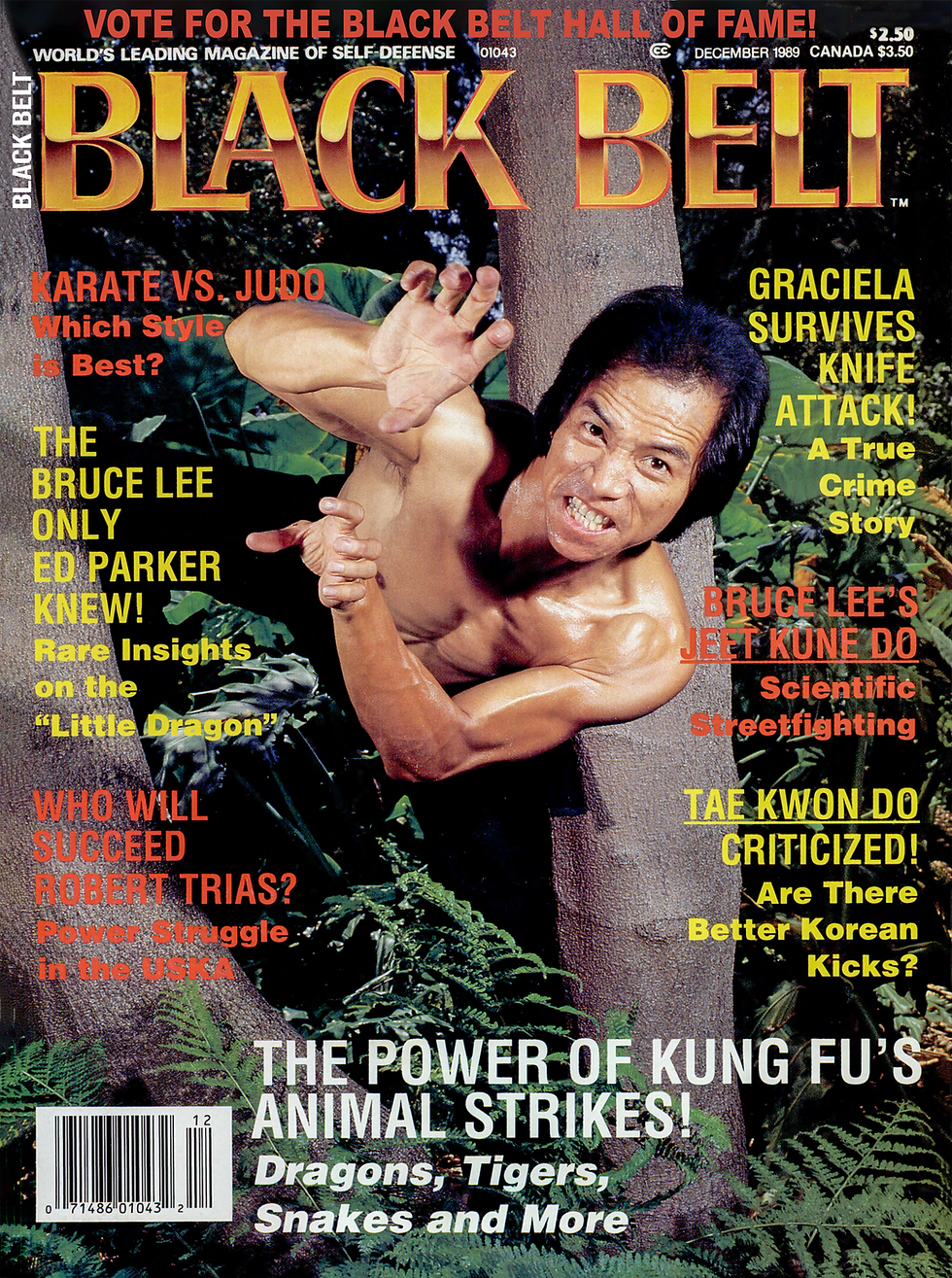
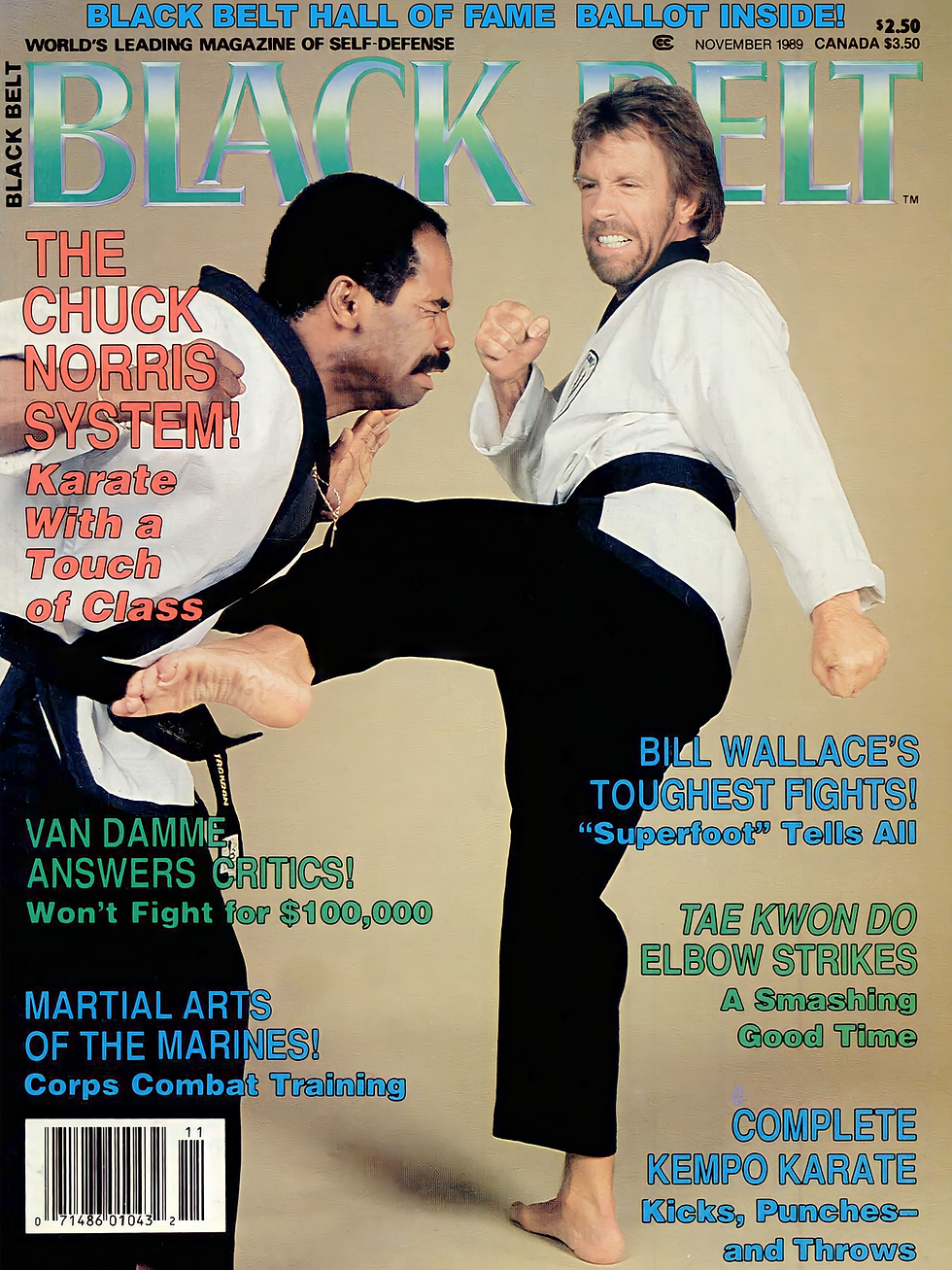
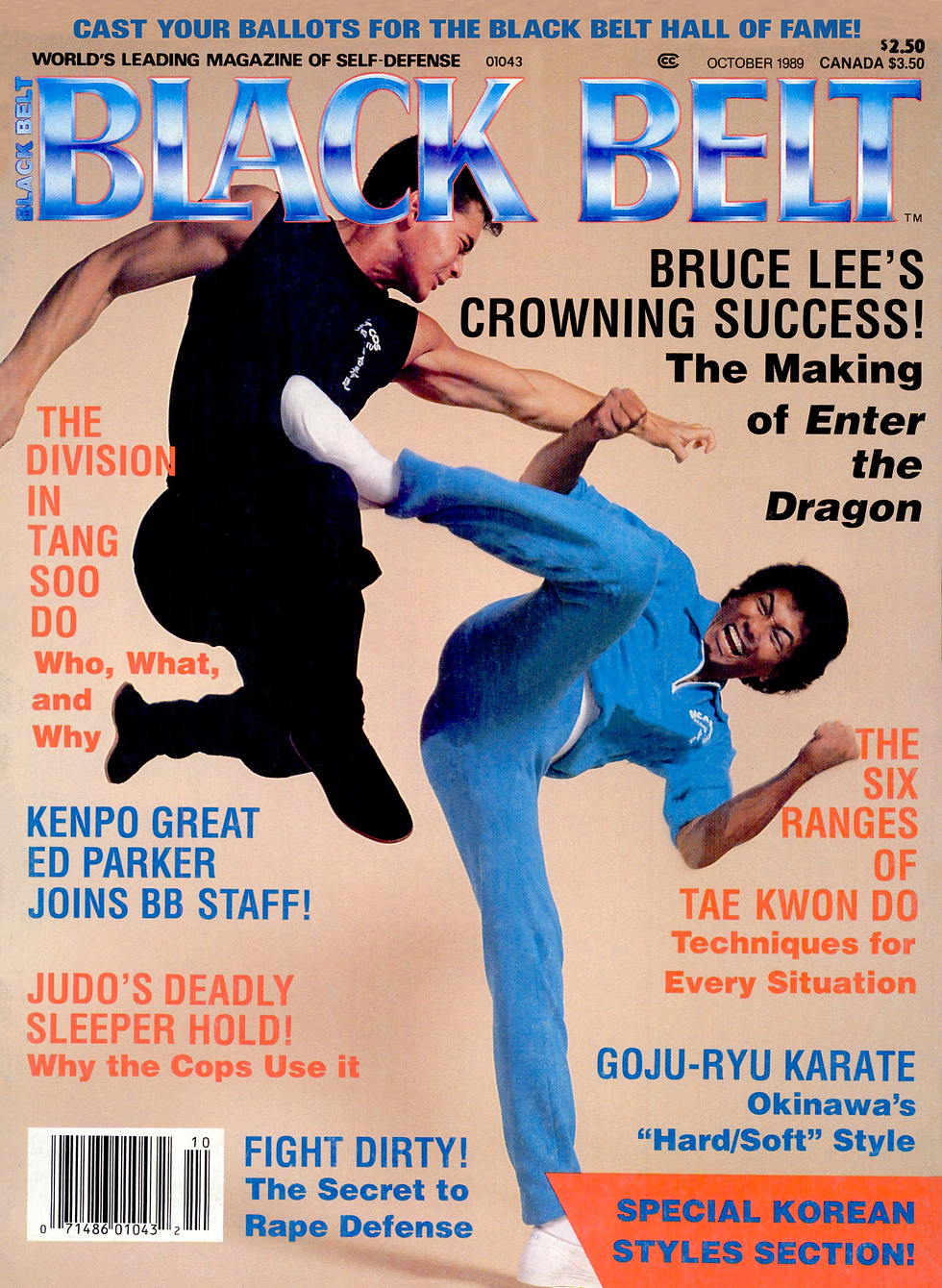
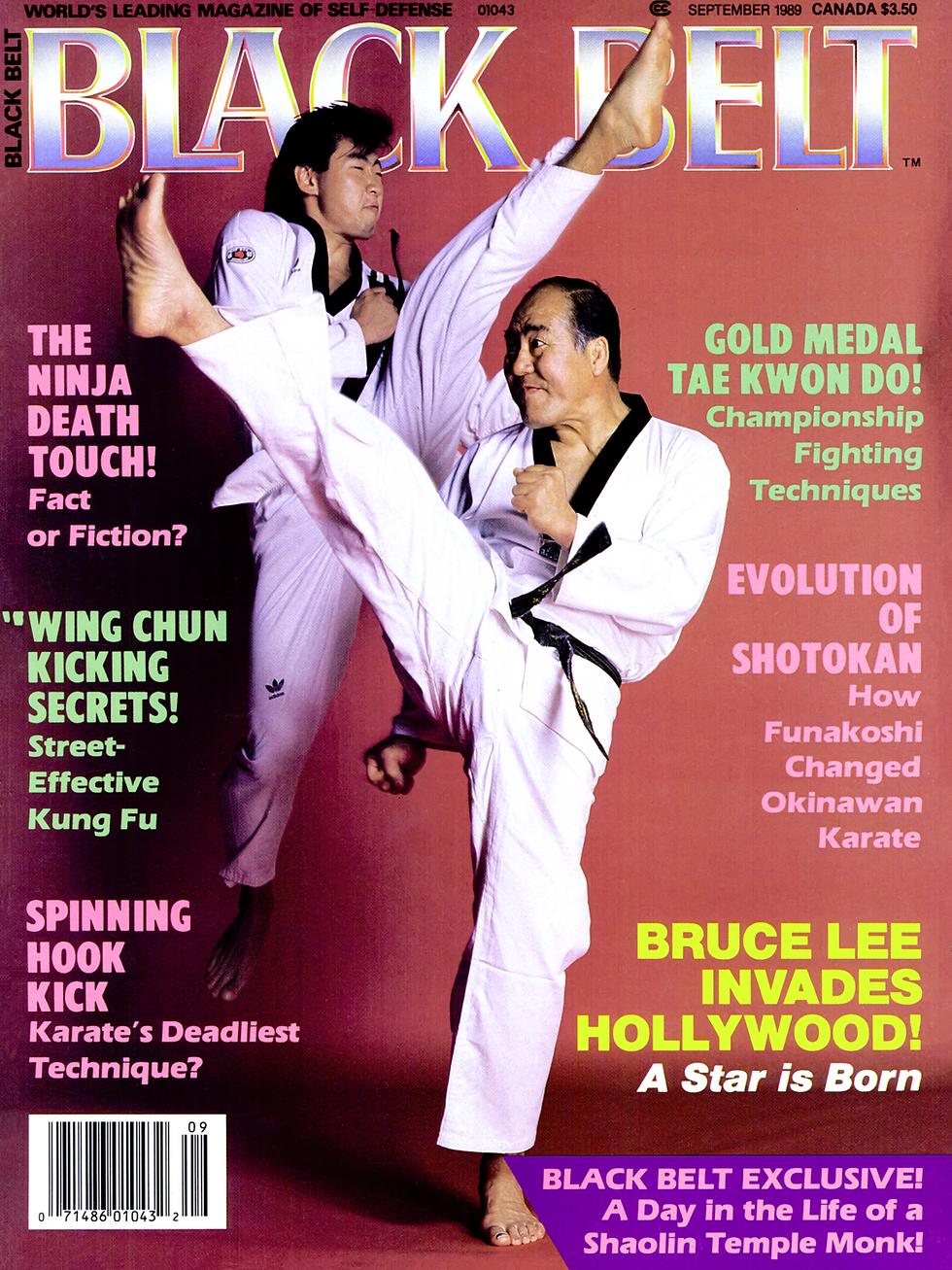
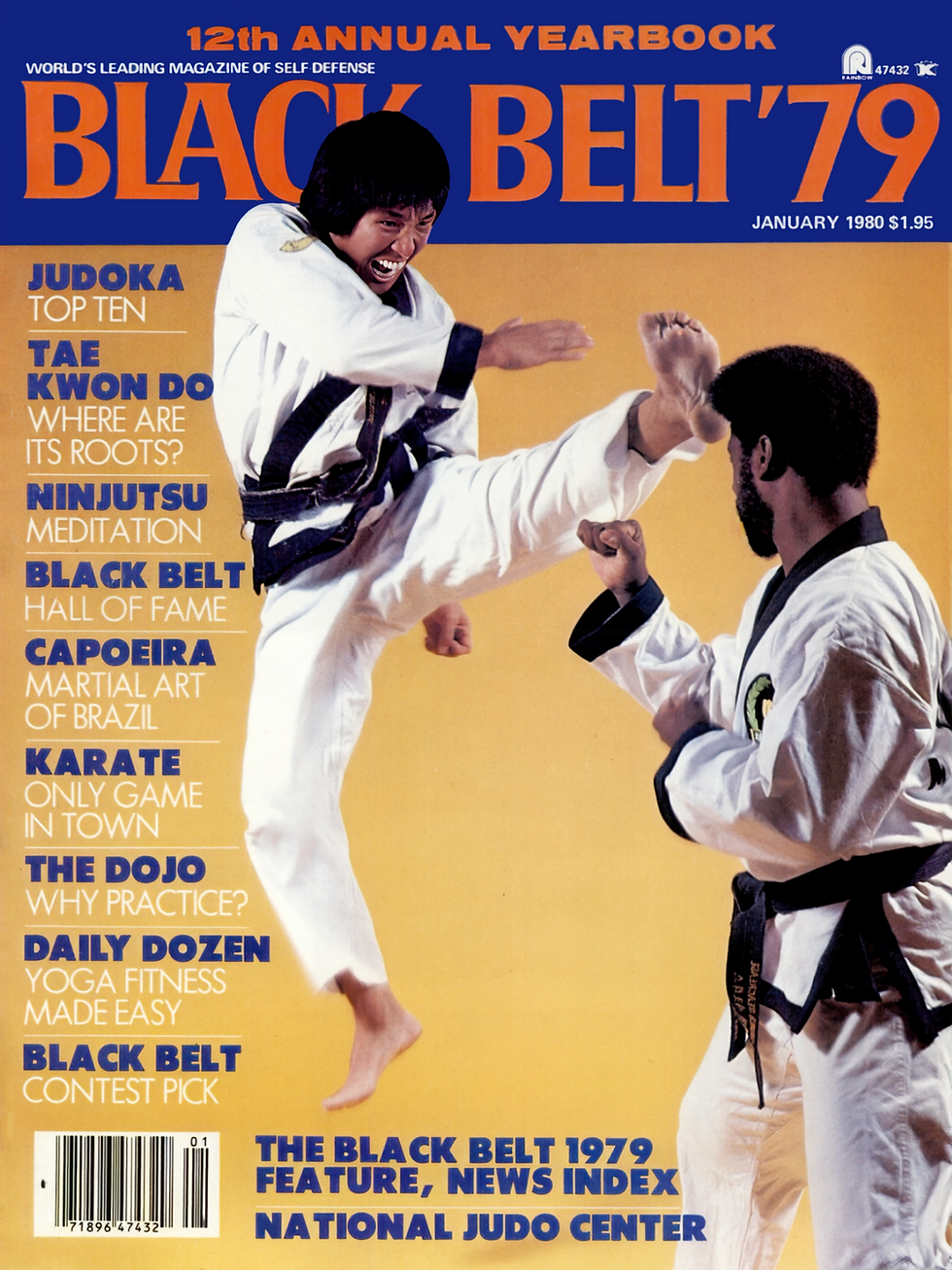
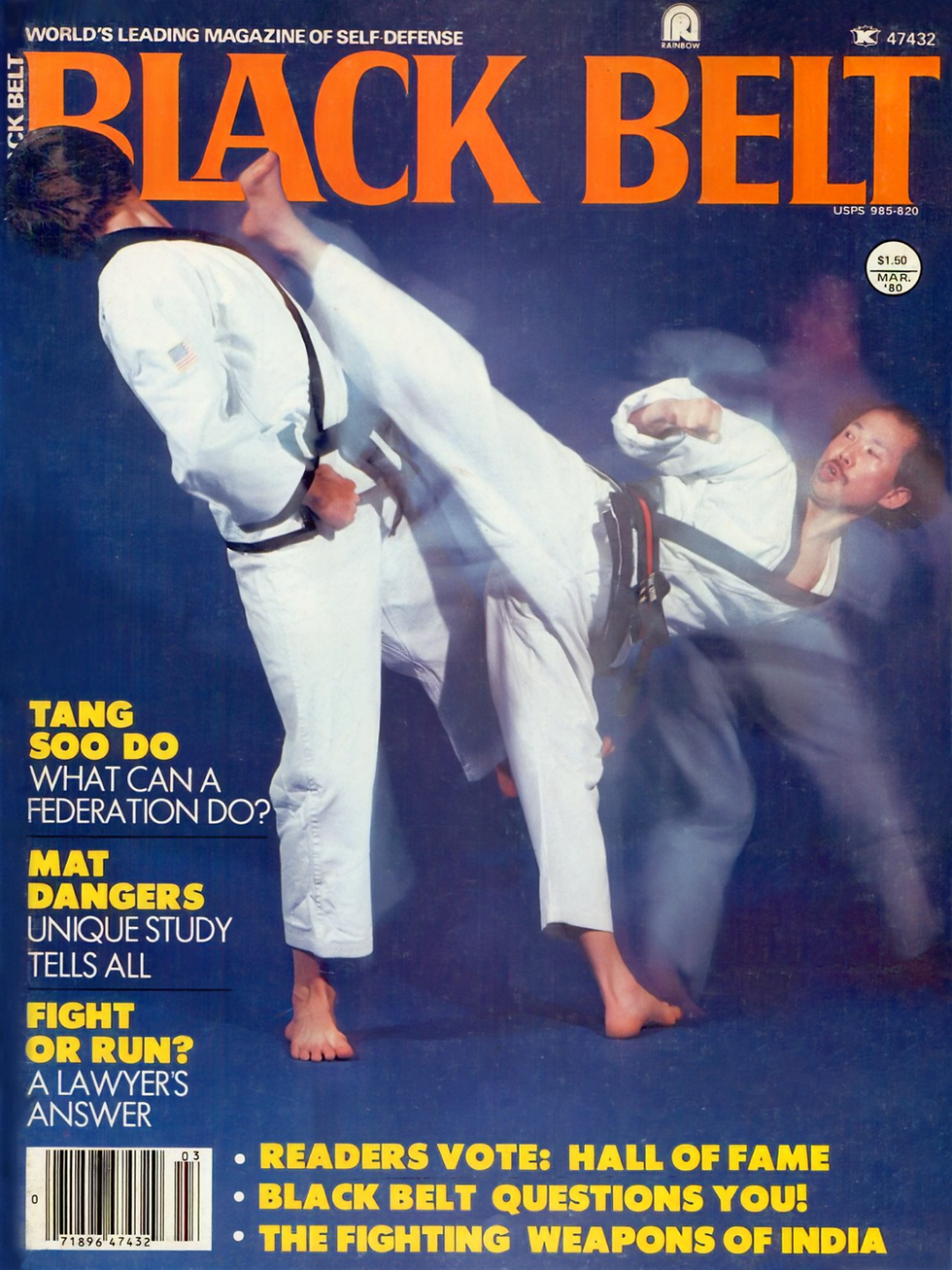
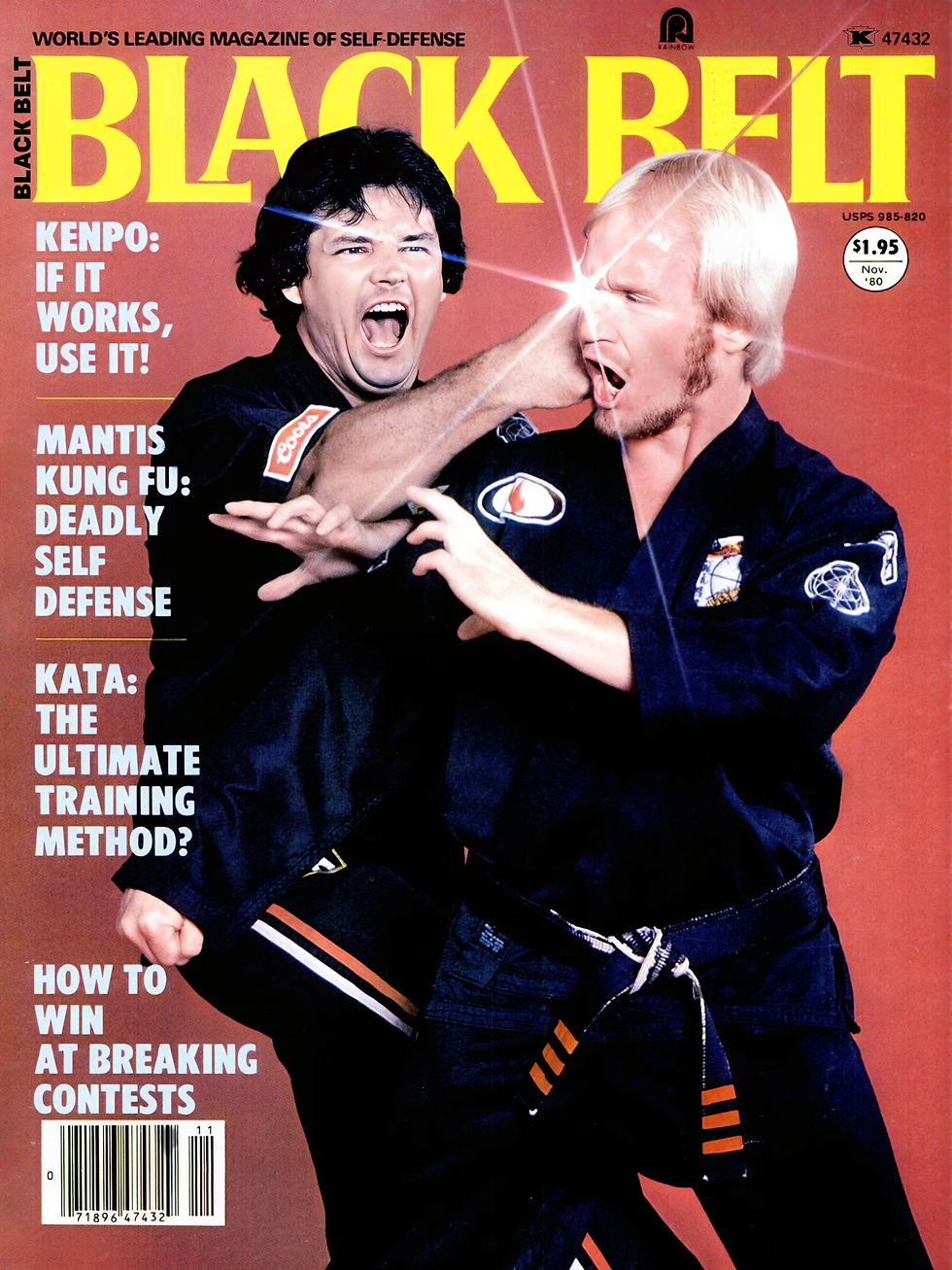
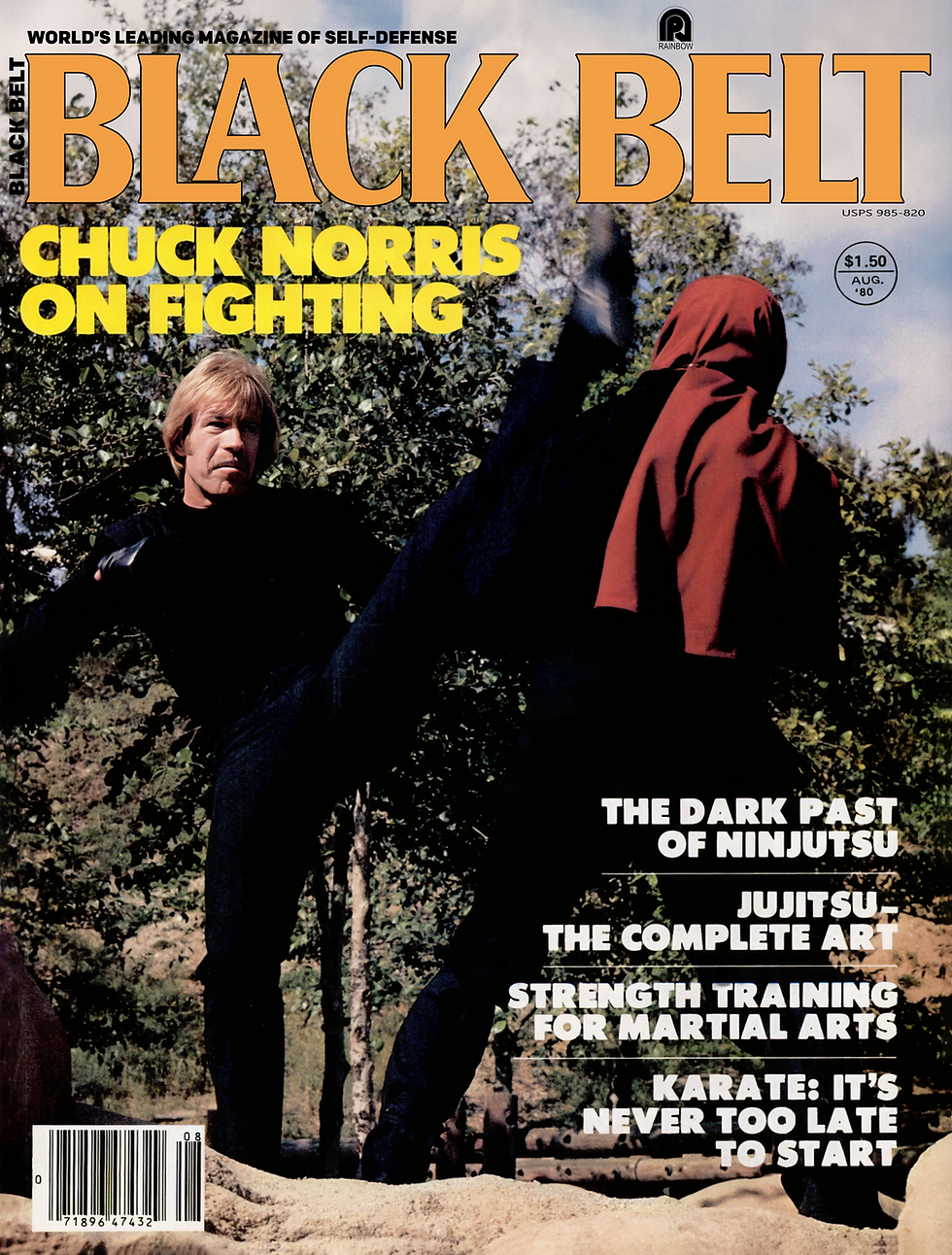
She's appeared on more than 30 magazine covers, as well as in numerous movies, including Batman Returns, in which she served as Michelle Pfeiffer's stunt double.
Not one to rest on her laurels, Long competed in her first pro MMA bout at age 45—and won. She currently teaches muay Thai at the Tapout Los Angeles Training Center and makes the rounds on the seminar circuit. And in between commitments, she's preparing for another MMA match.
Despite Being One of the Toughest...
Despite being one of the toughest people on the planet, Long is soft-spoken and thoughtful—which makes her observations on the evolution of MMA all the more interesting.
"Although few American martial artists knew what to expect at the first UFC, the Gracies certainly did," she said. "They were well aware that American martial artists would be completely sucker-punched by their grappling expertise, and the exposure they got from the early UFCs certainly improved their bottom line. That is not to say they did anything wrong or didn't deserve success, but the UFC is much different now that the playing field has been leveled.
"While MMA fighters have a wider variety of skills today, one important factor remains unchanged since humans started fighting for sport, and that is conditioning. How many techniques a person can execute isn't nearly as important as how long they can continue to throw them. When everything else is more or less equal, conditioning is what will win the fight."
Martial Artists Who Compete in Kickboxing and MMA...
Martial artists who compete in MMA now face much more pressure than did the full-contact fighters of the past, she said.
"Back in the day, we were all free agents. We could fight wherever and whenever we wanted," Long said. "Today, you have to get the attention of the UFC, and if you do manage to stand out and get a shot, the pressure is incredible.
"Have you talked honestly to a UFC fighter? They're scared of losing their spot on the UFC roster, and it only takes one or two losses in most cases to get sent back to slugging it out on the small-show circuit. There's a lot of pressure on these guys in an already tough sport."
Nevertheless, she thinks the rise of MMA in the United States is a good thing.
"I'm excited by the potential the UFC has brought to the fighting sports," she said.
How Does Long...
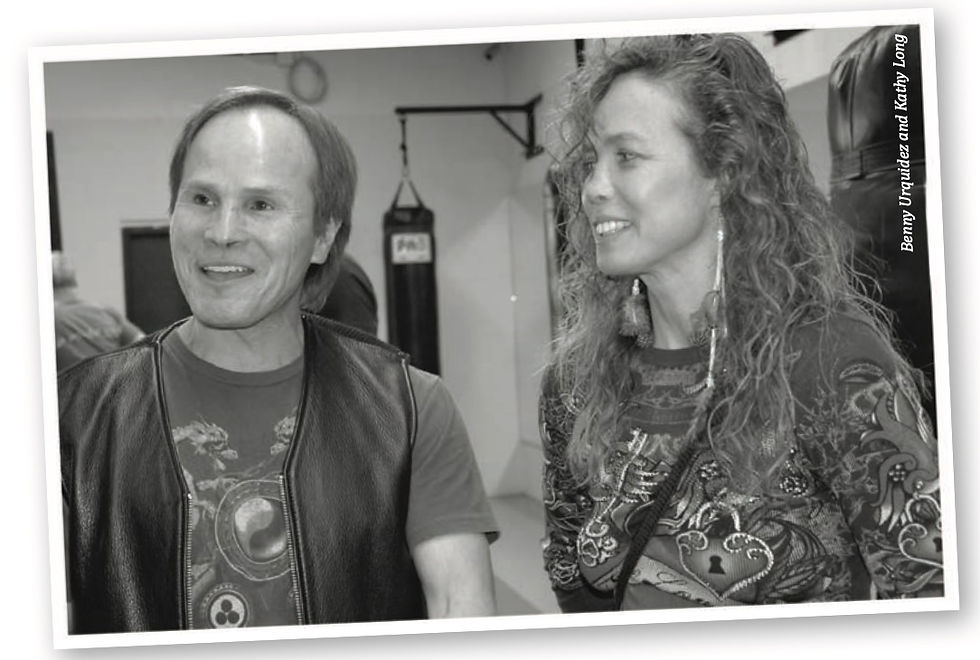
How does Long, at 48, manage to stay in shape to compete in a sport dominated by 20-somethings?
"I've heard from a lot of people that as you age, it takes your body longer to recover, energy is supposed to be harder to come by and people just expect you to be less somehow," she said. "I don't know how I am supposed to feel at my age, but I feel just fine. When you push yourself as hard as you can, it all feels about the same."
One thing she does pay more attention to is diet.
"I take more time to eat correctly," she said. "In the past, I was so busy I just didn't eat much or very often. I always ate well—maybe a chicken breast and some brown rice—but I ate only once or twice a day. Now I'm trying to eat six times a day, though not all those are conventional meals. I make protein shakes between meals, and they each count as a meal. I usually spend one day a week prepping meals for the rest of the week—without that kind of attention, I wouldn't be able to eat right during the week."
Diet is essential because, as they say, we are what we eat, Long insisted.
"So many people are uninformed about the state of food today. I now hold meetings with students and parents before and after class to help them with nutritional information. If they want to know why their child is dragging to class instead of coming with energy, I tell them what they need to know—for example, forget the fast food, which isn't really food. Eating it affects you way more than most people realize."
The boost that good nutrition gives the physique she's honed during decades of martial arts training is why Long is planning to step into the cage again—even though she has nothing left to prove. For her, life is all about keeping her options open.
Why has she chosen the fight option?
"Because I can," she said.