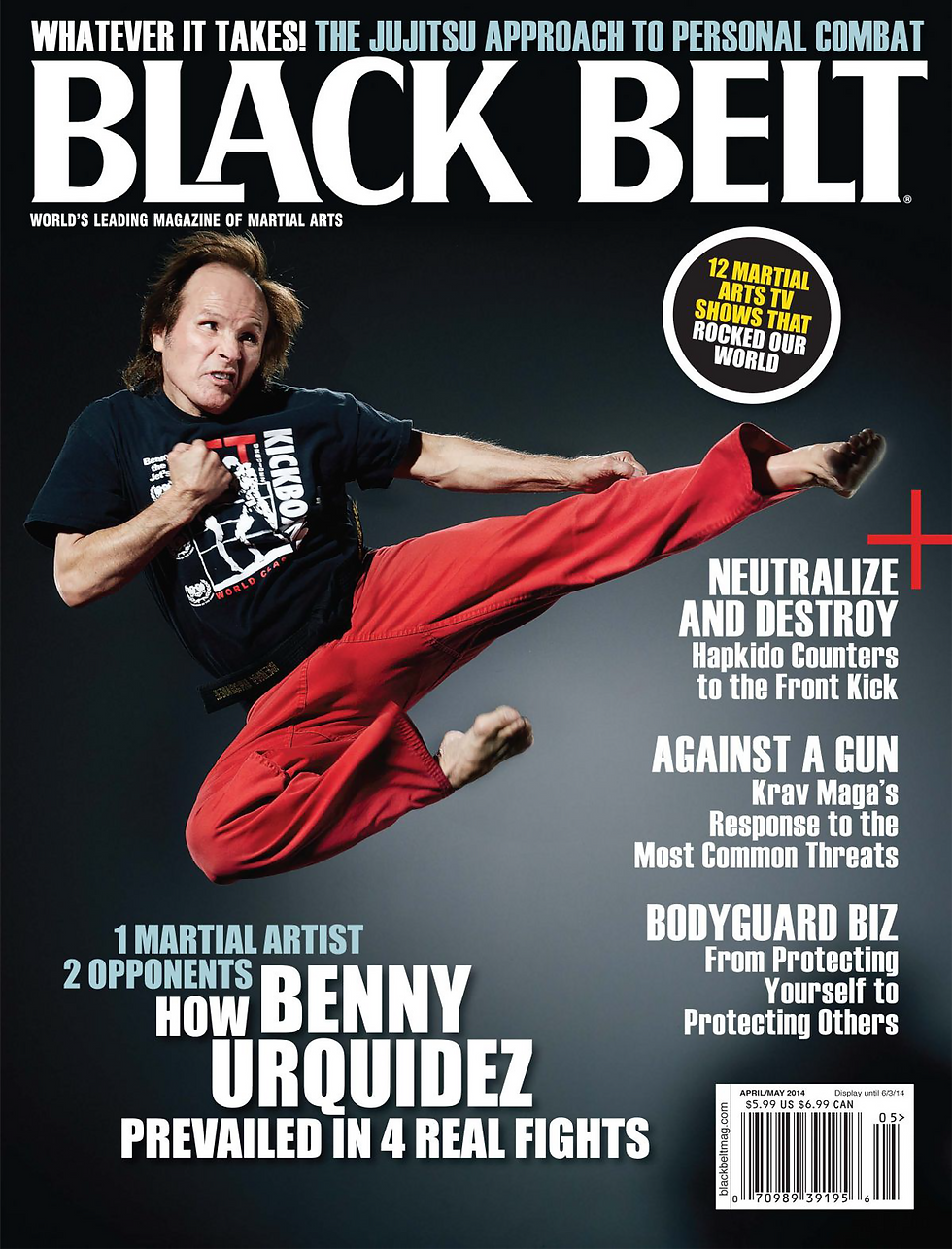
With a deadline fast approaching, the need for 1,000 words on the business of writing about martial arts and a case of writer's block, I finally realized that the best way to approach the creation of this column might be to let other people explain what it's like to write rather than explain it myself.
It was Black Belt’s editor who proposed a story on how martial artists can become martial arts writers.
My initial response was, “Can I say how you need to be a masochist who doesn’t want to make money?” Undaunted by my pessimism, the editor provided a couple of suggestions for people to interview, starting with Stephen K. Hayes.

Hayes was the first American to train in ninjutsu in the 1970s after reading about ninja warriors in a James Bond novel and in the pages of Black Belt.
Now the author of numerous books on the subject, Hayes is quick to admit that his life was changed by the writing of others. “They can do a lot with CGI in the movies, but it’s good writing that can really fire up the imagination and inspire you,” he said.
Beginning as a martial artist who kept a diary of his time training in Japan, Hayes elected to turn his journal into a book. That’s not a bad way to get started as a writer — concentrate on your own experience, which is a subject you know well. Hayes continued writing about ninjutsu, supporting himself by penning a series of popular books published by Black Belt in the 1980s.

He became the ultimate niche writer, focusing on a narrow specialty that almost no one else had knowledge of. For a writer, this can be a positive and a negative. If you’re one of the few people covering a topic, you become the go-to person when a story is needed.
The drawback comes if interest in that topic declines, as it did with ninjutsu. That’s why Hayes recommends being broad-based in your writing. His recent books have dealt with topics other than ninjutsu, but they’re still tangentially related to martial arts. One such subject he’s tackled: esoteric Buddhism.
It also doesn’t hurt that he has 62,000 followers on Facebook. Obviously, having access to a network of people with similar interests is great for marketing your work. In Hayes’ case, that network also includes a chain of schools across the globe, which guarantees a deep pool of potential readers.
Next, I was pointed in the direction of best-selling novelist Barry Eisler.
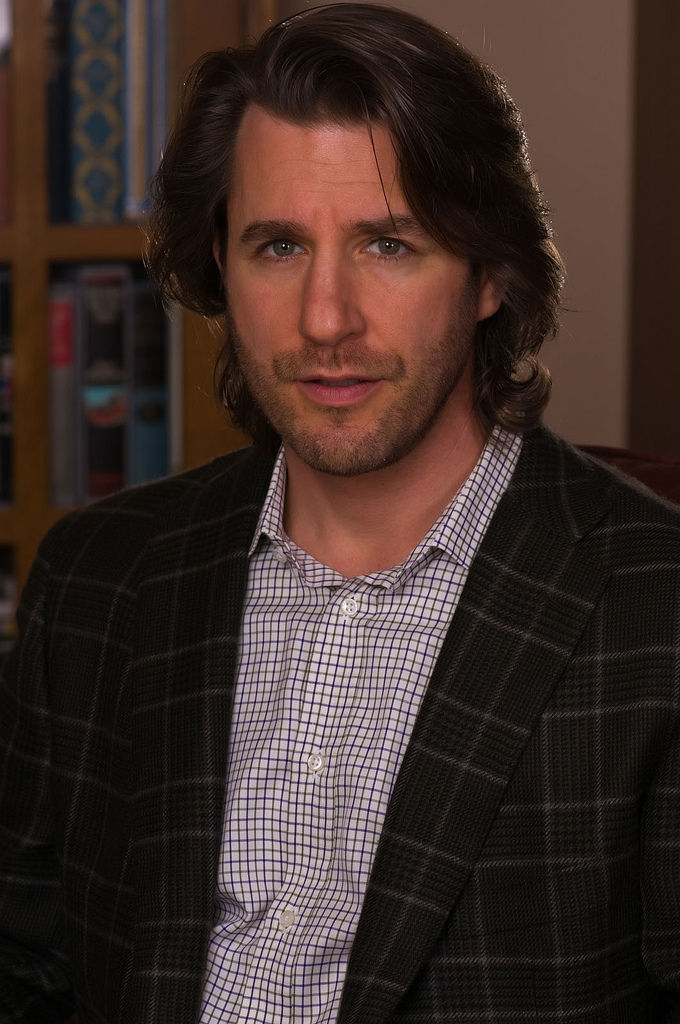
That’s when I was reminded of the fact that one of the enjoyable aspects of writing is the opportunity to talk with interesting people you wouldn’t normally meet. Case in point: Eisler, the author of the wildly successful martial arts–laden “John Rain” thrillers. With one book already made into a film, a potential TV series in the works and a new hit titled The God’s Eye View, he’s where most writers aspire to be.
Since writing barely pays my electricity bill, I was prepared to hate him. But Eisler proved friendly and approachable, turning our conversation into a pleasant chat on topics of mutual interest.

Following a stint in the CIA, Eisler found work in Japan, where he trained in judo at the Kodokan and spent his off-hours writing his first novel about an assassin who just happened to have once been a CIA agent and learned judo at the Kodokan.
Obviously, Eisler is a believer in the importance of writing about things you know and things that interest you. “I’m cognizant of wanting people to like what I write, but it’s really the things that I’m passionate about which end up in my work,” he said.
Running down the list of prepared questions I always create for an interview — to avoid sounding like an idiot — I asked Eisler about the challenges of constructing fictional martial arts fights. Not surprisingly, he said those are some of his favorite scenes to write. Although details and authenticity are essential, he said, more important is what the combatants are experiencing. With an insight that sounded almost Bruce Lee–esque, Eisler added, “Don’t describe the rain; describe the way the rain feels.”
Rather than penning fiction or focusing on their own experiences, many people who are looking to break into writing about martial arts will opt to concentrate on the exploits of others. In other words, they’ll be reporters.
Jim Genia started as a martial arts enthusiast who trained in judo and karate. Then the first UFC reignited a desire to take up the pen. “I always wanted to be a writer, and I loved MMA,” he said. “It seemed like the perfect intersection for me.”
He spent the next few years toiling as a part-time MMA journalist, then published a book titled Raw Combat: The Underground World of Mixed Martial Arts. Its success enabled him to quit his day job and start writing full time.

Like every good author, Genia believes writers need to start out as serious readers. “Drawing inspiration from other people’s work is a great tool,” he said. “Even if you want to write about martial arts, don’t limit yourself to reading just about that.”
Much of his work has been aimed at Internet sites, which is the route most aspiring writers follow nowadays. He said the immediate feedback you receive from readers, even if it’s just a comment on a blog, is invaluable.
While I don’t necessarily disagree with that, I’m often dismayed by the many people who clutter up the Internet with poor writing. But since writers shouldn’t sound bitter, it’s best to have someone else express your negativity for you. Which led me to my final interview for this column.
“The Internet has gutted the writing business,” said the refreshingly cynical Matthew Polly. “It’s enabled everyone to find an outlet to tell their stories. But when everyone can do it, the few people who do it well get paid less. Writing has less value.”

There are still exceptions, though, and Polly is one of them.
As the first American to live at Shaolin Temple, he parlayed his experience into a best-selling book called American Shaolin. Now he’s composing a Bruce Lee biography. Polly obviously has found a sweet spot in his writing, one that enables him to appeal to serious martial artists as well as readers with little interest in the arts.

“If you want to write for a wider audience, you have to fit the martial arts into a larger story,” he said. “With American Shaolin, I took a coming-of-age story and just slipped it into a martial arts setting.”
He added that while the pay may not be great, there are established ways to get started in the writing biz, like covering local tournaments for your hometown newspaper.
If you like to think big, however, you’ll need to search for subjects and settings in which martial arts intersect with popular culture. But bigger isn’t always better. That realization hit me once I noticed that I’d exceeded my 1,000-word limit for this column.
The blunder brought up one last tip for all the would-be writers out there: Writing is frequently about eliminating many of the precious words you just painstakingly composed.