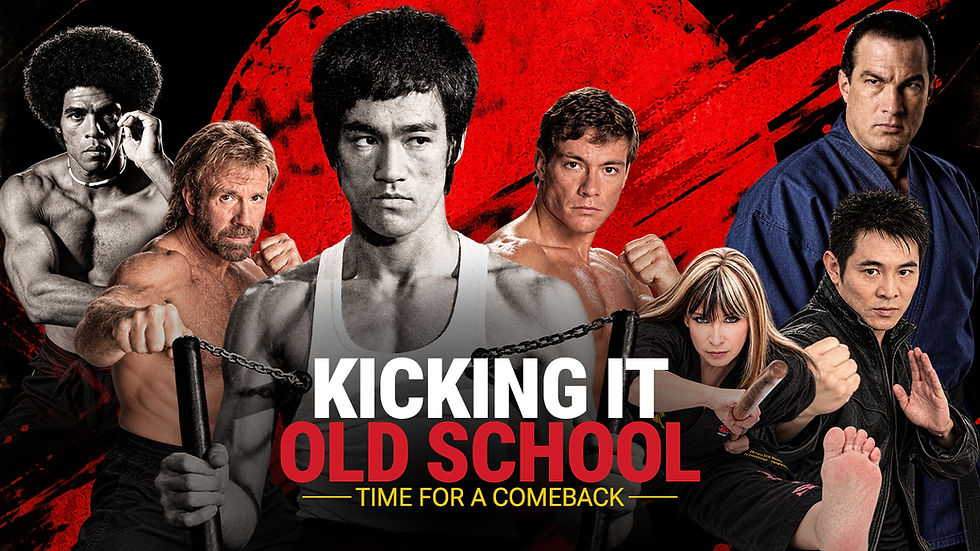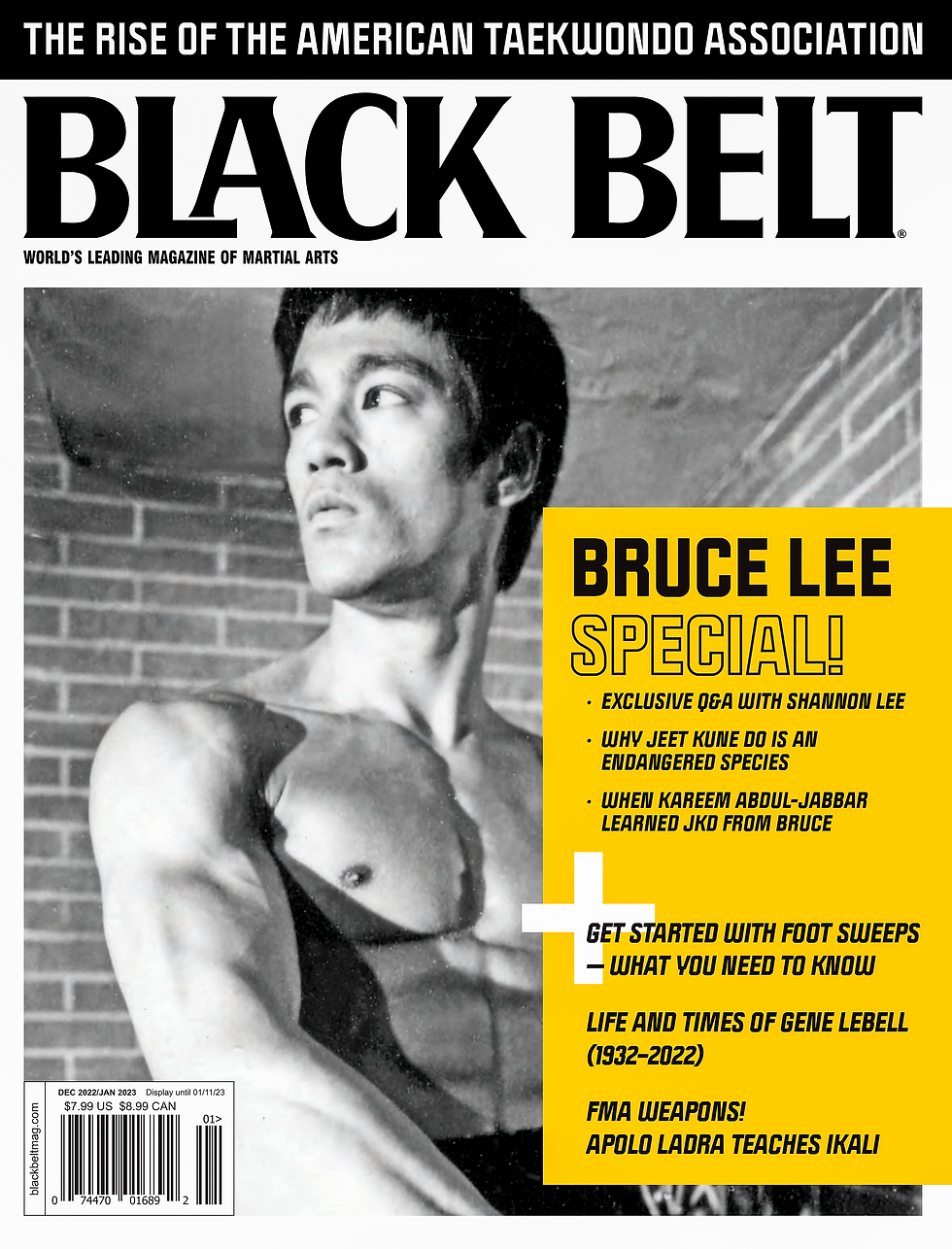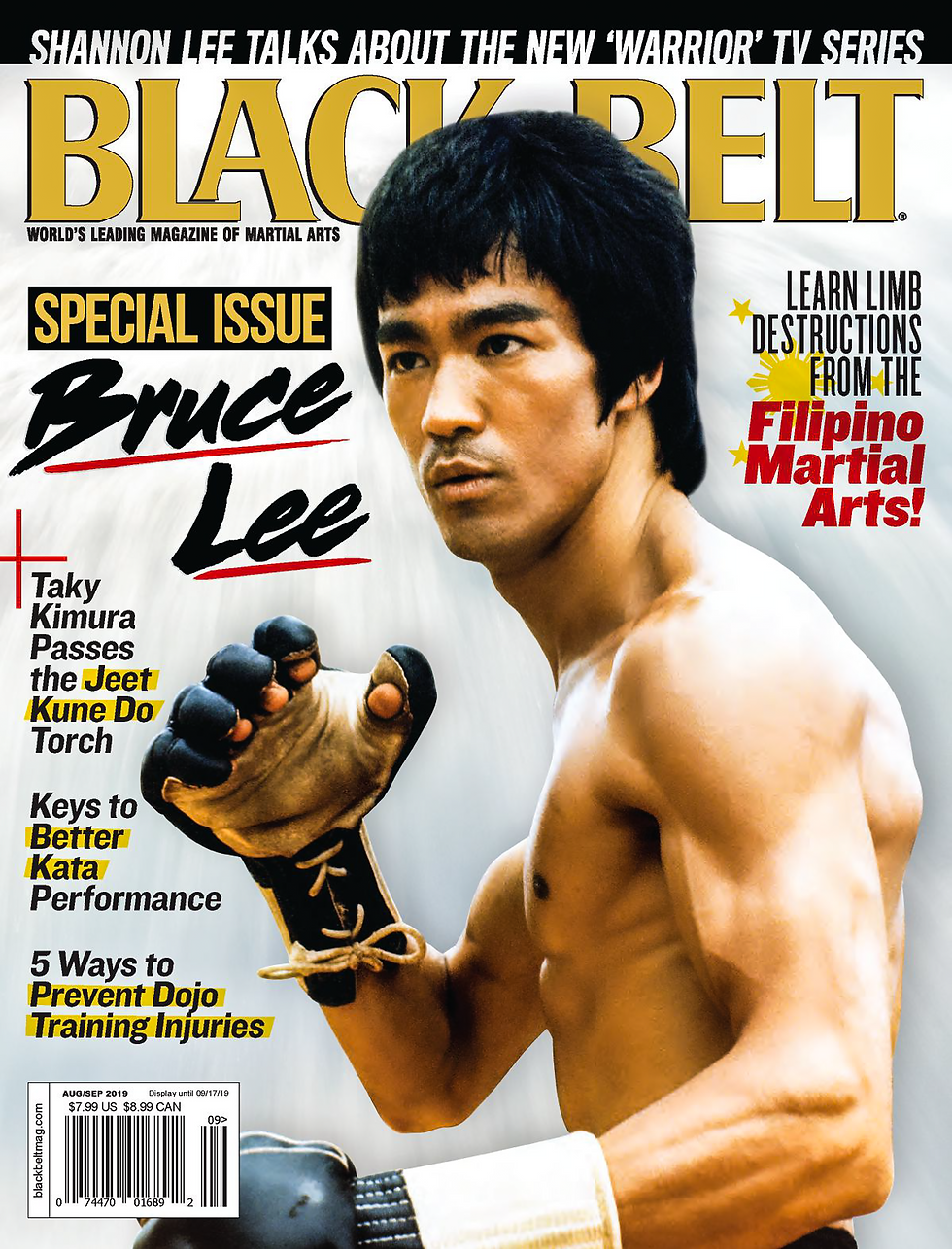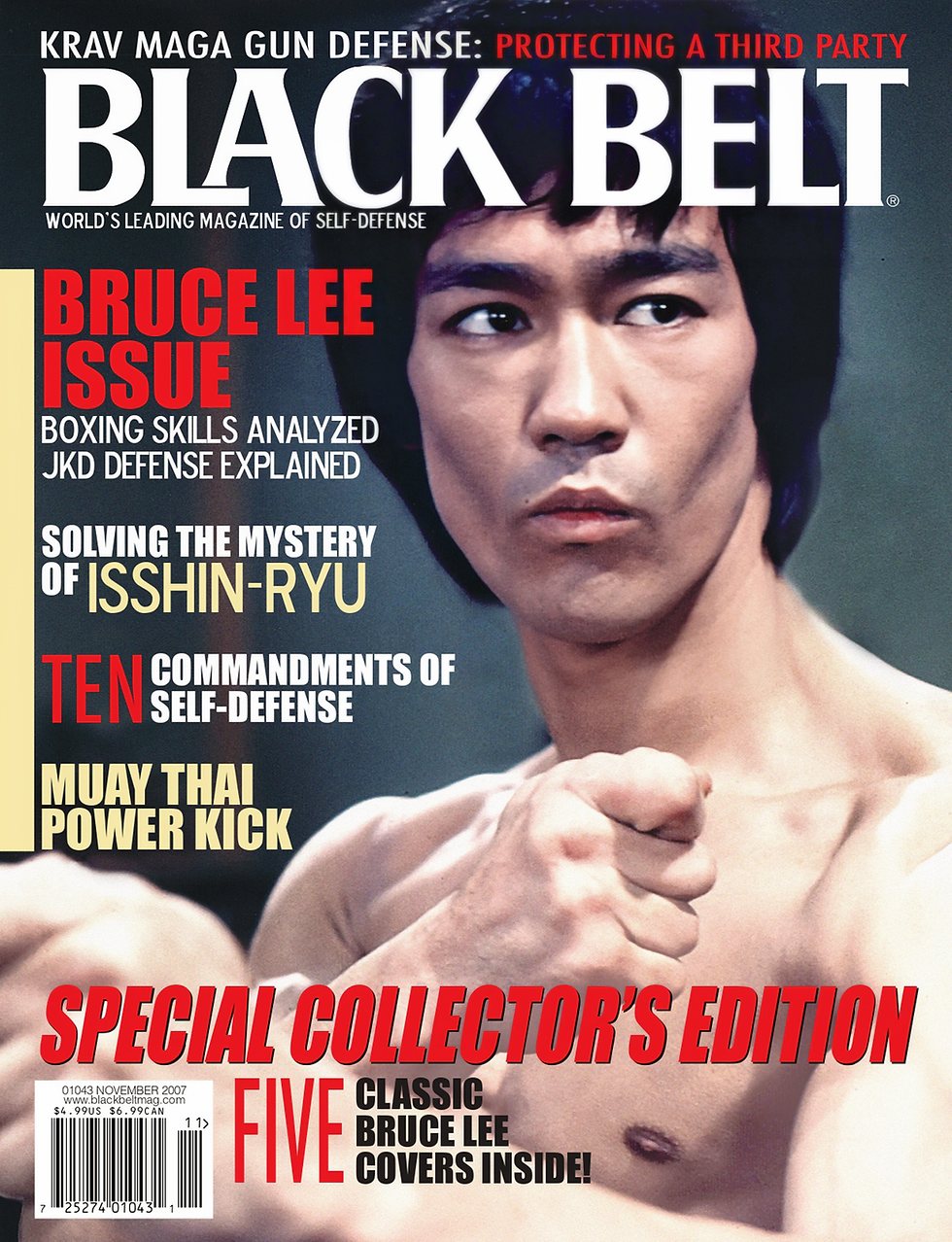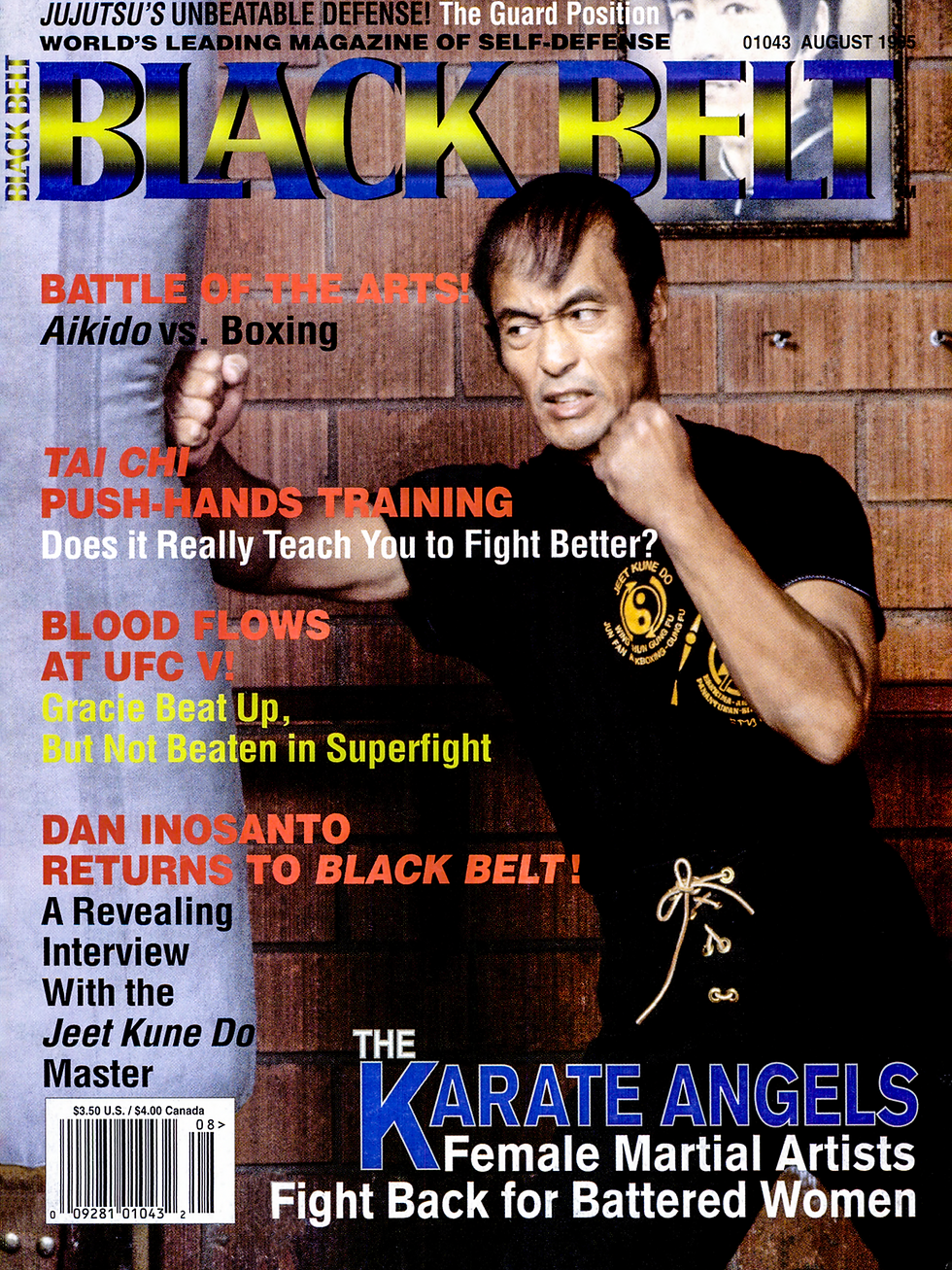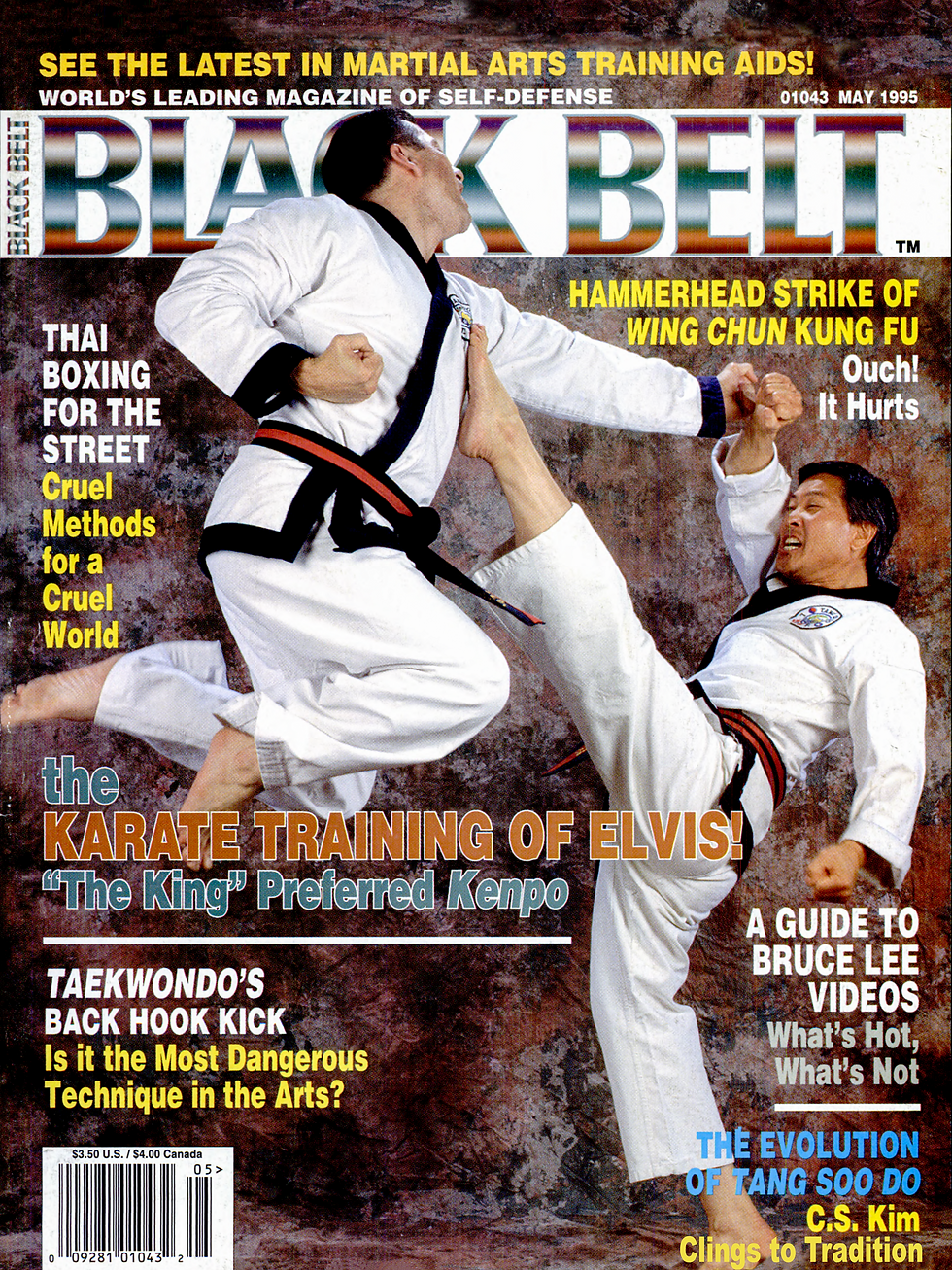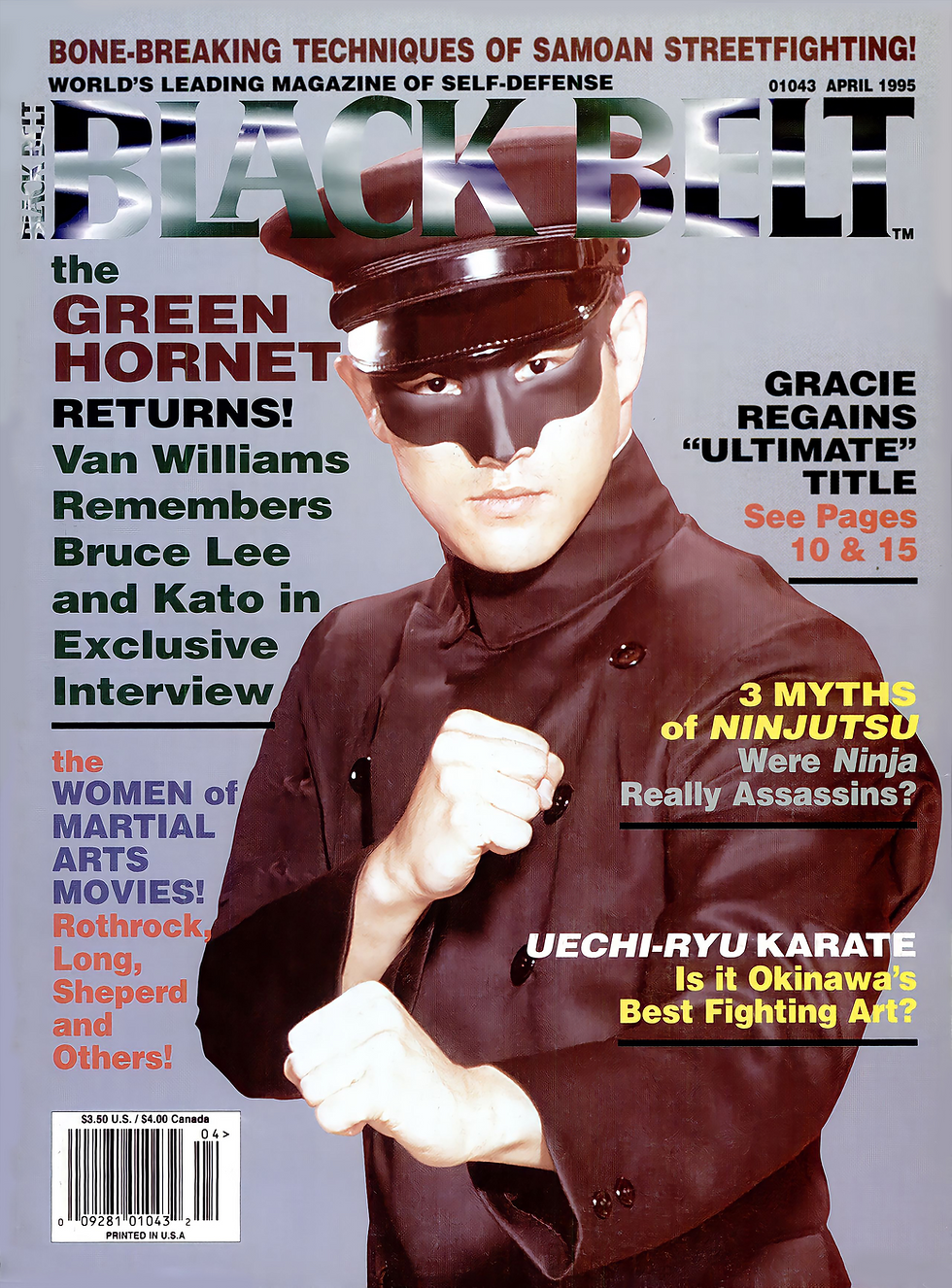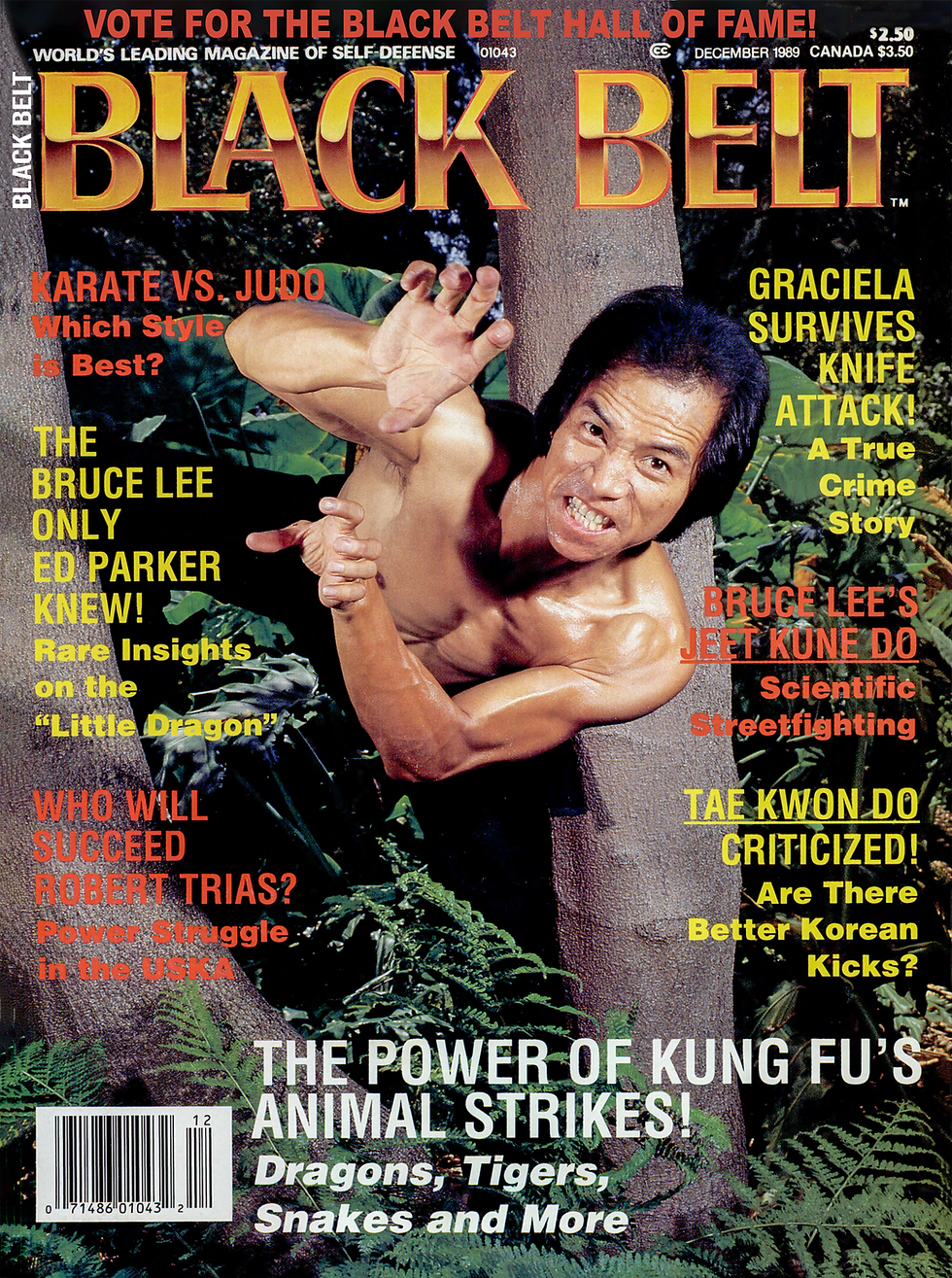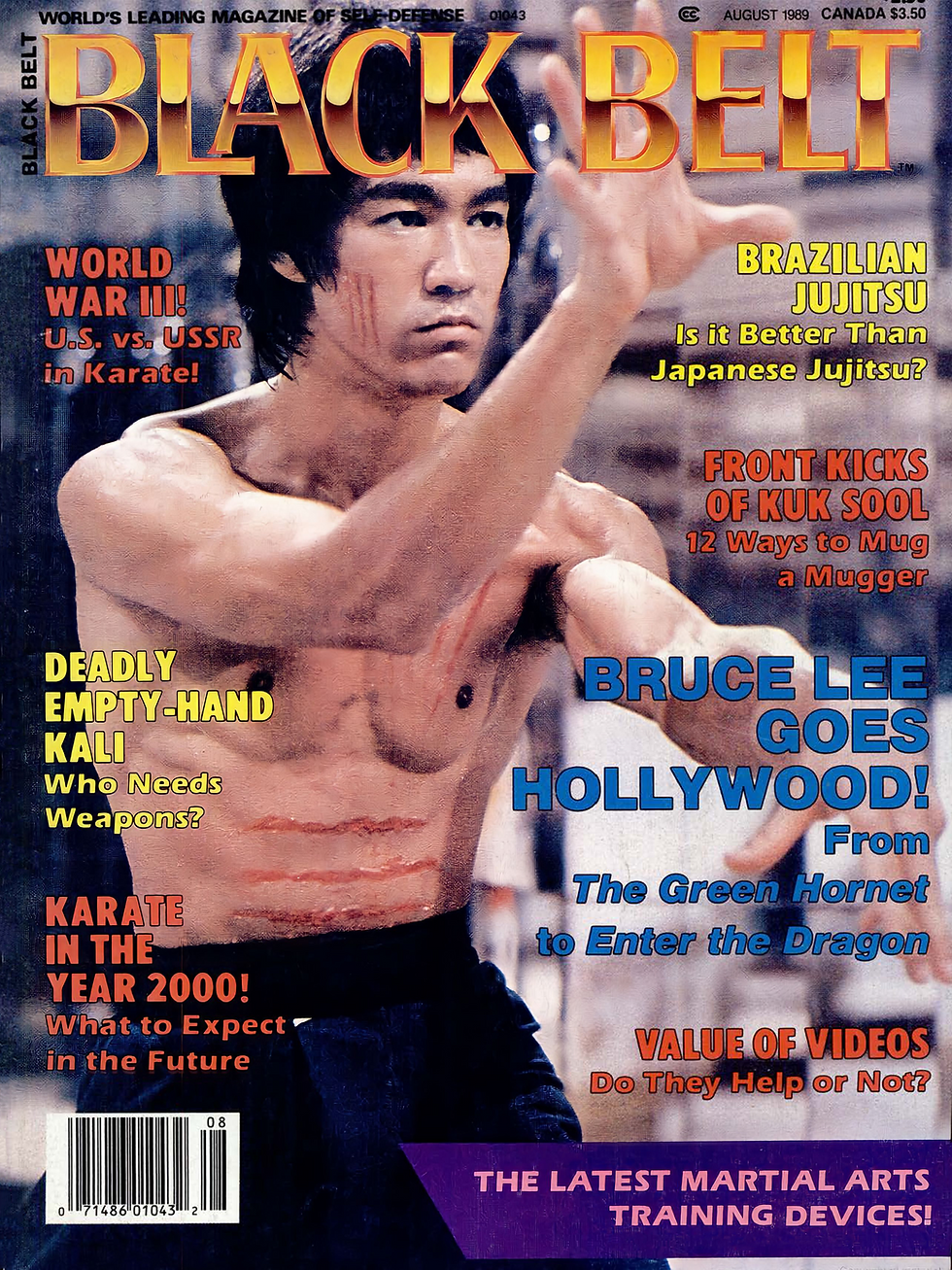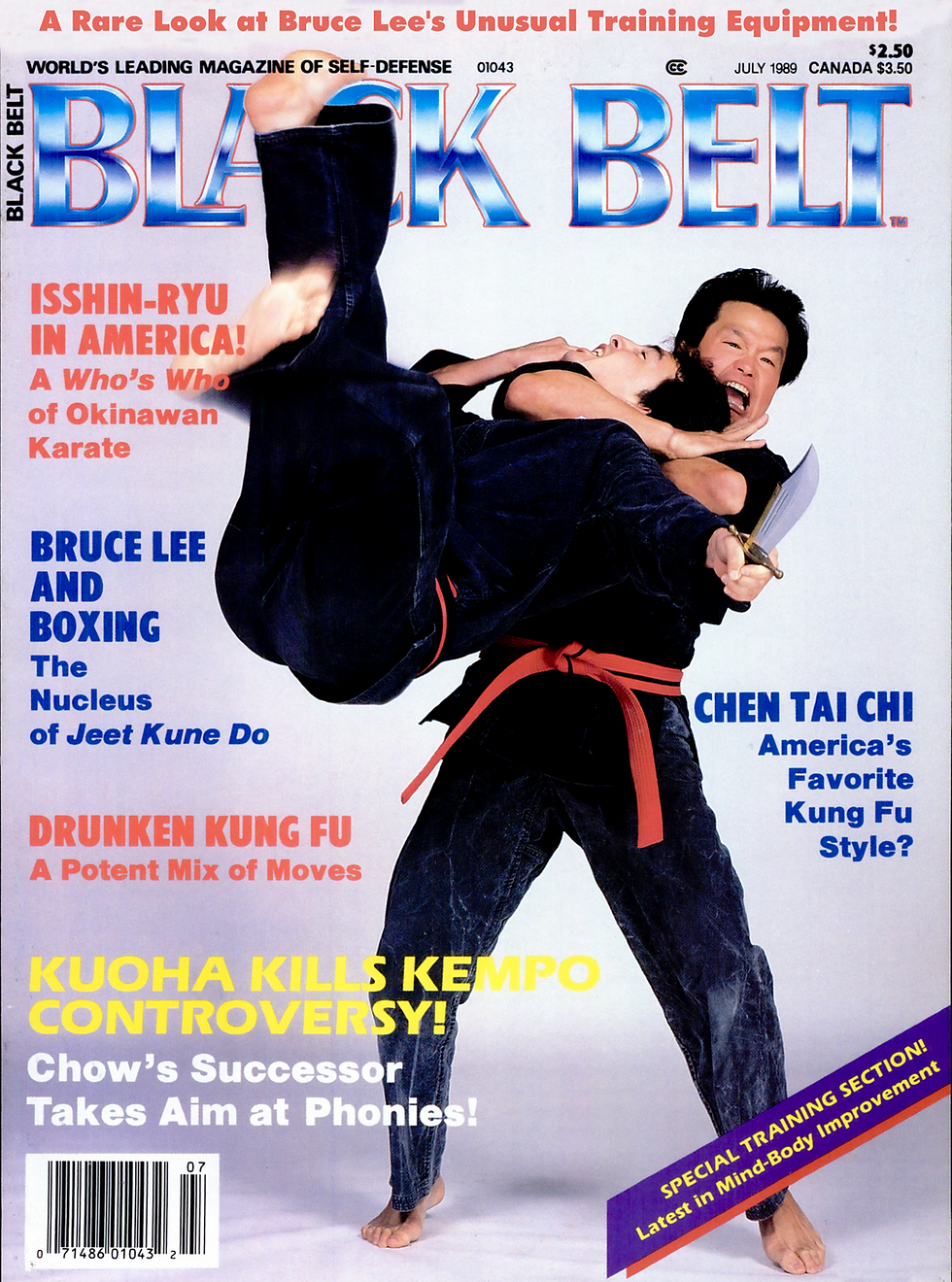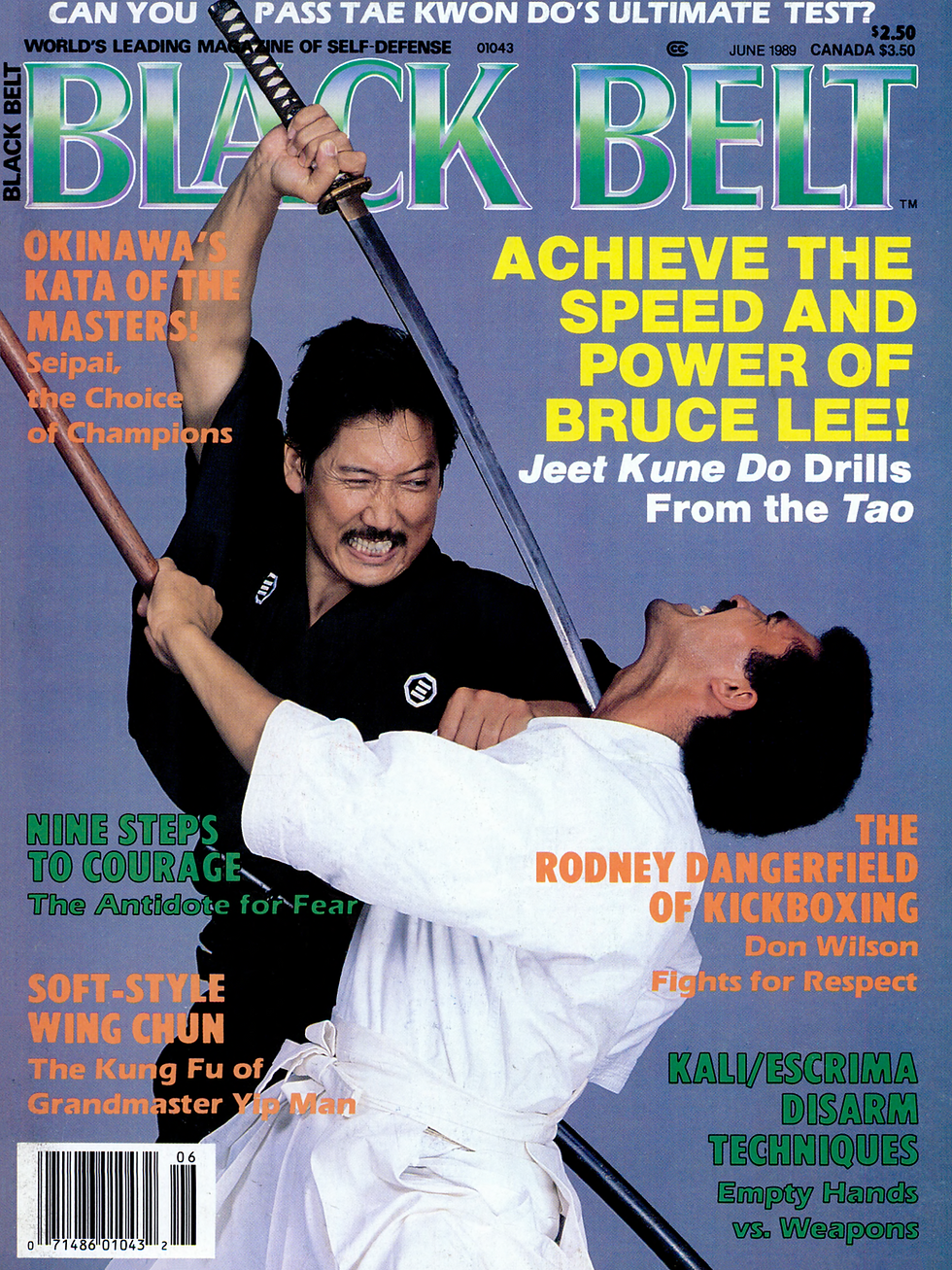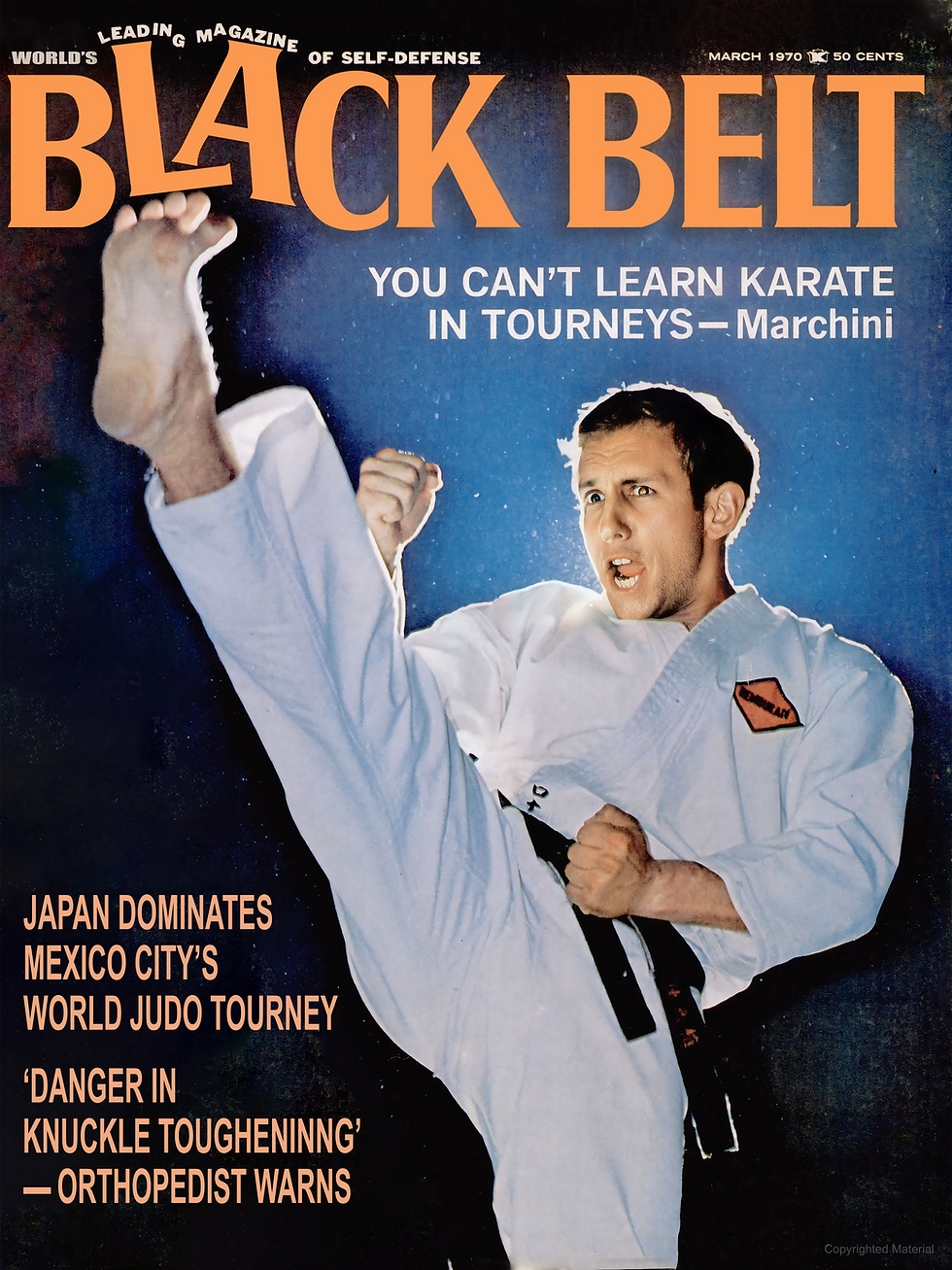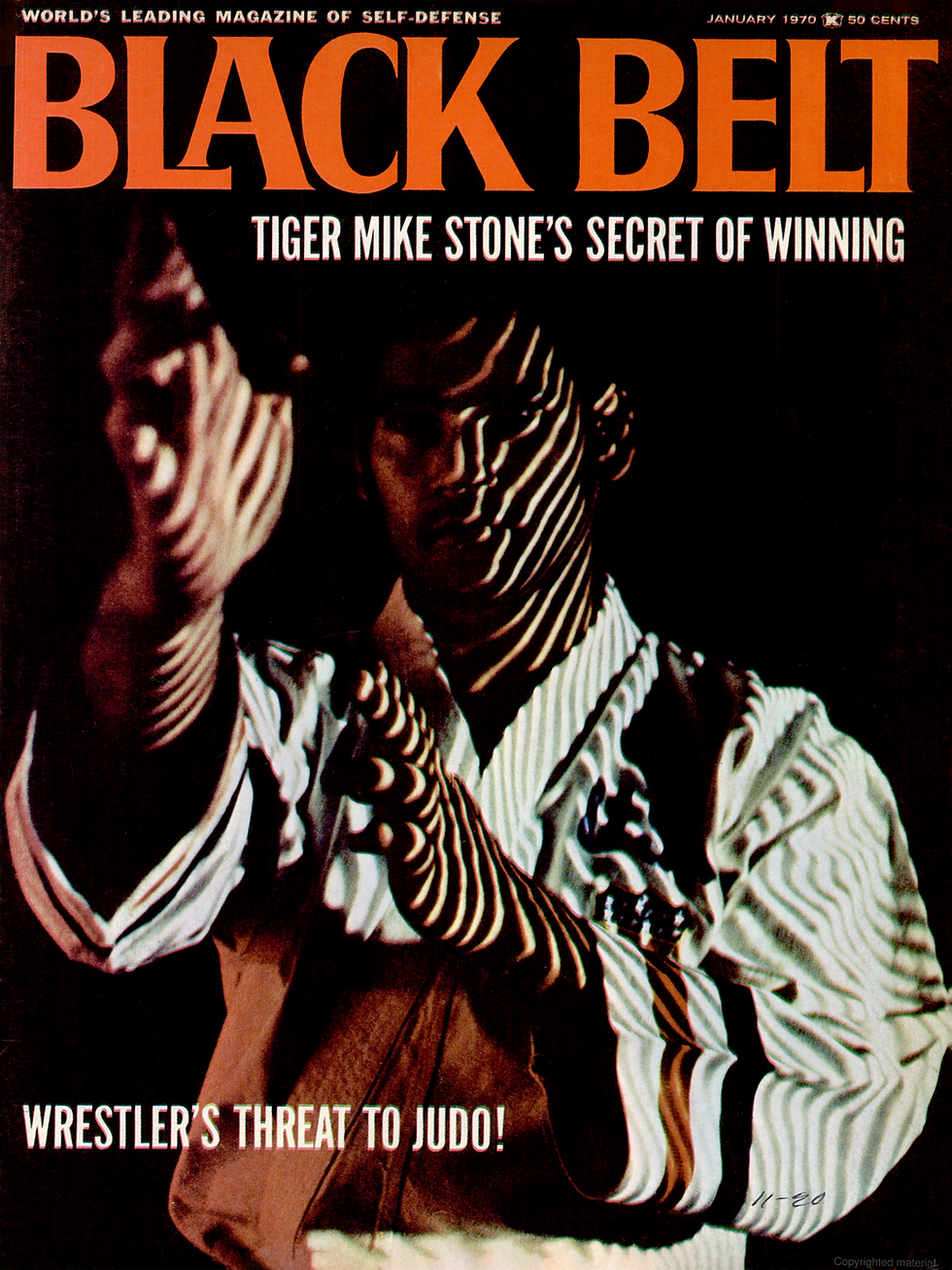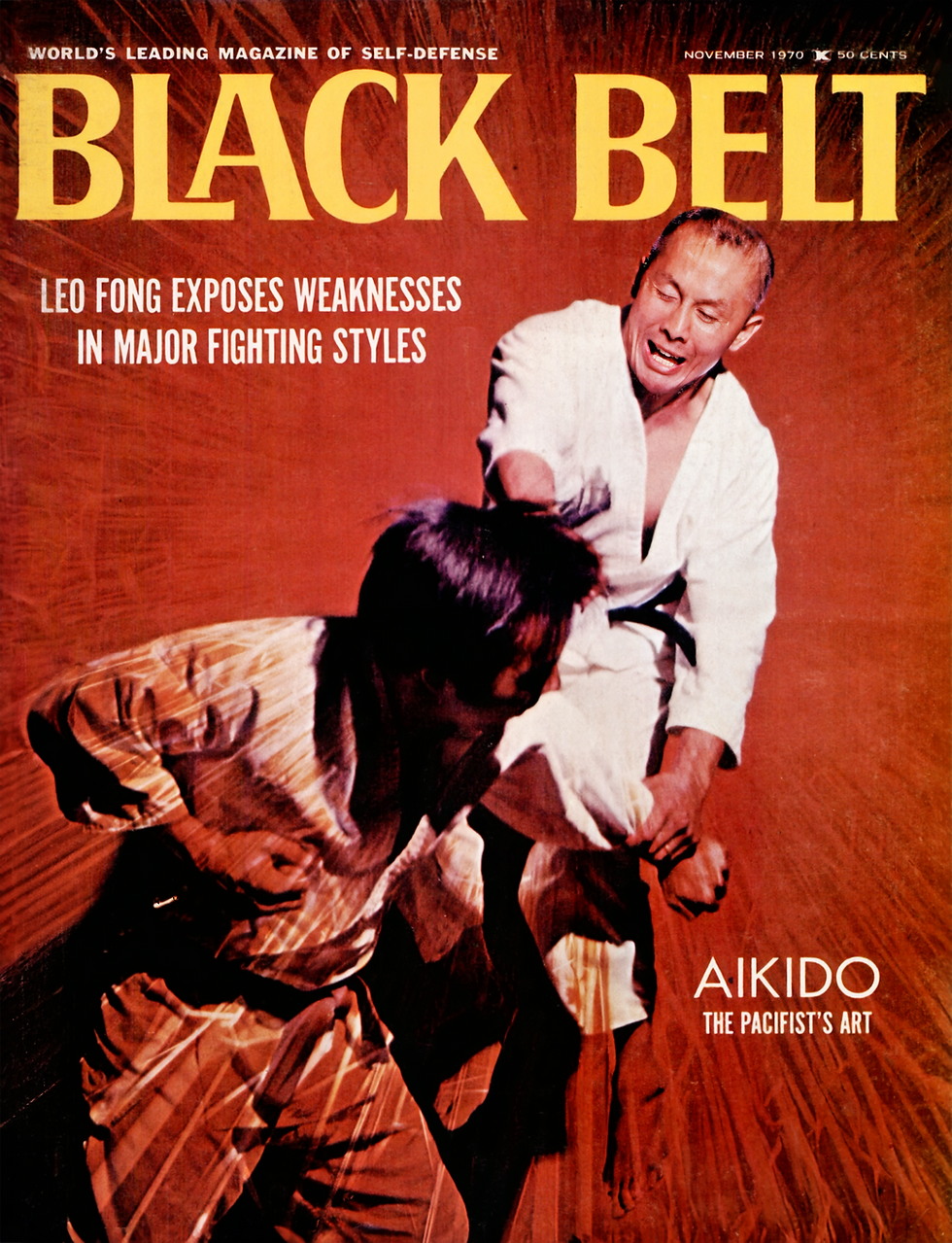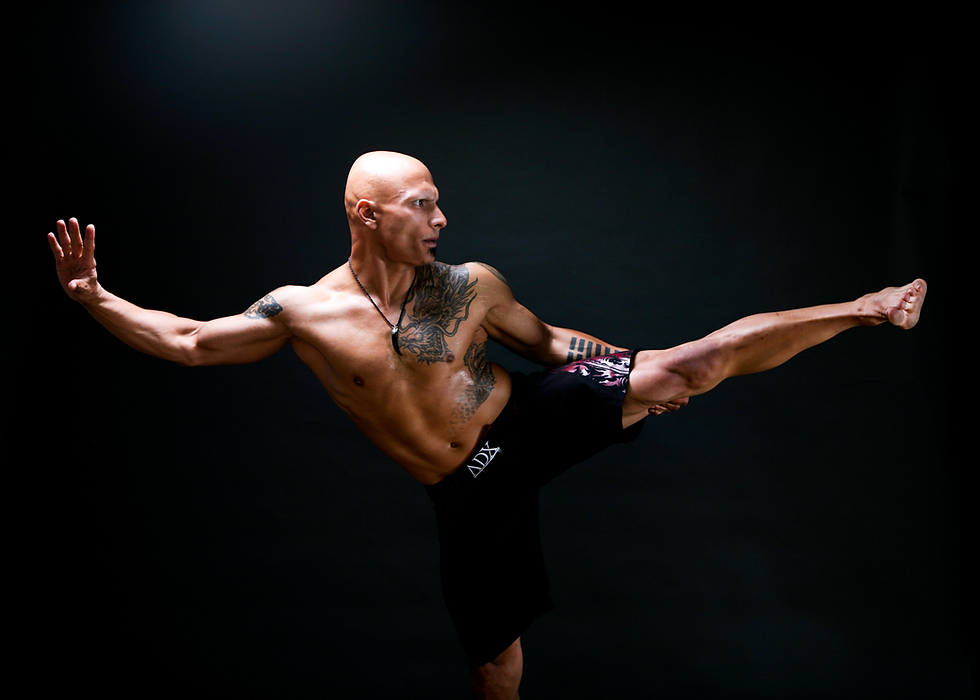

One of Bruce Lee's preferred techniques was the straight right lead. He also taught the lead-hand finger jab, which is technically faster, has a greater reach and requires less force to be effective.
Allow me to intercept those who would object to the title of this article. I’m not claiming that there’s a secret move, shortcut or hack that will give you the edge in any fight. Even if there was an ultimate weapon or strategy, you likely would avoid it because you know that attach- ment to any one idea ultimately will limit your options and make you more predictable in battle. With that said, there is a move that’s perhaps the most versatile technique for use in personal combat, and Bruce Lee knew it well.

Jeet kune do is a scientific approach to street fighting, a method for developing complete martial artists who are not bound by any style or system. Rather, they’re able to adapt to all styles, systems, situations and circumstances. JKD, of course, is the result of Bruce Lee’s search for the truth of combat, and part of that truth is that those who have mastered attacking the eyes and groin while weaponizing their awareness will have a distinct advantage in a street fight.
A street fight is like a very brief game of combat chess involving two strategists. In this context, the “queen of all moves,” the most versatile technique of all, is the bil jee, or thrusting finger jab executed with the lead hand. Simply put, it’s the fastest, most effective strike in the martial arts. It can be found in all traditional styles and reality-based self-defense systems. It even appears in MMA — think about how many times you’ve seen an accidental finger to the eye stop a UFC fight.
With the bil jee, you don’t need to pierce or penetrate the target; you just need to touch the eyeball. This offers an incredible advantage from a speed and range perspective. To strike with a boxer’s jab, you must get closer to your opponent and hit “through” the target in order to cause damage. That makes you slower because your fist must travel farther to make contact and then move past that point.
In chess, the aim is to attack with the queen while defending your king. The queen isn’t limited to any set pattern and can strike from all angles, making it the most powerful piece on the board. Similarly, the bil jee can attack from any angle, and it can be adapted to work with any style. Further, the technique allows you to maintain the “fighting measure,” or safe fighting distance, and effortlessly strike your enemy’s eyes with the speed of a cobra.
Whether you choose to initiate the attack or use a counterattack, the bil jee offers an opportunity to create a flinch response or a moment of pain. This is your op- portunity to steal the next beat in time and seize an open line of attack. For example, using a high-low-high strategy, you first attack the eyes (high) with a bil jee, then on the next half-beat, you attack the groin (low) with a lead- leg kick. Finally, you come back up to the eyes (high) for another bil jee.
The real power of the bil jee lies in its seamless integration with other striking, trapping and grappling tools. Depending on one tool or strategy as your be-all and end-all is not a good tactical approach. The chess master knows this, which is why he uses every piece on the board and coordinates attack and defense in an integrated fashion.

In JKD, the idea is simply to simplify. Attack the eyes and the groin, maintain the distance and intercept the space between. Use elbow and knee destructions to defang the snake and destroy the opponent’s punches and kicks. Be deceptive with footwork and timing, and draw him by setting and breaking rhythms. Weaponize aware- ness to connect to him, create opportunities and adapt like water. When the opponent expands, contract. When the opponent contracts, expand. Recognize patterns and seize openings by waiting, observing and reading his movements and intentions.
DEFEND THE KING
As you attack with your queen, you must not forget to defend your king. The king, in this case, is your breath. In chess, the king can move only one square at a time. Similarly, breathing can be managed only one breath at a time. If you lose track of your breathing, you’re doomed — in a fight and in life.
Proper breathing is important for two reasons: It allows you to conserve energy, and it helps you weaponize your awareness. When you fight, fear, stress and anxiety create tension, which can cause you to hold your breath. When you hold your breath, your energy gets depleted. Feeling slower and weaker, you start to panic. Obsessive thinking sets in, and the chatter in your mind robs you of the pres- ent moment, making you your own worst enemy.
Controlling your respiration in tense situations is a skill that must be developed. Learning to relax on demand during conflict, chaos and the ever-changing circumstances of a fight is often overlooked and usually undertrained.
Fighting changes from moment to moment based on you, your opponent and your environment. Victory is not in the end result. Rather, victory is gained by mak- ing the right decisions and adapting from one moment to the next. To effectively adapt to your opponent, you must learn to weaponize your awareness. To weaponize your awareness, you must learn to come from the center of time and space. The center of time and space is where you, the observer, should live. An observer has no thoughts, judgments or attachments. An observer knows without knowing and acts and reacts on his own. That may sound mystical, but it’s really not. Consider:
While driving your car, have you ever swerved out of the way at the last moment and barely avoided an accident? It’s almost like you moved before you had time to process the event, and only afterward did you realize what you’d done.
In sparring, have you ever just hit your opponent and then, in the next moment, realized that he was open? This is the phenomenon you’re after. Awareness is always there; it’s just that some people have lost touch with it. By reconnecting with awareness, you’re not creating any- thing new. Rather, you’re connecting with something you may have forgotten.

WEAPONIZE YOUR AWARENESS
My tai chi master taught that to weaponize awareness and orient from the center of time and space, a martial artist needs to know the four pillars of the mind
imagination, sensation, intention and attention. They're considered the keys to weaponizing awareness because they teach you to task your mind with orienting from the perspective of the observer and not the thinker. Outlined below is the three-step process that I teach all my stu- dents, from military and law-enforcement personnel to civilian martial artists.
STEP 1: ORIENT FROM THE STILL POINT
Start by directing your intention and attention to your respiration. When you inhale and exhale, feel your abdomen expand and contract. Now focus on the still point of the breath, the pause between an inhalation and exhalation and be - tween an exhalation and inhalation. During the pauses, direct your intention to your heartbeat. Feel the sensa- tion as it ripples throughout your body like a stone rippling on a pond.
Count four heartbeats, then slowly increase the number.If you try to expand the duration of your still points too quickly, you'll introduce tension in your body. Your mind will start to panic because it thinks you're dying due to lack of air. Rest assured you're not going to die. Instead, smile, relax and let go of the tension. Don't force this. As you practice and relax into it, the time between breaths will increase naturally, and you'll develop internal awareness. Once this becomes comfortable, expand your awareness outside your body and listen to the sounds in the room.
Next, you must learn how to operate from the center of space. You need to extend your spatial awareness outward toward the six directions: forward and backward, left and right, and up and down. Extend your awareness by putting your intention and attention in these directions, and you'll be operating from the center of space. Remember that your awareness is a full 360 degrees, not just what's in front of you.
You can try it right now while you're sitting. Concentrate on extending your attention into the six directions. Let your awareness envelope the entire room. If it seems difficult, do two directions at a time until you feel comfortable, then integrate the others.
The next phase is to imagine your physical body melting away. All that's left is internal and external awareness, which merge into one "noticing awareness." As you practice removing yourself (mind and body) from the equation, you'll become familiar with this state of being. You'll create a new reference point, which is the center of time and space.
STEP 2: MAINTAIN AWARENESS INCHAOS:
Now you're ready to start training your point of orientation under stress. You can introduce stress through exercise - by running sprints, for example. The goal is to exert maximum effort while maintaining focus on each stride, breath and heart beat, as well as the six directions of awareness. As you tire, your mind wants to wander. It wants to focus on the pain and the lack of air while forgetting about the directions. It wants to distract you with negative thoughts such as "This is hard!" or "I can't do this!"
This is OK. It's actually the moment you're seeking. It represents an opportunity to direct your awareness back to your breath, your heartbeat and the six directions. This ability to redirect can be used in everything you do, from hitting a heavy bag to sparring to forms.
STEP3: RECOVER TO THE CENTER OF TIME AND SPACE
The moment you complete your sprint, you'll be exhausted. This is when you must mindfully take over the recovery response. Your heart will be pounding, and you'll be close to hyperventilating. Your goal is to quickly redirect your attention into slowing your breathing, maintaining your directional awareness and beginning to relax. Repeat the word "calm" as you exhale. When you inhale, do it from your belly, not your chest. Remember the sensation of relaxation from Step 1 and reconnect yourself to that state with each breath. Recovering to the center point is crucial because you never know when you might be blindsided by a situation - or an attacker. Your ability to quickly get hold of your senses, your emotions and your breath is of vital importance when you need to reset and recover.
Remember that your awareness is the governor of your weapons, and as such, it must be trained. Orienting from the still point will allow you to observe your opponent and better read his intentions, movements and tells. It will become natural. This will aid you in positioning yourself and making decisions. You'll be outside your head, orienting from noticing awareness. Time will appear to slow. By controlling your respiration and returning to the center, you'll be able to deal with chaos while controlling fear, stress and anxiety.
HEED THE WISDOM OF MUSASHI
Tactics, strategies and weapons are just knowledge, and knowledge without wisdom can be dangerous. Wisdom is the application of knowledge. You can learn about awareness, understand strategy and know the fastest move (the bil jee), but if you can't apply this knowledge, it's just useless information.
Miyamoto Musashi said,"The way is in training." Your confidence stems from experiential knowledge and knowing that you've embodied your tools and strategies so they can be adapted for use in changing situations. Only then can you be wholly in the moment and surrender to the experience by letting go of victory or defeat.
The best way to develop this ability is by using a training method that's fun and functional. It should develop your physical attributes, strategies and weapon selection while sharpening your awareness. It should be equal parts feeding drills, counter-for-counter drills and sparring against resisting opponents. Because a fight is a living exchange, your training must incorporate timing, angles, distance and progressive resistance. To help you with this, I have developed a method that gamifies the learning process.
PLAY COMBAT CHESS
To absorb all the benefits of training, you need a step-by step progression that chunks pieces of information and installs them in your subconscious mind. The greatest chess masters isolate individual pieces - for example, a king versus a king and a pawn. Chess masters learn how these isolated pieces move together on the board, and this information is stored in their subconscious. This isolation method of training accelerates the learning process, which is why Rickson Gracie made it part of his Brazilian jiu-jitsu training philosophy. When you isolate tools or positions, you have fewer options and are forced to focus on energy, awareness, timing, and the space between the strikes and positions.
The four “games” listed below can be used to functionalize any tactic or strategy, but to mesh with this article, you should focus on bil jee attacks to the eyes and lead- leg attacks to the groin. For best results, experiment with opponents of different body types and martial arts back- grounds. Start by feeding each other techniques with no resistance so the correct mechanics can be learned. Next, introduce counters so you can start to understand timing and the appropriate responses. Finally, incorporate resistance and intelligently spar using the isolated weapons and positions.
GAME 1: COORDINATE AWARENESS AND MOVEMENT
Your partner, wear- ing boxing gloves, is restricted to using only the jab. His goal in the first round is to hit you 30 percent of the time while feeding you 70 percent of the time. In the second round, he switches to hitting you 70 per- cent of the time and feeding you 30 percent. Your objective is to move, watch and breathe. When moving, reposition your feet, head and hands as one unit. When watching, extend your awareness in all six directions. When breathing, don’t tense up or hold your breath.

GAME 2: ISOLATE TOOLS AND ATTACK STRATEGIES
Start by having your partner don boxing gloves and eye protection. Then the two of you will pit the bil jee against the boxer’s jab. Assign an attack strategy (primary attack or secondary attack) to each person. Primary attack has you initiating with one of JKD’s five ways of attack (single direct attack, attack by combination, progressive indirect attack, attack by draw, and trapping or hand-in- mobilization attack). Secondary attack has your partner initiating and you choosing whether to counter before, during or after the strike. Each partner should take turns using the attack strategies and then combining them.
GAME 3: INTEGRATE TOOLS AND ATTACK STRATEGIES
This exercise involves bringing other tools into the matrix while alternating primary and secondary attacks. The following are some combinations that will help you functionalize strikes to the eyes and groin:
Your partner uses the jab, cross and hook while you use the bil jee.
Your partner uses the jab, cross and hook while you use the bil jee and your lead leg.
Your partner uses the jab, cross and hook, as well as kicks, while you use the bil jee and your lead leg.
Your partner uses takedowns while you use the bil jee and your lead leg.
Your partner uses strikes and takedowns while you use the bil jee and your lead leg.
Your partner uses strikes and takedowns while you use the bil jee and all your other weapons.
The best way to improve is to train with partners who are skilled at each discipline or range. That will ensure you get the correct pressure and resistance based on their timing, angulation, and ability to close and main- tain distance.
GAME 4: ATTRIBUTE DEVELOPMENT
Nothing kicks you into high gear like facing a partner with a training blade or rattan stick. Because of the speed with which a training blade can move, your footwork, timing, awareness and alert- ness must be hyper-focused. Because of the power with which a rattan stick can be wielded, you must bridge the gap and close the distance efficiently while striving to improve your reaction time and spatial awareness
Adding multiple opponents to this game increases the intensity and pressure. It also forces you to adapt to more stimuli, which ones your reflexes. Make sure you have proper safety equipment, especially eye protection.
PUT THE ART IN MARTIAL ART
“Creation” refers to making something that didn’t exist before. When you create art, there can be no fear of the outcome, just honest self- expression. By following the combat-chess methodology, you’ll start chunking information and installing the chunks in your subconscious. Your subconscious has the ability to connect the various groupings of information and create responses without conscious thought, leaving you to be the observer of the experience.
Operating as the observer will make time seem to flow more slowly and allow you to “start after but arrive before” your opponent. It’s the most freeing phenomenon that can be experienced in the martial arts. It’s the instinctive response that Bruce Lee was referring to when he said, “It hits all by itself.”
The master key to success in this fighting process is you. Remember that results rule. Question everything and always look to explore, discover, grow and create.
Harinder Singh Sabharwal teaches jeet kune do, wing chun, tai chi, savate, kali, boxing, wrestling and Brazilian jiu-jitsu. He’s the founder of the Jeet Kune Do Athletic Association and Black Belt University. For information about his new online course, visit jkdforblackbelts.com.
This article originally appeared in a 2020 edition of Black Belt Magazine.