Consider the following scenarios:
• You’re on an elevator alone, and a stranger gets in. The door closes, and he stops the elevator between floors. He says, “First, I’m going to take your money, and then I’m going to take your head off!” What do you do?
• You’re sitting at the bar when a rowdy guy next to you imagines that you’ve spilled your drink on him. Out of the corner of your eye, you notice that he’s about to unleash a roundhouse punch aimed at your face. What do you do?
• You and some friends are getting into a car to drive home after a party. You get in the front seat and buckle up. Everyone tells the driver that he’s had too much to drink and that he should let someone else drive. He insists he’s fine and starts getting hostile, then lashes out at you. What do you do?
• You’re about to leave a playground when several punks approach. One of them says, “You ain’t leaving yet!” What do you do?
NO, THESE AREN’T SCENES from a sequel to Speed. They’re real-life situations that share one characteristic: The best response in each is to not grapple.
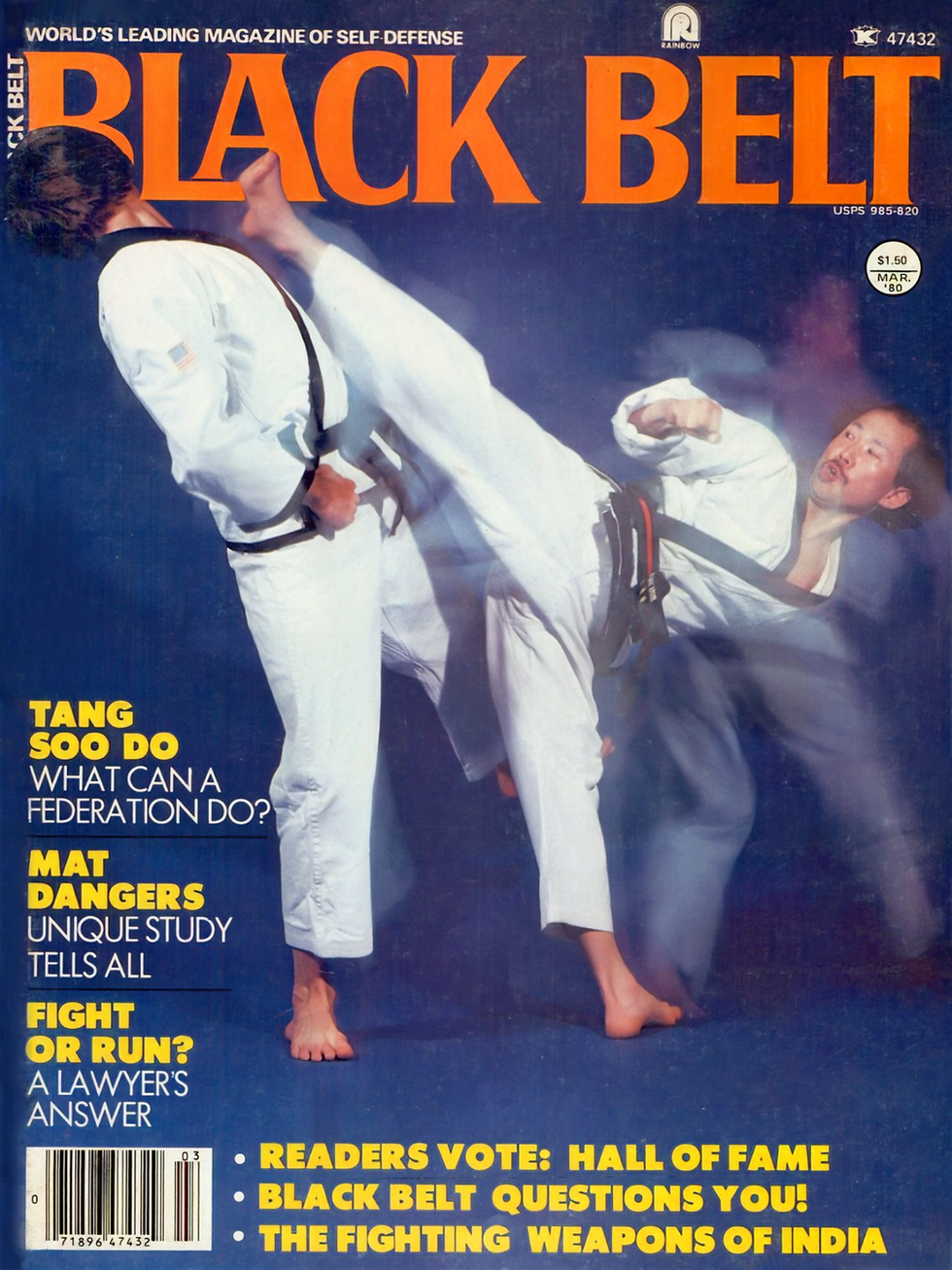
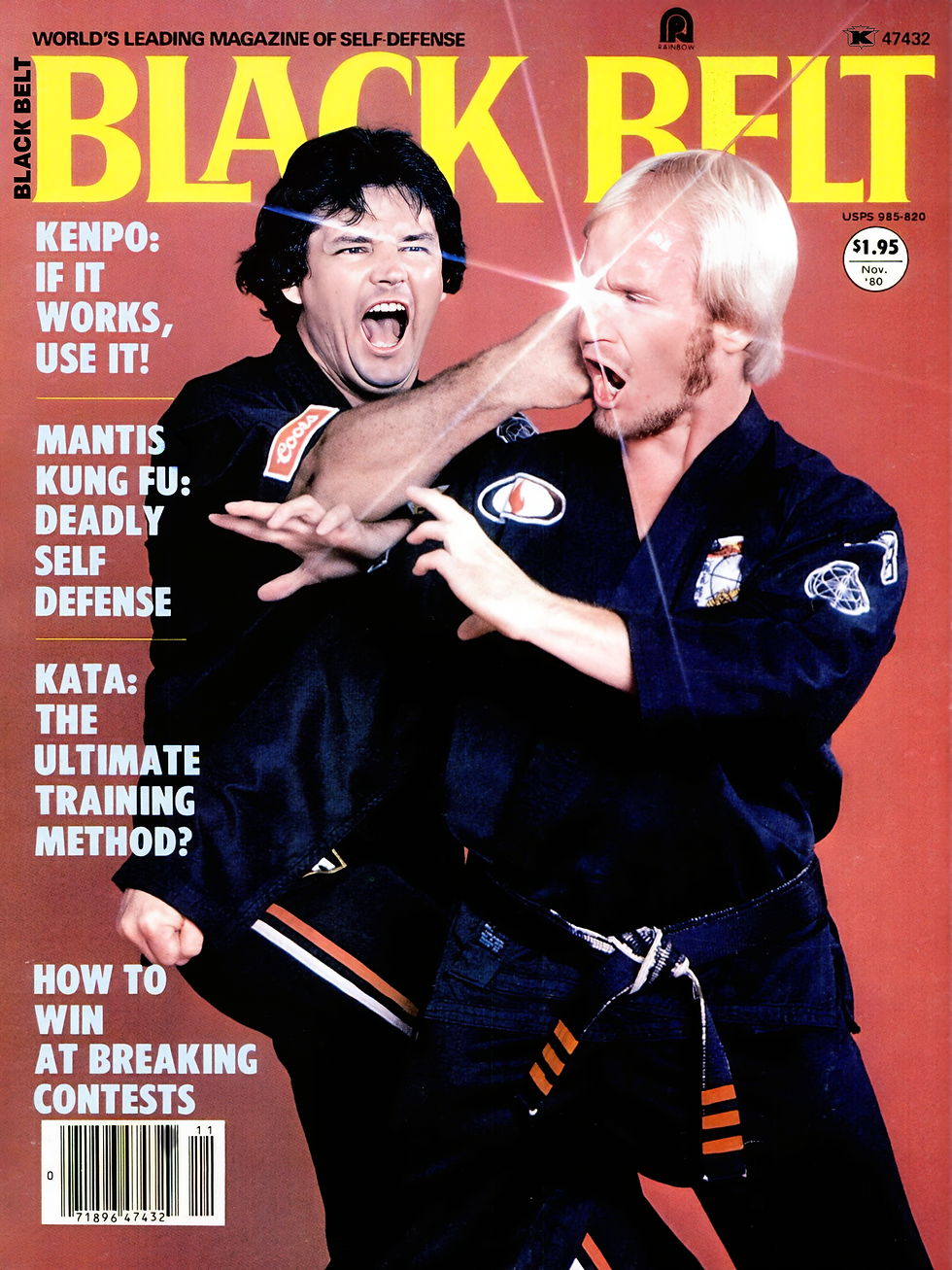
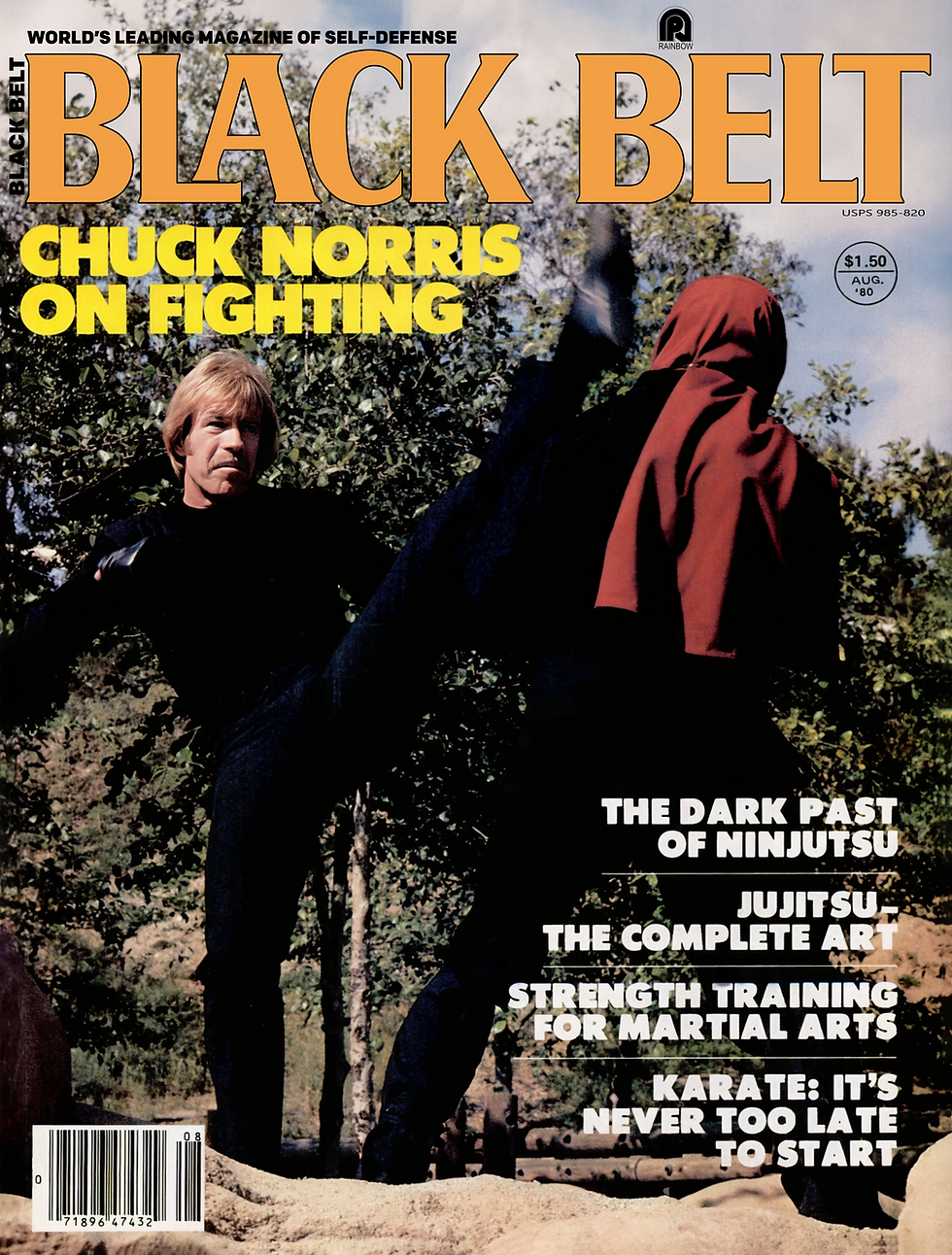
As much as 95 percent of the time, grappling is the preferred means to end a fight, and most strikers have added ground skills to their arsenal. However, as the four scenarios show, some circumstances call for nongrappling reactions. To use grappling would be unwise, if not impossible.
Knowing what to do in any situation can be difficult because of all the variables. You must be ready to act at all times, whether you’re standing up or lying on the ground. It’s best to have “more than one string to your bow” so you’re more likely to react appropriately to a specific threat.
Even in a grappling encounter, there are times when striking is good, especially to finish a fight or encourage its ending. The more complete you are as a martial artist, the better prepared and more capable you will be to defend yourself successfully.
SO WHAT DO YOU DO? I’ve experienced all four situations presented above, and I can suggest employing certain nongrappling techniques as a first line of defense.

In the first scenario, an effective self-defense tactic might involve grabbing the handrails and bracing yourself against the elevator wall. This will increase the leverage and double or triple the power of your kicks, which can easily send an attacker reeling back with such force that he slams his head against the wall.
In the second scenario, the attacker’s wild swing would take at most one second to land, so you don’t have time to jump off the bar stool, square up and use the charge-clinch-choke strategy often seen in MMA. Instead, you might deflect the blow with the arm closest to him, then follow up with a finger strike to the eyes.
In the third scenario, you’re strapped in and immobile, which makes things difficult. A good option is to use the confined space to trap his arm through or around the steering wheel. Keep him there while you unbuckle your seat belt, until his anger subsides or until help arrives.
The fourth scenario is the one most martial artists dread. With multiple attackers, it’s foolish—even suicidal—to grapple because while you try to make one guy submit, his buddies can pummel you into unconsciousness.
The only logical way to handle the crisis is to keep moving and try to maneuver so that the closest attacker forms a barrier between you and the others.
All the while, strike at the eyes repeatedly and, when possible, deliver your hardest blows to the throat, knees and groin. Remember to vary the sequence and timing of your techniques so your attackers cannot anticipate your strikes. At your very first chance, get the heck out of there.
Knowing how to strike is a necessary complement to grappling. Just be sure that when you train, you remember the words of Bruce Lee: “It is not enough to know; we must also do.”