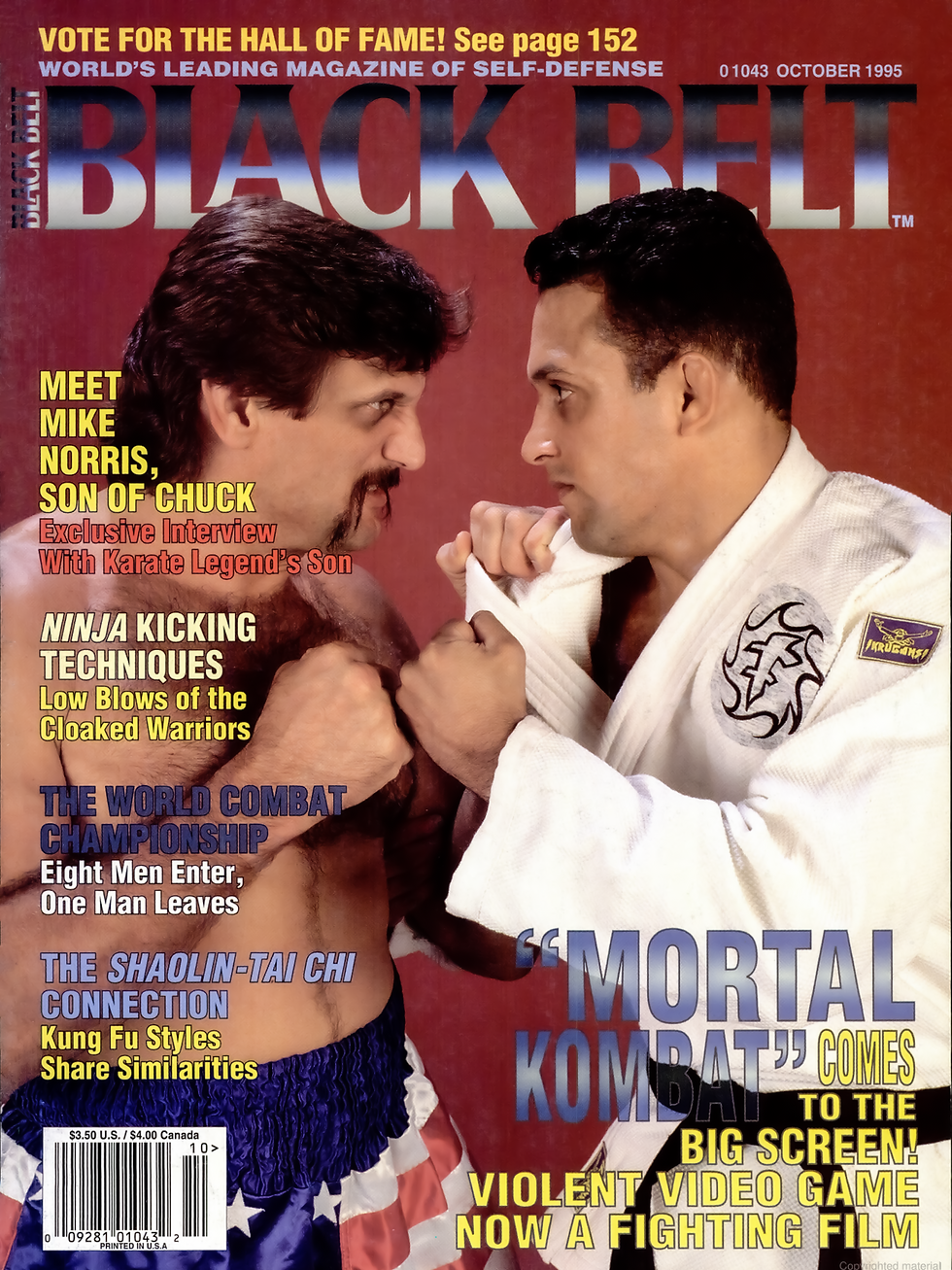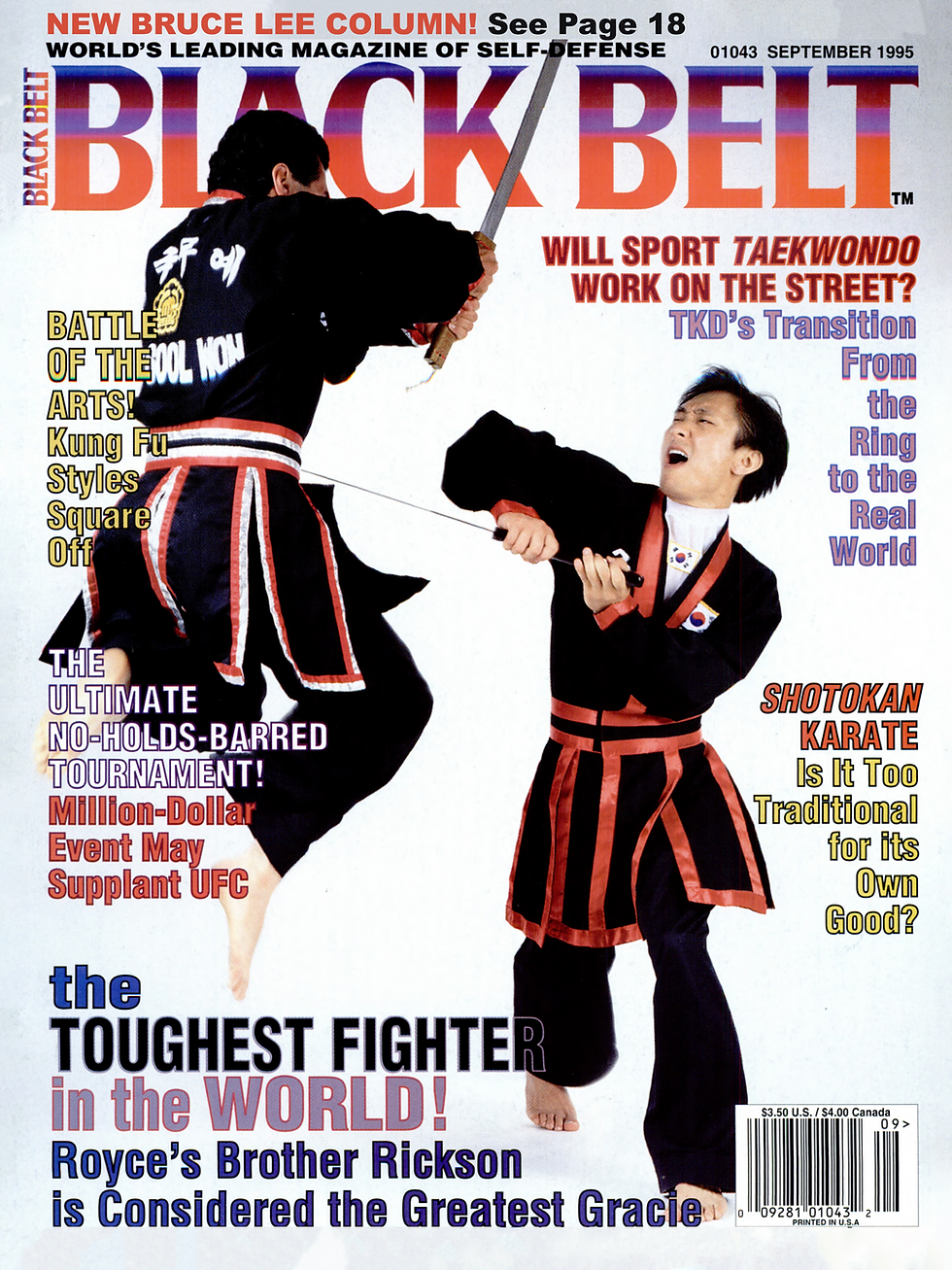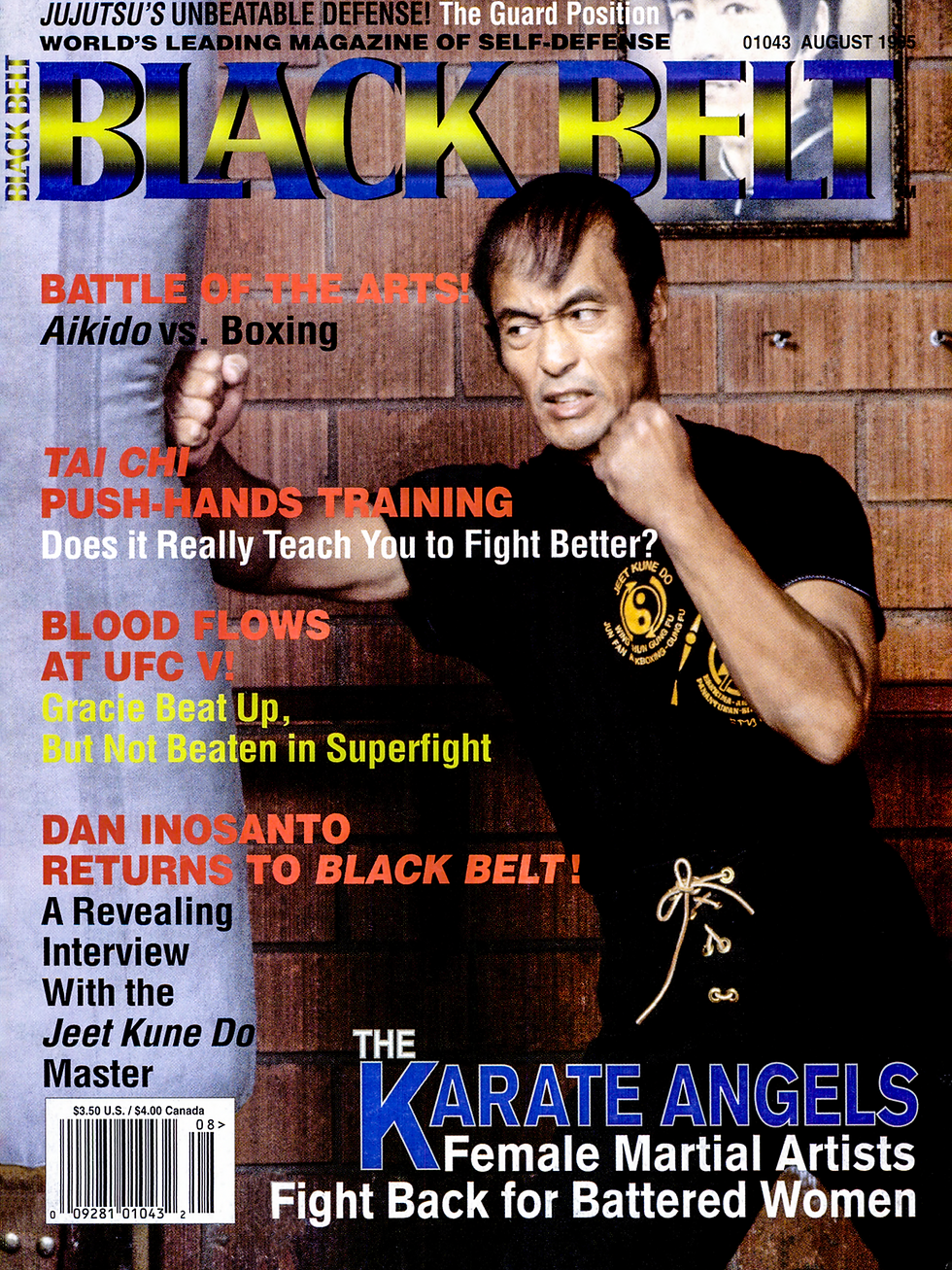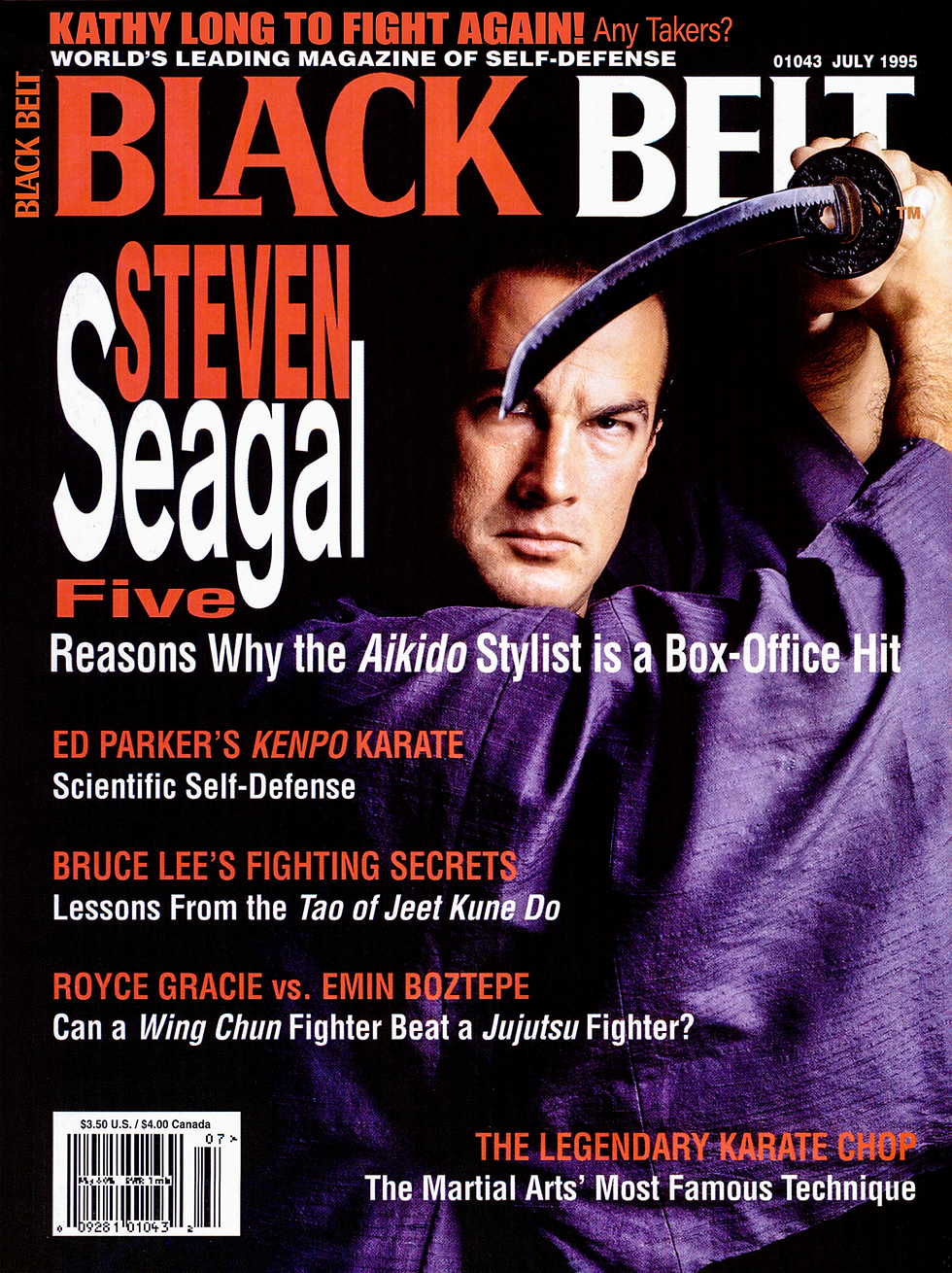
Made in America. Kicking ass and taking names.
For this list, Black Belt looked for movies that are fundamentally American in their setting, characters, filmmaking or cultural identity—and, most importantly, movies that had a lasting impact on martial arts fans.
When people talk about the greatest martial arts movies of all time, the conversation usually begins in Hong Kong. Bruce Lee. Shaw Brothers. Jackie Chan. Jet Li. Sammo Hung. Gordon Liu.
And deservedly so.
But America created its own martial arts movie tradition.
These were movies filled with muscle cars, pickup trucks, motorcycles, back-alley fights, underground tournaments, cops who didn't exactly follow department policy, high school karate rivalries, American kickboxers, street fighters and heroes who usually had one solution when diplomacy failed:
This isn't necessarily a list of the most critically acclaimed films.
It's about the movies that made us leave the theater wanting to train.
The movies we wore out on VHS.
The movies that made an entire generation punch, kick and spin in front of the bedroom mirror.
So put on your black belt, fire up the Mustang and cue the training montage.
Here are Black Belt's greatest American martial arts movies (made) in America.
ABOVE THE LAW — 1988
Shot on location in Chicago
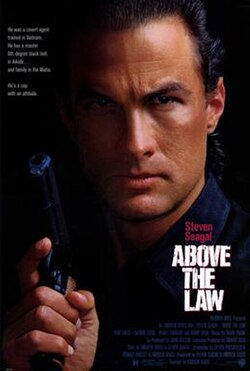
Whatever you think about Steven Seagal today, it's difficult to explain to younger fans just how different he looked when Above the Law arrived.
Audiences hadn't seen many American action stars move like that.
The wrist locks.
The throws.
The joint manipulations.
The economy of movement.
And, yes, the attitude.
Seagal's Nico Toscani didn't fight like Chuck Norris, Stallone or Schwarzenegger. His aikido-based movement gave American audiences something visually different.
Above the Law announced the arrival of a new martial arts movie star almost overnight.
For a while, every dojo seemed to have somebody trying those wrist locks.
And probably a few kids named Nico.
BEST OF THE BEST — 1989
Shot on location in Los Angeles
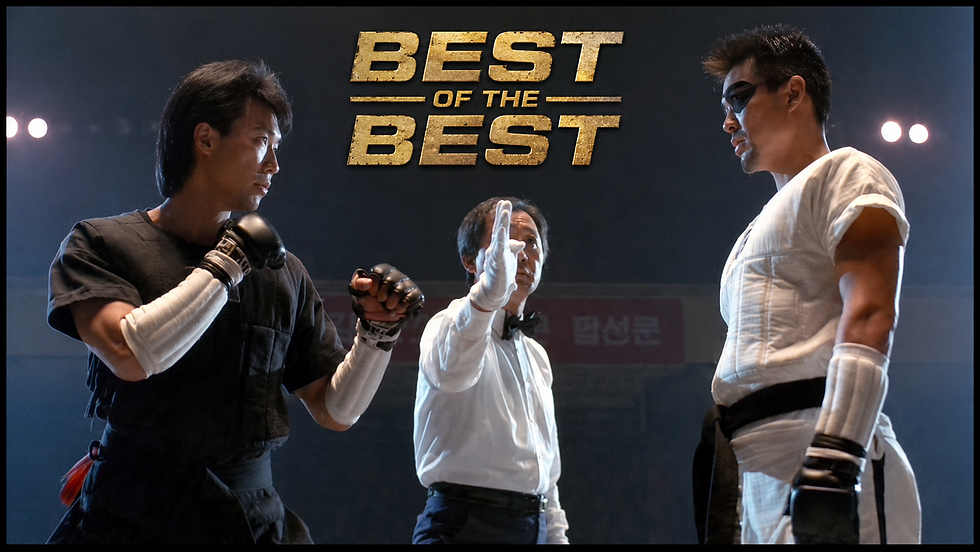
Tommy Lee VS Dae Han ....For martial artists who grew up in the late 1980s and early '90s, this one was personal.
Best of the Best wasn't simply about fighting.
It was about being a martial artist.
Training. Discipline. Teamwork. Sacrifice. Injury. Pride. Respect.
Phillip Rhee and Simon Rhee brought genuine martial arts credibility to the screen, while Eric Roberts, James Earl Jones and a memorable ensemble gave the movie emotional weight.
And then came that ending.
If you were a young martial artist watching Best of the Best, you didn't just want to win.
You wanted to earn respect.
BIG TROUBLE IN LITTLE CHINA — 1986
Shot on location in Los Angeles / San Francisco
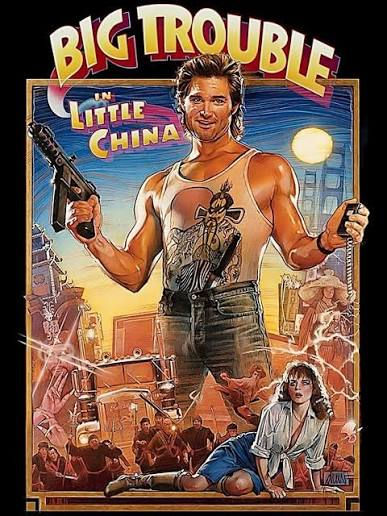
John Carpenter.
Kurt Russell.
San Francisco's Chinatown.
Sorcerers. Monsters. Ghosts. Kung fu. Trucks.
And one of the greatest collections of martial artists ever assembled for an American fantasy action movie.
Big Trouble in Little China threw everything into the blender and somehow made it work.
The movie was underappreciated when it arrived but became a cult classic, influencing generations of filmmakers, stunt performers and martial arts fans.
It proved that American martial arts cinema didn't have to take itself seriously.
Sometimes you could simply have fun.
BLACK BELT JONES — 1974
Shot on location in Los Angeles
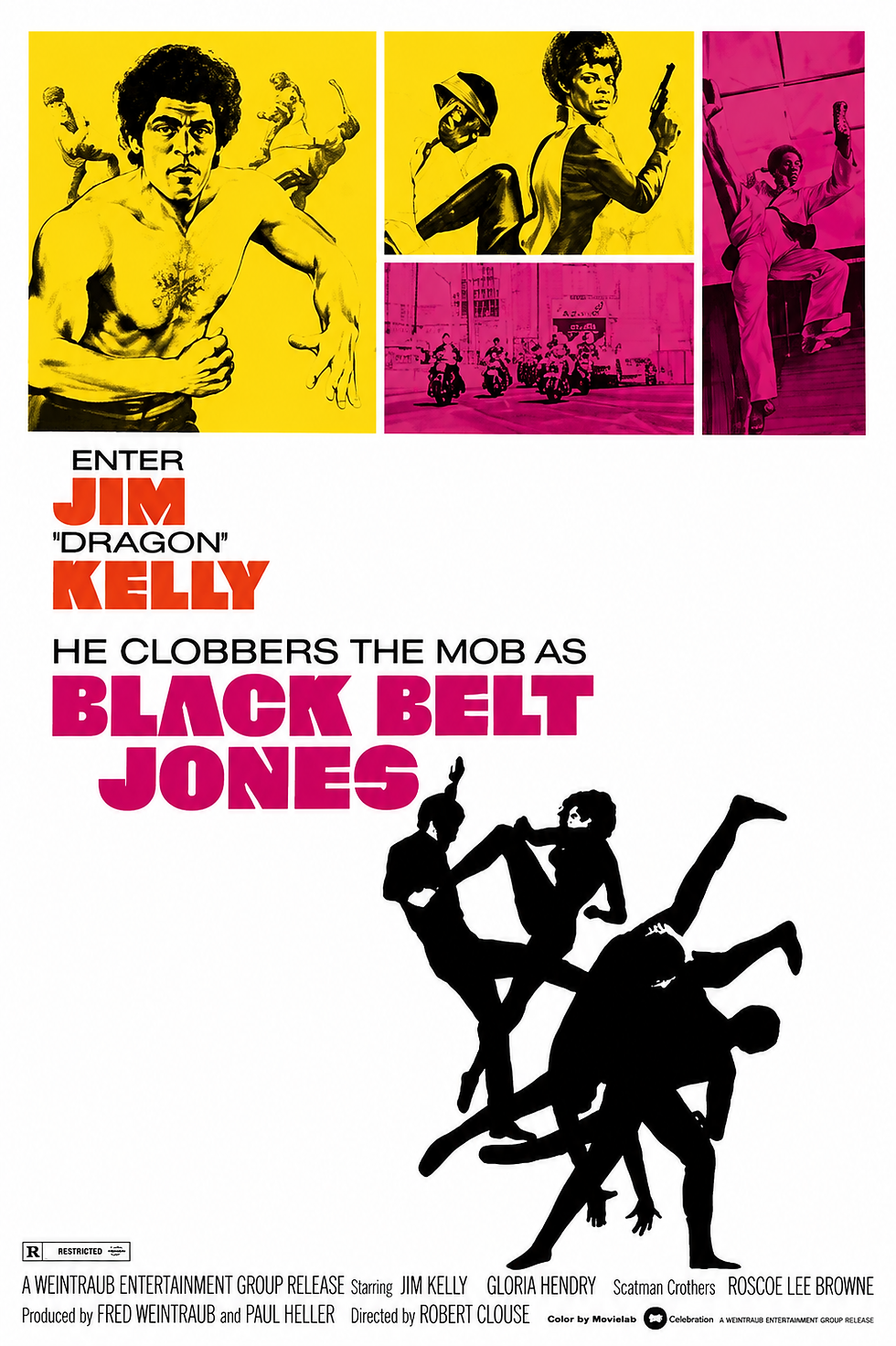
Jim Kelly didn't just look cool doing martial arts. He helped redefine who could be an American martial arts movie star.
One year after exploding onto the screen alongside Bruce Lee in Enter the Dragon, Jim Kelly got the chance to take center stage in Black Belt Jones.
And he owned it.
Directed by Robert Clouse, the man behind Enter the Dragon, Black Belt Jones took the martial arts movie out of Hong Kong and planted it firmly on the streets of Los Angeles.
Kelly plays Black Belt Jones, a martial artist who steps in when the mob tries to take control of a neighborhood karate school and the valuable land underneath it.
That's really all the story needed.
Because the attraction was Jim Kelly.
The Afro. The smile. The attitude. The speed. The kicks.
Kelly brought something completely different to martial arts cinema. He wasn't trying to be Bruce Lee, Chuck Norris or anybody else.
Jim Kelly was Jim Kelly.
A legitimate karate practitioner and tournament competitor, Kelly had the skills to back up the swagger. His athletic kicking style looked spectacular on screen, but equally important was the confidence he projected.
At a time when there were very few Black action heroes—and even fewer Black martial arts stars—Kelly became an icon.
Black Belt Jones also captured a uniquely American moment. The kung fu explosion was colliding with the blaxploitation era, and suddenly martial arts were mixing with funk music, street culture, outrageous clothes and unmistakable 1970s Los Angeles attitude.
The result couldn't have been made anywhere else.
And the movie gave us one of the most wonderfully bizarre fight scenes of the era: Jim Kelly battling bad guys inside a car wash surrounded by soap and bubbles.
Only in the '70s.
Kelly would go on to star in films including Three the Hard Way, Hot Potato and Black Samurai, but Black Belt Jones remains the movie that best captured what made him special.
He wasn't simply one of the first major Black martial arts movie stars.
He was one of America's first true martial arts movie stars. Period.
The Afro was iconic. The kicks were real. The attitude was all his own.
Jim Kelly was cool before martial arts movies knew how cool they could be.
BLADE — 1998
Shot on location in Los Angeles
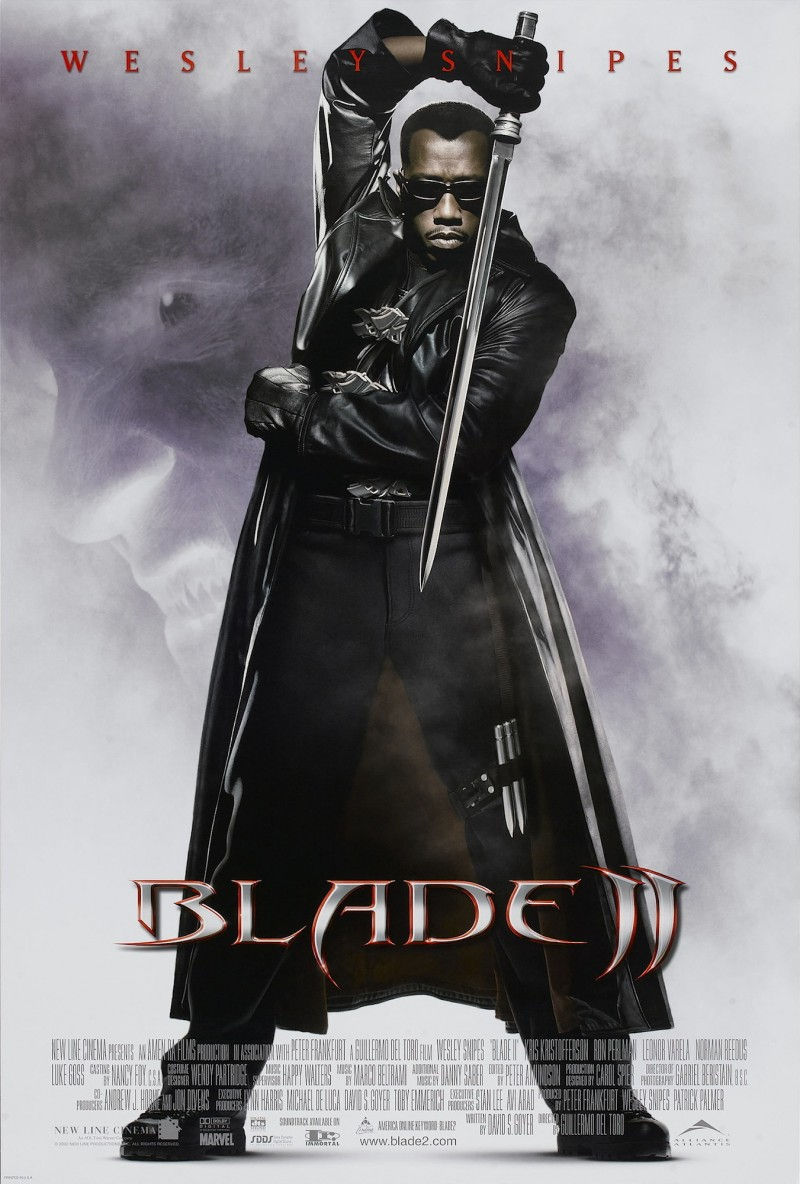
Before the modern superhero movie conquered Hollywood, Wesley Snipes gave us a superhero who could actually kick ass.
Blade was dark, stylish, violent and unlike almost anything audiences had seen from a comic-book movie.
And at the center of it was Wesley Snipes.
Snipes didn't simply look like an action hero. He brought genuine martial arts experience and athleticism to the role, giving Blade a physical credibility that helped separate the character from the muscle-bound superheroes that had come before him.
The result was a new kind of American action hero.
Part vampire hunter.
Part martial artist.
Part gunslinger.
And 100 percent cool.
Released in 1998, Blade arrived just before The Matrix helped transform Hollywood action filmmaking. Together, films like these demonstrated that martial arts choreography could become part of the language of mainstream American blockbusters rather than remain confined to traditional martial arts movies.
But Blade deserves another distinction.
Years before the Marvel Cinematic Universe became a global phenomenon, Wesley Snipes proved that a Marvel character could carry a successful R-rated action franchise.
The sunglasses. The sword. The black leather. The attitude.
But underneath all of it was something Black Belt readers immediately recognized:
The man could move.
Wesley Snipes made martial arts an essential part of Blade's identity—and helped create one of the coolest action heroes of the 1990s.
Some superheroes fly. Some shoot lasers. Blade just kicks ass.
BLOOD AND BONE — 2009
Shot on location in Los Angeles
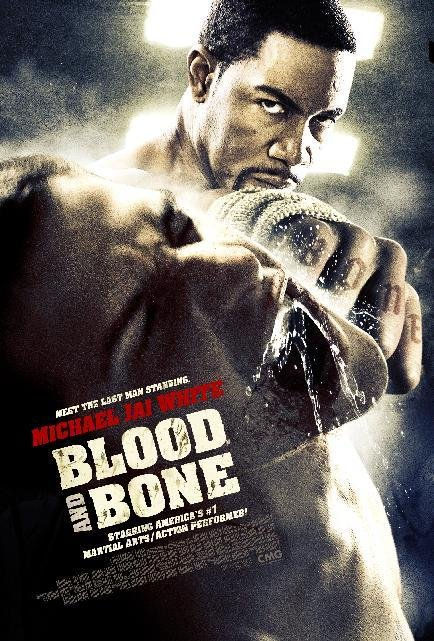
Sometimes you don't need explosions, superheroes or a $200 million budget.
Sometimes you just need Michael Jai White.
In Blood and Bone, White does what martial arts fans have always wanted to see him do: fight.
And fight.
And fight some more.
His combination of traditional martial arts technique, athleticism, speed, power and screen presence turned Bone into one of the great modern underground-fighting characters.
The movie became a cult favorite because the martial arts never feel like decoration.
They're the reason we're watching.
CHINA O'BRIEN — 1990
Shot on location in Utah
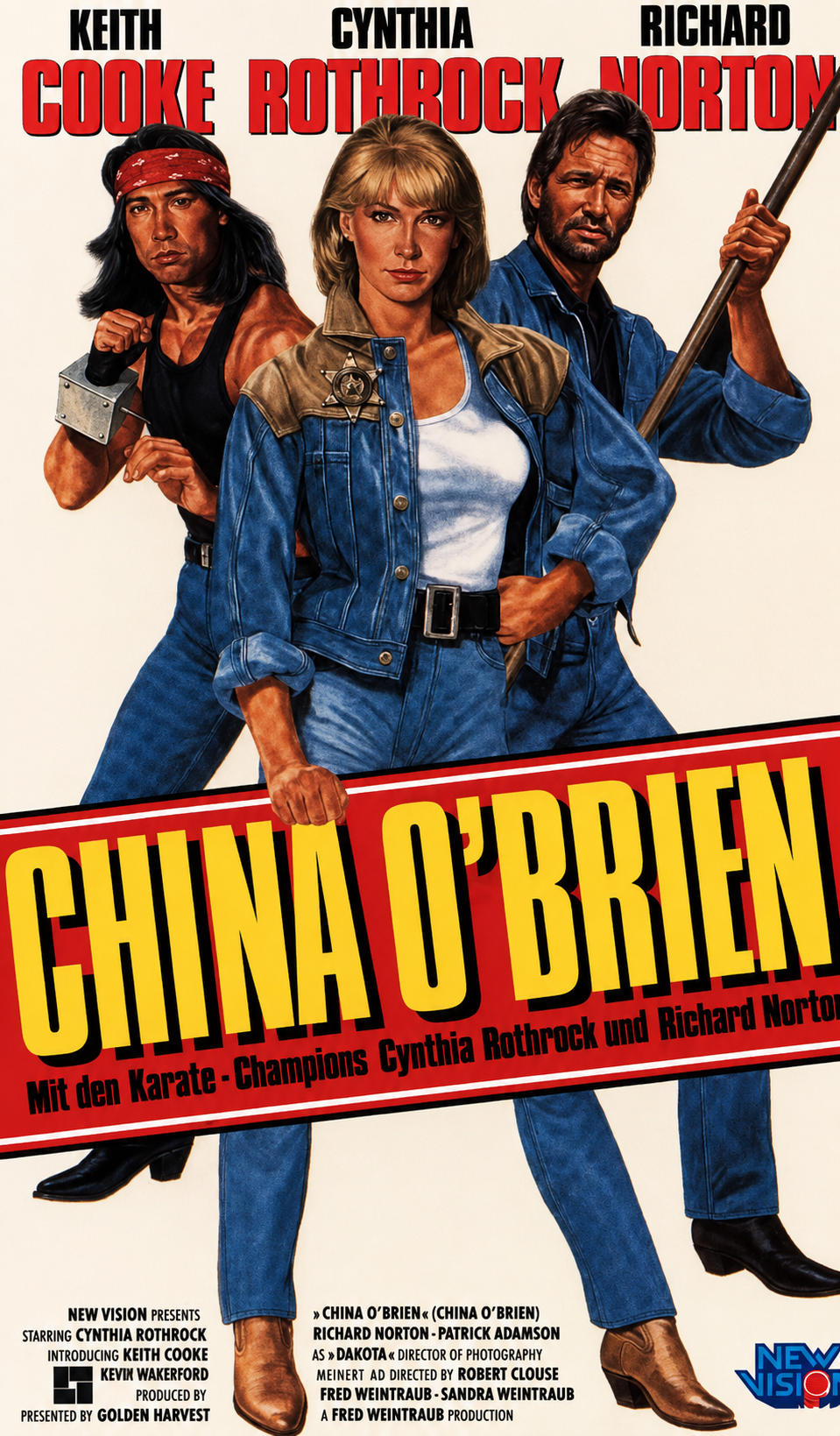
Cynthia Rothrock comes home.
Was China O'Brien Cynthia Rothrock's greatest martial arts movie?
Probably not.
Her Hong Kong films—including Yes, Madam! and Righting Wrongs—gave her opportunities to demonstrate just how extraordinary her martial arts abilities really were.
But China O'Brien represents something equally important.
It brought Cynthia Rothrock back to America as the star.
By the time she returned from Hong Kong, Rothrock had accomplished something few American martial artists—male or female—had ever achieved: she had become a legitimate martial arts movie star in the toughest action-film market in the world.
In China O'Brien, she plays a martial artist and former police officer who returns to her small American hometown and discovers corruption has taken control. The solution is pure American martial arts cinema: clean up the town one bad guy at a time.
And the movie had serious martial arts pedigree.
Behind the camera was Robert Clouse, the director forever connected to one of the most important martial arts movies ever made, Bruce Lee's Enter the Dragon. Alongside Rothrock were fellow martial arts stars Richard Norton and Keith Cooke, giving the film a lineup that martial arts fans immediately recognized.
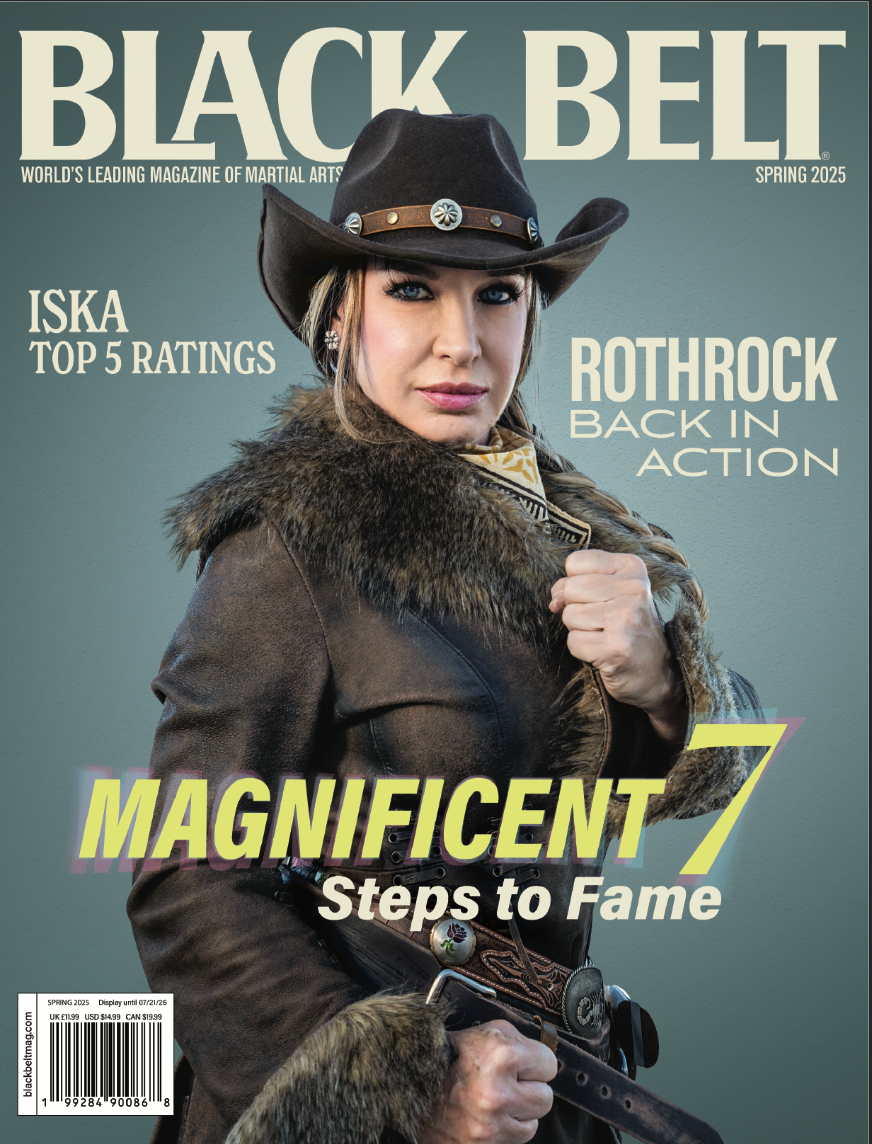
It may not have showcased Rothrock with the same breathtaking intensity as her best Hong Kong work, but China O'Brien became a fan favorite and helped establish her as something America had rarely seen: A female martial artist carrying her own action franchise.
For a generation of martial artists—and especially young women looking for someone on screen who could genuinely fight—Cynthia Rothrock wasn't pretending.
She was the real deal.
JOHN WICK — 2014
Shot on location in New York
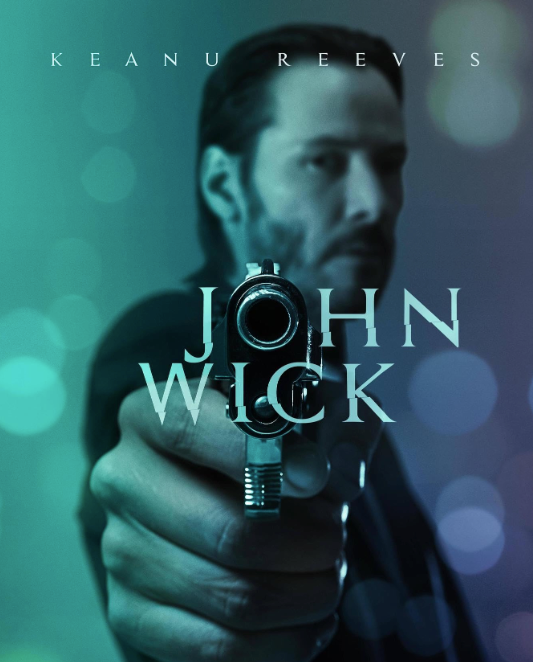
John Wick didn't just revive Keanu Reeves as an action star.
It helped redefine what an American martial arts movie could look like.
Wick drives a 1969 Ford Mustang Boss 429, wears a perfectly tailored black suit and goes to war with the Russian underworld after they make the worst possible mistake.
But underneath the guns, cars and nightclub lighting is serious martial arts choreography.
Judo. Jiu-jitsu. Throws. Joint locks. Grappling. Tactical firearms.
The John Wick franchise created its own cinematic fighting language and helped introduce a new generation to an American hybrid of martial arts and action filmmaking.
John Wick doesn't need a gi.
The suit is his uniform.
THE KARATE KID — 1984
Shot on location in "The Valley" Los Angeles
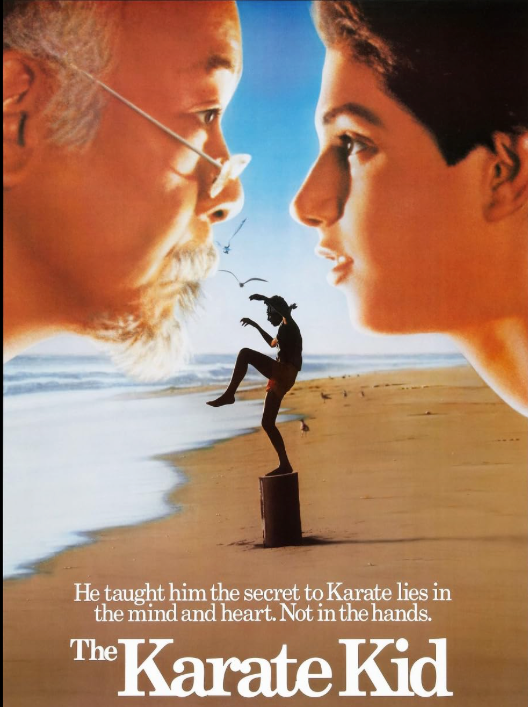
You simply can't have this list without it.
Few movies in history have done more to put martial arts into American popular culture.
Daniel LaRusso.
Mr. Miyagi.
Cobra Kai.
"Wax on, wax off."
The crane kick.
The Karate Kid wasn't really about winning a tournament. It was about what martial arts could teach a young person about confidence, discipline, restraint and courage.
Millions of kids walked out of theaters wanting to take karate.
Four decades later, we're still talking about Daniel and Johnny.
That's cultural impact.
THE LAST DRAGON — 1985
Shot on location in New York
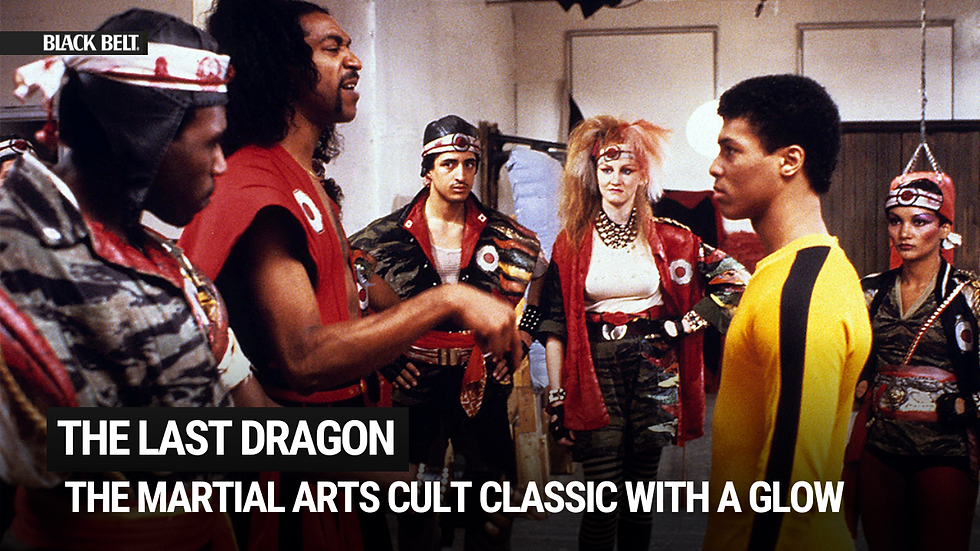
Motown meets martial arts in New York City—and somehow it all works.
Few martial arts movies could have been made anywhere but America.
Produced by Motown founder Berry Gordy, The Last Dragon took kung fu philosophy, Bruce Lee worship, '80s music, outrageous fashion, comedy and the streets of New York City and blended them into one of the most original martial arts movies of the decade.
At the center was Taimak as Leroy Green, better known as "Bruce Leroy," a young martial artist searching for the final level of enlightenment—and "the Glow."
Standing in his way was one of the greatest martial arts movie villains ever created: Julius Carry's Sho'nuff, the Shogun of Harlem.
"Who's the master?"
If you grew up in the '80s, you already know the answer.
What makes The Last Dragon special is that it never tried to be a Hong Kong kung fu movie. It took the influence of Bruce Lee and Asian martial arts cinema and transformed it into something completely American—New York attitude, Motown music, street culture, comedy and kung fu all rolled into one.
Four decades later, Bruce Leroy and Sho'nuff remain part of martial arts pop culture.
It had the music. It had the moves. It had the attitude. And most importantly—it had the Glow.
LONE WOLF McQUADE — 1983
Shot on location in El Paso Texas
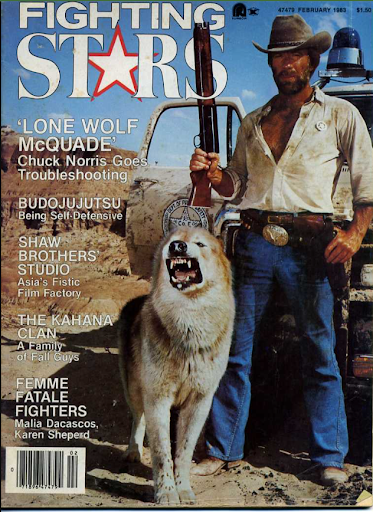
Before Walker, there was McQuade.
Chuck Norris created perhaps the ultimate American martial arts action hero: a Texas Ranger who drank beer, drove a truck, carried a badge, rode horses and handled bad guys with a combination of firearms and martial arts.
And, of course, he did it wearing cowboy boots.
The climactic showdown between Norris and David Carradine gave martial arts fans something special: two American martial arts icons finally facing each other on screen.
Lone Wolf McQuade wasn't trying to imitate Hong Kong cinema.
It was kung fu by way of the American West.
What could possibly be more American than that?
NO RETREAT, NO SURRENDER — 1986
Shot on location in Los Angeles
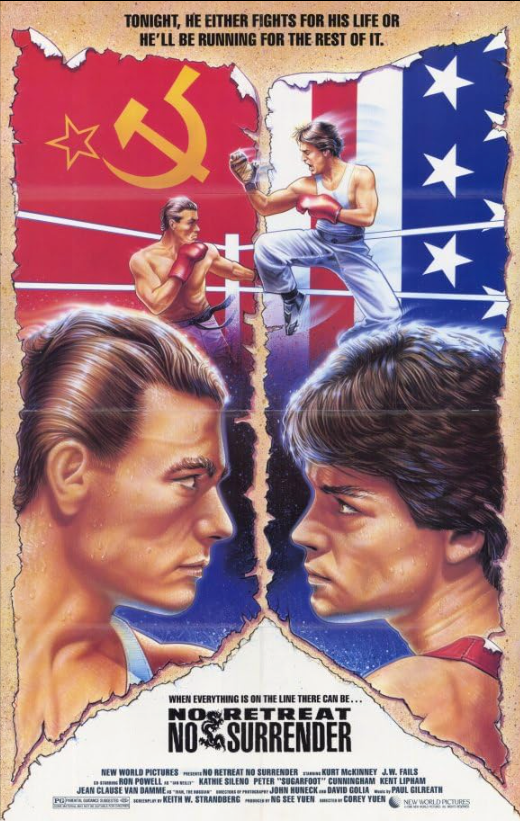
Small movie.
Huge martial arts legacy.
No Retreat, No Surrender had everything an '80s martial arts kid could want: karate schools, rivalries, training sequences, Bruce Lee worship and an almost unknown Belgian martial artist named Jean-Claude Van Damme.
Van Damme wasn't even the hero.
It didn't matter.
The moment he started moving, audiences noticed.
Directed by Hong Kong action filmmaker Corey Yuen, the film blended American karate culture with Hong Kong action sensibilities.
The result became VHS-store royalty.
And a star was born.
ONLY THE STRONG — 1993
Shot on location in Miami
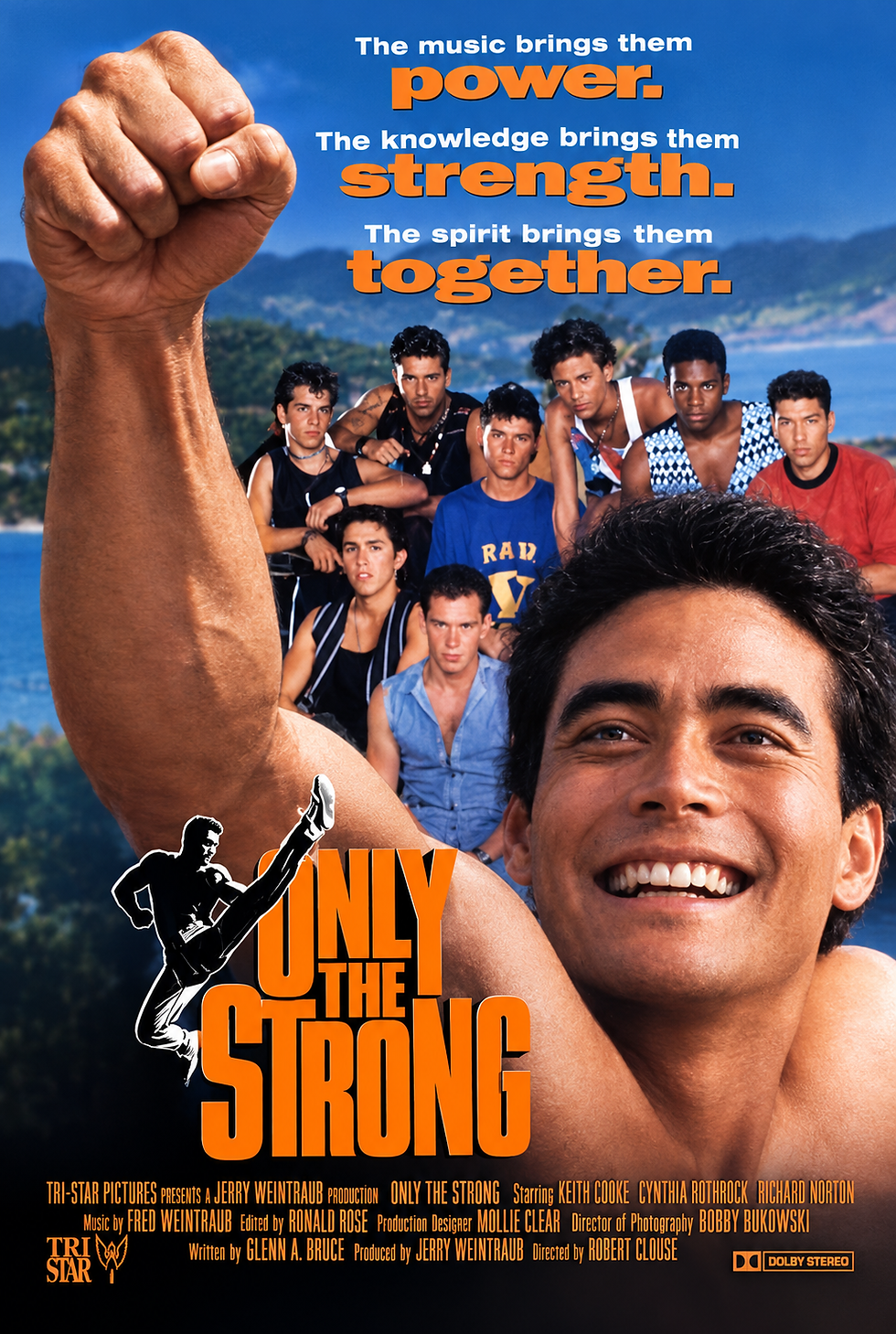
Capoeira.
Miami.
Mark Dacascos.
What a combination.
At a time when most American martial arts movies centered on karate, kickboxing or kung fu, Only the Strong introduced many mainstream viewers to the spectacular movement, music and culture of Brazilian capoeira.
Dacascos had the athleticism and charisma to make it believable.
But underneath the action was something surprisingly heartfelt: a teacher using martial arts to give troubled kids discipline, identity and purpose.
More than 30 years later, it still holds up.
THE PERFECT WEAPON — 1991
Shot on location in Los Angeles
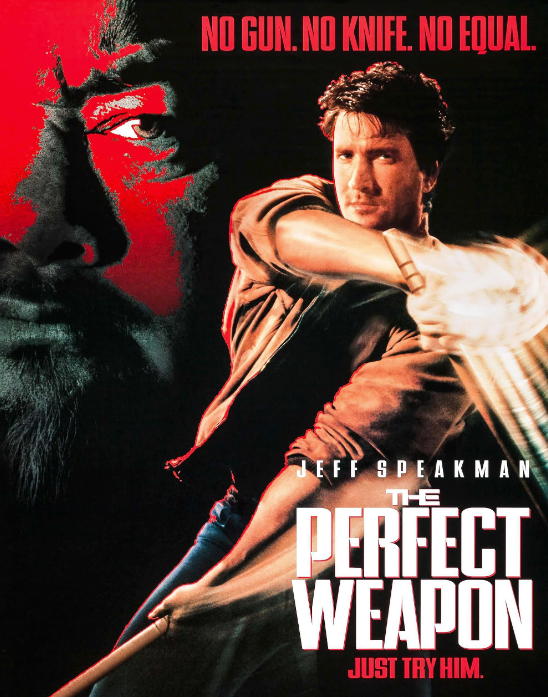
For American kenpo practitioners, The Perfect Weapon was a moment.
Jeff Speakman brought Ed Parker's kenpo to mainstream movie screens with combinations that looked dramatically different from the slower, single-technique exchanges audiences were accustomed to seeing.
Fast hands. Rapid combinations. Explosive movement.
Speakman became a martial arts movie star almost overnight.
And for thousands of viewers, The Perfect Weapon was their introduction to American kenpo.
RAPID FIRE — 1992
Shot on location in Los Angeles
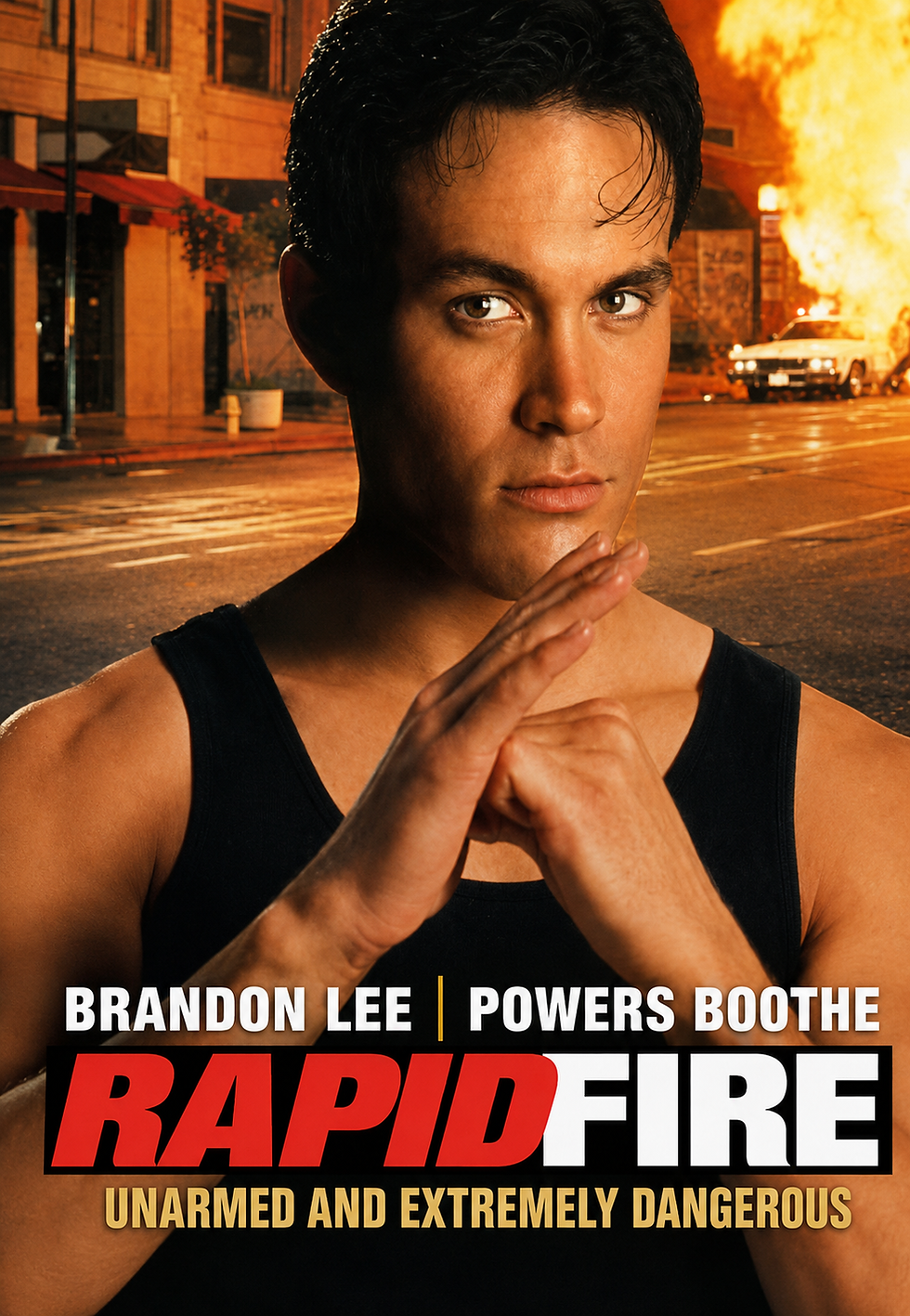
Brandon Lee never had enough time to show us everything he could become.
But Rapid Fire gave us a glimpse.
Lee combined speed, athleticism, charisma and a natural understanding of how martial arts needed to look on camera.
The result was a distinctly early-'90s American action movie with genuine martial arts pedigree.
Today the movie is also bittersweet.
It reminds us just how much potential Brandon Lee had.
REVENGE OF THE NINJA — 1983
Shot on location in Los Angeles
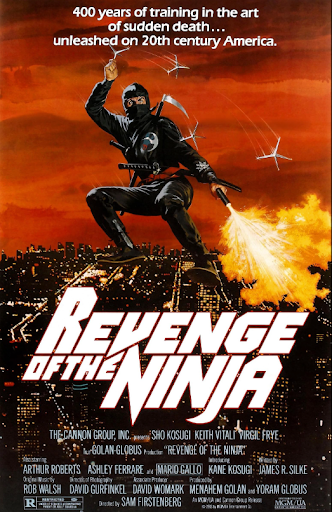
The movie that helped turn America ninja crazy.
By the early 1980s, American martial arts fans thought they knew what a martial arts hero looked like.
Then came Sho Kosugi.
After nearly stealing Enter the Ninja as the villain, Kosugi returned in Revenge of the Ninja—this time as the star—and helped unleash one of the biggest martial arts pop-culture crazes of the decade.
Set in America, the film follows Kosugi's character, Cho Osaki, who leaves Japan with his young son hoping to build a peaceful new life in the United States.
Peace doesn't last long.
And that's when the fun begins.
For many American moviegoers, Revenge of the Ninja was their real introduction to the weapons, movement and mythology of the ninja. Shuriken. Swords. Smoke. Stealth. Black uniforms. Exotic weapons that sent kids running to martial arts stores asking, "What is that?"
The film also carried some serious American karate DNA.
Among the martial artists appearing in the film was Keith Vitali, one of the great champions of America's tournament-karate era. Vitali belonged to the generation of American fighters inspired by pioneers such as Mike Stone, whose championship career and larger-than-life presence helped establish the template for the American karate superstar and Stone wrote the orgibal script to launch the series.
But Revenge of the Ninja became bigger than one movie.
It helped ignite Ninja Mania.
Suddenly ninjas were everywhere.
Movies. Television. Video games. Comic books. Toys. Halloween costumes. Martial arts magazines. And eventually four pizza-loving turtles who would take the phenomenon somewhere nobody could have imagined.
For an entire generation of American kids in the 1980s, the ninja became almost as recognizable as the cowboy.
And Sho Kosugi became its face. Chuck had the roundhouse. Bruce had the nunchaku. Sho Kosugi had the ninja—and for a while, every kid in America wanted to be one.
RUSH HOUR — 1998
Shot on location in Los Angeles
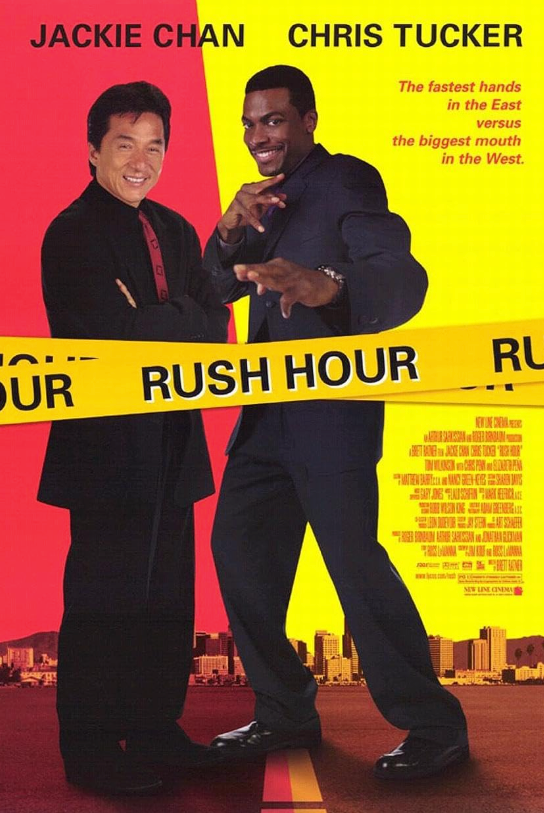
Big stars. Big studio. Big comedy. Big action. Big Hollywood director Brett Ratner.
And one very important breakthrough.
Jackie Chan had already conquered Asia and become a legend among hardcore martial arts fans, but Rush Hour turned him into a mainstream American superstar.
Pairing Chan with Chris Tucker proved that martial arts could anchor a major Hollywood buddy-comedy franchise.
The chemistry worked. The fights worked. The comedy worked.
And Hollywood suddenly understood what martial arts fans had known for years: Jackie Chan was one of the most entertaining performers on Earth.
ROAD HOUSE — 1989
Shot in California, even though the story is set in Missouri
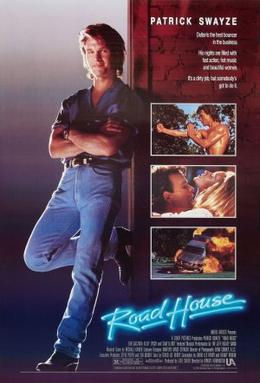
Is Road House technically a martial arts movie?
We say yes.
Patrick Swayze's Dalton is a cooler—a professional bouncer with philosophy, discipline and some extremely effective fighting skills.
The movie blends barroom brawling with martial arts choreography and delivers one of American cinema's great action characters.
Dalton's philosophy sounds almost like dojo wisdom:
Stay calm.
Stay professional.
Be nice.
Until it's time not to be nice.
SHOWDOWN IN LITTLE TOKYO — 1991
Shot on location in Los Angeles
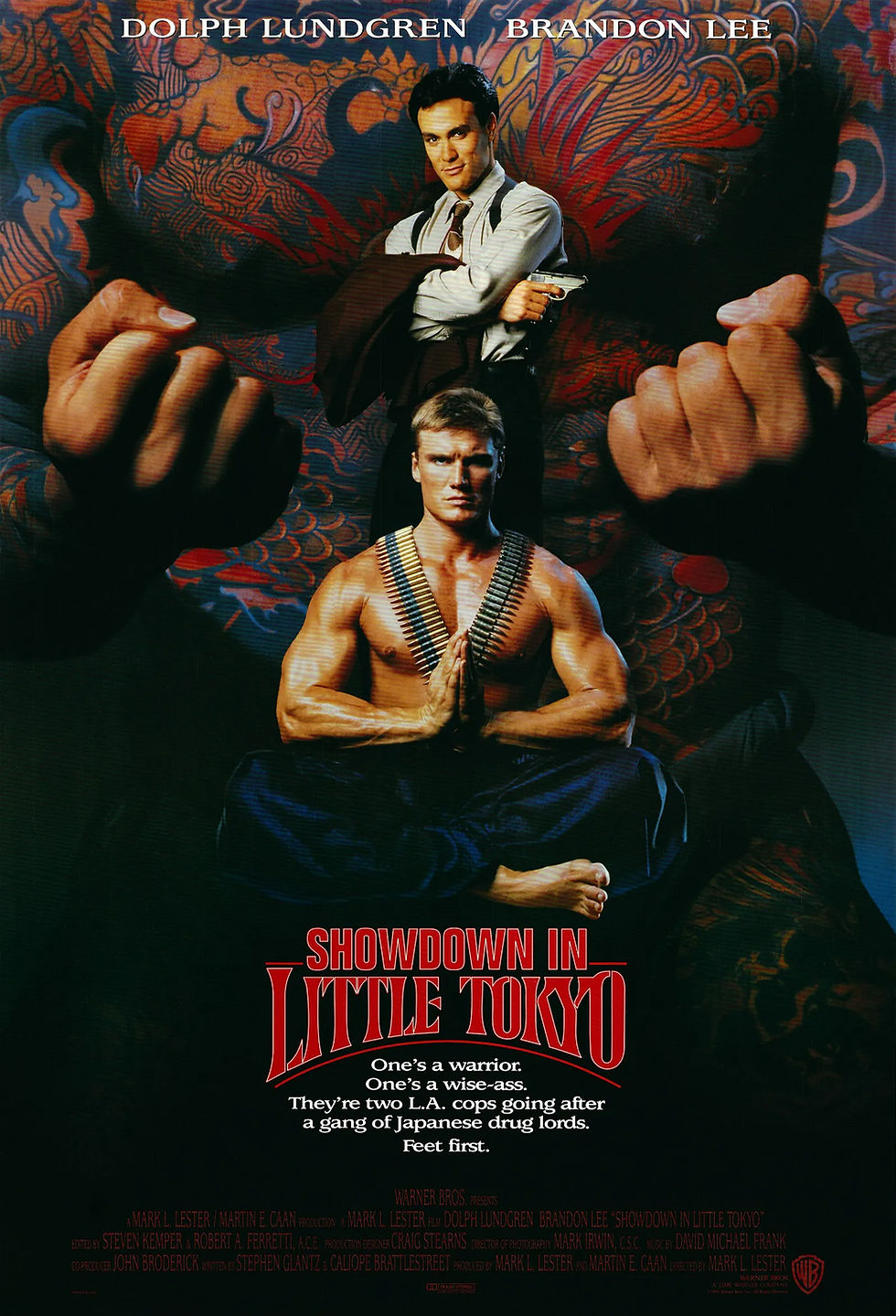
Dolph Lundgren and Brandon Lee.
That alone should get your attention.
Showdown in Little Tokyo is unapologetically early-'90s martial arts excess: yakuza, swords, karate, gunfights and enough action-movie attitude to fill three films.
It isn't subtle.
It isn't supposed to be.
Sometimes martial arts cinema exists for one simple reason: To entertain the hell out of you.
THE TRANSPORTER — 2002
Shot on location in Miami
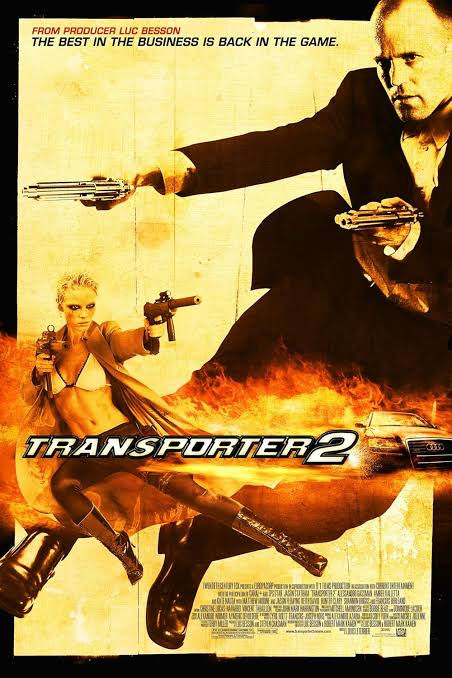
Jason Statham plus Corey Yuen was a lethal combination.
The Transporter took the cool European crime thriller, injected it with Hong Kong martial arts choreography and created another kind of action hero.
Frank Martin could drive.
He could fight.
He could wear a suit.
And somehow he could do all three without breaking a sweat.
Statham would go on to become one of the world's biggest action stars, but The Transporter established the formula.
Looks. Cool. Cars. Fighting skills.
Sometimes you really can have it all.
WHAT MAKES AN AMERICAN MARTIAL ARTS MOVIE?
Hong Kong gave martial arts cinema its language.
Japan gave the world generations of samurai cinema.
But America took those influences and mixed them with its own mythology.
The Western.
The cop movie.
The high school drama.
The gangster film.
The sports movie.
The superhero.
The American martial arts movie became something uniquely its own.
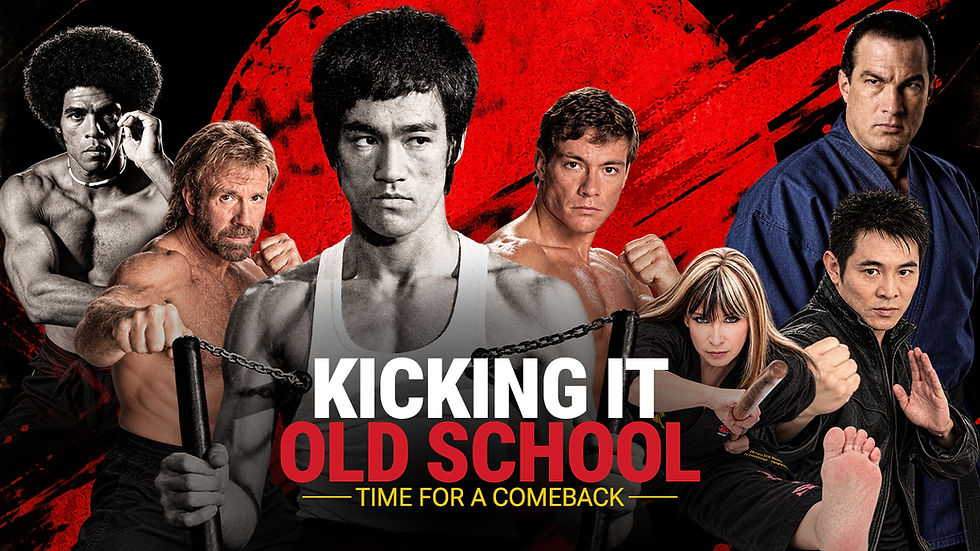
Chuck Norris could be a Texas Ranger. Ralph Macchio could be a bullied teenager. Steven Seagal could be a Chicago cop. Michael Jai White could be an underground fighter. Keanu Reeves could be an assassin—or humanity's digital savior. And somewhere along the way, millions of Americans discovered martial arts because they saw someone throw a kick on a movie screen.
That's why these films matter.
They didn't just entertain us.
They made us want to train.
And for Black Belt, that's about as good a definition of a great martial arts movie as you're going to get.