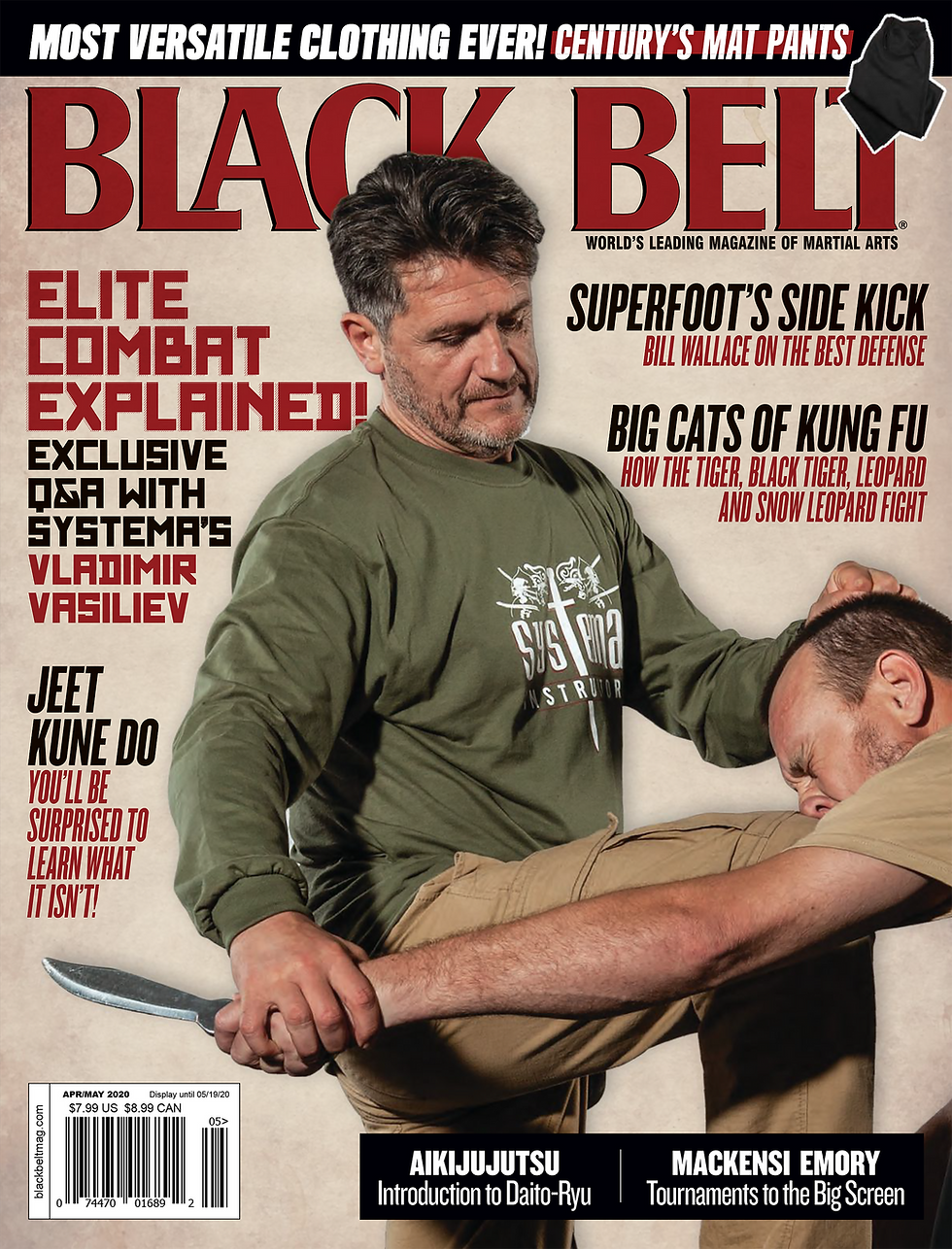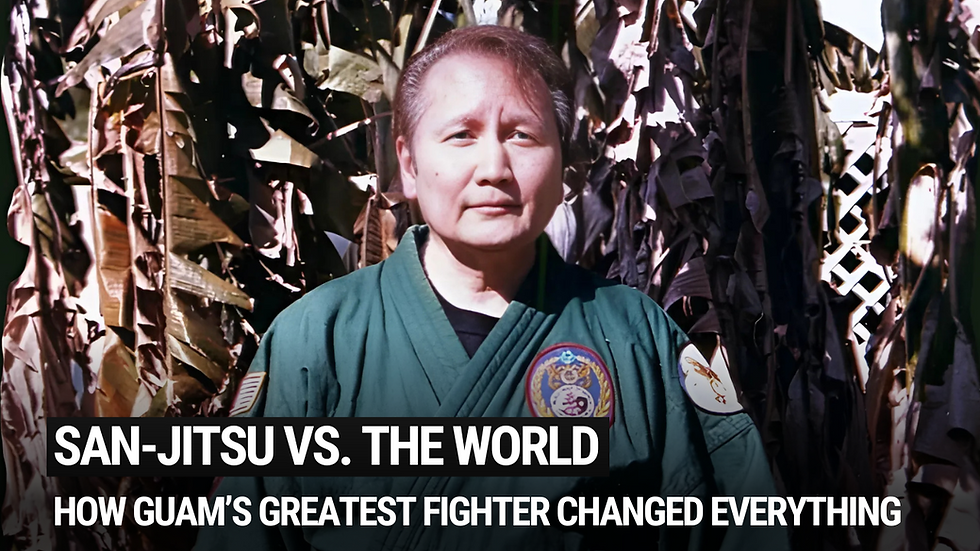
Frank E. Sanchez has been around the block. As a youth in Guam, the U.S. territory in which he was born, he frequently had to call on his martial arts skills to deal with local ruffians.
“When I was young, nothing pleased me more than a good brawl,” he wrote in Black Belt. “More often than not, it was at close quarters with someone who used only his hands — kicking was considered sissy stuff at the time because the Asian arts weren’t widely known. It was relatively easy to overpower such an adversary using hand and foot techniques.”
Sanchez's growing proficiency gained him a reputation as a formidable fighter. He wasn’t always scrapping, however. Often, he could be found singing. Using the stage name Frankie Sanchez — get it? — he recorded a number of regional tunes, including Do You Remember Guam and Guam, Beautiful Island.
Both songs are listed in Guampedia, an online resource that also mentions Sanchez as one of the island’s best-known people.
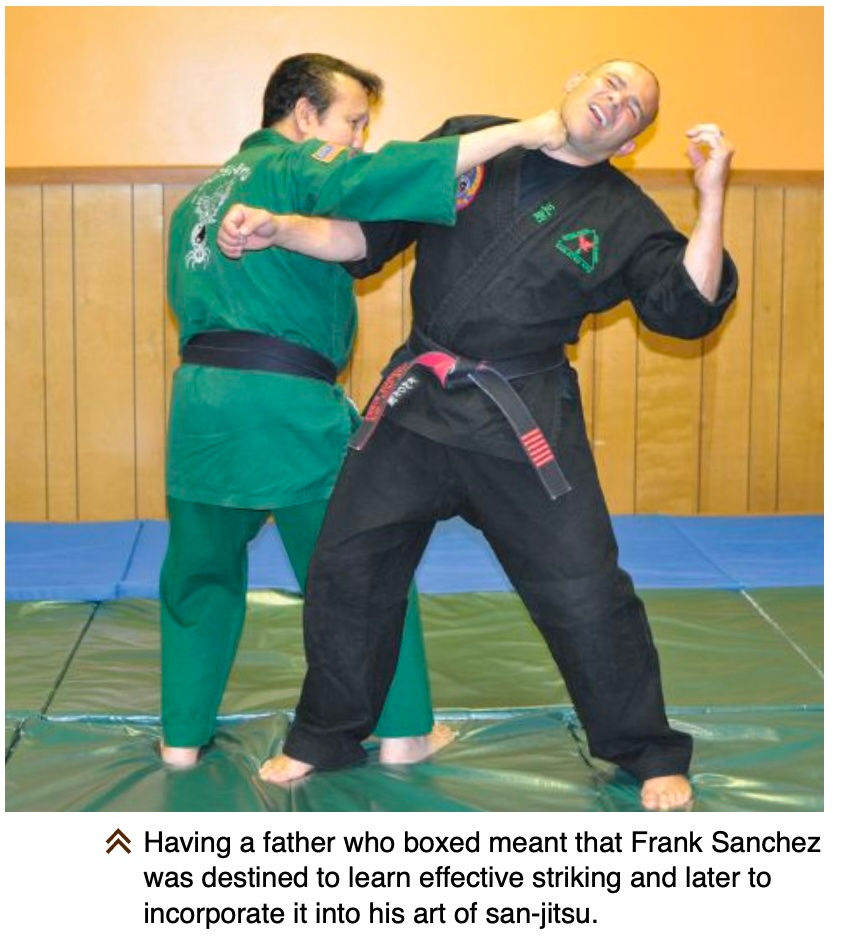
In 1971, Sanchez pooled all his knowledge and experience and created a hardcore self-defense system that he dubbed san-jitsu. Composed of strikes, gouges, bone-breaking techniques, takedowns, and weapons skills, it's defined in San-Jitsu: The New Devastating Fighting Art of the Marianas, a book Sanchez wrote in 1976.
The same year, his growing celebrity compelled Guam’s governor Ricardo J. Bordallo to make him an honorary ambassador-at-large for the island. Since the style’s unveiling, it’s been featured in Black Belt on numerous occasions.
“San-jitsu is a compilation of the arts I studied, namely danzan-ryu jujitsu, judo, American karate, and jing jow pai kung fu,” said Sanchez, now 67. To that martial arts amalgam, he added boxing, which he learned from his father Francisco C. Sanchez, a pugilist with the U.S. Pacific Fleet.

Trouble Brews
If you’re thinking Sanchez was on a fast track to martial arts success, think again. Back in those days, people who created their own fighting system often got a lot of guff from the establishment.
“I had no problems in Guam as I was a public figure at the time,” Sanchez said. “I mixed with a rough crowd, and my uncles were all politicians. But with a good reputation for fighting and with the political backing of my uncles, I guess I was in the middle of a perfect storm.”
In 1981, that storm went from Category nothing to Category 3 when Sanchez and his family relocated to Jacksonville, Florida, and set up a dojo. In short order, he started receiving challenges from people who were looking for a chance to make a name for themselves by demonstrating the superiority of their art.
In most cases, once those thugs discovered that their intended prey was an experienced street fighter who wasn’t about to be bullied, the challenges faded away. That was only the beginning, however. Stronger winds began blowing when Sanchez founded the World Head of Family Sokeship Council in 1992.
Situation Worsens
Sanchez got his feet wet in the can’t-we-all-just-get-along world of multi-style organizations when he founded the American Martial Arts Association in 1991. In response to its rapid expansion, he renamed it the American Martial Arts Alliance.
When it went international, Sanchez knew it was time to pull the plug on the name and think global. Which is when his detractors resurfaced.
“It was a natural step from there to start an organization of founders, inheritors, and grandmasters, which I did with the World Head of Family Sokeship Council,” Sanchez said. “But there was major pushback from a group of martial artists from New York and New Jersey at the beginning of the council’s existence. Apparently, they felt that someone from Guam shouldn’t be running a U.S.-based grandmasters organization. It was a little misguided since Guam is actually a U.S. territory.”
During those turbulent times, Sanchez regularly received phone calls and faxes urging him to “go home and pick coconuts,” he said. “Or they would say, ‘Bury yourself deep so that the stink doesn’t rise to the surface,’ and ‘Stay on your throne in Florida and never come to our area — for your own good!’ This alarmed my wife, but it made me even more determined to build my organization.”
The last straw came in the form of a fax that urged him to attend a tournament in New Jersey, where Sanchez assumed his adversaries would be waiting.
Never one to shy away from a challenge, Sanchez packed his bags and went. “I waited all day long in an empty part of the bleachers to entice my antagonists to approach me,” he said. “Nothing happened while I was at the tournament, but I did see some tough guys who were probably those who had been threatening me — they were leaving early. I left New Jersey, satisfied that I had faced down my enemies.”
Traditionalists Capitulate
Even though some practitioners of orthodox arts disapproved of the WHFSC — after all, it offered recognition to the movers and shakers of styles they regarded as competitors — Sanchez wasn’t about to be deterred.
He knew getting martial artists accustomed to using the word soke, especially when referring to others, would be an uphill battle. But he also knew that some big names in the traditional arts were coming on board.
“It took people a while to get over our using ‘soke,’ but it’s simply a Japanese word that means ‘head of something,’” Sanchez said. “There’s nothing nationalistic about a word like that, whether it’s Japanese, American or Swedish.”
Certainly, the WHFSC includes members who are Japanese, practice Japanese arts, and thus fit into the Japanese soke category. They include Masaaki Hatsumi, Seiyu Oyata, Keido Yamaue, and Masatoshi Oshiro. However, it also encompasses luminaries from non-Japanese arts who wouldn’t otherwise use the title — but who aren’t afraid of it, either.
One of my earliest recollections of Sanchez’s pet project of martial arts brotherhood involves my teacher George Owens, and it encapsulates the way our culture has evolved. In the early 1990s, Owens announced he was planning to attend a “big event down in Florida organized by a guy named Frank Sanchez.”
The next time I visited my sensei, I found a plaque bearing the WHFSC logo on the wall. Owens still talks about how he supports its mission, and he isn’t spewing empty praise: The rank certificate he gave me after my next promotion bore a big WHFSC seal.
Lessons Spread
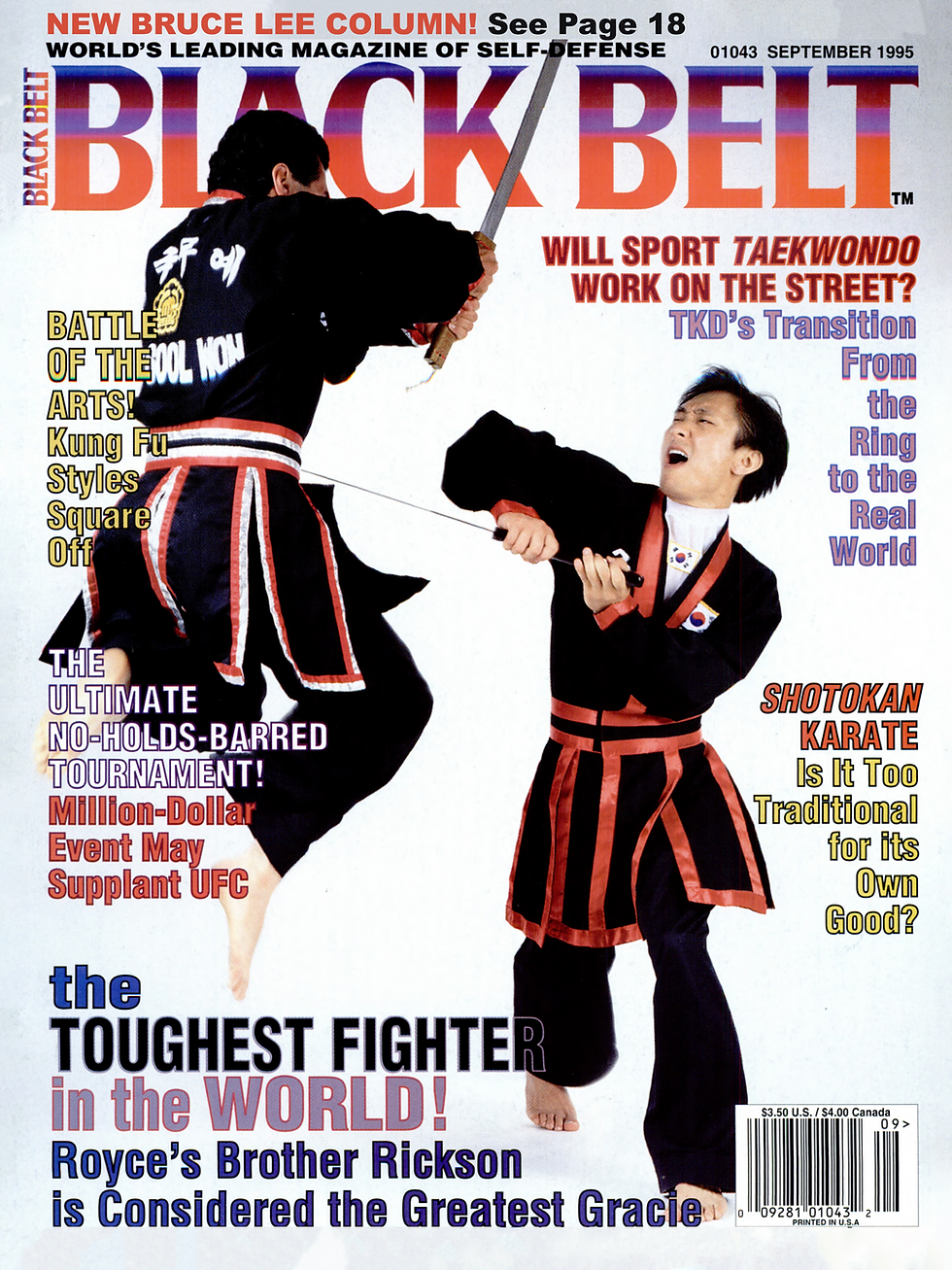
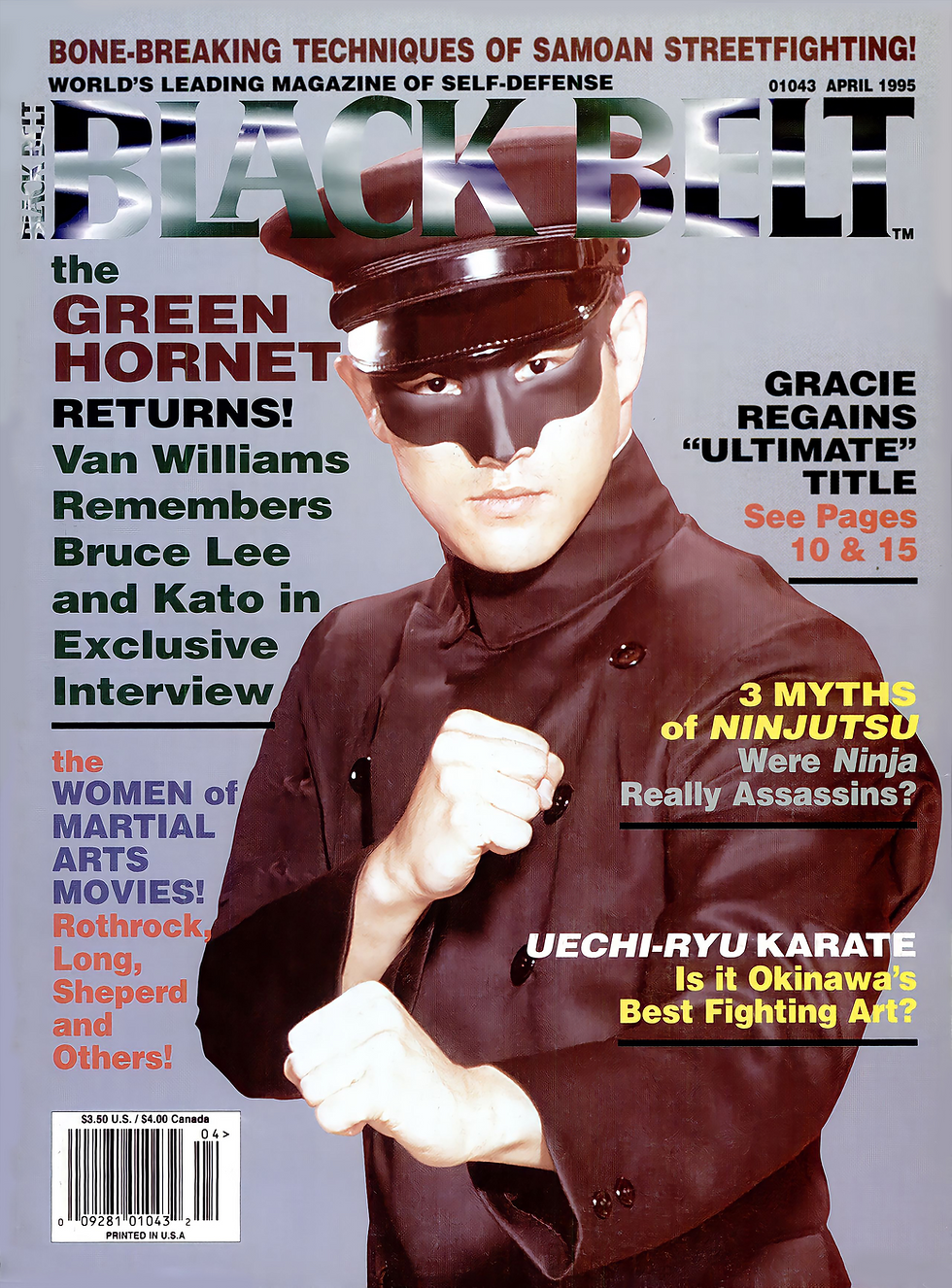
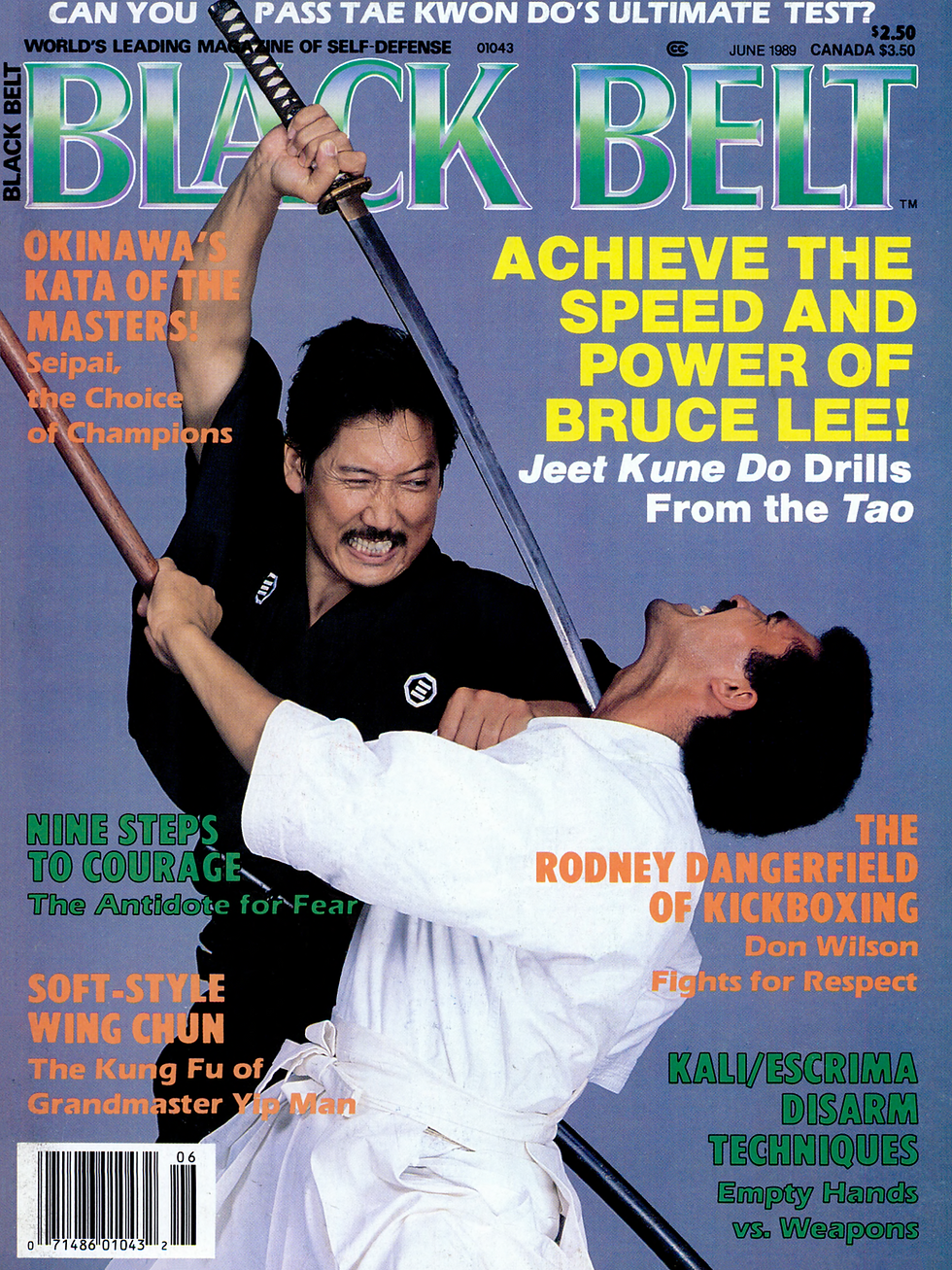
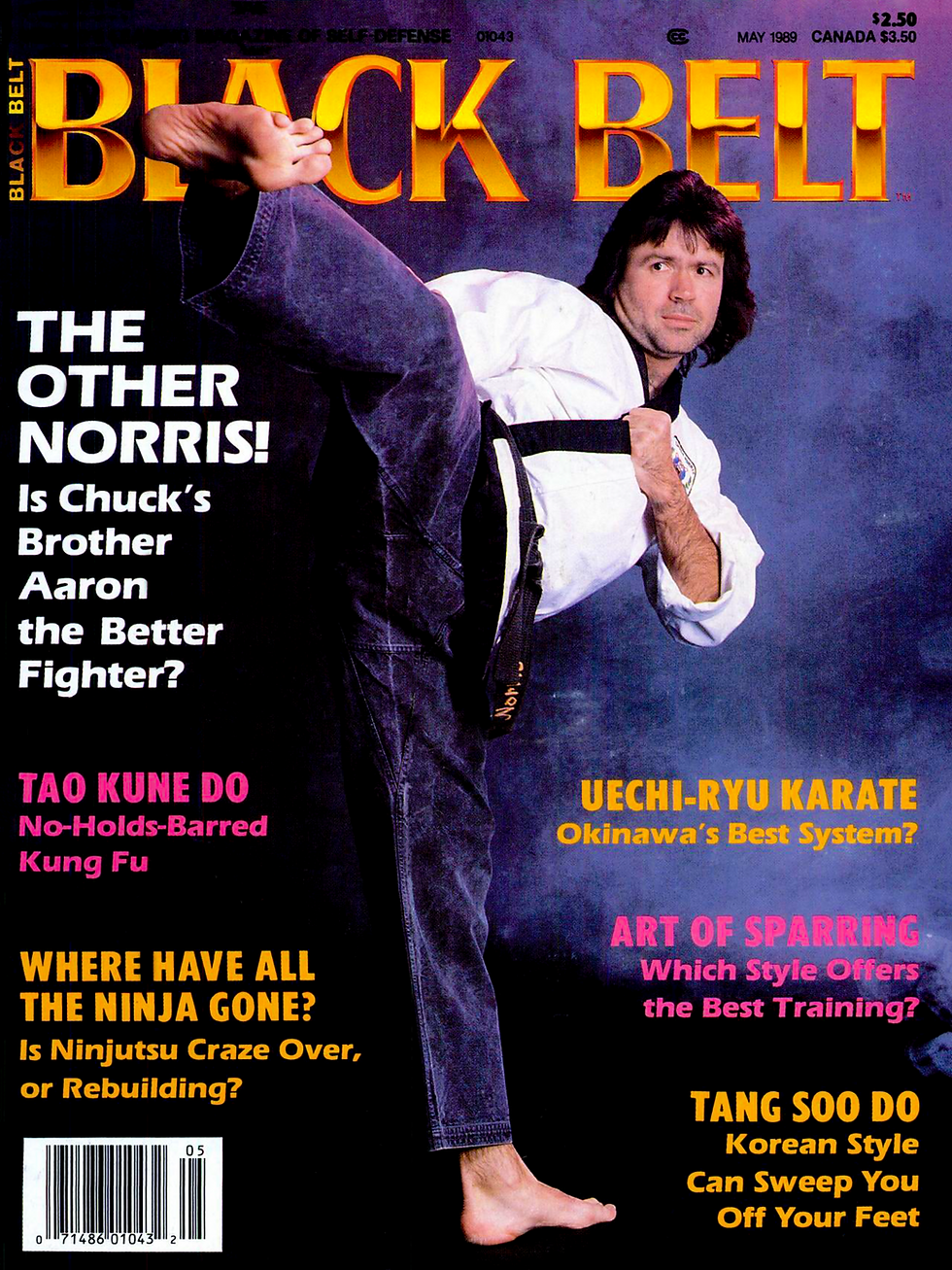
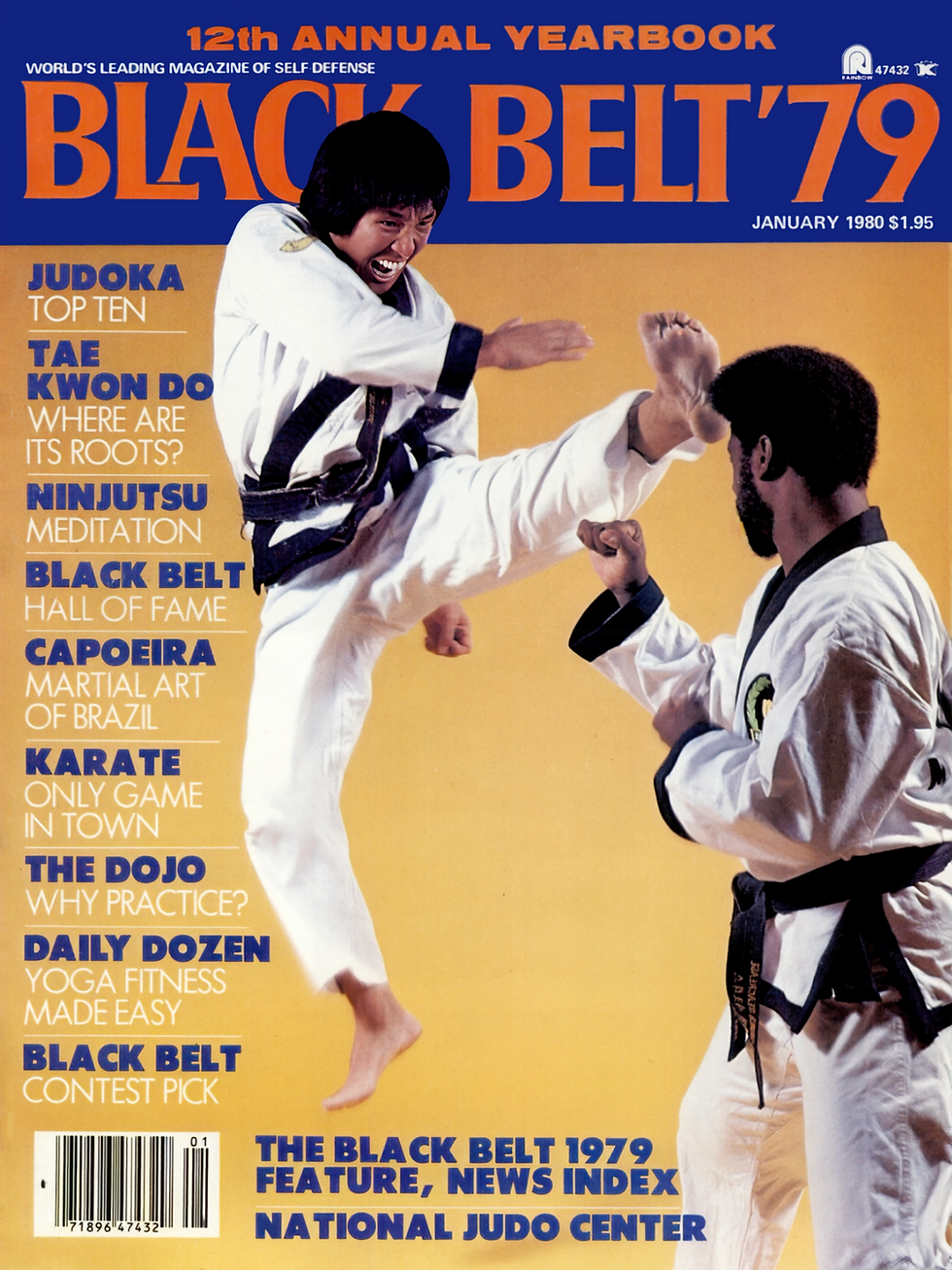
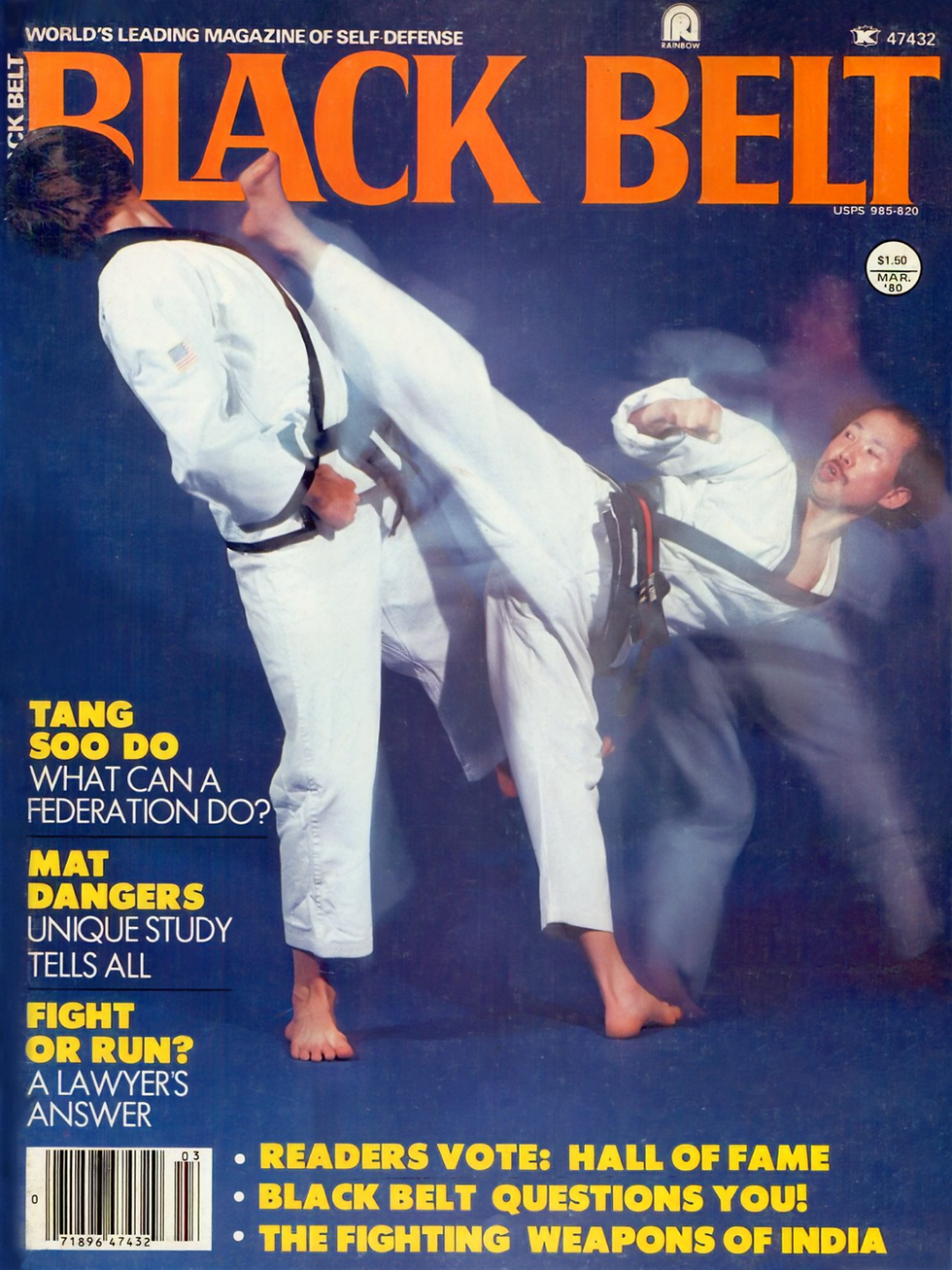
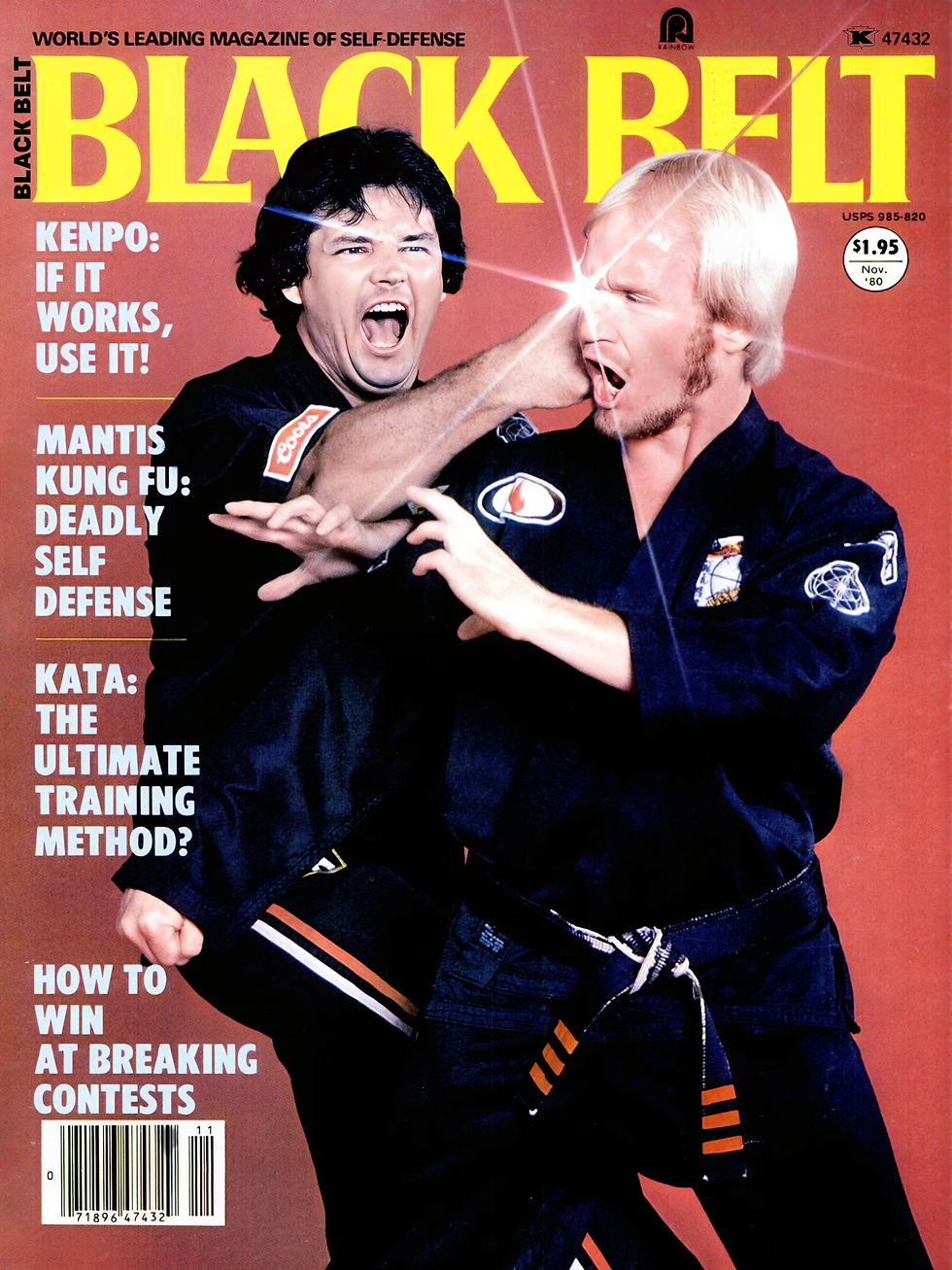
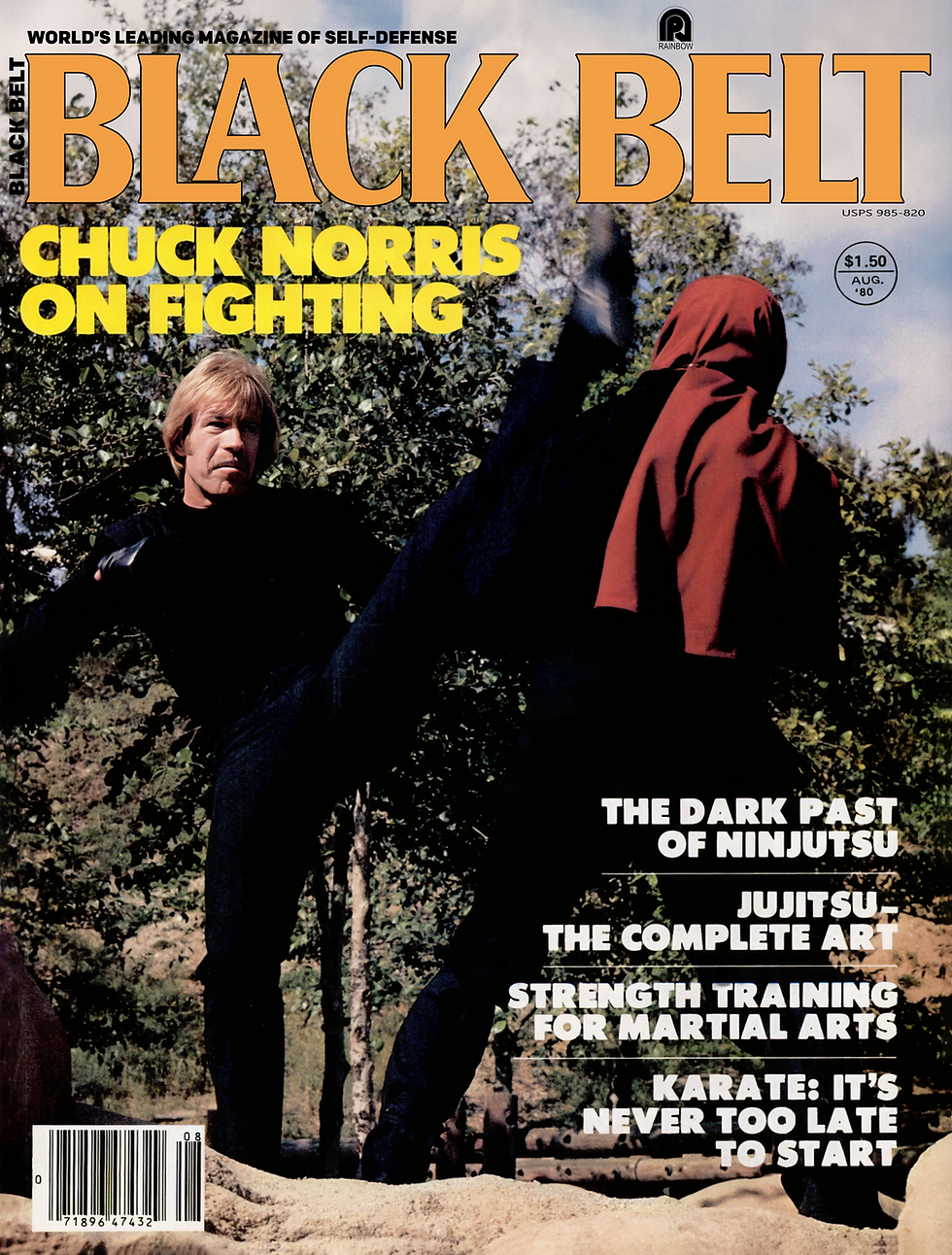
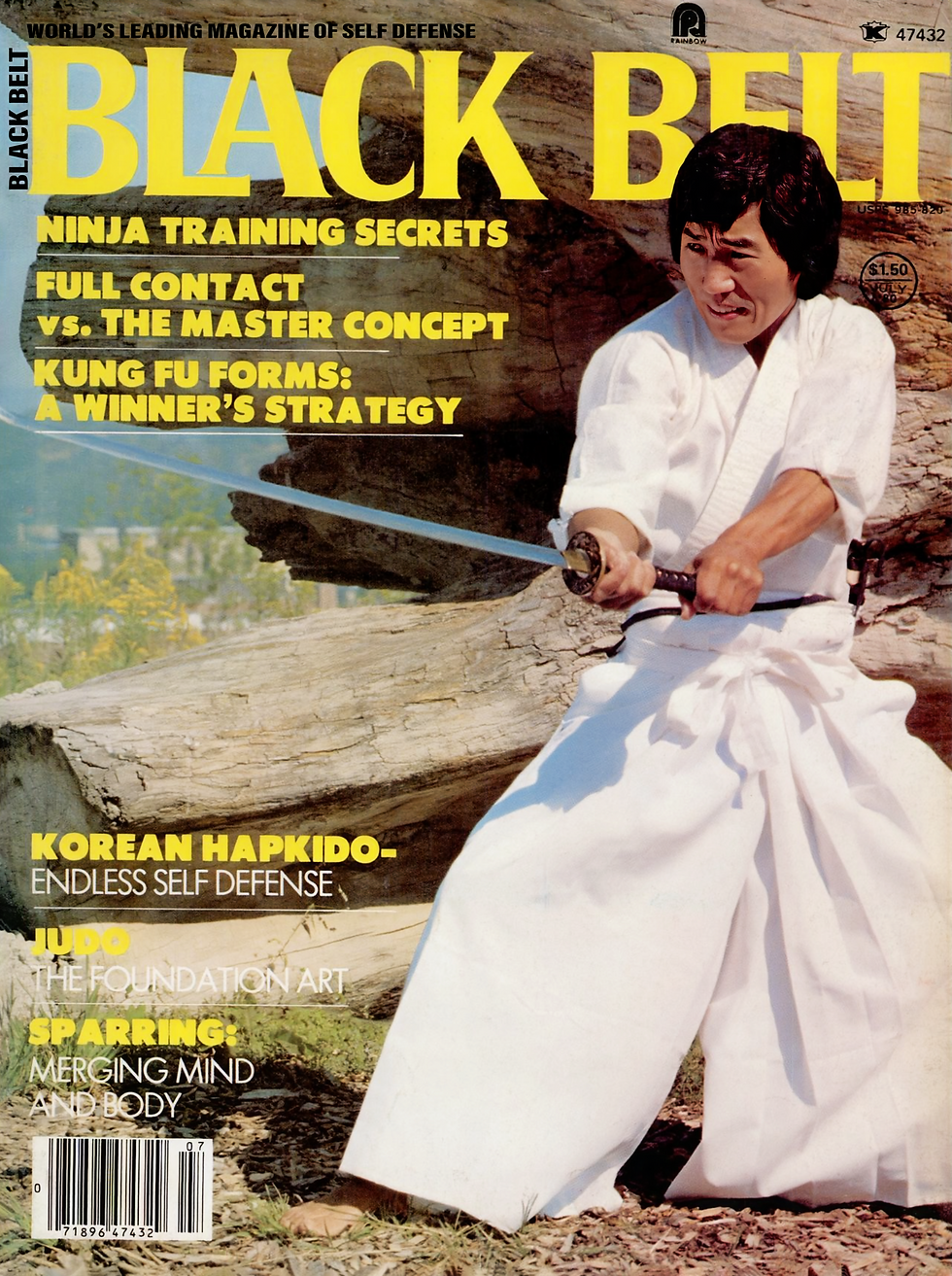
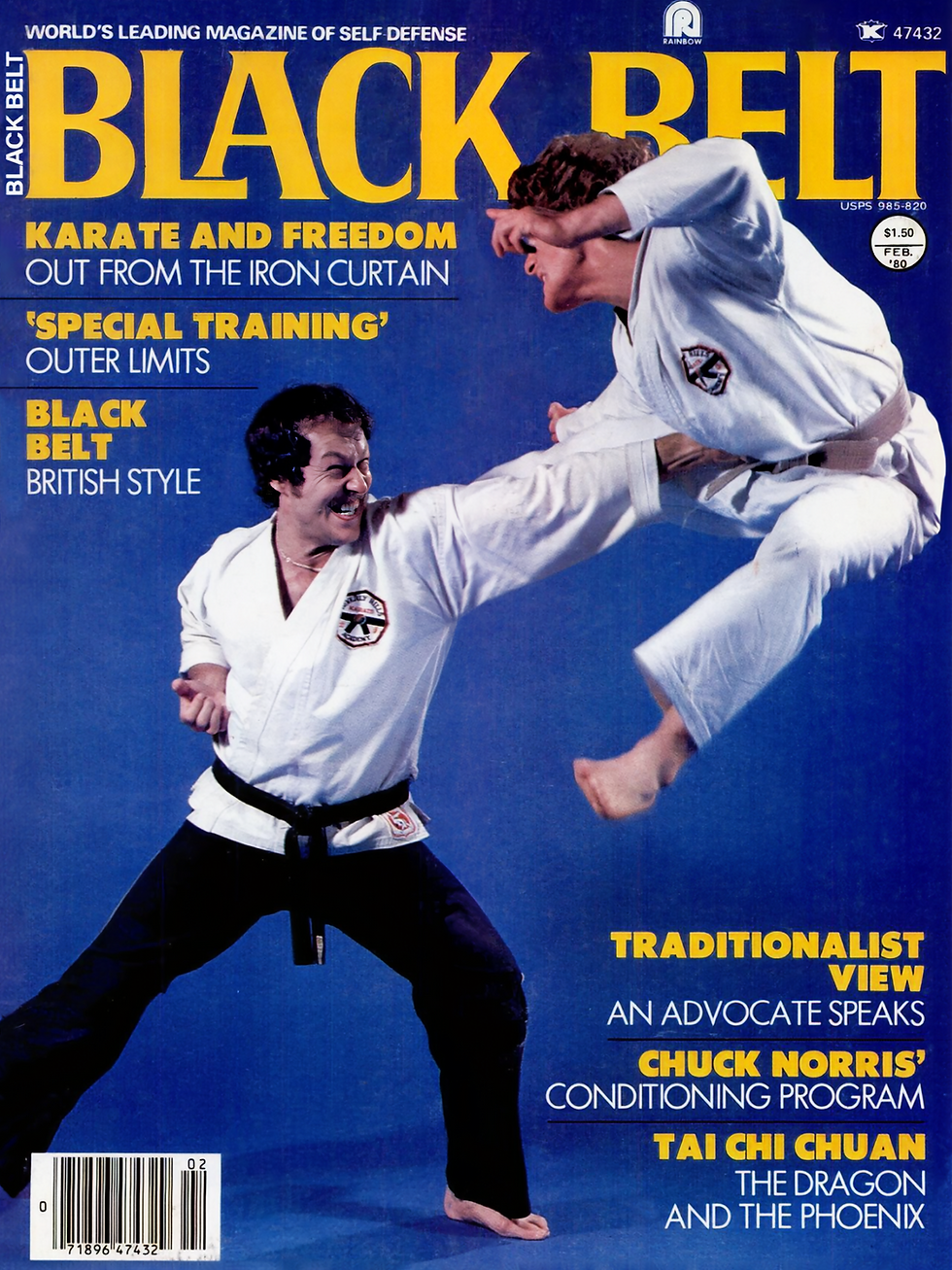
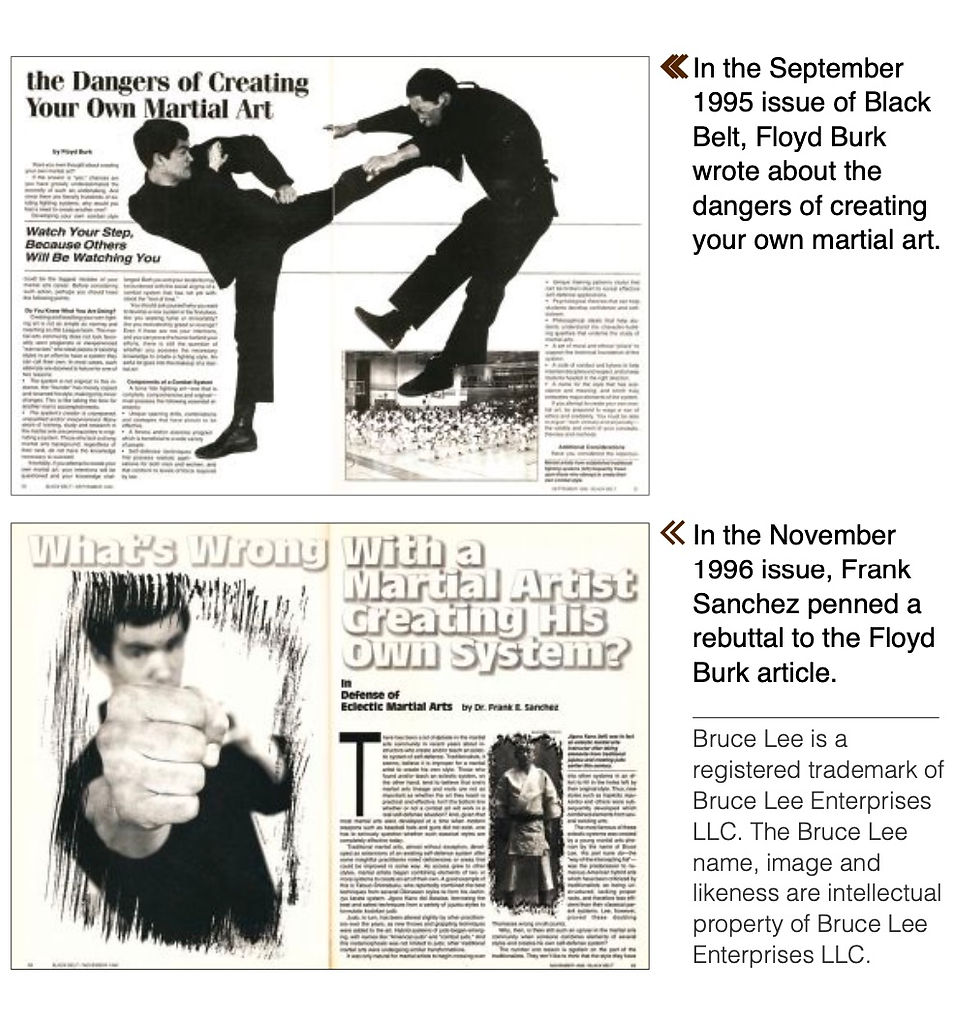
Sanchez gained such fame — and notoriety — for standing up to his enemies that he was commissioned to create an article about his experiences for Black Belt. Ironically, it was in rebuttal to a story I wrote titled “The Dangers of Creating Your Own Martial Art,” which ran in the September 1995 issue.
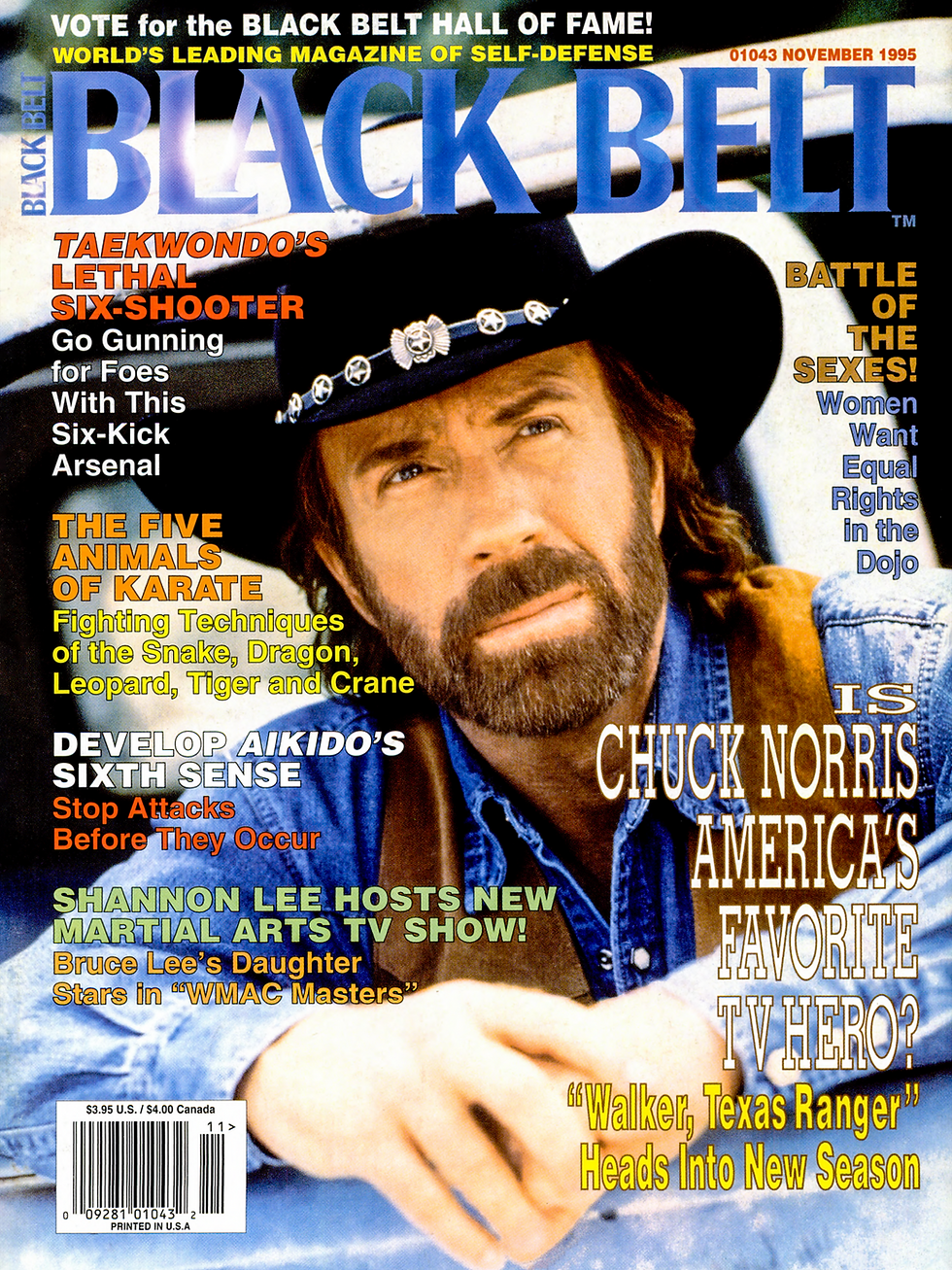
“I did an article for Black Belt titled ‘What’s Wrong With a Martial Artist Creating His Own System? In Defense of Eclectic Martial Arts’ that appeared in the November 1996 issue,” Sanchez said. “It mentioned Wally Jay, Remy Presas, and Bill Wallace — all members of the WHFSC, by the way — as examples of people who started their own arts. The words I used at the end of the piece went something like this: ‘In reality, the current trend toward eclectic arts is only a repeat of history, when the so-called traditional arts were the eclectic systems of their day, just as today’s eclectic styles are the traditional systems of tomorrow.’” Many would agree that Sanchez’s piece, along with his long history in the arts, helped open the door for other accomplished masters who would choose the path of soke.
The ongoing mission of the WHFSC is to recognize legitimate martial arts that, although they may not be hundreds of years old, are showing signs that they, too, will withstand the test of time, Sanchez said. “We’re talking about founders who are older, have a significant student count and teach an art that’s been in existence for a number of years. It’s not about youngsters who form a system in their room after zero years in the arts and have no students.”
Through the WHFSC, Sanchez provides an apolitical support system for the martial arts. “It also offers a way to network and share knowledge,” he said. “It highlights the personal accomplishments of each individual. We have an annual meeting that encompasses seminars from our members and an awards function.”
No matter what his detractors say, Sanchez is doing good work in our world. The World Head of Family Sokeship Council’s current tally of 293 members, many of whom are spread around the world, reads like a who’s who of the martial arts. And the fact that it’s growing says a lot about how the community has come to view Frank Sanchez and his mission.